Should You Cut Back Perennials in the Fall? Expert Guide
For years, the standard fall advice was simple: cut everything down, rake every leaf, and start winter with a blank slate. Illinois Extension confirms that a bare, tidy yard by season's end used to be the go-to recommendation (Illinois Extension, two years ago). That guidance has shifted, and the question of whether you should cut back perennials in the fall now has a more specific answer than it used to.
Illinois Extension's late-summer post on fall gardening puts it bluntly: "Don't Cut Back Perennials" (Illinois Extension, last month). Penn State Extension's Allegheny County Master Gardeners echo that advice, recommending gardeners leave most perennial flower stalks uncut through winter (Penn State Extension, about a year ago). The stakes are higher than tidiness: a University of Maryland study cited by Penn State found garden plots stripped of leaves had 45% fewer moths and butterflies and 67% fewer spiders than plots left alone (Penn State Extension, about a year ago).
None of this means never touching a pruner again. This article covers the short answer, which perennials actually should come down this fall, how to compromise if a fully wild-looking yard isn't your style, and when spring cleanup should really happen.
The short answer: leave most perennials standing
Video of the Day
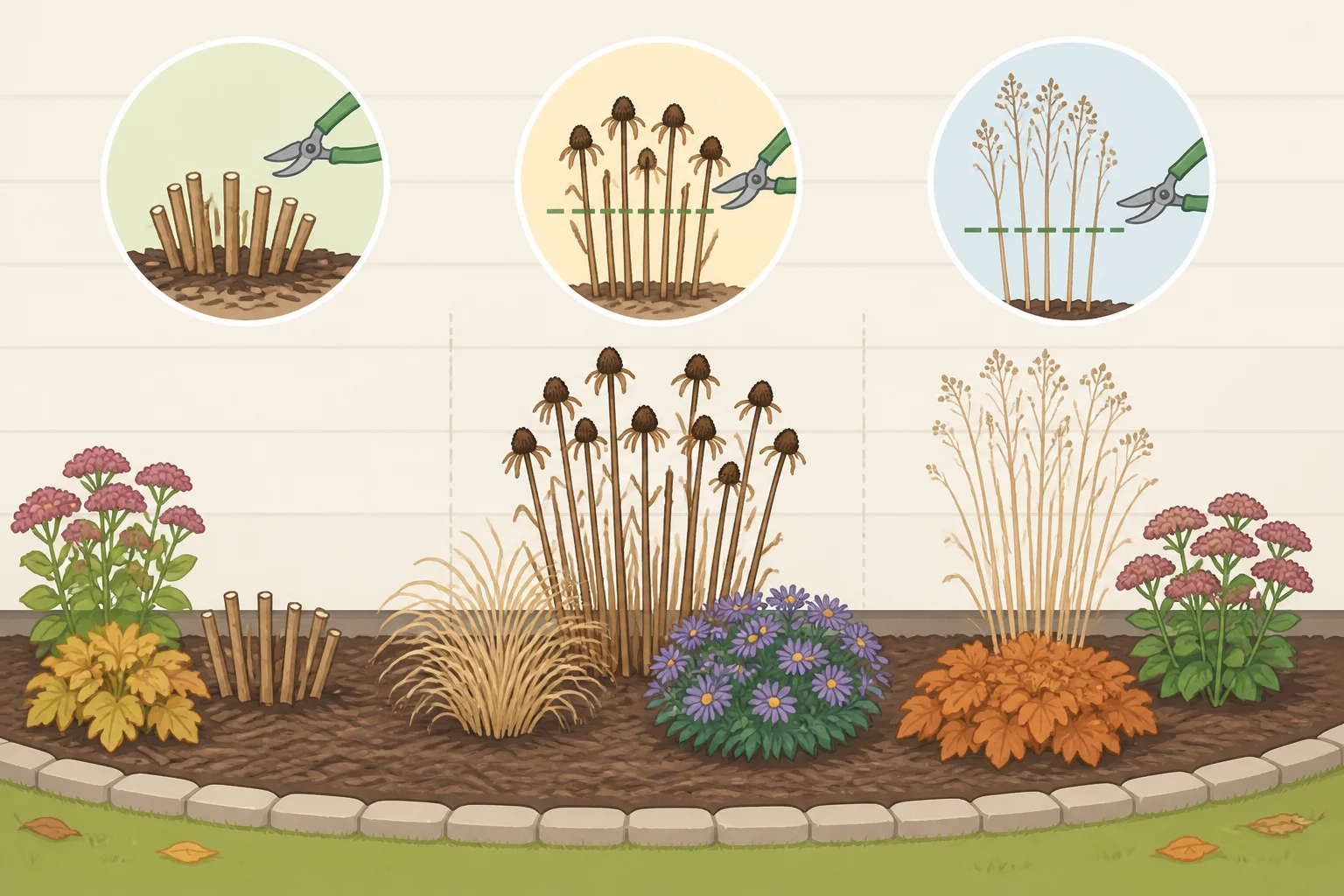
For healthy plants, the answer is mostly no. Illinois Extension advises letting perennials die back on their own rather than cutting everything to the ground once frost hits (Illinois Extension, last month). A separate Illinois Extension piece goes further, discouraging gardeners from chopping every brown, crunchy stem down and suggesting some material stay standing for winter interest and insect habitat (Illinois Extension, two years ago).
That said, this isn't a strict all-or-nothing rule. It's a selective one, and Illinois Extension offers a middle path for gardeners who still want some order: cut stems back to 6 to 18 inches instead of removing them entirely (Illinois Extension, two years ago). Brown, as the extension writers put it, is a color, not a problem to solve (Illinois Extension, last month).
Video of the Day
Why leave perennials standing over winter?
The case for skipping the fall chop isn't aesthetic. It's about what actually lives in those stems and leaves once the growing season ends.
Hollow stems shelter next year's bees
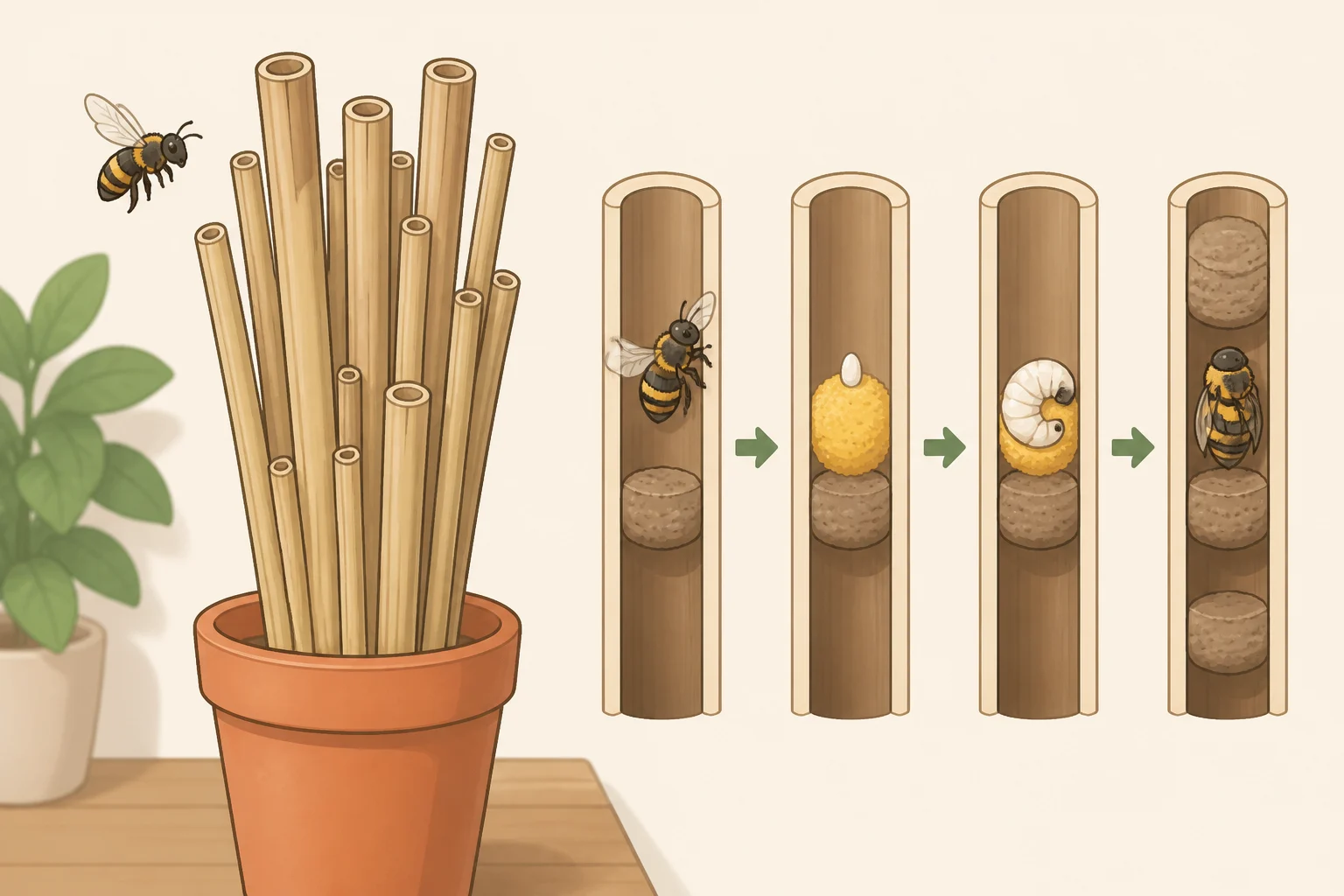
Many native bees spend the winter inside the hollow and pithy stems of perennial plants, and a wide range of other insects overwinter in standing plant material generally (Illinois Extension, last month). Leafcutter and mason bees may use old flower stalks as nests where their offspring develop until the following year, while bumble bee queens may shelter in fallen leaves instead (Illinois Extension, three years ago). Penn State's Allegheny County office notes the same pattern: flower stalks and dead foliage act as overwintering shelter for native bees and other beneficial insects (Penn State Extension, about a year ago).
Whole leaves protect moths, frogs, and soil
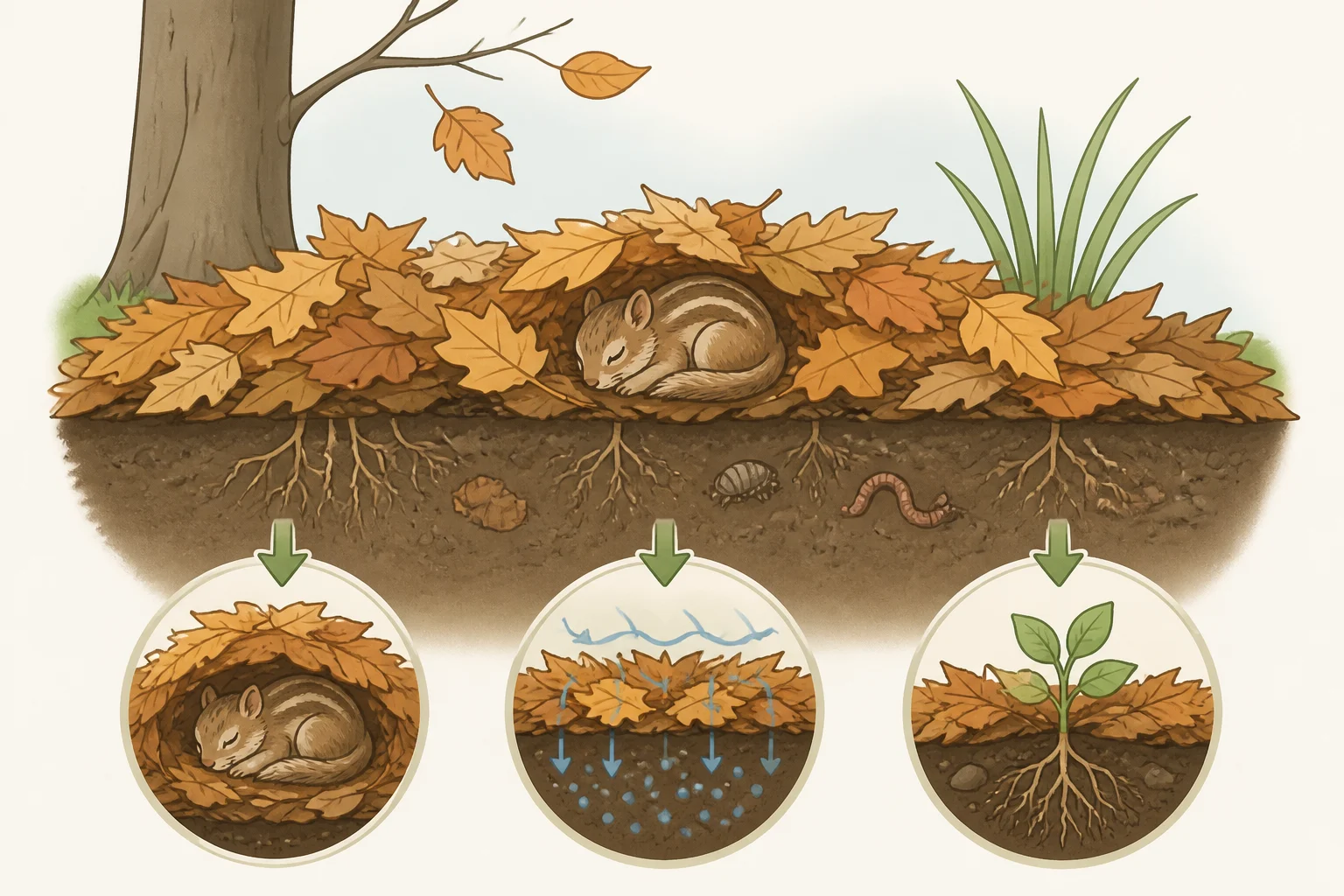
Leaf litter does more than sit there decomposing. Species like mourning cloak butterflies, swallowtails, and luna moths overwinter directly in fallen leaves (Illinois Extension, three years ago), and leaf cover also insulates ground-dwelling animals such as toads and wood frogs through the cold months (Penn State Extension, about a year ago). Amphibians, reptiles, and mammals need places to shelter too, and leftover garden debris is where they find it (Illinois Extension, last month).
The soil benefits as well. Decaying leaves enrich the ground, absorb water, retain moisture, suppress weeds, and boost nutrition, functioning as free mulch and fertilizer (Penn State Extension, about a year ago). Perennials growing in that soil also get extra insulation through winter as a result (Penn State Extension, about a year ago).
Seedheads feed birds through the coldest months
Dried flowerheads left standing aren't just habitat for insects. They're a food source for birds through winter, and the stems around them shelter garden-friendly insects that stay dormant until spring (Penn State Extension, about a year ago). It's a small trade: a slightly less manicured bed in exchange for a yard that's still feeding wildlife in January.
Cut, leave, or compromise: a quick decision framework
Before getting into specific plants, it helps to sort perennials into three buckets:
- Cut now: anything diseased, pest-infested, or damaged badly enough by frost that it poses a problem next season.
- Leave standing: healthy perennials with no disease or pest issues, which is most of what's in a typical bed.
- Compromise trim: healthy plants in beds where a tidier look matters, cut partway down rather than to the ground.
That third category is where most gardeners actually land, and it's worth understanding both the plant-specific exceptions and the trimming technique before winter sets in.
The exceptions: when to cut back perennials for winter
The "leave it standing" advice isn't absolute, and a handful of situations call for cutting regardless of the wildlife benefit.
Diseased or insect-infested plants top that list. Illinois Extension recommends removing and destroying that material rather than composting it, so problems don't carry into next year's garden (Illinois Extension, two years ago). Penn State agrees, advising that diseased plants be completely removed and bagged for disposal (Penn State Extension, about a year ago).
Hostas are a specific exception worth remembering. Once frost damages the leaves, they should come off, since they can harbor slug eggs that overwinter and cause trouble the following season (Illinois Extension, two years ago).
A short list of species also gets cut regardless of health. Peonies, irises, and lilies should be trimmed down to 3 to 5 inches with the foliage removed entirely (Penn State Extension, about a year ago). Beyond those, most healthy perennials are candidates for standing through winter or, at most, a partial trim.
How to cut back perennials without losing the habitat value
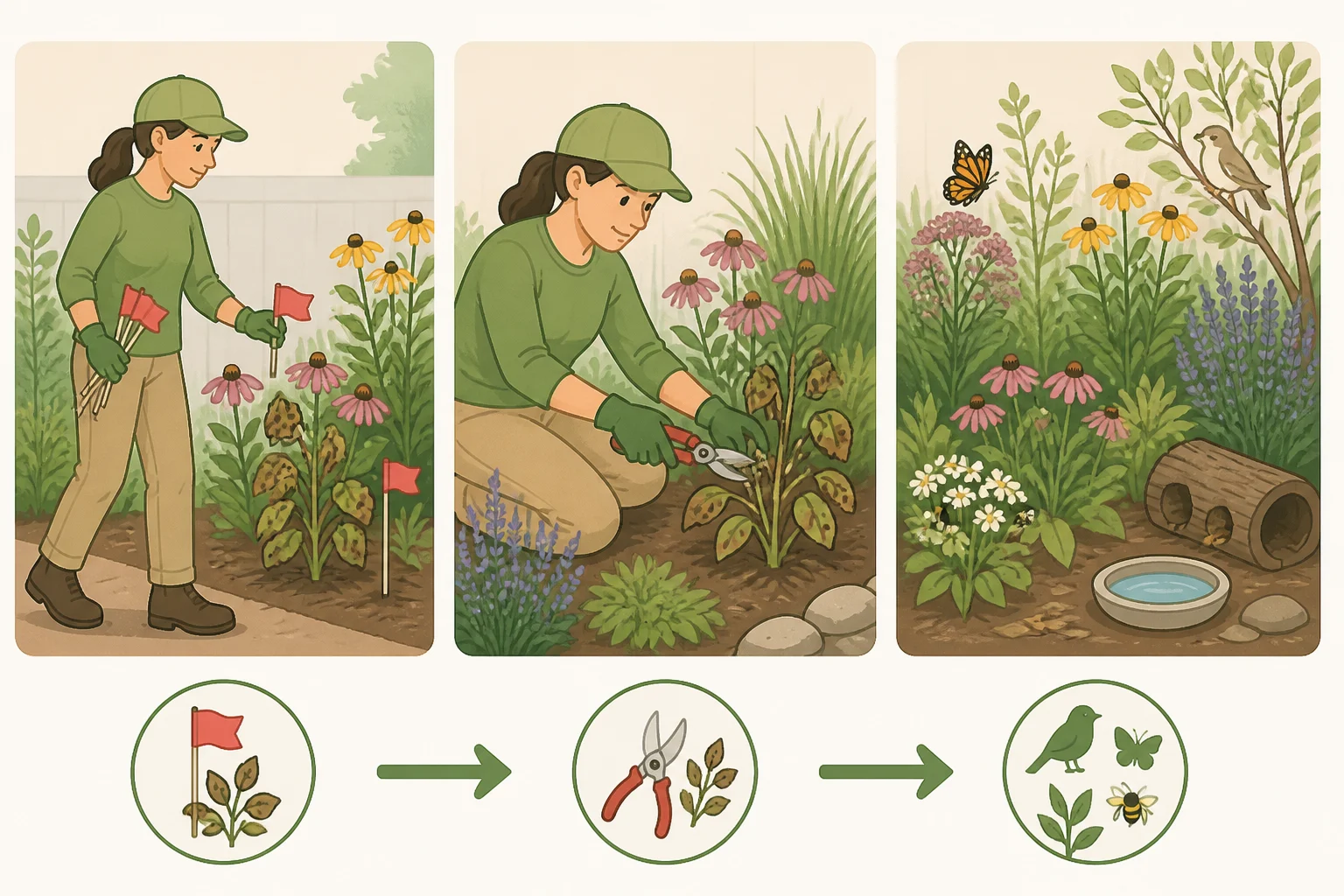
For gardeners who want some order without wiping out overwintering habitat, the process is straightforward.
- Walk the garden and flag problem plants first. Identify anything diseased, pest-infested, or frost-damaged, including hostas. These come out regardless of the leave-it-standing advice (Illinois Extension, two years ago).
- Cut the fall-specific exceptions short. Peonies, irises, and lilies get trimmed to 3 to 5 inches with the foliage removed (Penn State Extension, about a year ago).
- Trim everything else partway, not to the ground. Illinois Extension suggests 6 to 18 inches for a tidier look while preserving nesting habitat in the remaining stems (Illinois Extension, two years ago). Penn State's Adams County office offers a similar rule of thumb: cut stems to about half to two-thirds of their original height instead of flush with the soil (Penn State Extension, about a year ago).
- Treat lawn leaves and bed leaves differently. Mow lawn leaves with a mulching mower so turf doesn't get smothered, but rake whole leaves, not shredded ones, into garden beds, under shrubs, or into out-of-the-way piles (Penn State Extension, about a year ago).
- Skip the shredder on habitat leaves. Shredding may destroy the eggs, caterpillars, and cocoons that whole leaves would otherwise protect, so a rake or blower works better (Penn State Extension, about a year ago).
One detail worth flagging: however you pile the debris, keep it loose. Densely packed piles can compress and trap the insects sheltering inside, while loose piles let them move and eventually emerge (Illinois Extension, three years ago).
What to do when spring cleanup finally arrives
Whatever gets left standing this fall has a second decision point waiting in spring, and patience matters there too. Illinois Extension suggests waiting until overnight lows are reliably in the 50s°F before starting cleanup, which usually lands around mid-April at the earliest in northern and Midwestern climates, with mid-May being closer to ideal (Illinois Extension, three years ago). By mid-May, overwintering insects should have emerged for the season, though the source stops short of guaranteeing every last one has (Illinois Extension, three years ago).
There's a longer timeline hiding in that stem you cut back this fall, too. Stems left standing become bee nesting sites during the following growing season, which means they shouldn't come down until the end of the season after that, not just the next spring (Illinois Extension, two years ago). If cleanup absolutely can't wait until mid-spring, move the debris into loose, small piles in an out-of-the-way corner rather than composting it right away, so anything still overwintering gets a chance to emerge first (Illinois Extension, three years ago).
The fall decision and the spring decision are really one decision made twice. Cutting back too early in either season undoes whatever habitat value the standing perennials were providing.
Where this leaves your fall to-do list
Illinois Extension and Penn State Extension are pointing in the same direction: leave most healthy perennials and whole leaves in place through winter instead of defaulting to a full cutback. The exceptions are narrow, limited to diseased or pest-ridden material, frost-damaged hostas, and a short list of species like peonies, irises, and lilies (Penn State Extension, about a year ago).
For gardeners who can't quite let go of a tidy bed, trimming stems to 6 to 18 inches instead of clearing them to the ground still preserves potential nesting spots for next year's bees (Illinois Extension, two years ago). It's a reasonable middle ground. Before the first hard frost arrives, it's worth checking a local extension office's current fall guidance, since recommendations can vary somewhat by region and climate.