7 ways to reuse reusable shopping bags by material type
By the end of this guide, you'll know what to do with each bag in your collection based on what it's made of and what condition it's in. That's the right order: material first, project second. The ways to reuse reusable shopping bags that actually extend their environmental value depend on that match. Get it wrong and the bag fails within weeks. Get it right and it outlasts the original use by years.
The framework here runs on a principle backed by lifecycle data: reuse frequency is the single biggest driver of a bag's environmental value. A lifecycle analysis published earlier this year found that reuse frequency, recycled content, and energy mix were the critical variables separating better and worse environmental outcomes across bag types, with recycled polypropylene achieving more than 50% lower global warming potential than virgin polypropylene over 100 shopping trips (Zenodo LCA). A separate peer-reviewed study modeled cotton bags as environmentally competitive partly because they were assumed to be used 416 times over their lifespan (MDPI). A bag doing a second job it's genuinely suited for is worth more than one sitting unused, repurposed badly, or replaced prematurely.
Before you start, have on hand:
- All reusable bags no longer in regular rotation: polypropylene grocery bags, cotton totes, nylon shoppers
- For polypropylene sewing projects: a heavy-duty sewing machine, size 100/110 denim or leather needles, strong polyester thread (Gutermann Mara 100 or equivalent), and binder clips, not pins
- For cotton and nylon projects: a standard sewing machine or needle and thread, scissors, optional fusible interfacing
- For any bag previously used for food, produce, or animal feed: five minutes of cleaning before cutting into anything
Fast decision guide: what to do with old reusable grocery bags
Video of the Day
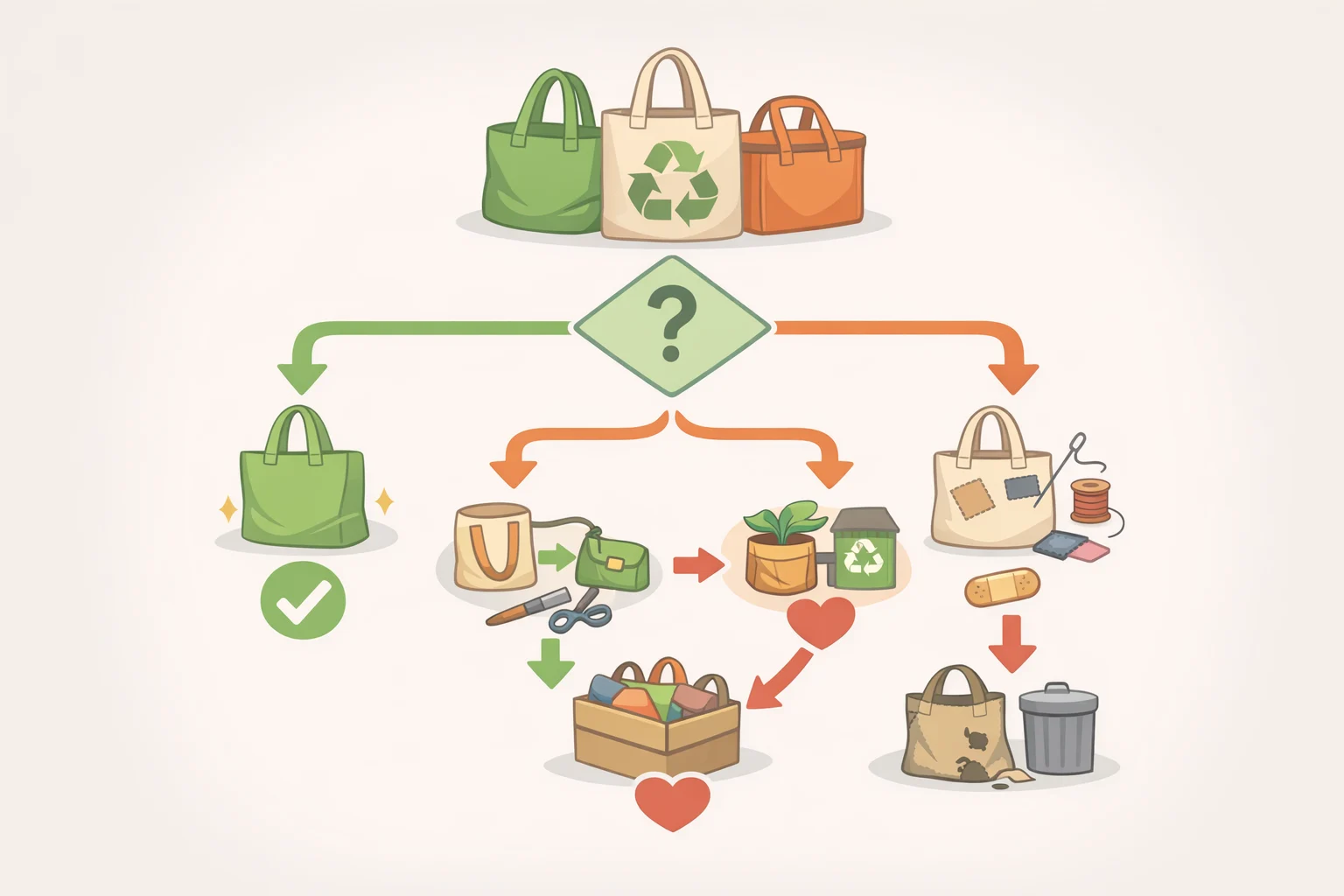
Not sure where to start? Run each bag through this quick triage before jumping to the project sections.
- Keep in grocery rotation if the bag is structurally sound, clean, and already designated for food use. Wash it and put it back to work.
- Repair straps or seams if the body is intact but the attachment points have failed. This is faster than a full rebuild and often all that's needed.
- Convert to a harder job if the bag is stained or contaminated beyond food-safe cleaning. Tool carrier, gym bag, laundry sorter polypropylene bags are well suited for all of these.
- Redirect outdoors if the bag can no longer hold load reliably but the material is still intact. Polypropylene holds up outside.
- Discard if contaminated or torn beyond repair. UNH Extension puts it plainly: when in doubt, throw it out.
Now pick your group below and go directly to the matching projects.
Video of the Day
Step 1: Sort every bag into one of three groups
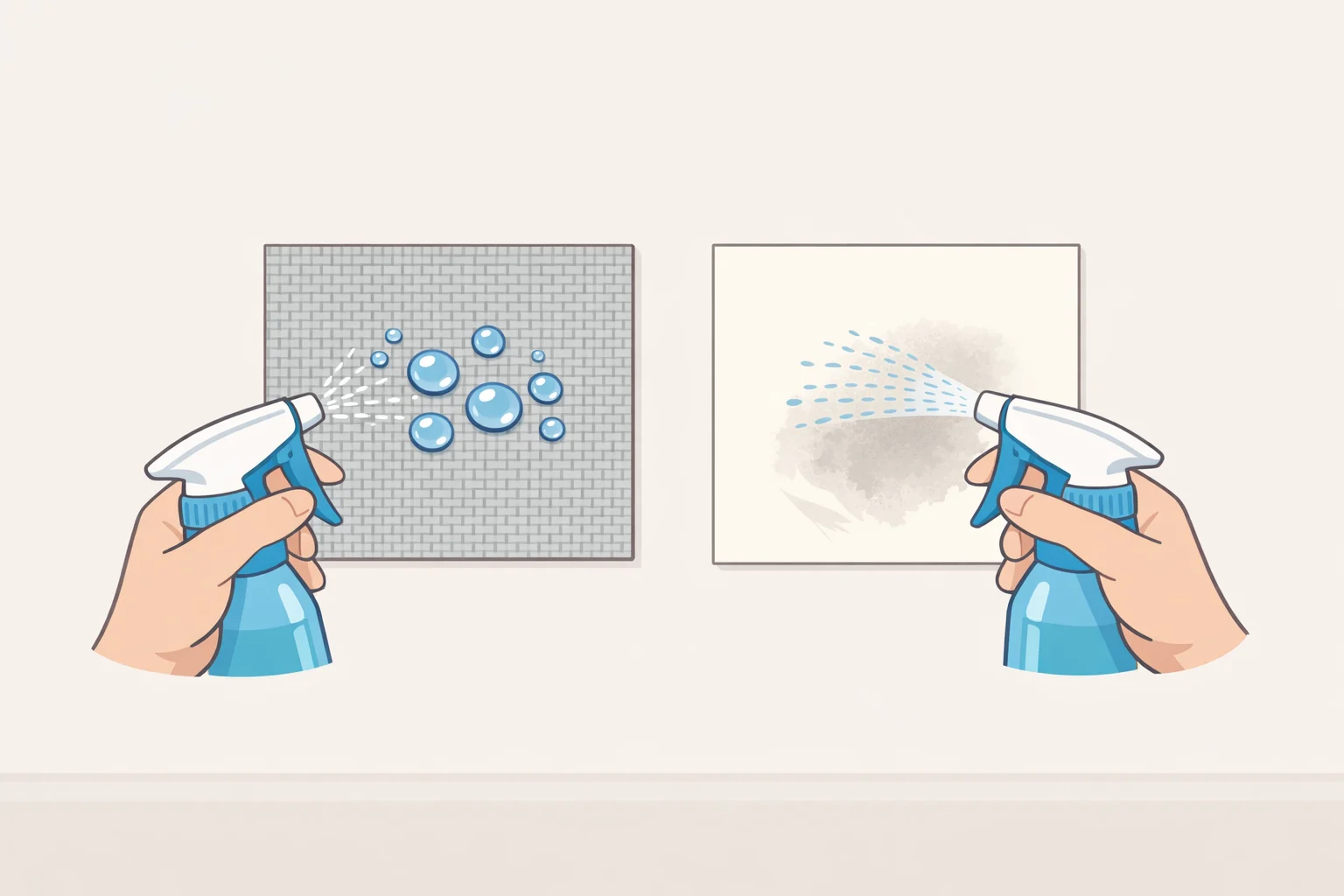
This takes less than five minutes.
Identify your material first. Spray the bag with water. If water beads and rolls off, it's woven polypropylene, the stiff, slightly slippery material in most grocery-store bags and feed sacks. If the surface darkens and softens, it's paper, which rules out any structural reuse project. Paper sacks have a tensile strength under 5 MPa and split along stitch lines within 10 to 15 load cycles; woven polypropylene runs 40 to 50 MPa (Luggage Inspector). Cotton, nylon, and polyester are identifiable by feel and any surviving care labels.
Then check condition and food safety. Any bag that carried food, produce, meat, or animal feed needs cleaning before it goes into a new use. Residual material inside a bag mixes with moisture and produces a mildew smell within about a month if the interior isn't scrubbed (Luggage Inspector). Wipe the interior with a 1:1 white vinegar and water solution, then dry fully, approximately two hours in direct sun. Don't cut into a bag that isn't completely dry: warm, damp conditions promote bacterial and mold growth, including in a car trunk in summer (UNH Extension).
Once clean, sort using this decision table, then move directly to the matching project group:
| Group | What it is | Food-safe after cleaning? | Go to |
|---|---|---|---|
| A: Structural polypropylene | Sound woven PP, intact seams | Yes, if cleaned and designated | Projects 1–3 |
| B: Standard sewing | Clean cotton, nylon, or lightly worn PP | Yes | Projects 4–6 |
| C: No-sew redirect | Stained, structurally weakened, or beyond repair | No | Project 7 |
One hard rule: designate every bag for a single category of use and keep it there. Assigning bags permanently to meat, produce, clothing, or cleaners and washing between uses is one of the two most effective ways to prevent contamination (UNH Extension). Label each bag with a permanent marker before it goes into service.
If a bag is torn beyond structural repair and doesn't suit a permanent outdoor redirect, it has reached the end of its useful life. Replace it.
Step 2: DIY projects for reusable shopping bags, matched to what you sorted
Group A: Polypropylene rebuilds
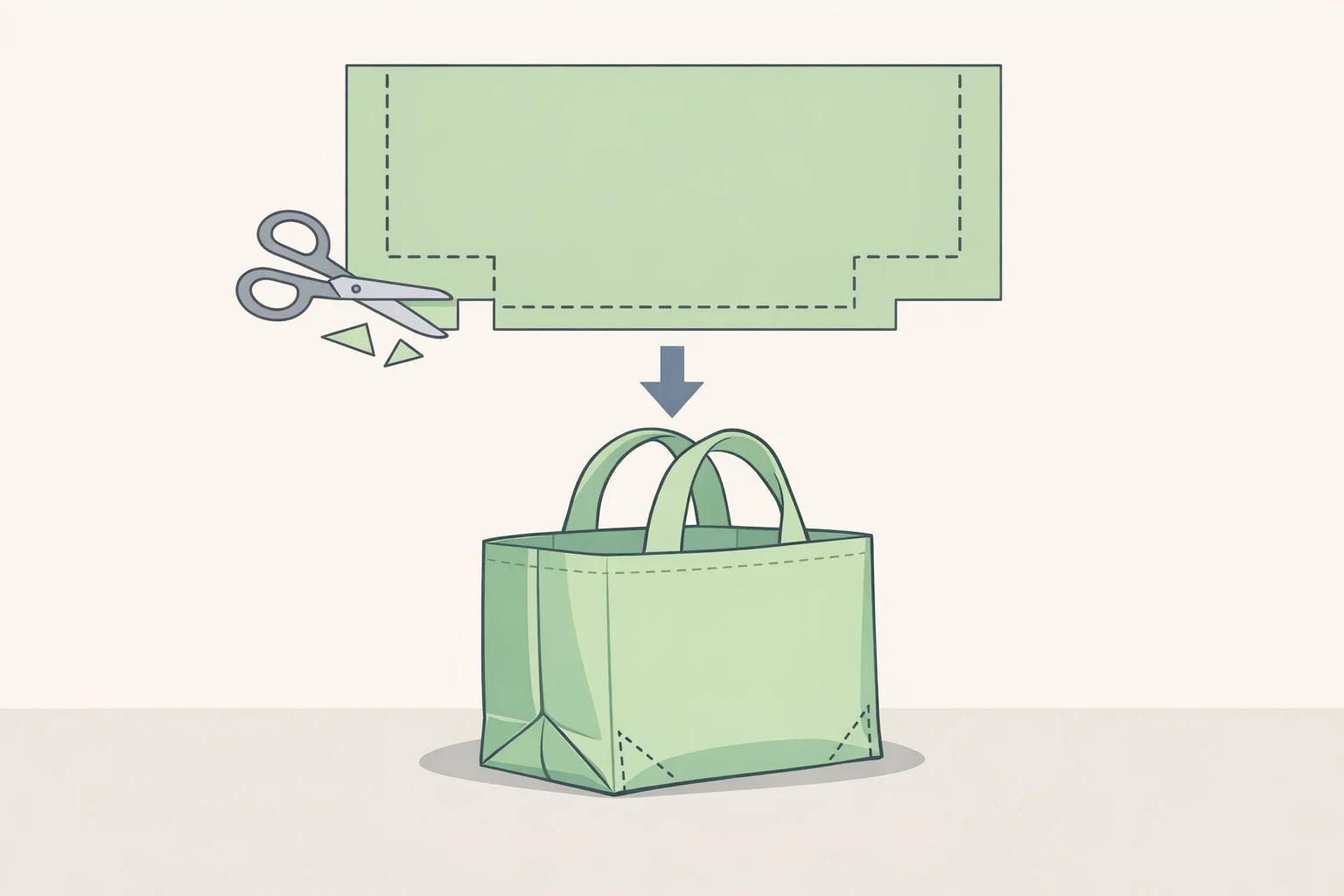
Read the sewing rules section before cutting or stitching any of these. Wrong technique on polypropylene fails fast, often within weeks. Right technique produces a bag that lasts years.
Project 1: Rebuilt grocery or market tote Food-safe: yes, if designated | Sewing: heavy-duty machine required | Effort: moderate
This is the primary rebuild for a structurally sound polypropylene bag. Cut a right-angle notch from each bottom corner: 2.5 inches for a standard grocery tote, 4 inches for a wider base better suited to bulky vegetables or market hauls. Stitch across each cut triangle to create a flat-bottomed bag that distributes load across the base rather than stressing a single seam point (Luggage Inspector). Double-stitch all side and bottom seams. Attach straps using the rectangle-and-X reinforcement pattern detailed in the sewing rules section. If a bag is designated for food use, keep it in food use.
Project 2: Heavy-carry tool or garage bag Food-safe: no (permanent non-food designation) | Sewing: heavy-duty machine, nylon webbing | Effort: moderate
A polypropylene bag stained or contaminated beyond food-safe cleaning has a natural second life as a tool carrier or garage utility bag. Replace self-fabric straps with 1-inch wide nylon webbing cut to 24–28 inches, more durable under irregular loads and more comfortable on the shoulder than folded polypropylene (Luggage Inspector). Use triple-stitched seams throughout; anything carrying tools or hardware sees unpredictable peak loads, and single stitching will fail under them (Luggage Inspector). Label clearly as non-food. A bag that moves from grocery use to utility use, built correctly at each stage, is the reuse logic working exactly as intended.
Project 3: Strap replacement on a bag with a sound body Food-safe: depends on body condition | Sewing: heavy-duty machine | Effort: low-moderate
Don't rebuild an entire bag when only the straps have failed. Cut the worn straps cleanly at the seam line. Attach new 1-inch nylon webbing using the rectangle-and-X reinforcement pattern: position each strap end 6 inches from the side seam, insert it between the hem layers, and stitch the reinforced rectangle with an X across it. A single straight stitch at this attachment point pulls out after roughly 20 heavy loads; the distributed pattern holds substantially longer (Luggage Inspector). Fastest repair in Group A, and often the most practical use of a good polypropylene body.
Group B: Standard sewing projects
Standard machine or hand stitching is sufficient. No heavy-duty equipment required.
Project 4: Structured market tote with pockets from a limp cotton bag Food-safe: yes | Sewing: standard machine | Effort: moderate
A cotton tote gone limp after repeated washing accepts fusible interfacing well, which restores structure without replacing material. A Better Homes & Gardens sewing pattern (BHG) shows how to add an oversized interior pocket, a divided exterior pocket, and an exterior flower strap that holds a bouquet upright and prevents water from dripping into the main compartment. Finished dimensions: 11×11 inches at the base, 13 inches tall. Quarter-inch seam allowances throughout. Afternoon project on a basic machine. Wash in hot water with detergent once finished and designate permanently for market or food use.
One clarification worth stating plainly: cotton only starts to make environmental sense when it's used a lot. A peer-reviewed lifecycle study found that cotton bags carry the highest impacts for water consumption, land use, and toxicity due to agrochemical-intensive cultivation (MDPI). The same study modeled cotton bags as competitive with other materials partly because they were assumed to be used 416 times. Extending an existing cotton bag into a more functional form works with that logic. Buying new cotton fabric to make this project largely works against it.
Project 5: Drawstring produce bag from a cotton bag with failed handles Food-safe: yes | Sewing: hand stitch or basic machine | Effort: low
Cut cleanly above the failed handle attachment points. Fold the top edge down twice to create a casing approximately 1 inch wide and stitch it closed on each side, leaving a 1-inch gap at each end. Thread cord or ribbon through the casing as a drawstring closure. The result is a lightweight produce or bulk-goods bag suited for farmers markets or pantry storage. Hand stitching the casing is sufficient. Wash before first use and designate for food-adjacent use only.
Project 6: Designated gym or laundry bag from a nylon bag with a blown seam Food-safe: no (permanent non-food designation) | Sewing: standard machine or hand stitch | Effort: low-moderate
Nylon and polyester resist moisture and mildew better than cotton, making them well suited for gym clothes, laundry sorting, or wet gear. Resew the failed seam first. If the bag has a simple open top, add a drawstring casing along the interior top edge or insert a zipper. Hand-wash the finished bag in warm water with the bag turned inside out, then line dry (UNH Extension). Label permanently as non-food.
Group C: No-sew permanent redirects
For bags that are stained, structurally weakened, or unsuitable for food use regardless of cleaning.
Project 7: Outdoor utility container Food-safe: no | Sewing: none | Effort: minimal
Polypropylene's water-beading surface and tensile strength give it a working life that extends well past grocery use. Stand the bag upright, fill with soil or gravel, and use it as a planter or outdoor storage container. Replace when the material begins to degrade visibly. No construction required, and the bag stays out of the waste stream while it still holds its shape.
Step 3: Sewing rules for polypropylene
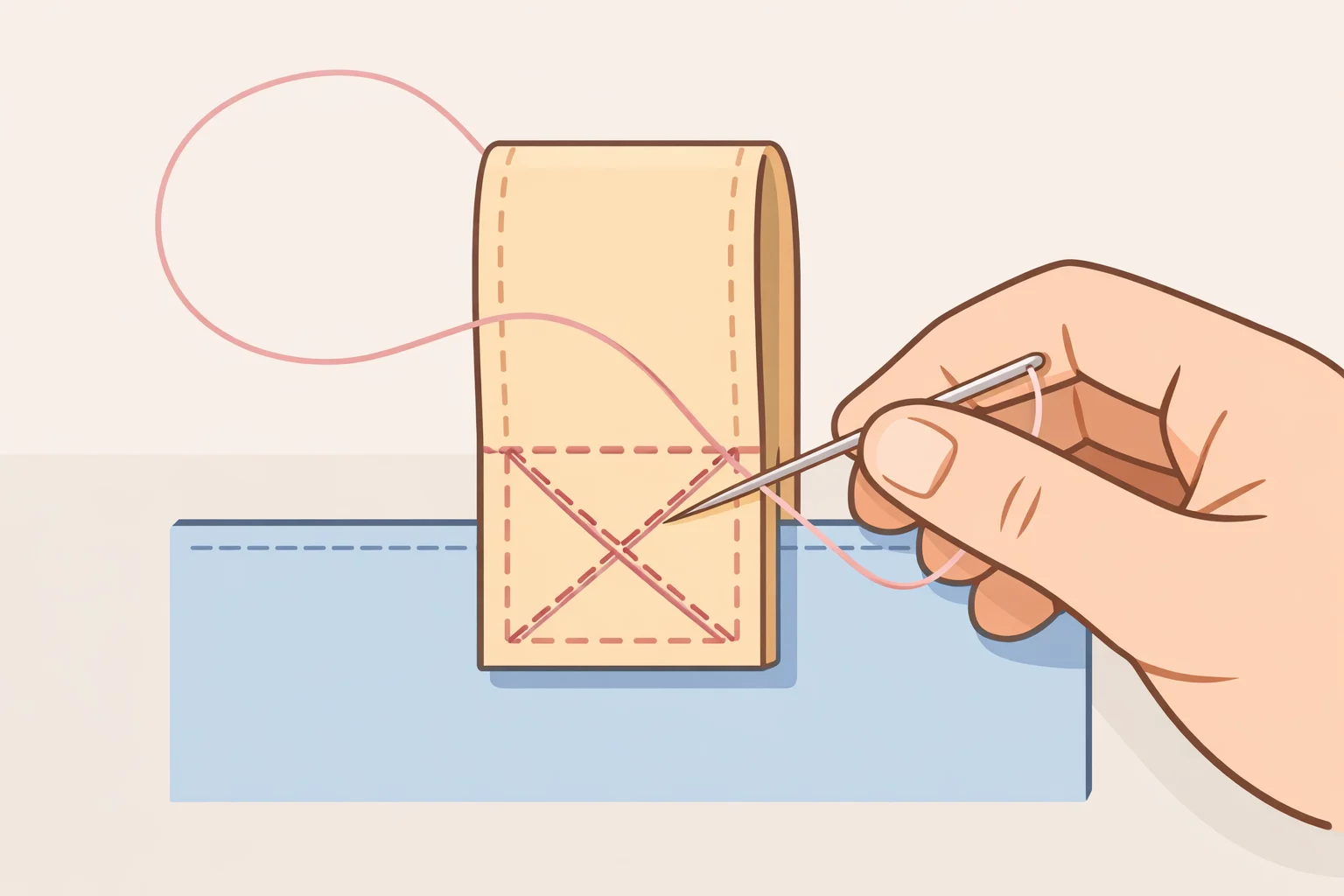
These rules apply to all Group A projects. Each one prevents a specific, documented failure mode.
Use clips, not pins. Pins punch through polypropylene's woven structure and create holes that expand under repeated stress into splits (Luggage Inspector). Use binder clips or sewing clips throughout.
Set stitch length to 3.5–4 mm. A tight 2 mm stitch functions as a perforation line; the material tears along it under load rather than holding at the seam (Luggage Inspector). Wider stitches distribute force across more surface area.
Double-stitch every structural seam. Side and bottom seams are the first failure points. Run the machine over each seam a second time in a parallel line. Single-stitched bottom seams on bags carrying more than 10 pounds show visible thread stretching and material whitening after roughly 30 uses (Luggage Inspector). Triple-stitch anything carrying tools.
Reinforce strap attachments with a rectangle-and-X pattern. Stitch a rectangle approximately 2 inches long over each strap end, then stitch an X inside it. This converts a concentrated point load into a distributed one. Without it, the strap tears out from the hem, often pulling the hem material with it (Luggage Inspector).
Use a barrier when ironing. Place a towel between the iron and any polypropylene material. Direct iron contact at standard settings can damage or melt the weave (Luggage Inspector).
Check your machine before starting. Lightweight machines may stall or skip stitches on thick polypropylene. Sew in shorter passes rather than forcing speed. Use size 100/110 denim or leather needles and strong polyester thread, Gutermann Mara 100 or equivalent, throughout (Luggage Inspector).
What good reuse actually looks like
A properly built polypropylene tote, double-stitched seams, reinforced strap attachments, correct needle and thread, reliably outlasts a single-stitched one by years. The latter shows visible seam degradation within weeks of regular heavy use (Luggage Inspector). Technique is what separates a durable second life from a project that fails in a month and goes straight to the bin.
Reuse frequency, recycled content, and energy mix are the variables that determine whether a bag's environmental math adds up, not material type alone, according to a lifecycle analysis published earlier this year (Zenodo LCA). A bag that moves from grocery tote to tool carrier, correctly built at each stage, has delivered the kind of use the data rewards.
When a bag finally reaches the end of its functional life, don't sentimentalize it. If it's still clean and structurally sound, assign it a harder second job. If it isn't, replace it and start the cycle again with something built to last.