Best Meat for Stew: A Butcher's Guide to Chuck, Brisket, Shank, and Ribs
Ask a butcher what makes the best meat for stew, and the answer rarely starts with price. It starts with connective tissue, the tough webbing of collagen running through cheaper, harder-working cuts of beef. G. J. Honour Family Butcher puts it simply: beef shin "turns rich and tender when given time" precisely because of its marbling and connective tissue, not despite a lack of it.
That distinction matters more than shoppers usually assume. A lean, pricey cut can sit in a pot for hours and still come out tough and dry, while a cheap, sinewy one turns silky given enough time on the stove. This guide covers four cuts worth knowing at a butcher counter or supermarket meat case, chuck, brisket, beef shank, and short ribs, what each one is built for, and how to tell when the pot has actually done its job.
Why connective tissue matters more than price or fat
Video of the Day
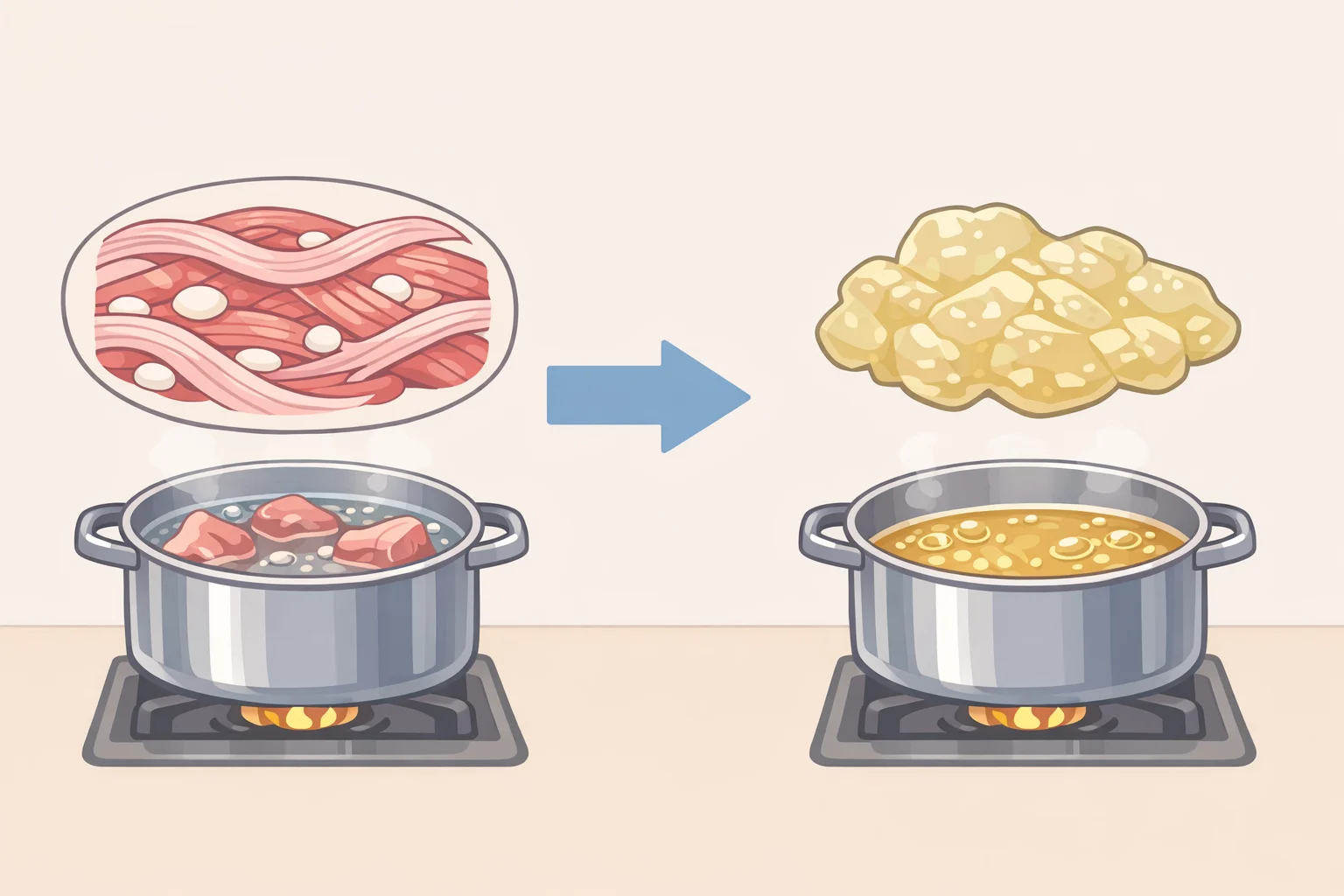
Butchers keep coming back to the same mechanism, just with different cuts as the example. G. J. Honour Family Butcher says beef shin's marbling and connective tissue are what turn it rich and tender over a long cook, delivering what the shop calls "a super rich, meaty flavour." Yorkshire Dales Meat Company makes the same case for chuck, noting that its blend of connective tissue and marbling is what turns it "buttery soft" during a slow cook.
Fat alone doesn't explain that transformation. Marbling adds flavor, but the collagen threading through cheaper, tougher cuts like shin and chuck is what breaks down into gelatin over hours in the pot, and gelatin, not fat, is what makes stewed meat feel rich instead of stringy. That's the single trait worth checking before anything else lands in the cart.
The same logic holds well beyond beef. G. J. Honour Family Butcher points to lamb shank's collagen turning "silky" with long, gentle cooking, and to pork shoulder staying juicy for hours "especially when left on the bone." It's not a beef quirk, it's how connective tissue behaves under sustained, gentle heat, whatever animal it comes from.
Video of the Day
Best cuts of beef for stew, compared
Four cuts show up again and again in butcher guidance: chuck, brisket, beef shank, and short ribs. They aren't interchangeable, and not every source ranks them the same way.
Chuck: the everyday stew cut
Chuck is the standard pick for good reason. Yorkshire Dales Meat Company lists it as ideal for "stews, beef casseroles, shredded beef," and credits its rich connective tissue and marbling for turning "buttery soft" during a long, slow cook.
It's also a forgiving cut to cube at home, which makes it the practical default on a weeknight, when a reliable, meaty result matters more than chasing the richest possible broth.
Brisket: bold, but built for pot roast first
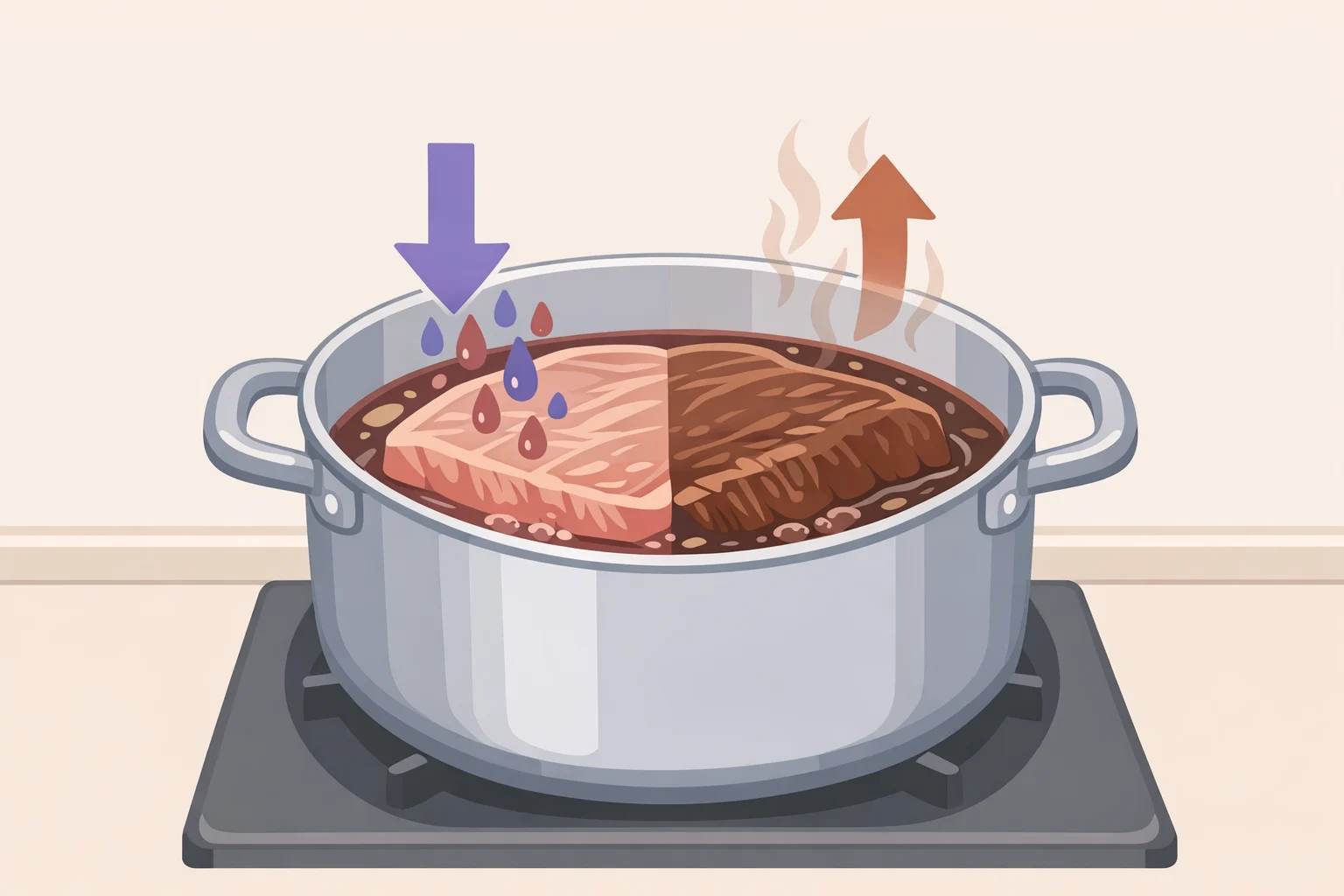
Brisket earns its place on this list with a caveat. Yorkshire Dales Meat Company notes that it "transforms with time and pairs beautifully with red wine or BBQ flavours," but lists its ideal use as pot roast and pulled beef rather than classic stew.
Treat it less as a straight swap for chuck and more as an option when the dish is chasing a bolder, wine-forward or barbecue-leaning result, one where the flavor of the cut carries more of the dish than a neutral cube of stew meat would.
Beef shank: the richest payoff
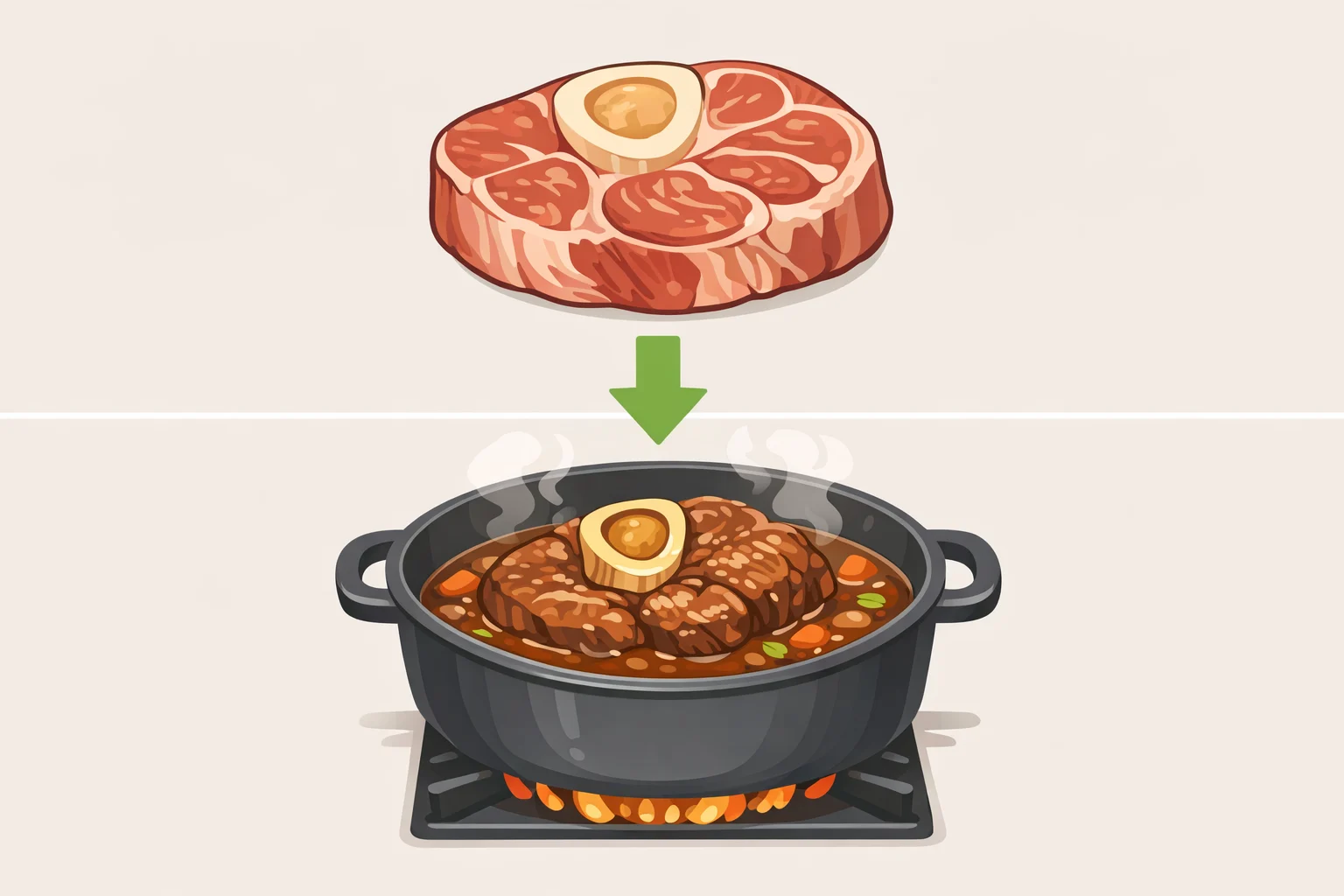
If maximum collagen is the goal, beef shank, called beef shin in the UK, is the cut butchers point to directly. Yorkshire Dales Meat Company lists it as ideal for "hearty stews, osso buco," and describes how slow cooking breaks it down into "rich, sticky meat."
G. J. Honour Family Butcher goes further, calling shin an often-overlooked cut that delivers a "super rich, meaty flavour," well suited to "iconic winter stews" like beef bourguignon, carbonnade, and Irish stew. Among the cuts covered here, shank is the one two separate butcher sources single out by name for stew, rather than for pot roast or braising in general.
Beef short ribs: a braise you can add to stew
Short ribs sit slightly outside the classic stew category, worth knowing but not a straight substitute for shank or chuck. G. J. Honour Family Butcher describes them as "bold, beefy, and well-marbled," becoming "wonderfully tender with slow cooking," with the bone adding flavor when braised in wine, beer, or a strong stock.
Neither butcher source treats short ribs as dedicated stew meat the way they do chuck, brisket, or shank. They're better understood as a bone-in cut in their own right, one that can enrich a stew rather than define it, and a natural pick for anyone weighing the best meat cuts for braising over the classic cubed format.
Best beef for slow cooker stew: cook times worth knowing
Exact timing depends on pot size, heat level, and how large the pieces are cut, so treat any number here as a starting range rather than a rule. Yorkshire Dales Meat Company gives a broad benchmark for collagen-rich cuts generally: roughly 6 to 8 hours on low in a slow cooker, or 3 to 4 hours in the oven.
That range applies across chuck, brisket, shank, and short ribs, but not evenly. Shank and short ribs carry more connective tissue than chuck or brisket, so they tend to need the longer end of that window before the collagen fully lets go.
| Cut | Format | Bone-in | Best for |
|---|---|---|---|
| Chuck | Cubed | No | Everyday, meaty stew |
| Brisket | Cubed | No | Bold, wine- or BBQ-leaning dishes |
| Shank | Bone-in | Yes | Richest, most gelatinous stew |
| Short ribs | Bone-in (or boneless) | Yes/optional | Bone-in depth added to stew |
How to cook any of these cuts right
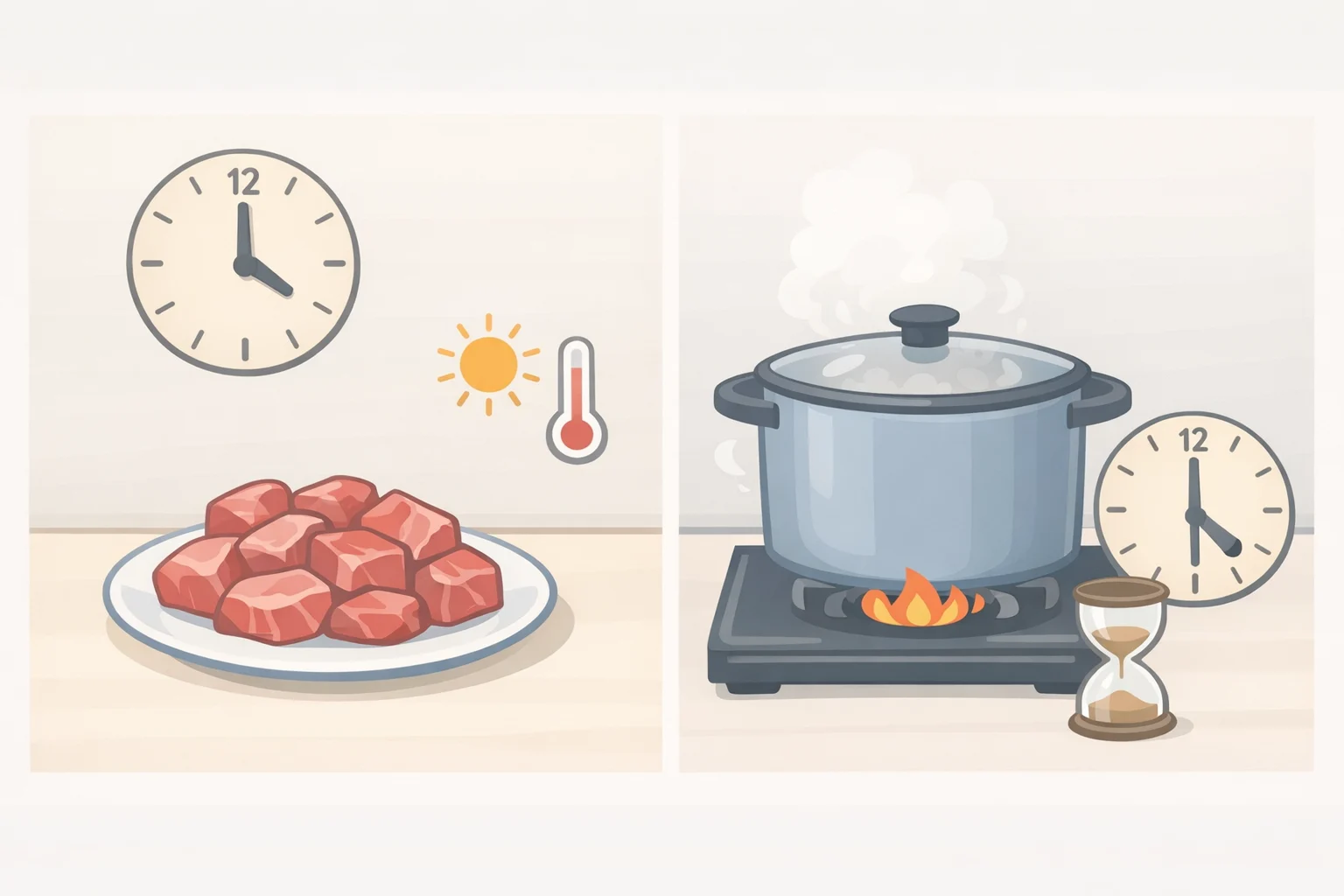
A handful of habits apply no matter which cut ends up in the pot. G. J. Honour Family Butcher recommends pulling the meat out of the fridge about 30 minutes before cooking so it comes closer to room temperature, then seasoning it generously with coarse salt and pepper before it goes anywhere near heat.
Browning in batches helps too, even though it's a step that's easy to skip. Crowd the pan and the meat steams instead of sears, which means the braise never gets back a layer of flavor it should have started with. Keep pieces roughly the same size within a batch, whether that's cubed chuck or shredded shank, so everything finishes tenderizing together instead of half the pot turning to mush while the rest lags behind.
A hard boil also works against the meat rather than for it. Gentle, steady heat gives collagen time to convert into gelatin without toughening the muscle fibers first, which is why a light simmer or a slow cooker on low beats cranking up the heat to save time.
If a slow cooker is doing the work, add the liquid hot rather than boiling or cold. G. J. Honour Family Butcher notes that keeps cook time and flavor consistent, instead of shocking the pot and dragging out the process.
Buying butcher-recommended stew meat at the counter
When a package of store-bought meat for stew just says "stew meat" with no named cut, ask what's actually in it. A named cut, chuck, brisket, shank, or shin, says far more about how the dish will turn out than a generic label ever will.
Bone-in cuts change the math at checkout, too. Because part of that weight is bone, buying shank or short ribs means starting with more raw weight than a boneless recipe calls for, in order to land on the same amount of usable meat once it's off the bone.
Fork-tender is the texture to watch for, whichever cut ends up in the pot. Meat that's ready yields to a fork with almost no resistance; meat that's merely cooked through still feels firm and resists being pulled apart. That distinction, more than a clock on the wall, should decide when the pot comes off the heat.
The decision, in short
Chuck is the reliable, everyday choice: quick to prep, meaty, and hard to get wrong. Beef shank rewards patience with the richest, most gelatinous result, the cut two separate butcher sources single out by name for stew specifically. Brisket makes more sense when the dish leans toward red wine or barbecue flavors rather than a neutral stew base, and short ribs are worth choosing when a bone-in braise, shredded into the pot, sounds better than a tray of cubes.
None of that requires memorizing a chart at the store. It just means checking what a cut carries in the way of connective tissue before checking what it costs, since that's the trait actually doing the work once the lid goes on.