How to Use the One In, One Out Organizing Method at Home
This guide is for one specific situation: you've already done a declutter, and you want to make sure it sticks. Not a small problem. Getting organized is the easy part. The hard part is that clutter comes back the same way it arrived, gradually, one impulse buy at a time, until a cleared-out space feels overwhelmed again.
Several professional organizers recommend the one in, one out organizing method as a practical maintenance habit for exactly this problem. Every time a new item enters the home, one existing item leaves. Simple by design. Its power is that it interrupts accumulation at the exact moment it happens, the point of acquisition, rather than waiting for a crisis-level cleanout.
Lauren Saltman, a professional organizer and owner of Living. Simplified., describes the dynamic the method is built to prevent: without a system in place, possessions quietly build up, one purchase here, one impulse buy there, until a space that felt organized no longer does, as Good Housekeeping reports. The rule is designed to interrupt that drift early.
One clarification before getting into the steps: this method is not a substitute for an initial declutter. Saltman is direct. The one in, one out rule "is not meant to do the heavy lifting. It's what helps you maintain all the hard work you've already done," Good Housekeeping reports her saying. If a space is already overwhelmed, work through a clear-out first. This guide picks up where that effort ends.
What the one in, one out rule actually does, and what it doesn't
Video of the Day
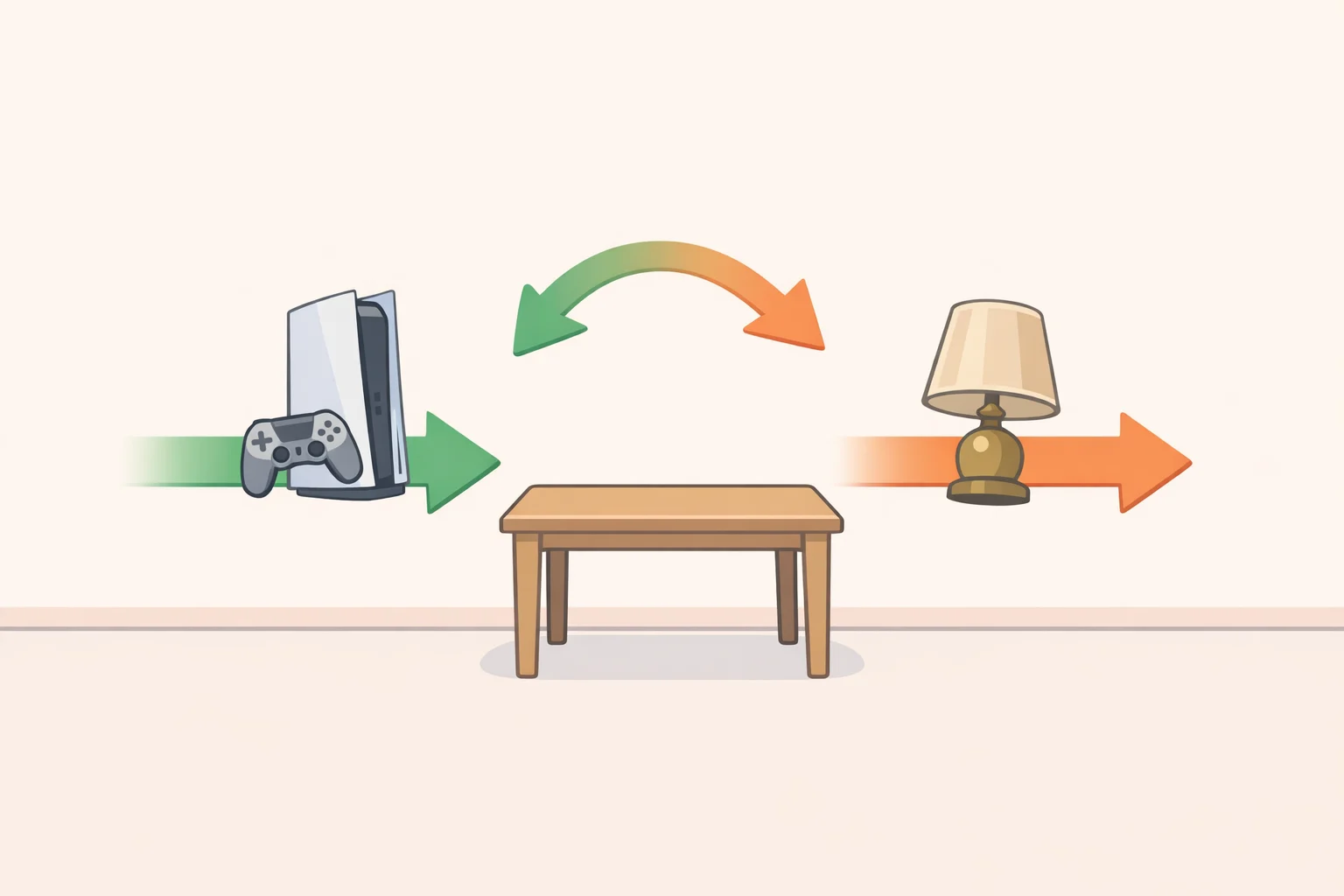
The one in, one out principle is not primarily about restriction or minimalism. Saltman frames the goal as maintaining a home that feels "calm, functional, and aligned with your current lifestyle," not as an exercise in self-denial, per Good Housekeeping. You can buy things. The rule is meant to keep volume from creeping up.
It's also not a storage solution. Organizer Shira Gill, who has worked with clients for over 15 years, puts it plainly: "The Container Store is not a magic bullet, and organized clutter is still clutter." The fix is reducing overall volume, not finding better places to put things. Her provocation: why buy a water bottle organizer when the simpler answer is owning fewer water bottles, as Consumers' Checkbook reports.
That distinction points to what the rule actually is: a behavior change at the moment of acquisition. The pause before buying, and the decision about what leaves, is where the work happens.
Video of the Day
How to use the one in, one out rule in practice
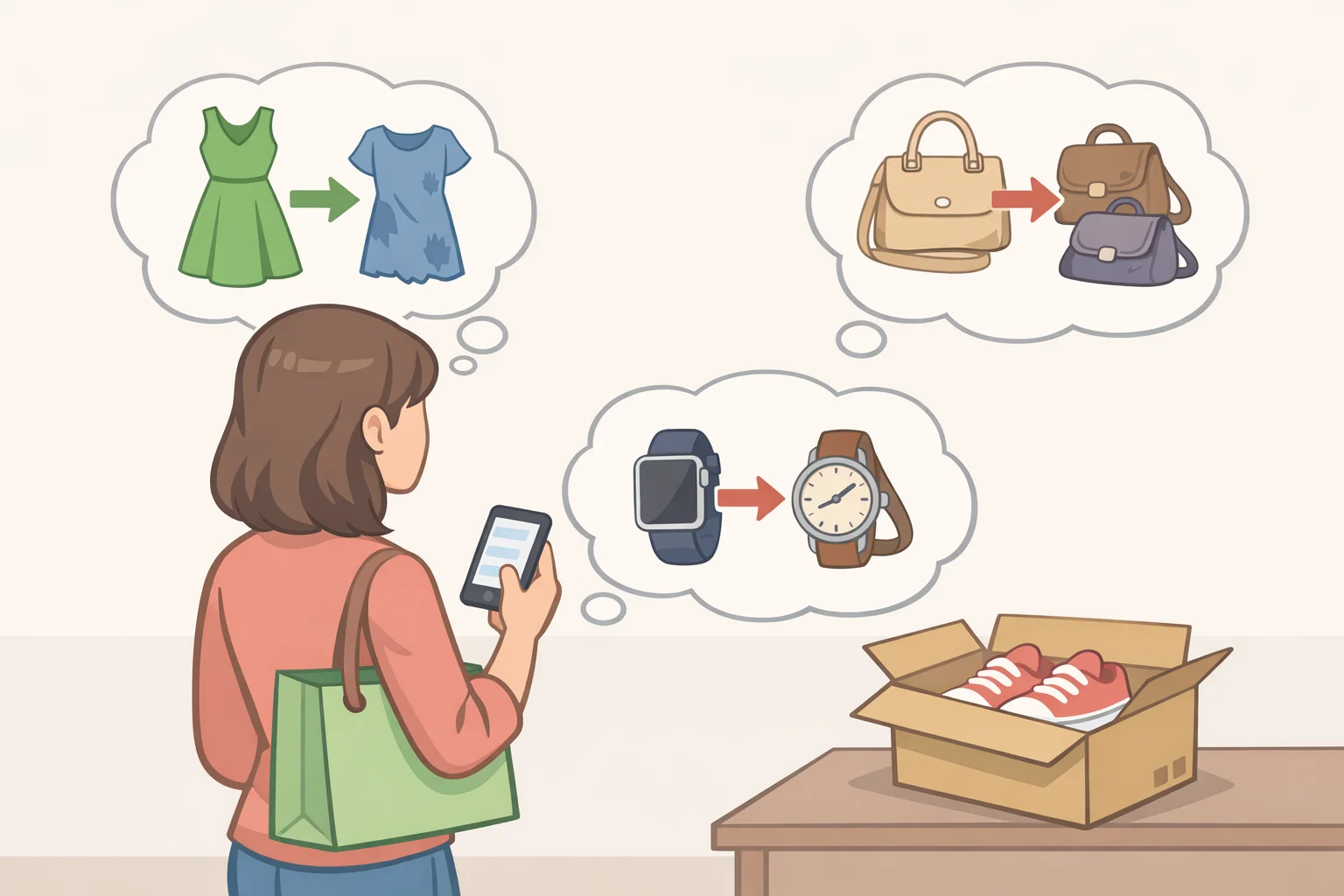
Professional organizer Liora Seltzer of What U Keep frames the approach in three sequential moves: declutter the space first, apply the rule mindfully to what comes in, and set up a functional system for what goes out, as Good Housekeeping reports. Here's how each works.
Step 1: Pause before you buy, and name what leaves.
The most efficient application happens at the point of purchase. Ebony Deloatch, founder of Humble Enhancement, recommends stopping the moment you pick something up and asking three questions: What will this replace? Will you need to rearrange your home to accommodate it? Will it change your cleaning or maintenance routine? per Good Housekeeping. The goal is to identify the outgoing item before you get home, not after.
Sometimes the replacement is obvious: new sneakers in, worn-out pair out. When it's not a direct match, the category can flex. Deloatch notes that an incoming item doesn't have to replace something identical; you can look across a category for an equivalent exit, a piece of home decor for a piece of home decor, a kitchen item for a kitchen item, Good Housekeeping reports. Saltman gives a closet example: buying a new blouse doesn't require finding its exact twin to remove. Any piece that no longer fits well, no longer gets worn, or no longer feels right can leave to make space, per Good Housekeeping.
The habit builds with repetition. Saltman calls it "a small moment of intention" that, practiced consistently, becomes more automatic over time.
Step 2: Anchor the rule to a physical container, not an abstract count.
The most sustainable version of this system uses available space as the limit. Organizer Amelie Saint Jacques of Amelie Organizes keeps her book collection exactly as large as her bookcase. When a new book comes in, one leaves. She organizes by theme, which makes it easy to spot which section can afford to lose a title and ensures every book has genuinely earned its place, per Good Housekeeping.
The same logic applies anywhere accumulation is a problem. A kitchen cabinet that holds eight mugs is full at eight; the ninth triggers a departure. A toy bin, a bathroom drawer, a shelf of office supplies: the container defines the limit. This approach sidesteps the trap Gill identifies, buying more storage to accommodate more stuff rather than simply reducing what you own, as Consumers' Checkbook reports.
Step 3: Build a low-friction exit path for outgoing items.
The swap only works if the departing item actually leaves the home. For most people, the friction isn't deciding what to remove. It's following through. Saltman's practical fix: keep a bin or basket in the closet for clothes that don't fit or no longer feel right. When it's full, it goes to donation. No separate decluttering session required, per Good Housekeeping.
The common failure point is setting the outgoing item on a surface "to deal with later." That breaks the system. The departing item needs a designated holding spot, a donation bag by the door, a box in the car, somewhere with a clear exit path already built in. For consumables like toiletries or pantry items, "one out" often means using something up before buying more rather than a literal discard. Don't open a fourth bottle of shampoo while three remain unfinished. The principle holds either way.
Where to start, and where the rule gets complicated
Saint Jacques applies the one item in, one item out decluttering method across clothing, shoes, makeup, toiletries, pantry items, office supplies, home decor, and toys, as Good Housekeeping reports. The rule is strongest in categories where items are durable, clearly countable, and accumulate without notice. Start there.
Gill and Star Hansen, a professional organizer featured across more than 30 television projects, both point to the same starting move: go small. A single drawer, a bathroom cabinet, a bag. Not the garage, per NPR and Consumers' Checkbook. Small wins build the habit. The garage can wait.
For harder cases, use the underlying question rather than the literal rule.
Sentimental items, seasonal gear, hobby equipment, and gifts don't always fit a clean one-for-one swap. Forcing the rule rigidly in these categories adds stress without much benefit. Use what the rule is really asking instead: has this item earned its place? Three ways to apply it:
- Direct swap: Same category, same function, the literal one-for-one. Works well for clothing, shoes, mugs, books.
- Container limit: The space defines the maximum. Works well for collections, kitchen tools, toys, and anything with a natural home.
- The earned-place test: For items that don't fit either model, gifts, sentimental objects, seasonal equipment, the question is whether the item is worth the space it occupies. That's Gill's framing applied to the edges, per Consumers' Checkbook.
For children's belongings specifically, Saint Jacques notes the method works well: kids maintain tidier rooms when they have enough space for their things, and the rule teaches them to be deliberate about what stays, per Good Housekeeping. Online shopping and gift-giving create inflow that doesn't always come with a natural swap in mind. That's when the container-limit approach is most useful, because the physical space answers the question before the item even arrives.
Design the system for your worst days, not your best.
Hansen's most useful observation is about system design under real conditions: "Make a system that works for you even when you've got to work, when you've got a cold," as NPR reports. That's the right test for any exit system. If it requires motivation, planning, or a free afternoon, it will eventually fail. A basket in the closet that becomes a donation bag when full passes the test. A mental note to sort things later does not.
Gill connects this to a straightforward point: fewer possessions to manage means less daily mental overhead to maintain order, per Consumers' Checkbook. Fewer decisions required, longer the system lasts. That's the whole logic of this approach: small, continuous corrections that prevent the conditions requiring a major reset.
The one mistake most likely to break this system
Setting up the rule is the easy part. What breaks it, consistently, is skipping the exit step. An item gets flagged to leave, placed somewhere temporary, and never actually goes. Do that a few times and the system collapses back into managed accumulation.
The fix is mechanical, not motivational. Pick one specific spot for outgoing items and make it the only spot. When it fills, the donation run happens. Not when you feel like it, not when the bag gets in the way, when it's full. That's the whole system. A periodic pass through one or two high-accumulation categories, seasonal items, kids' belongings, hobby gear, catches what daily maintenance can miss. Think of it as a check rather than a reset.
The decluttering rule for a clutter-free home isn't really about discipline. It's about removing the decisions. Once the container limit is set and the exit path exists, the system runs on structure rather than willpower. That's why it holds.