Healthy Food Hacks to Add More Nutrients to Meals: 4 Comfort-Food Upgrades
These healthy food hacks to add more nutrients to meals target four things you probably already eat: scrambled eggs, grilled cheese, a yogurt-based dessert, and a blended drink. No new diet. No specialty shopping. By the end of this guide, you'll know how to apply one repeatable system to each of them using ingredients you likely already keep on hand.
Each upgrade follows the same three-part pattern: add a meaningful protein source, add fiber from produce or whole foods, and include a healthy fat. That combination slows digestion, moderates blood sugar response, and extends how long you stay full.
The pattern comes directly from clinical nutrition guidance. Protein digests more slowly than carbohydrates, which helps stabilize blood sugar release after eating, according to University Hospitals. Dietary fiber supports digestion, helps manage blood sugar, and can lower LDL cholesterol, as Harvard Health explains. Healthy fats nut butters, seeds, olive oil among them break down slowly and help round out fullness, per University Hospitals. Hit all three in the same meal and you've made it slower-digesting and more filling, not just nutritionally richer on paper.
Registered dietitian Joy Bauer frames the practical goal simply: make comfort foods "even better by packing in more nutrition and increasing the volume," as she put it for TODAY in late 2024. The first three recipe upgrades below come directly from her approach. The fourth extends the same system to drinks, where the protein-fiber-fat framework is easiest to skip and most costly when you do.
Before you start: These upgrades share a short list of staples low-fat cottage cheese, plain Greek yogurt, canned pumpkin purée, frozen spinach, and nut butter or seeds. The dairy items need refrigeration; the rest are shelf-stable. A note on effort: the eggs and yogurt pudding add no meaningful time to your routine. The grilled cheese requires 25 minutes of hands-off roasting, which can be done in batches. Start with whichever meal you eat most consistently.
Upgrade 1 Cottage cheese scrambled eggs: add a protein anchor to breakfast
Video of the Day
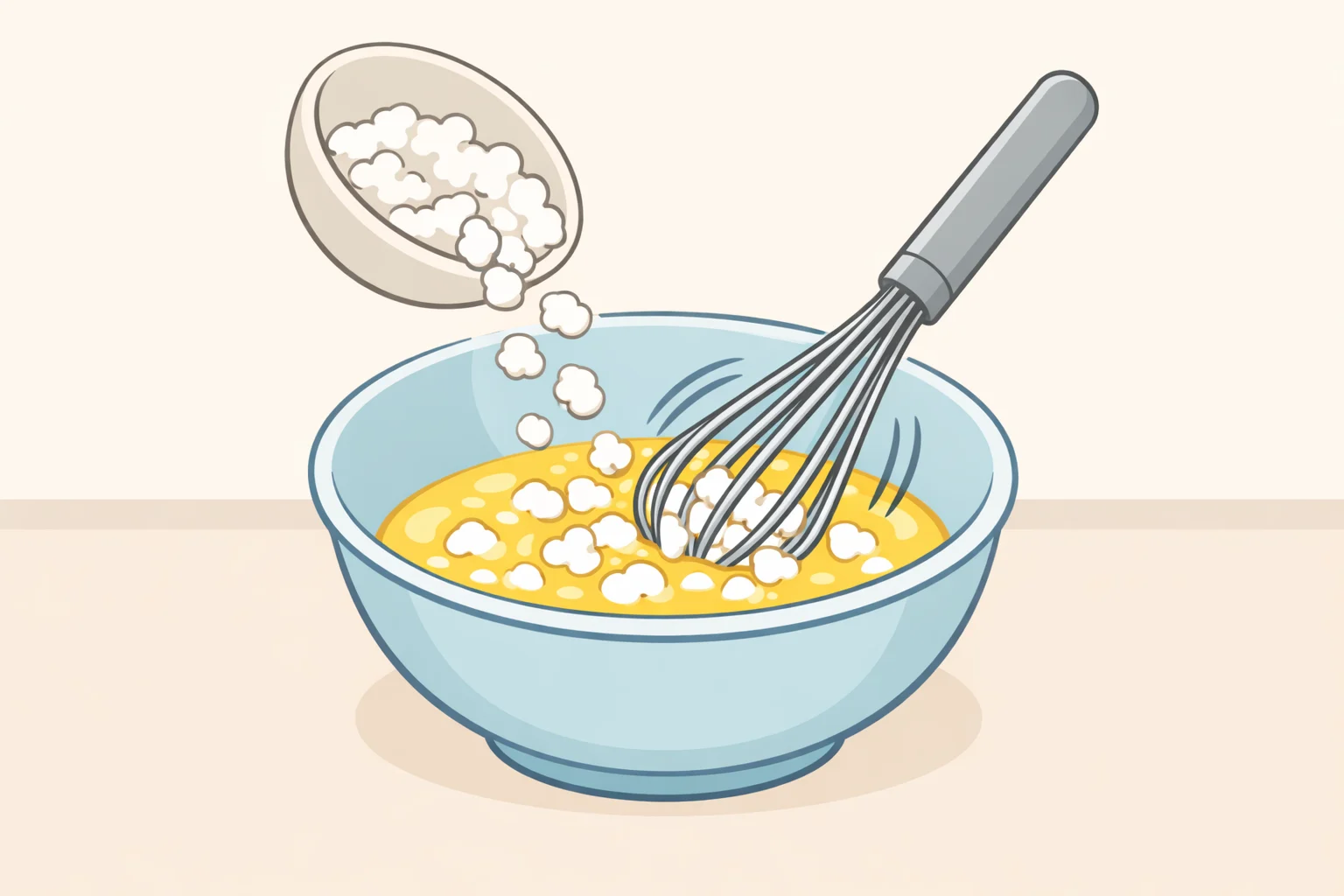
The baseline problem with most breakfasts isn't calories it's low protein. Without it, the meal functions like a snack with heat.
Mixing cottage cheese into beaten eggs before cooking produces a serving with more than 20 grams of protein, according to Bauer. The cottage cheese melts in during cooking no curd texture, just noticeably creamier eggs. Low-fat cottage cheese contributes roughly 80 calories per half-cup alongside that protein boost, and dairy in general delivers calcium, vitamin D, and potassium beyond protein alone, as Harvard Health notes.
Do this:
- Beat two or three eggs and whisk in two to three tablespoons of low-fat cottage cheese. Coat the pan with olive oil before the eggs go in medium-low heat, lower than you think necessary. The oil handles the fat component; adding more at the end isn't necessary.
- Add vegetables before the eggs fully set. Spinach, mushrooms, and bell peppers all work Bauer recommends these three specifically. Leafy greens like spinach wilt fast enough to go in raw; denser vegetables like mushrooms benefit from a quick sauté first or they'll weep liquid into the eggs. Most leafy greens contribute fiber and phytochemicals for minimal added calories, per Harvard Health.
- Pull the eggs off the heat while they still look slightly underdone. Residual heat finishes them.
Expected result: Fluffier, slightly softer eggs than usual. If they're watery, the cottage cheese ratio is probably too high or the vegetables went in wet. Keep it to two to three tablespoons of cottage cheese per two eggs until you've made the dish a few times.
Take this further: The same protein-anchor move works with ricotta stirred into pasta sauce, Greek yogurt folded into mashed potatoes, or white beans puréed into soup.
Video of the Day
Upgrade 2 Stuffed grilled cheese: add produce and whole grains for volume
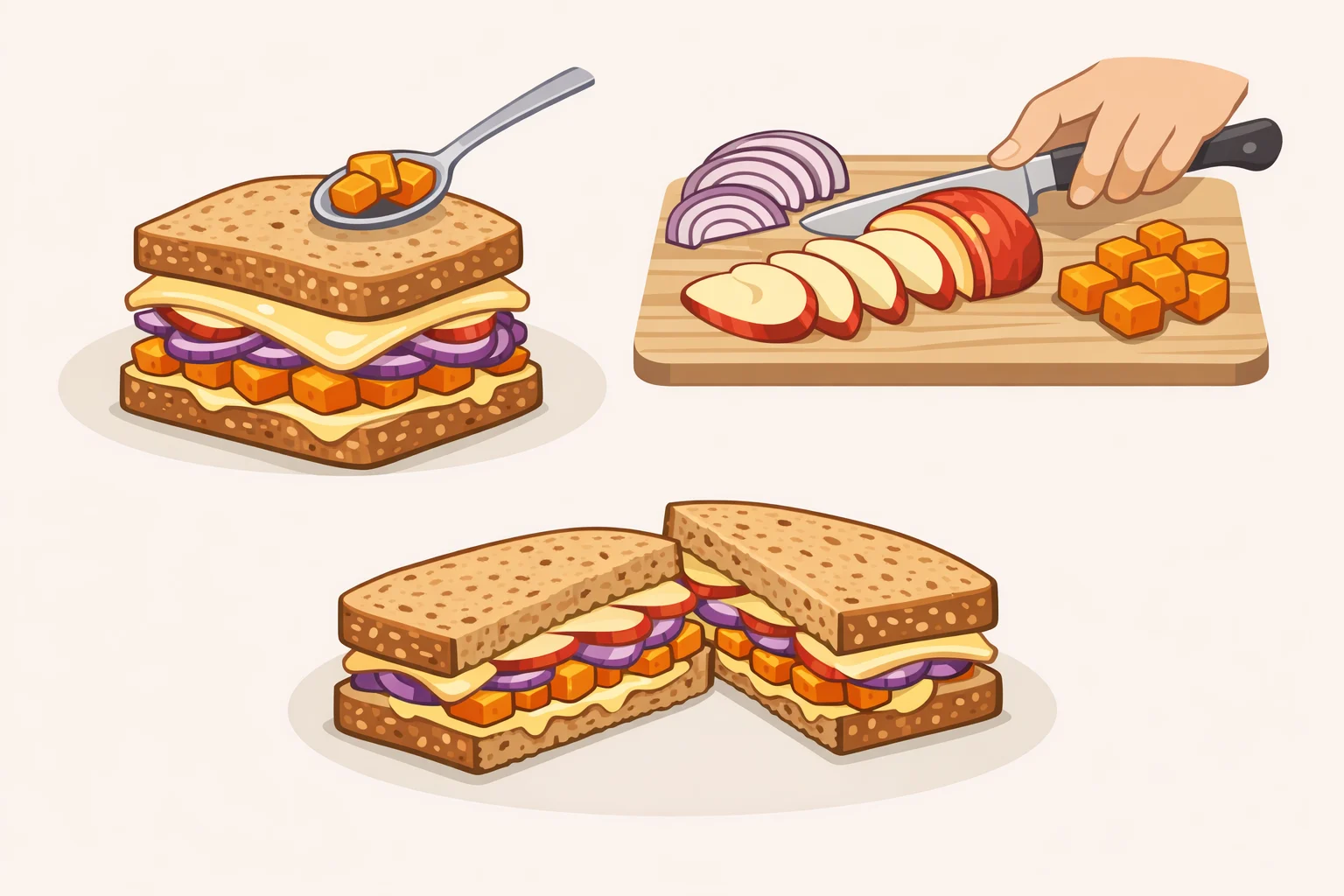
A standard grilled cheese is bread, butter, and cheese mostly refined carbohydrates and saturated fat, with almost no fiber or produce. The problem isn't the comfort. It's that the sandwich has nothing slowing digestion.
Bauer's version fills it with roasted butternut squash, red onion, and thin apple slices before grilling. Squash contributes beta-carotene; the apple adds fiber and natural sweetness; the onion adds volume. Fruits and vegetables contain phytochemicals including beta-carotene, lutein, and lycopene that Harvard Health associates with lower risk of heart disease, diabetes, and certain cancers. Same bread and cheese, but now with meaningful fiber, produce volume, and less reliance on refined grains alone.
Do this:
- Cube butternut squash and red onion, toss lightly with olive oil, and roast at 400°F for 20 to 25 minutes. Roast a tray once; leftovers hold in the refrigerator for four to five days and work across multiple meals.
- Build the sandwich on whole-grain bread. Refined white bread loses most of its fiber and nutrients during processing; whole grains retain both, and the additional fiber supports sustained fullness at roughly the same calorie count, as Harvard Health explains. For the cheese, a semi-firm variety like cheddar or Gruyère holds the filling better than a softer melt the sandwich is already thick, and a cheese that pools makes it harder to manage.
- Layer cheese, a scoop of the roasted squash and onion, and two or three thin apple slices. Grill in a lightly oiled pan until golden on both sides.
Gotcha: This sandwich is noticeably thicker than a standard grilled cheese. That's the point the added volume is carrying the nutritional upgrade. Don't compress it. Bauer suggests honey mustard, pesto, or Sriracha as optional finishes, any of which add flavor without undermining the nutrition profile.
Take this further: Roasted vegetables inside quesadillas or wraps follow identical logic, as does adding sautéed greens or white beans to a flatbread before topping with cheese.
Upgrade 3 Yogurt pudding with pumpkin and banana: a three-minute dessert swap
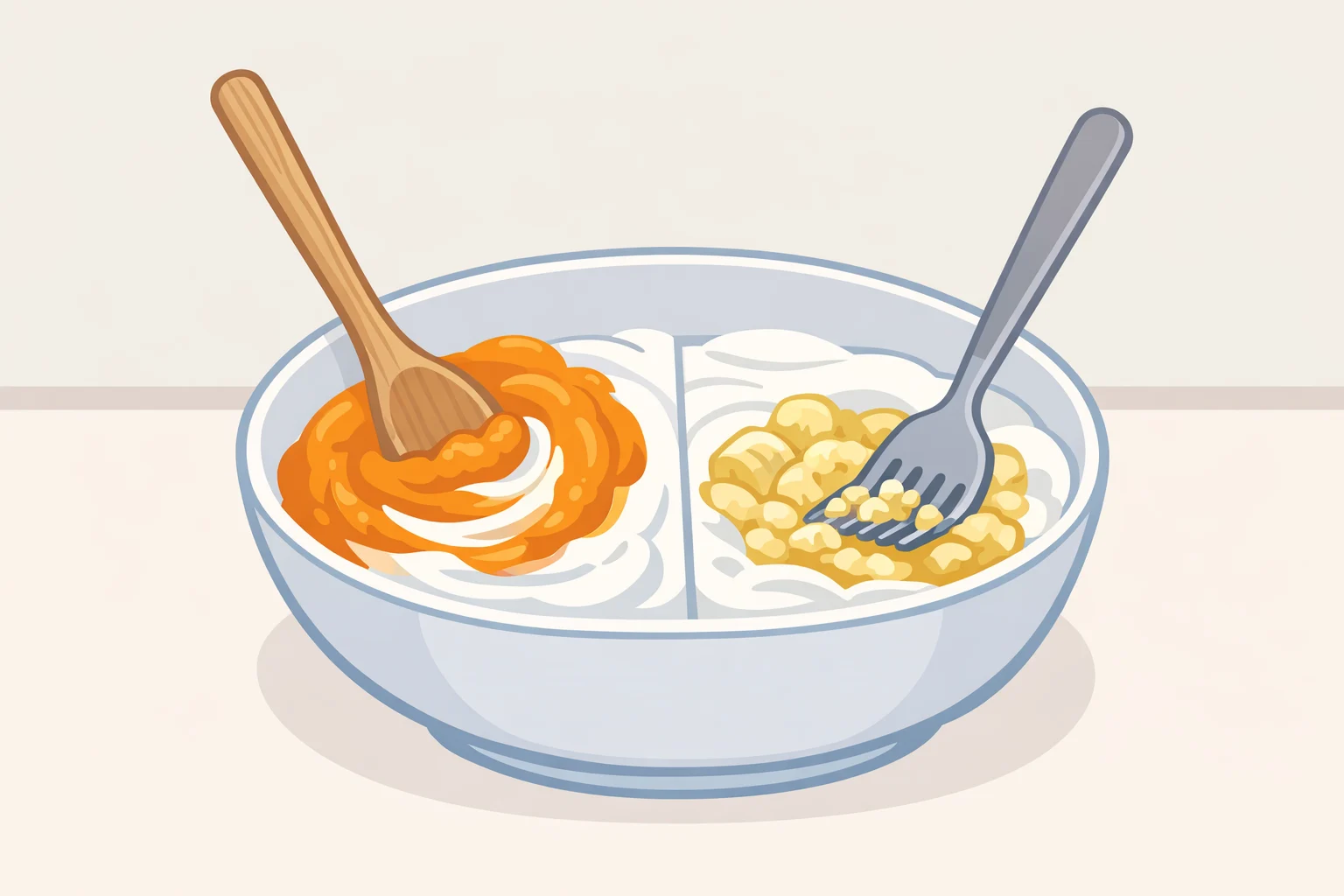
Many packaged desserts are high in added sugar and low in protein, which is why they produce a blood sugar spike followed by a crash. This swap takes about three minutes, requires no cooking, and addresses both problems without asking you to skip dessert.
The base is vanilla Greek yogurt Bauer uses vanilla specifically for flavor. Plain low-fat Greek yogurt at about 73 calories per 100 grams works just as well with a pinch of cinnamon or a drop of vanilla extract, and the nutrition profile improves slightly. Either way, the yogurt delivers substantial protein. Pumpkin purée adds bulk and fiber, and the banana provides natural sweetness. Smoothies and snacks high in added sugar can cause rapid blood sugar spikes without protein or fiber to slow absorption, according to Verywell Health this combination addresses all three.
Do this:
- Spoon one container of vanilla Greek yogurt into a bowl.
- Stir in two to three tablespoons of plain canned pumpkin purée. Label check required: pumpkin purée and pumpkin pie filling sit in the same grocery aisle and look nearly identical. Purée lists one ingredient pumpkin. Pie filling contains added sugar and spices and will undermine the nutrition profile.
- Mash in half a ripe banana. A whole banana counts as two fruit servings; half keeps the sugar load manageable, per University Hospitals. A very ripe banana is sweeter use that over a firm one.
- Eat immediately or refrigerate for 30 minutes for a denser, firmer texture.
Framework gap: This recipe is short on healthy fat. Stir in a tablespoon of nut butter or add a small handful of walnuts on top that addition completes the fat component the framework is otherwise missing.
Take this further: Chia pudding made with unsweetened milk, or overnight oats with mashed ripe fruit substituting for added sugar, follow the same protein-base-plus-fiber approach.
Smoothies: the easiest way to make meals more nutritious or less
Of all the formats where the protein-fiber-fat framework is easy to ignore, the smoothie is where healthy intentions most often go sideways. It looks like a health food while quietly accumulating the sugar load of a dessert.
The mechanism is straightforward. Clinical dietitian Kathryn Hummer at University Hospitals notes that people frequently add three or four servings of fruit to a single glass, then thin the result with juice just half a cup of orange juice adds 15 grams of sugar, per University Hospitals. Smoothies with a high proportion of fruit or added sugar can cause rapid blood sugar spikes, particularly without protein or fiber to slow absorption, according to Verywell Health. The fix isn't to stop making smoothies it's to build them like a meal.
Build it in this order:
-
Liquid base: Unsweetened cow's milk or soy milk approximately 8 grams of protein per cup. Skip juice entirely. That one substitution eliminates the most common hidden sugar problem, per University Hospitals.
-
Protein: For a meal replacement, target 15 to 20 grams total. Milk provides 8 grams; adding a half-cup of plain nonfat Greek yogurt closes the gap and adds creaminess, as University Hospitals recommends.
-
Fiber and capped fruit: Aim for more than 4 grams of fiber. Limit fruit to two servings maximum one cup of strawberries, three-quarters cup of pineapple, or half a banana each count as one serving. Add one to two cups of spinach: it contributes volume and nutrients with almost no detectable flavor in a fruit-based smoothie, according to University Hospitals.
-
Healthy fat: One tablespoon of nut butter, one tablespoon of chia seeds, or two tablespoons of ground flaxseed target around 5 grams. Fats break down slowly and extend fullness after drinking. Chia and flaxseed also contribute omega-3 fatty acids and additional fiber, per University Hospitals.
-
Natural sweetness, if needed: Skip honey and agave. A very ripe banana or pear delivers sweetness with fiber attached, as University Hospitals suggests.
-
Portion check: A correctly built smoothie yields 8 to 11 ounces. If the blender produced significantly more, treat the excess as a second serving and refrigerate it, per University Hospitals.
One sample build: One cup unsweetened soy milk, half-cup plain nonfat Greek yogurt, one cup frozen strawberries, half a ripe banana, one cup spinach, one tablespoon almond butter. Blend until smooth. That hits the protein target, stays within the fruit cap, and lands the healthy fat about 10 ounces total.
Buying instead of making: Check the label for serving size before drinking the whole bottle commercial smoothies frequently contain multiple servings. Look for added sugars below 5% of the recommended daily value, University Hospitals advises. Making smoothies at home remains the most reliable way to control what's actually in them, as Verywell Health notes.
The question to ask before you cook anything
The four upgrades here are each useful on their own. The more durable takeaway is the three-part check that produced them: where is the protein, where is the fiber, and where is the healthy fat?
The nutritional case for that check is consistent. Fiber-rich diets support digestion, blood sugar management, and cholesterol; produce contributes phytochemicals linked to reduced rates of chronic disease, per Harvard Health. Protein and fat slow digestion, reducing the energy crashes that follow carbohydrate-heavy meals, as University Hospitals explains. Cleveland Clinic dietitian Julia Zumpano puts the long-run effect directly: replacing refined grains, saturated fats, and added sugars with healthy fats, vegetables, legumes, and natural sugars "really does add up to less inflammation and reduced risk for heart disease, cancer, diabetes, obesity" over time and typically brings calorie intake down as a side effect, per the Cleveland Clinic.
The ingredients driving all four upgrades cottage cheese, Greek yogurt, canned pumpkin, spinach, nut butter are widely available in most supermarkets.
Start with one meal. Run it through the three-part check. Make one adjustment. The system works by repetition, not by perfection.