How to Make Tijuana-Style Tostilocos Without Soggy Chips
If you want to know how to make Tijuana-style tostilocos at home, the key is not just the ingredients but the order and the timing. You slice an individual bag of tortilla chips open along one long side, pile on pickled pork rind, cucumber, jícama, Japanese peanuts, chamoy, Valentina, Tajín, and lime, then eat immediately with a fork, straight from the bag. That's not a serving suggestion. That's the architecture. Get the sequence wrong and you get soggy chips. Get it right and you get one of the more interesting things that can happen to a chip bag.
"Tijuana-style" refers to the classic ingredient set associated with the Baja California street-food tradition: cueritos, chamoy, lime, Valentina. Wikipedia cites Tijuana as the most commonly named origin, and Mamá Maggie's Kitchen credits a vendor named Javier Rodríguez with inventing them there in the 1990s. Origin accounts aren't fully settled. What's consistent across sources is the recognizable core: pickled, crunchy, sour, spicy, and a little sweet, all at once.
The name is a portmanteau of "Tostitos" and locos, Spanish for crazy, which is accurate, though the combination isn't random. It's a deliberately layered balance of textures and flavors that makes more sense in the mouth than on paper, as Recetas Mexas describes it. Tostilocos are now sold by street vendors and stadium concessions across Mexico and the southwestern U.S., per Wikipedia.
This guide covers which ingredients are load-bearing (don't skip them), which are adjustable, and the exact assembly sequence that keeps the chips crisp long enough to eat. That last part is where most home versions go wrong.
Before you start: You'll need one individual-serving bag of thick-cut corn tortilla chips and a fork. Budget about 15 minutes of prep before a two-minute assembly. Most ingredients are sold at Mexican or Latin grocery stores. The two harder-to-find items, cueritos and chamoy, are addressed first below.
What makes Tijuana-style tostilocos different from a dressed-chip snack
Video of the Day
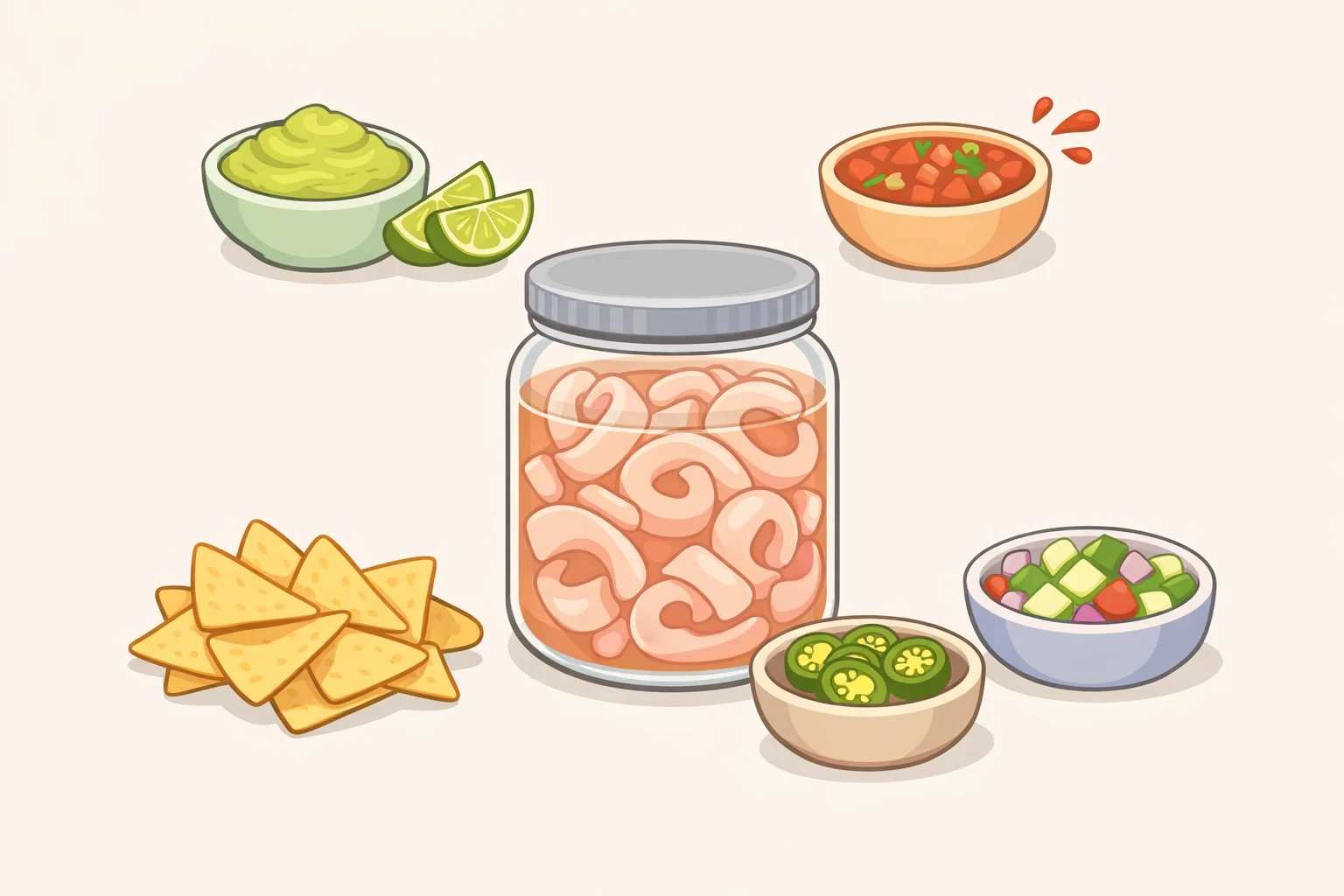
The short answer is cueritos. Without the pickled pork rind, you have a spiced chip snack. With it, you have something specifically Tijuana-style. Recetas Mexas describes cueritos as essential to the classic version, and that tracks with the original formulation documented by Wikipedia: tortilla chips, cueritos, cucumber, jícama, rueditas, Japanese peanuts, lime juice, chamoy, and hot sauce.
The other non-negotiable is chamoy. It acts as a binding agent, tying cueritos, jícama, cucumber, and peanuts into something coherent rather than a pile of separate things, as Recetas Mexas explains. Everything else is flexible. Those two ingredients are not.
Video of the Day
Tostilocos ingredients that matter most
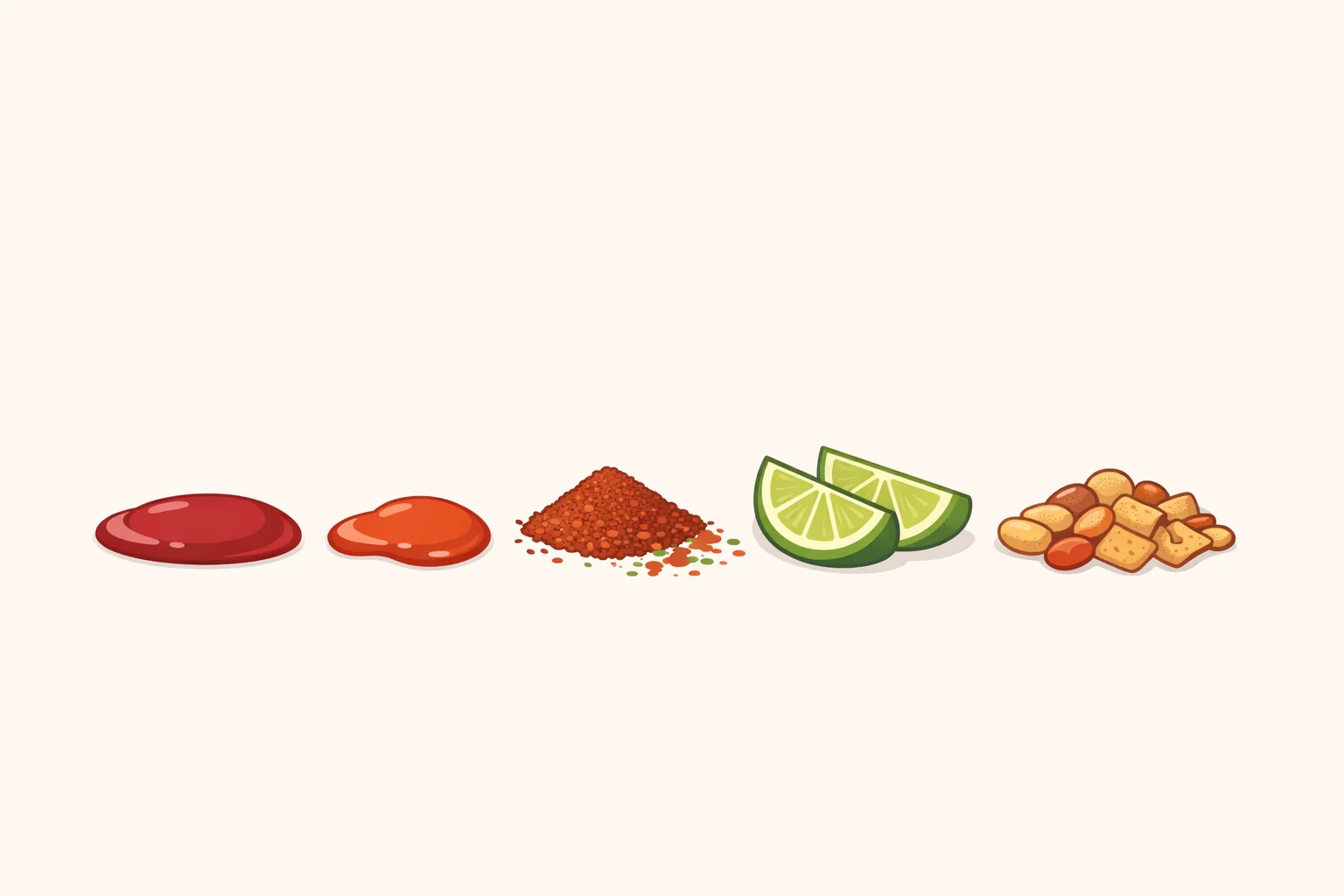
If you can only source five things, start here: chips, chamoy, Valentina, fresh lime, and one crunchy element, either Japanese peanuts or jícama. That's a functional version. Add cueritos as soon as you can find them.
Cueritos. Cooked pork skin pickled in vinegar, soft and tangy rather than the crunchy chicharrón type. They provide the pickled, savory backbone that organizes every other ingredient around it. Recetas Mexas considers them non-negotiable for the classic version. Look for them jarred at Mexican or Latin grocery stores, or online. Drain thoroughly before adding; the brine accelerates chip softening faster than the sauces do.
If cueritos genuinely aren't available, the snack will taste noticeably lighter, but it still functions. The defining quality you're trying to preserve is that pickled, briny note.
Chamoy. A bottled condiment made from pickled fruit, typically plum or apricot, with chile, salt, and lime. It reads as sweet, sour, and gently spicy at once, which is exactly what makes it work as a unifying element across all the other toppings, per Recetas Mexas. Look for it bottled at Latin grocery stores. There's no clean substitute; if you can't find it, sourcing it is the task.
Valentina and Tajín. Valentina adds vinegary heat. Tajín is a dried chile-lime powder used as a finishing layer. Both are widely available. Rick Martinez recommends a generous pour of Valentina; a restrained amount produces a timid result.
Fresh lime. Bottled juice won't do the same work. Fresh lime brightens the chamoy and ties the whole flavor profile together in a way processed juice doesn't replicate.
Chips. Thick-cut individual-serving bags. Tostitos is the namesake brand, but any sturdy salted corn tortilla chip works, as Wikipedia notes. Brand isn't the variable that matters. Thickness is. Thinner chips don't hold up under chamoy and lime juice, per Recetas Mexas.
Cucumber and jícama. Both contribute crunch and fresh water content. Jícama holds its texture better under wet sauces; cucumber is easier to find. Use at least one of the two.
Japanese-style peanuts. Peanuts coated in a crunchy wheat-flour shell, sometimes labeled "cracker nuts," as Wikipedia describes them. The shell is the point; standard peanuts provide flavor but lose the distinct crunch layer.
On rueditas. The original Tijuana formulation documented by Wikipedia also included rueditas, small fried flour wheel-shaped pieces that add a second variety of crunch. They're difficult to source outside Mexico. If you find them, add them alongside the Japanese peanuts. If not, skip them; the peanuts are doing similar structural work.
Optional additions. Tamarind gummy candies, Clamato, mango pieces, grated carrot, and chopped sausage all appear in vendor versions, per Recetas Mexas and Wikipedia. Build the core once before adding extras. You'll have a much clearer sense of what each element is doing and where there's room to push.
How to make Tijuana-style tostilocos without soggy chips
The rule that governs everything: have every ingredient fully prepped before the chip bag opens. Chamoy, Valentina, and lime juice begin softening chips within minutes of contact, per Recetas Mexas. The prep takes fifteen minutes. The assembly takes two. Do the fifteen first.
Step 1: Prep everything completely before touching the bag. Dice cucumber into small pieces. Cut jícama into thin matchsticks. Drain cueritos thoroughly. Measure out Japanese peanuts. Have chamoy, Valentina, Tajín, and a halved lime within reach. This is the only real kitchen work in the recipe.
Step 2: Open the chip bag along one long side. Use scissors or a firm lengthwise pull, not across the top. Lay the bag flat. This is your serving vessel. The chips form a wide, stable base for everything going on top.
Step 3: Add the drained cueritos, diced cucumber, and jícama matchsticks. Distribute them across the surface rather than piling in the center. You want toppings reaching chips in every zone so each forkful has something from every layer, as Recetas Mexas describes.
Step 4: Scatter the Japanese peanuts across the surface. They'll settle into the mix as the sauces go on. Found rueditas? Add them here too.
Step 5: Drizzle chamoy generously, then add several shakes of Valentina. Cover the surface visibly with chamoy; a light pass underflavors everything below it. Follow with Valentina. More than feels comfortable is the right quantity on the first pass, per Rick Martinez. Dial back on the second batch if needed.
Step 6: Finish with Tajín and a squeeze of fresh lime juice. A light, even coat of Tajín across the surface, then squeeze half a lime directly over everything. This is the step that activates the chamoy and pulls the whole balance together.
Step 7: One light toss with a fork. Eat immediately. Don't over-mix; you want each forkful to have crunch from at least two sources. Eating straight from the bag with a fork is the original method, documented across sources including Wikipedia and Recetas Mexas. It also contains the mess.
Timing note: Don't assemble ahead. The chips start softening within minutes of contact with the sauces and lime, per Recetas Mexas. For a group, prep all toppings in advance and assemble each bag individually as people are ready to eat. The prep scales without issue; the assembly must stay individual and immediate.
What to do after you've made it once
Three variables control whether this works: thick chips that hold up under wet ingredients, cueritos and chamoy as the non-negotiable anchors, and assembly at the last possible moment, per Recetas Mexas. Get those right and the rest is adjustable.
The dish is genuinely a "no rules" format. Vendors vary ingredients freely, and the version you make twice will differ from the first, as Wikipedia notes. That's by design. The core structure is what gives you the latitude to experiment.
Swap the tortilla chip base for Doritos and you have Dorilocos, a recognized variation with the same underlying formula, per Wikipedia. Chef Rick Martinez describes the whole category as operating like a Texas Trash mix: the architecture is fixed, everything inside it is fair game. Make the core version once. After that, you'll know exactly what you're working with.