How to make scalloped corn casserole with reliable texture
The goal is a casserole that holds together on the spoon without turning cakey: custardy in the center, lightly golden on top, rich enough to serve next to a roast. Three things get you there. Moisture balance, how little you work the batter, and giving it time to set before you cut in.
The dish sits somewhere between creamed corn and a savory bread pudding. What separates a good version from a mediocre one is almost entirely texture, and texture comes down to ratios. This guide covers what each ingredient contributes, what the batter should look like at each stage, and what to do when something goes wrong.
Prerequisites: A 9x13-inch baking dish, one large mixing bowl, a spatula or wooden spoon, and about 15 minutes of active prep. The oven handles the rest.
Ingredients: what each one does to the final texture
Video of the Day
A standard batch serves 8 to 10 as a side dish. These proportions matter; adjust them and you're running a different experiment.
- 1 can (15 oz) whole kernel corn, drained
- 1 can (15 oz) cream-style corn, not drained
- 1 box (8.5 oz) corn muffin mix (Jiffy is the most widely available; any 8.5-oz box works)
- 1 cup full-fat sour cream
- 2 large eggs, beaten
- ½ cup (1 stick) unsalted butter, melted
- Optional: 1 cup shredded sharp cheddar, scattered on in the final 10 minutes
Cream-style corn carries the moisture. It contributes a starch-thickened liquid that integrates into the batter as it bakes, keeping the interior from drying out. Swap it for a second can of drained whole kernel corn and that liquid disappears. The casserole comes out noticeably tighter and crumbly, and extra bake time won't recover it.
Corn muffin mix is the binder. It contains flour, leavening, and a small amount of sugar, so there's nothing to source separately. That sugar is also what produces the slightly sweet, lightly cakey quality the dish is known for.
Full-fat sour cream adds fat and mild acidity. Full-fat Greek yogurt works as a substitute and tends to produce a slightly firmer result. Stick to full-fat for either option; the extra fat content helps the casserole stay moist through a long bake.
Unsalted butter keeps the salt level predictable. The muffin mix already contains salt. Salted butter adds more, in amounts that vary by brand, and the dish can tip noticeably salty without warning.
Sharp cheddar, if you're using it, shifts the flavor from sweet-leaning to savory and forms a crust near the end of the bake. Mild cheddar tends to get lost against the corn's sweetness. Pepper jack or Gruyère both work if you want to push the dish in a different direction.
Video of the Day
What success looks like: the visual checkpoints
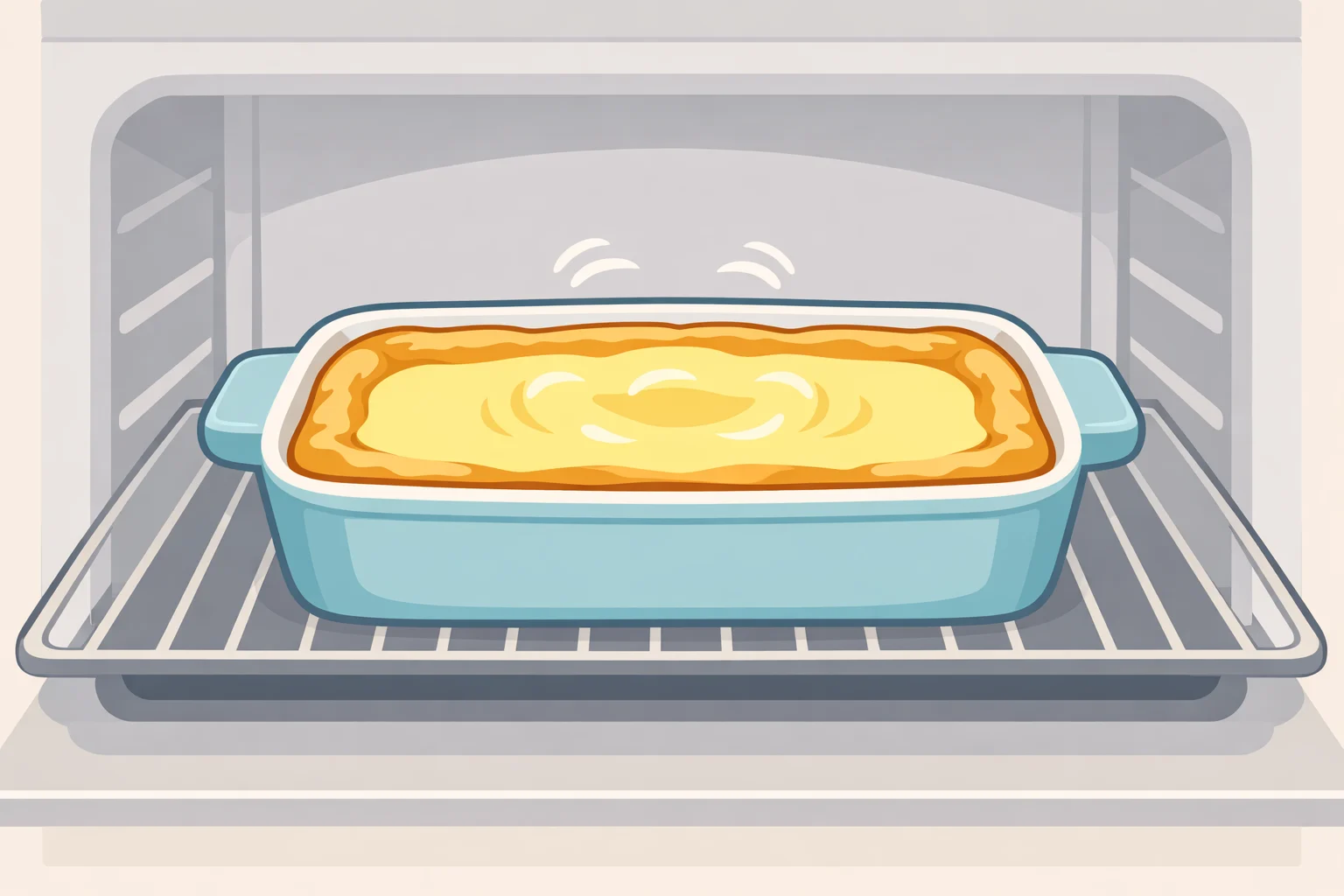
These are the four moments that tell you whether things are on track. Knowing them in advance prevents the urge to intervene when the batter looks wetter than expected.
After folding in the muffin mix: The batter should look like thick, lumpy soup. Not bread batter. Not pancake batter. Something closer to a chunky chowder. It firms considerably in the oven, so if it looks thinner than expected, leave it alone. Adding extra muffin mix at this stage produces a dry, dense finished texture.
At the 35-minute mark: The edges should be set and pulling slightly away from the sides of the dish. The center will still wobble when you nudge the pan. That's correct. If the edges are already darkening at 35 minutes, reduce the temperature by 25°F for the remaining bake.
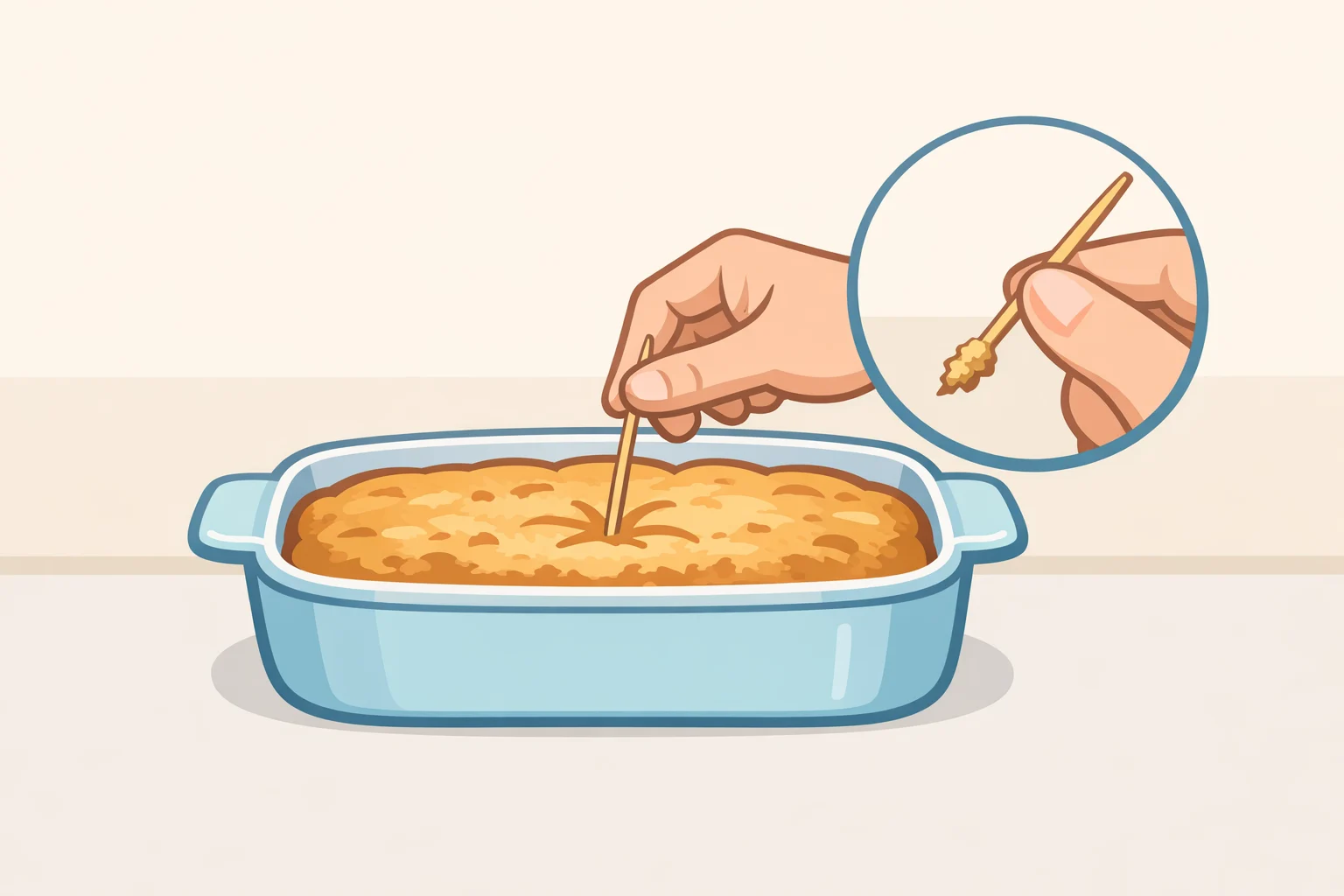
At doneness (45 to 55 minutes): The center won't jiggle, the top will be lightly golden, and a toothpick inserted in the middle comes out with moist crumbs clinging to it, damp but not wet. Wet batter means more time. Dry, clean crumbs mean it's gone a few minutes past the window.
After the rest (10 to 15 minutes minimum): The casserole continues setting as it cools. At serving temperature, it's spoonable, not sliceable. Use a large spoon or wide spatula. It only slices cleanly once cooled to room temperature, which is also a correct result.
Step-by-step method
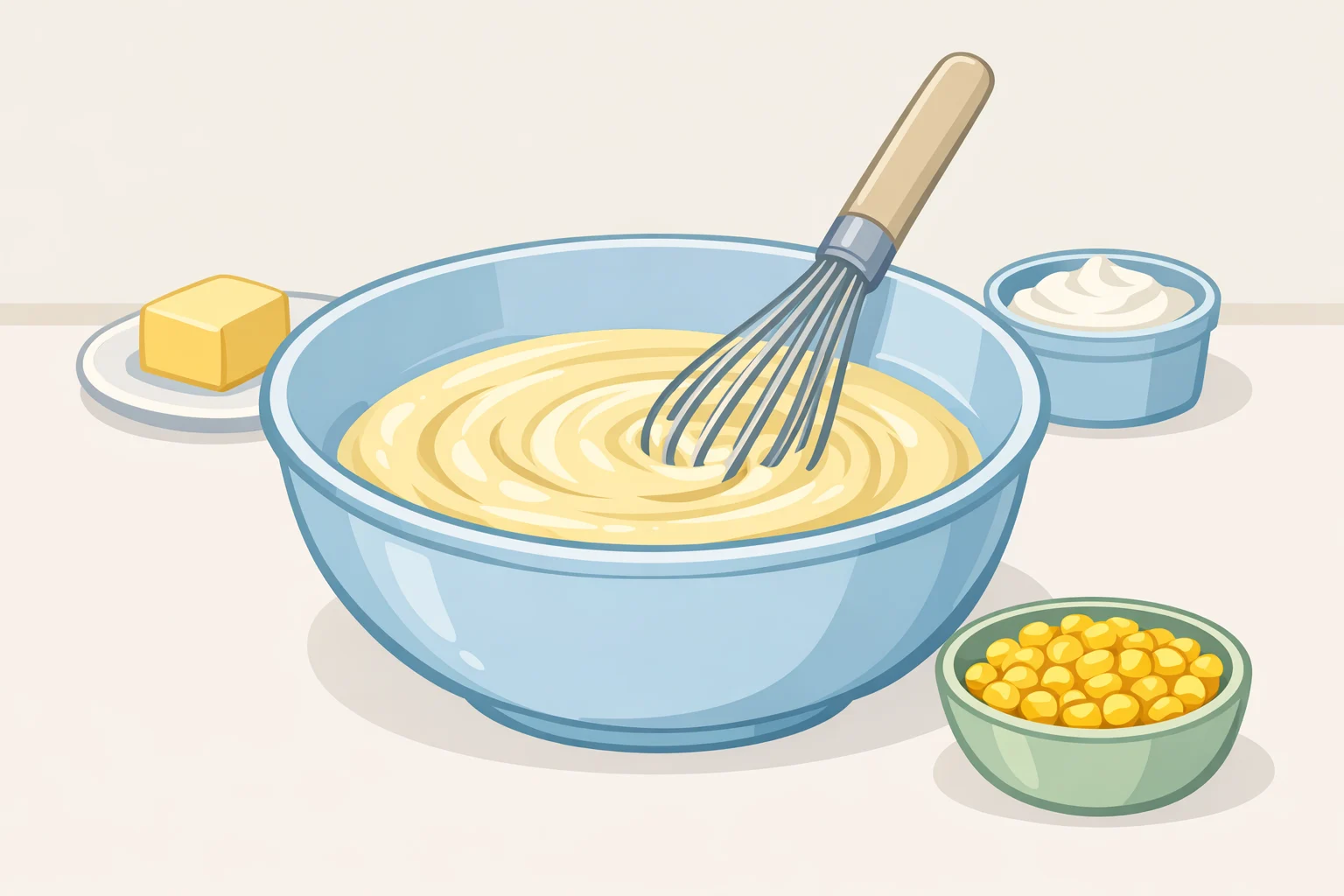
Step 1: Preheat the oven to 350°F (175°C) and grease the baking dish.
Coat all interior surfaces, corners included, with butter or neutral cooking spray. Corners are where sticking starts.
Glass dish note: Glass and ceramic bakeware hold and distribute heat differently than metal. If that's what you're working with, reduce the temperature to 325°F and rely on the visual cues above rather than the clock, checking more closely toward the end of the bake.
Step 2: Whisk the eggs, melted butter, and sour cream together in a large bowl.
Whisk until smooth. The butter should be warm, not steaming. If it's hot enough that you can't comfortably hold your palm against the outside of the bowl, wait two minutes before adding the eggs.
Step 3: Add both cans of corn and stir to combine.
Whole kernel corn goes in drained. Cream-style corn goes in as-is, liquid and all.
Step 4: Fold in the corn muffin mix until just combined.
Use a spatula or wooden spoon and stop the moment no dry streaks remain. Lumps are fine. Working the batter past that point develops gluten and produces a tougher finished texture.
Step 5: Pour the batter into the prepared dish and smooth the top.
Use the back of a spoon or an offset spatula. In a 9x13 pan, the batter will sit roughly an inch deep. Even distribution means even cooking.
Step 6: Bake uncovered on the center rack for 45 to 55 minutes.
Start checking at 45 minutes using the visual cues from the previous section. If using cheese, scatter it evenly at the 35-minute mark and return the dish to the oven.
Step 7: Rest 10 to 15 minutes before serving.
Set a timer. Cut in early and the center will be runny regardless of what the toothpick showed.
What you can swap, and where the limits are
Muffin mix: Jiffy is standard, but any 8.5-oz corn muffin mix works. From-scratch versions using cornmeal, flour, baking powder, and sugar can substitute, though ratios vary enough between recipes that a first attempt may need adjustment.
Sour cream: Full-fat Greek yogurt is the closest swap, producing a slightly firmer result. Softened cream cheese also works and pushes the dish toward a denser, more savory profile. Diced green chiles pair naturally if you go that direction.
Butter: Reducing to ¼ cup and supplementing with ¼ cup whole milk produces a lighter texture. Avoid substituting oil; it doesn't incorporate the same way liquid fat does in a butter-based batter.
Eggs: Don't reduce or omit. They're the primary structural binder. Without them, the casserole won't set.
Frozen corn: Thawed, well-drained frozen whole kernel corn works in place of canned. Pat it reasonably dry before adding; excess surface water throws off the moisture balance.
Smaller pan: An 8x8-inch dish handles a half batch. The batter sits deeper, so the center takes longer relative to the edges. Rely on the toothpick test rather than the clock.
The cream-style corn, the egg count, and the bake temperature are the three things that don't flex without fundamentally changing the dish.
Make-ahead, storage, and troubleshooting
Make-ahead: Assemble the unbaked casserole the night before, cover tightly with plastic wrap, and refrigerate. Cold batter needs a longer bake, so add at least 10 minutes before starting to test. Unbaked egg-based dishes shouldn't sit refrigerated longer than 24 hours before cooking.
Storage: Covered tightly, the baked casserole keeps in the refrigerator for up to four days. Reheat individual portions in the microwave in short bursts, or return the whole dish to a 325°F oven covered with foil until warmed through.
Freezing: Not recommended. The egg-set texture tends to turn grainy after thawing. Make this fresh or a day ahead.
Common failure points:
- Center is runny after the full bake: Check whether the rest period was cut short before assuming underbaking. If the rest was observed, the oven likely runs cool or the batter went in cold. Add 10 minutes and retest with a toothpick.
- Bottom overdone, top still pale: Characteristic of glass or ceramic bakeware. Switch to metal next time, or use the 325°F adjustment from Step 1.
- Dry and crumbly: Trace it back to one of three things cream-style corn was drained or substituted, extra muffin mix was added during mixing, or the bake ran long.
- Gummy rather than custardy: The batter was overworked, or the dish was cut before the rest finished.
Make this once and the second bake is where you start making it yours. The base recipe leans sweet; add sharp cheddar or pepper jack and fold in a small can of diced green chiles with the corn if you want to push it savory. The ratios hold. The first bake teaches you the texture.