Best Way to Cook Corn on the Cob, According to Chefs
Grill it over medium heat. That's the answer, with one condition: the method only pays off if the corn still has its sugar. Sugar starts leaving the moment the ear is picked. Buy it fresh, store it cold, then cook it. Everything else is secondary.
Chef Miranda told The Kitchn earlier this month that the quality of the corn makes all the difference, and that the best rule is to start with the freshest corn available and let its natural sweetness do the work. That's not a preference; it's the ingredient.
The science backs it up. Sweet corn is harvested at the milk stage, a point of high sugar and moisture content that makes it taste extraordinary but also makes it biologically fragile, as postharvest research published last year documented. Sugar conversion to starch begins immediately after harvest, and a cold chain preservation study from late 2025 found that degradation at room temperature runs three to four times faster than under near-freezing cold chain conditions. No cooking method reverses that loss.
Step 1: Buy corn that still has its sugar
Video of the Day
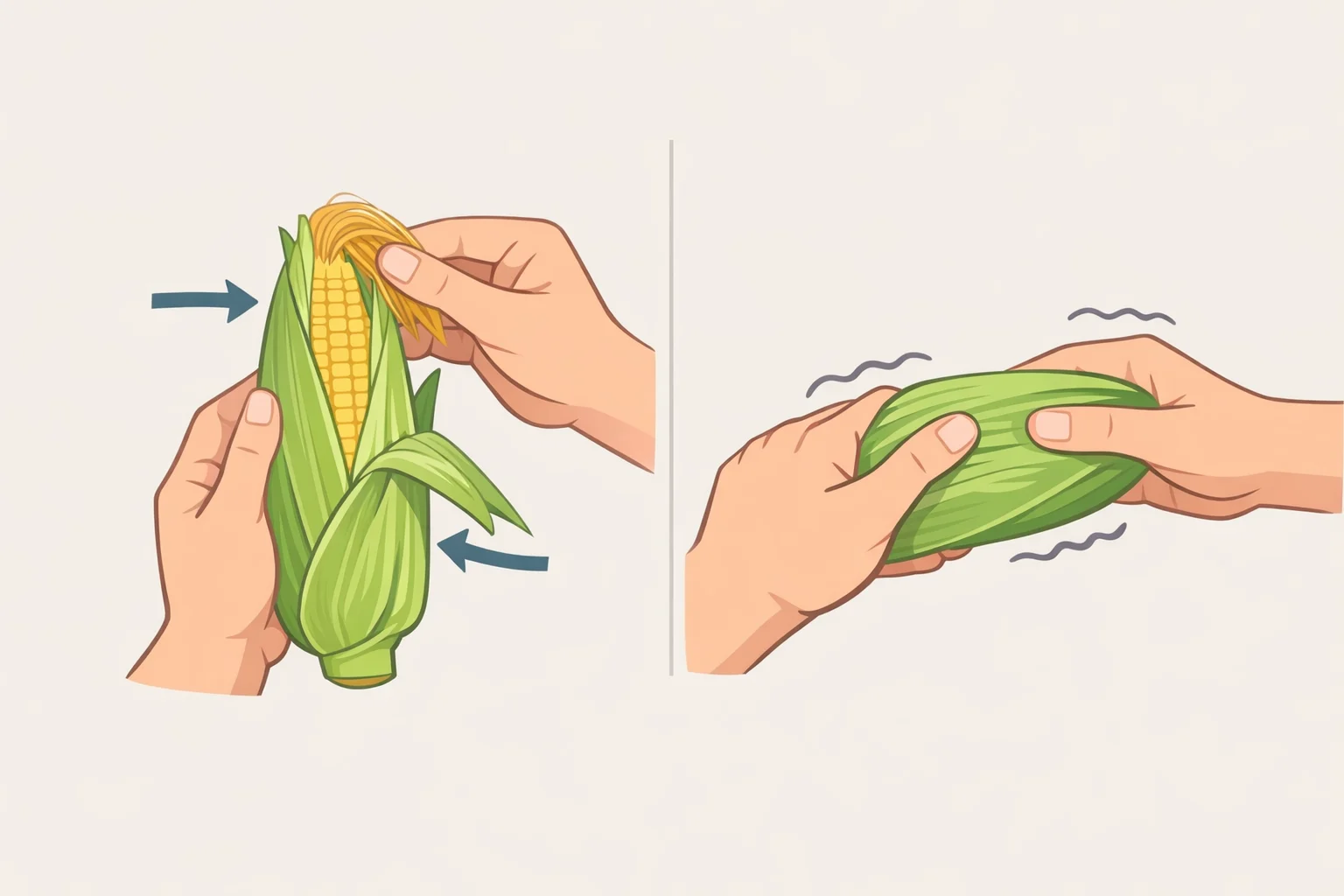
Sweetness can't be cooked back in choose ears at peak freshness.
Buy in season and close to the source. Food & Wine found that corn peaks between May and September, when it's at its sweetest, juiciest, and most plump. Farmers market corn harvested that morning starts at the top of the sugar curve. Supermarket corn that traveled through a distribution chain does not. Supply chains offer both time and heat, and both work against you.
Read the husk and silk. Husks should be green and tightly closed, not yellowing or pulling away at the tip. Silk should be pale gold, not brown and shriveled. Press gently through the husk along the length of the ear: kernels should feel dense and evenly packed. A gap at the tip usually means the top rows didn't fill out, a sign the ear was picked early or stored too long.
Chef Miranda's framing, shared with The Kitchn earlier this month, cuts to it: fresh corn forgives average cooking; stale corn resists careful cooking. If the sugar is already gone, the grill can't bring it back.
Gotcha: Don't peel back the husk at the store to inspect the kernels. It strips the insulation that slows moisture loss and tells you very little that pressing through the husk wouldn't. Leave it intact until you're ready to cook.
Video of the Day
Step 2: Refrigerate it immediately and cook within a day
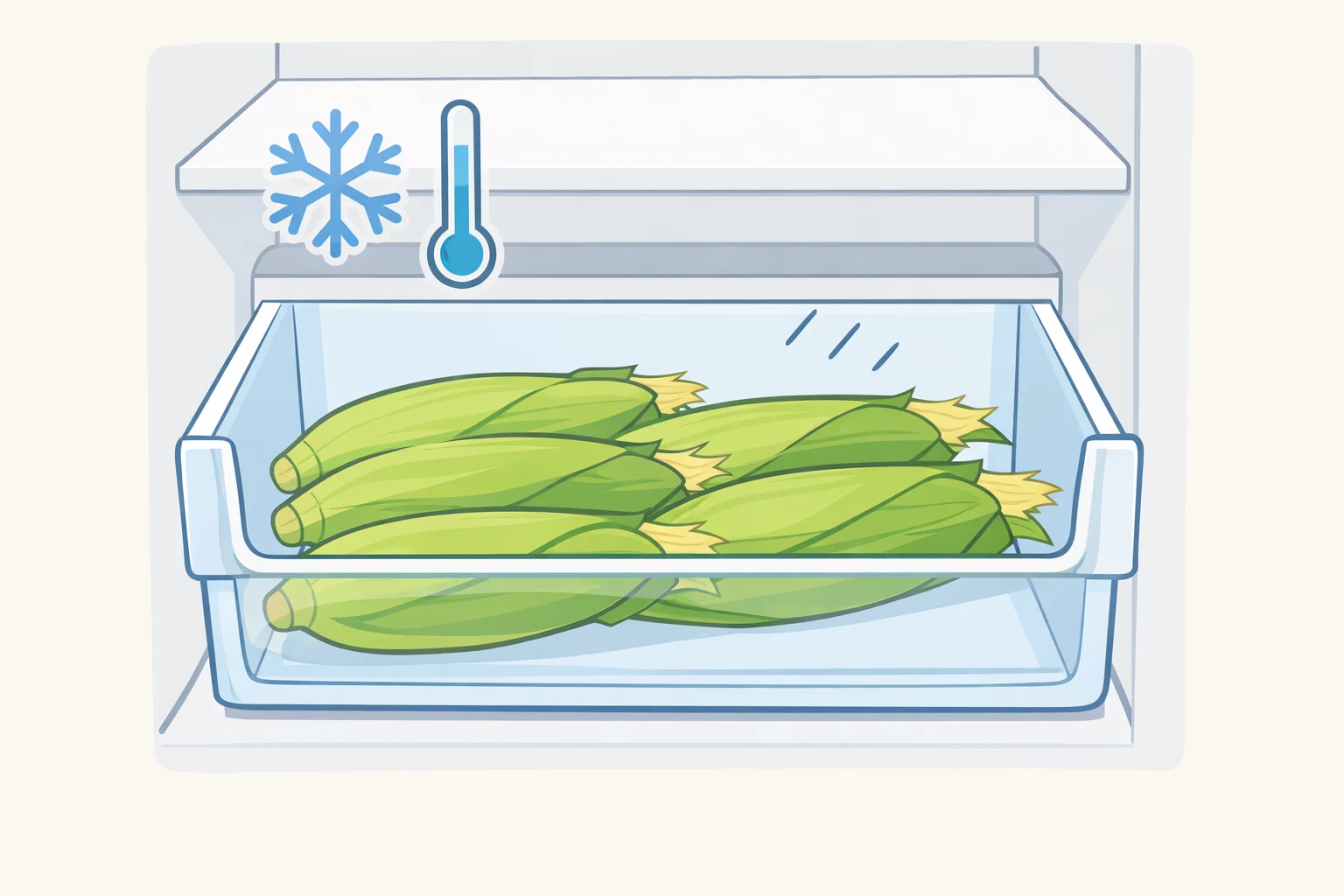
Cold, dry, husk-on storage is the only thing standing between you and starchy corn.
Sweet corn is harvested at its most fragile point, peak sugar and moisture content that also makes it biologically unstable, according to postharvest research published last year. Sugar-to-starch conversion, kernel dehydration, and fungal growth are the three primary ways corn loses quality after harvest. All three accelerate at room temperature.
At around 25°C, sugar degradation runs three to four times faster than under near-freezing refrigerated conditions, per the cold chain study from late 2025. That gap starts accumulating from the moment you get home.
Keep the husks on. They slow moisture loss and protect against the kernel dehydration that the same postharvest research identifies as a primary quality risk. Store corn unwashed, husk-on, in the crisper drawer or the coldest part of the refrigerator. Refrigeration slows sugar loss significantly but doesn't stop it. Cook within one to two days of purchase. Not sure how fresh it is? Cook it today.
Gotcha: Don't store corn wrapped in soaking-wet materials. Excess moisture creates conditions for fungal contamination, one of the three primary postharvest quality failures identified in the research. Dry, cold, husk-on is the right approach.
Step 3: Choose the method that matches your goal
The cooking question is simpler than most recipes make it: what flavor outcome do you actually want? Three methods cover the real decision points.
How to grill corn on the cob for the best flavor
Chefs and multi-method taste tests converge on grilling as the cooking method that does the most with good corn. Chef Shasteen told The Kitchn earlier this month that grilling draws out the natural sweetness while adding smoky char, a combination no other method replicates. Food & Wine's six-method comparison found that butter-brushed corn grilled directly over flame was the most flavorful result of everything tested. The Kitchn's separate eight-method test named in-husk grilling the clear winner for balancing smoky flavor with moisture retention.
Worth noting: grilling enhances perceived sweetness by building contrasting savory and smoky notes. It doesn't increase the corn's actual sugar content. Good corn tastes sweeter on the grill because the char gives the sweetness something to play against.
Choose your configuration:
-
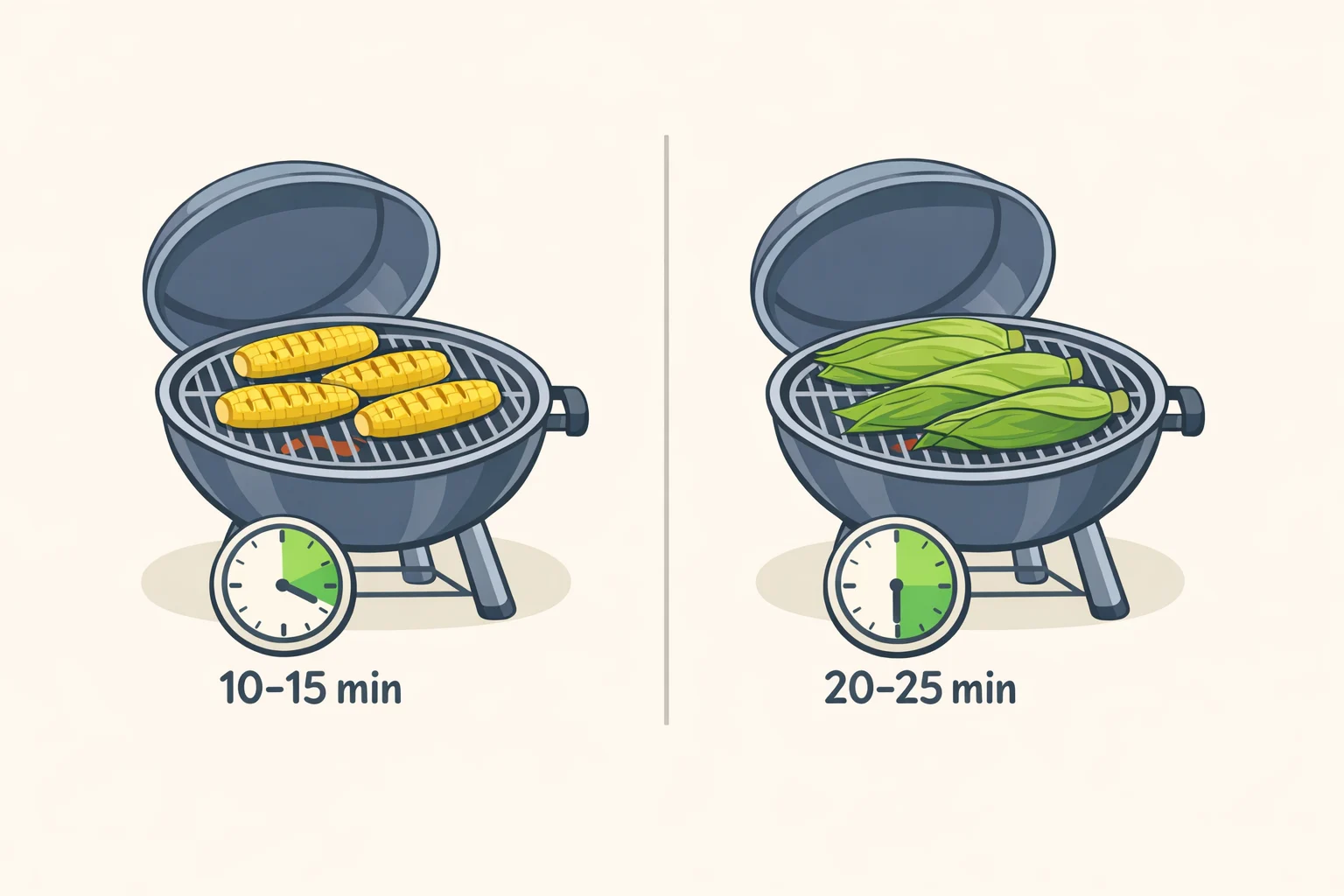
Shucked (more char, bolder flavor): Shuck completely. Brush all sides with melted salted butter, which Food & Wine found prevents the kernels from drying out on direct heat. Season lightly with salt and pepper. Place on a medium-heat grill with the lid closed. Rotate a quarter-turn every two to three minutes. Cook 10 to 12 minutes total, until grill marks appear and kernels are lightly caramelized.
-
In-husk (juicier, gentler cook): Leave husks on. Place directly on a medium-heat grill with the lid closed. Turn every five minutes. Cook 15 to 20 minutes. The husks steam the kernels from inside while the outer leaves take on smoke; The Kitchn described this as producing the classic fairground flavor that makes the method the clear winner of its eight-method test.
Gotcha, medium heat is not optional. Chef Shasteen was explicit with The Kitchn: too much heat makes kernels tough and diminishes natural sweetness. On a gas grill, medium means burners at medium with the lid closed. On charcoal, wait for the coals to ash over fully before placing the corn. Open flame scorches the outside before the inside cooks through.
How to tell when grilled corn on the cob is done
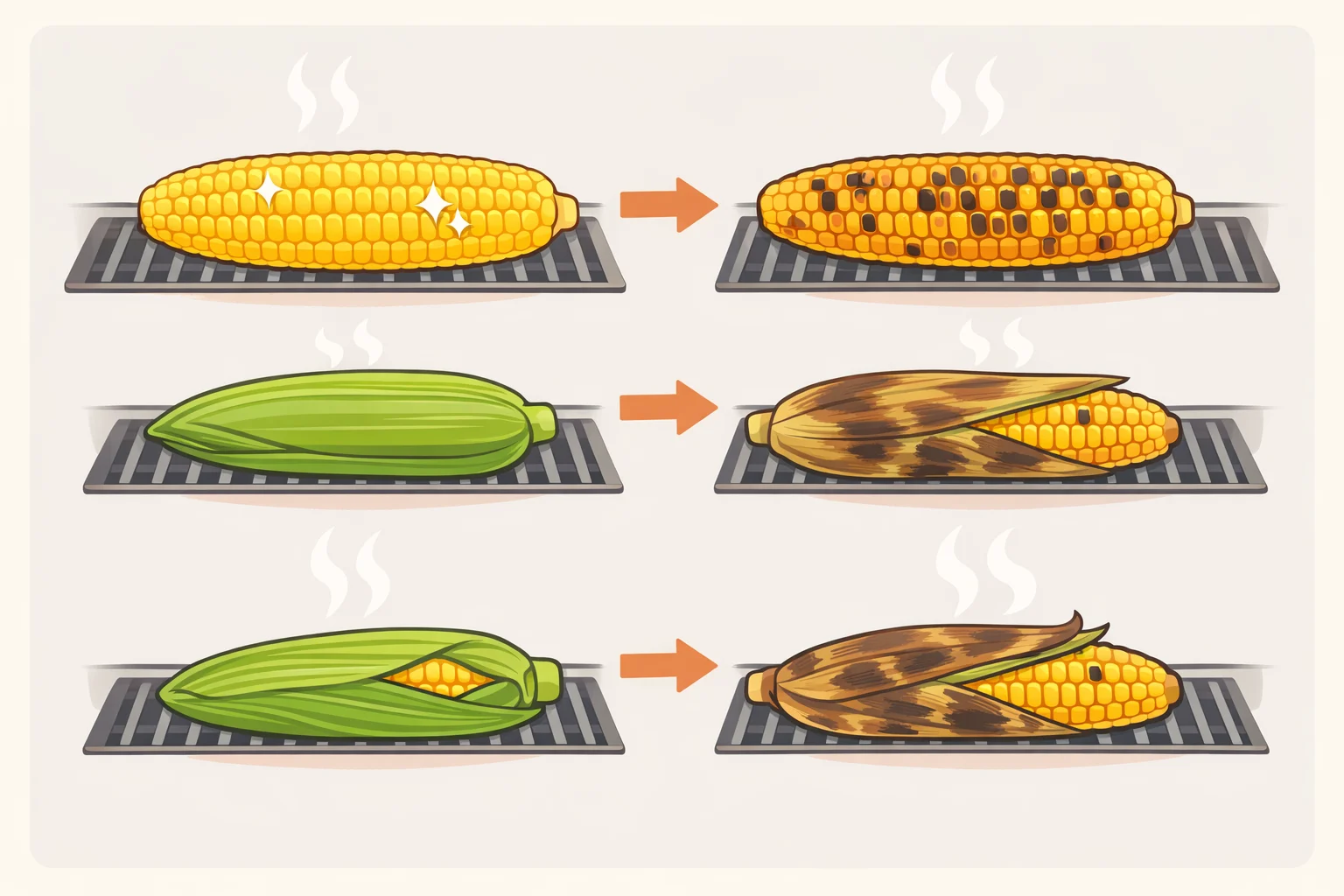
On shucked corn, look for grill marks and slight golden caramelization on the kernels. On in-husk corn, the outer husk should be fully charred and beginning to pull away at the tip. In both cases, kernels should look plumper than when you started. Press one with a fingernail; it should release a small burst of liquid.
All three chefs interviewed by The Kitchn earlier this month agreed that the most common failure is overcooking. Overcooked kernels lose plumpness and juiciness; undercooked corn stays starchy and never fully develops its sweetness. Chef Miranda's fix: rotate every couple of minutes so no section overcooks while another undercooks.
Goal: purest sweetness butter bath
If sweetness is the only priority, not char, not smoke, not caramelization, one method won that specific test. Food & Wine's tester found that corn simmered in a mixture of water, milk, and butter was the sweetest of everything tested, with buttery, milky flavor penetrating every kernel. The tradeoff is everything grilling offers: no char, no smoke, no contrasting savory notes. For someone who wants corn as sweet and mild as possible, this is the right call. For everyone else, grilling will be more satisfying overall.
No grill boil in salted water, or use a pressure cooker
The Kitchn's eight-method test produced a clear no-grill ranking. Boiling shucked corn in salted water for five minutes yielded plump, juicy, well-seasoned kernels, the best stovetop result. No special equipment, five minutes, done.
Pressure cooking at high pressure for five minutes with a quick release produced results comparable to boiling: plump, buttery, and evenly cooked. Worth using if you already have one going.
Skip the microwave. That same test found microwaved corn came out dry and shriveled, the fastest method and the worst outcome by a significant margin. Stovetop corn won't have the char and smoke of grilled corn on the cob, but with good corn bought fresh and stored properly, it will still taste noticeably sweet.
The decision in plain terms
Peak-season corn plus a grill is the strongest combination. Ten to 12 minutes shucked, 15 to 20 minutes in husk, over medium heat: that's the chef consensus and the result of method testing from The Kitchn and Food & Wine this summer. If the corn is decent but not peak fresh, the butter bath or boiling are more forgiving; there's less to gain from the char-versus-sweetness contrast when the sugar base is already thin.
Finish with butter and salt, which chefs consistently call the standard that's hardest to beat, and let the corn do the rest.