Summer Bowtie Pasta and Chicken Sausage Skillet Bake: Step-by-Step
Three steps determine whether this summer bowtie pasta and chicken sausage skillet bake comes out properly sauced: pull the pasta early, don't add extra liquid to the vegetables, and rest the bake uncovered before serving. Get those right and you have a reliable dinner for four from one skillet plus a pot, start to finish in 55 minutes, per Delish.
The dish is hearty and cheese-forward. What earns the seasonal label is the produce: zucchini, red bell pepper, spinach, and fresh basil are fast-cooking vegetables that keep it from eating like January lasagna. The structure is a bake; the character is summer. At 863 calories per serving, it's substantial food, not a light weeknight salad.
What you need before you start
Video of the Day
One piece of equipment matters: a large, high-sided ovenproof skillet. The dish starts on the stovetop and transfers directly to the oven in the same pan. A skillet that can't handle 375°F means extra dishes and lost fond. You'll also need a pot for boiling the pasta.
The full ingredient list, per Delish:
- 8 oz farfalle (bowtie pasta)
- 3/4 lb cooked chicken sausage, any flavor, sliced
- One 24-oz jar marinara sauce
- 2 medium zucchini, sliced into 1/4-inch rounds
- 1 medium red bell pepper, chopped
- 5 oz baby spinach
- 1/2 cup fresh basil leaves, torn
- 3 cups shredded mozzarella (about 12 oz), divided
- Olive oil, garlic, salt, and black pepper
The sausage question. The Delish recipe calls for pre-cooked chicken sausage, browned in the skillet. Lindsay Pleskot, RD tested both cooked and raw chicken sausage in a comparable sausage pasta bake and found raw sausage produced deeper flavor because the juices cooked directly into the sauce. If you use raw sausage, crumble or slice it into the skillet first and cook until fully browned before adding the vegetables. The step order shifts slightly; everything else stays the same.
Why bowtie pasta. Farfalle's pinched center and ruffled edges hold sauce in the folds in a way smooth pasta shapes don't, making it well-suited to sauce-heavy bakes like this one, per I Like To Dabble. It's a functional choice.
Video of the Day
How to make summer bowtie pasta and chicken sausage skillet bake
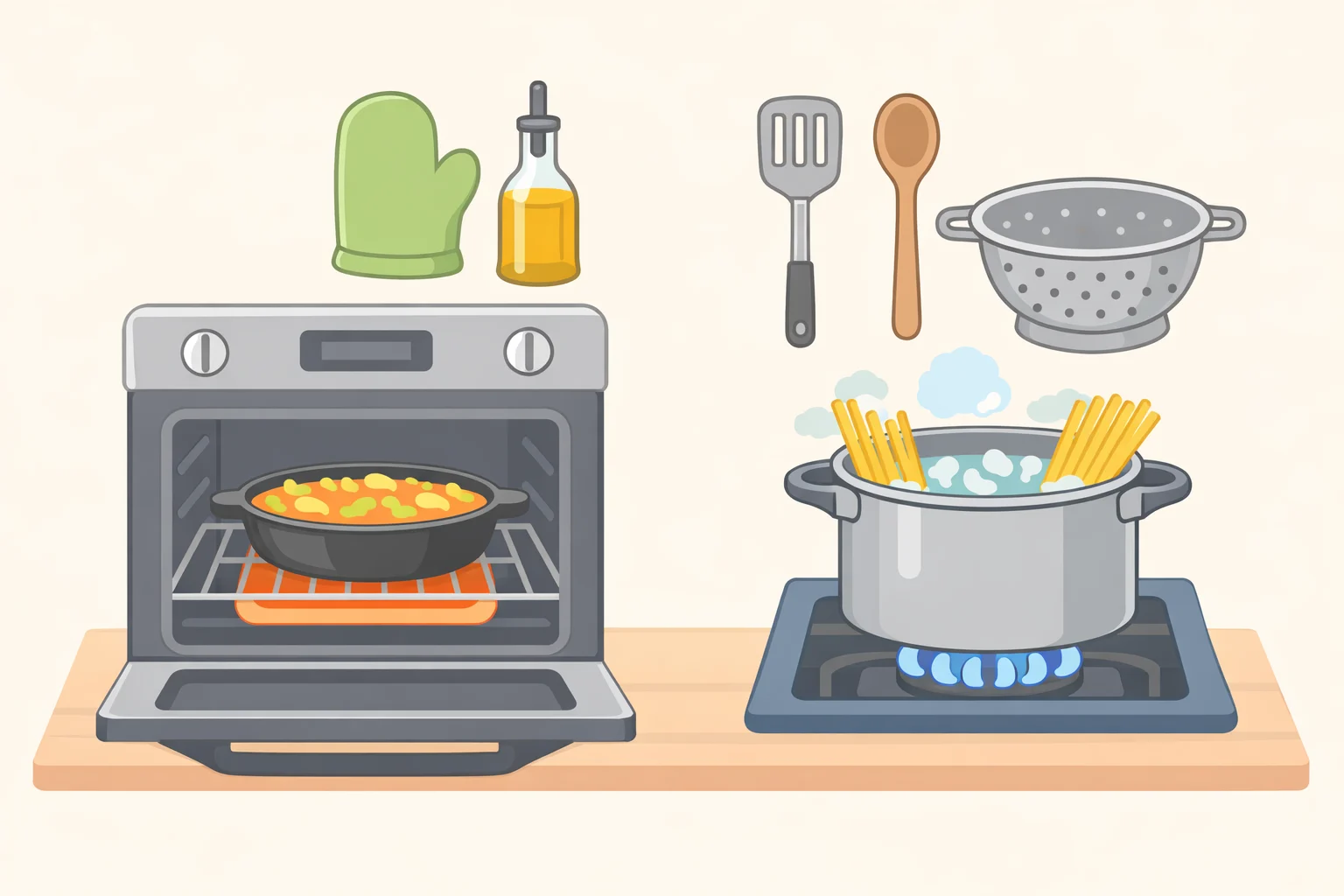
Step 1: Preheat the oven to 375°F. Start here. The oven needs to be fully up to temperature by the time the skillet is assembled. If it's not, the cheese won't brown properly.
Step 2: Par-cook the farfalle. Boil the pasta in heavily salted water, but pull it 2 to 3 minutes before the package says it's done, per Delish. It should feel noticeably firm, almost underdone. The pasta finishes cooking in the oven; if it goes in already soft, it comes out mushy. Drain, return to the pot, and toss immediately with the full jar of marinara. Don't reduce or drain the marinara first.
Step 3: Brown the sausage.
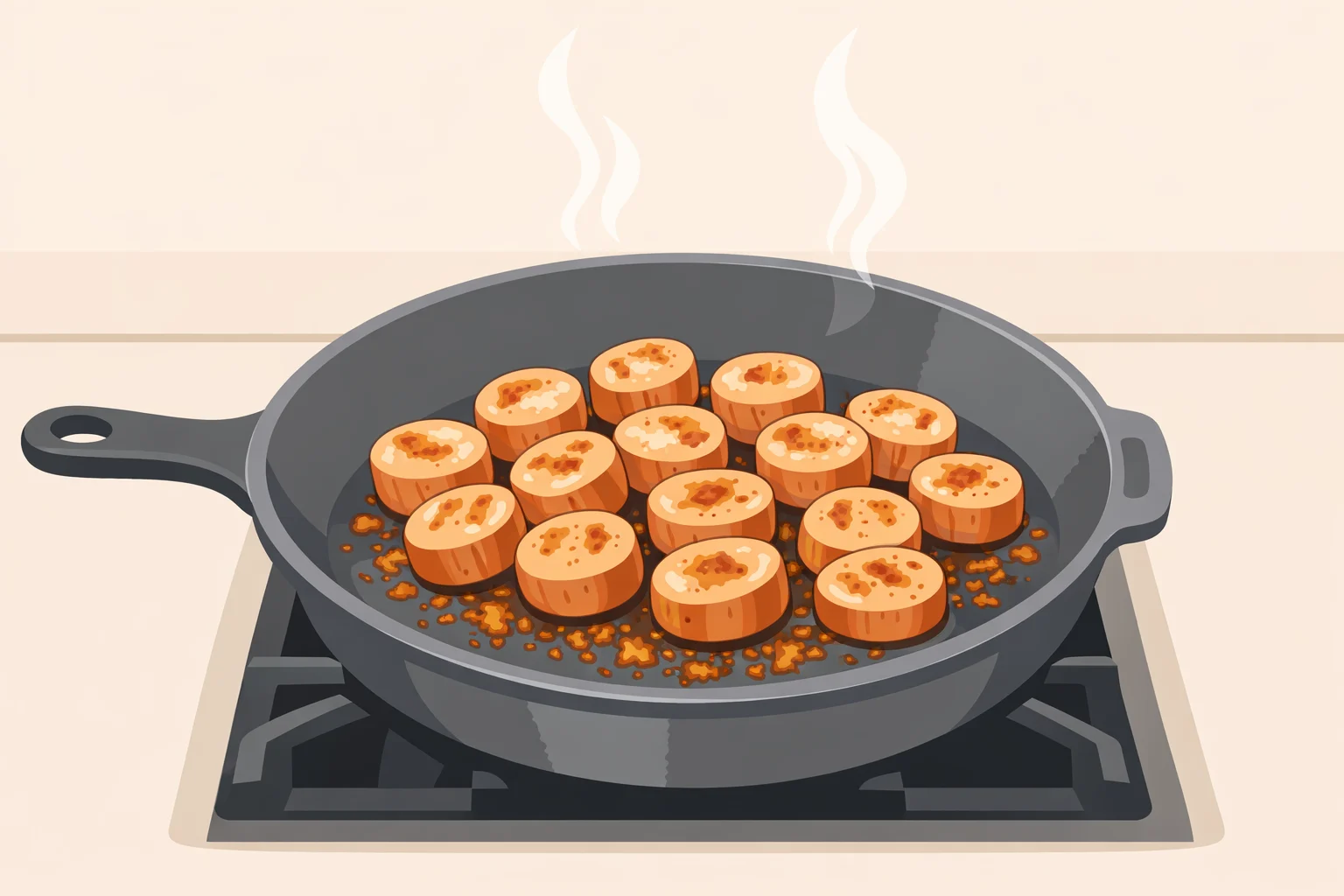
Heat one tablespoon of oil in the ovenproof skillet over medium-high heat. Add the sliced cooked sausage and cook until golden on both sides, about 3 minutes, per Delish. Transfer to the pot with the pasta. Don't wipe out the skillet; the fond left behind flavors the vegetables.
(Using raw sausage? Cook it fully here first, breaking it into pieces, then transfer and proceed.)
Step 4: Cook the vegetables and skip the extra liquid.
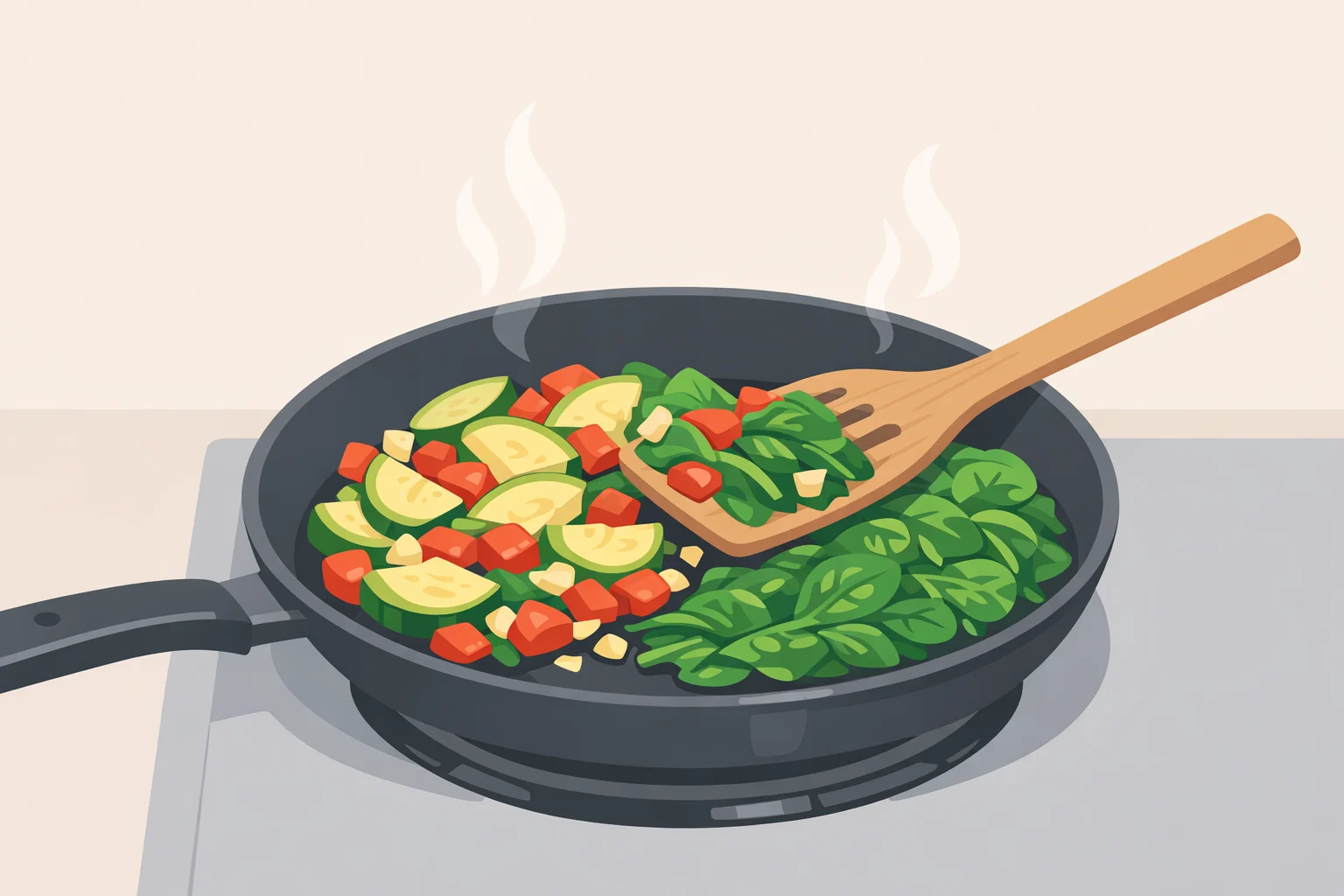
Add the remaining two tablespoons of oil to the same skillet. Cook the zucchini and bell pepper with salt and black pepper until crisp-tender and lightly colored, about 3 minutes. Add the garlic and cook until fragrant, about 1 minute. Add the spinach and toss until wilted, about 2 minutes more, per Delish.
Don't add broth or water to compensate for anything here. Lindsay Pleskot tested a comparable sausage pasta bake with just a half cup of extra broth and found it came out soupy, noting that bell peppers release considerable moisture as they bake. The vegetables supply what the sauce needs.
Step 5: Combine everything. Scrape the vegetable mixture into the pot with the pasta and sausage. Add the torn basil and toss to combine.
Step 6: Layer the skillet and add the cheese. Spoon half the pasta mixture back into the now-empty skillet. Scatter 1.5 cups of mozzarella across the top. Add the remaining pasta, then finish with the remaining 1.5 cups of mozzarella. According to Delish, a generous quantity of mozzarella is the key to a crispy, golden crust on baked pasta. The layered approach melts cheese into the interior while browning the surface.
Step 7: Bake until golden. Bake at 375°F until the cheese is fully melted and the top is well-browned, 14 to 16 minutes, per Delish.
Step 8: Rest before serving. Pull the skillet from the oven and leave it uncovered for at least 5 minutes before serving, per Delish. Lindsay Pleskot recommends closer to 10 minutes: the pasta continues cooking in residual heat and the sauce thickens as it cools slightly. Skipping this step is how a well-executed bake becomes a wet one. Finish with fresh basil before serving.
Troubleshooting this chicken sausage skillet pasta bake
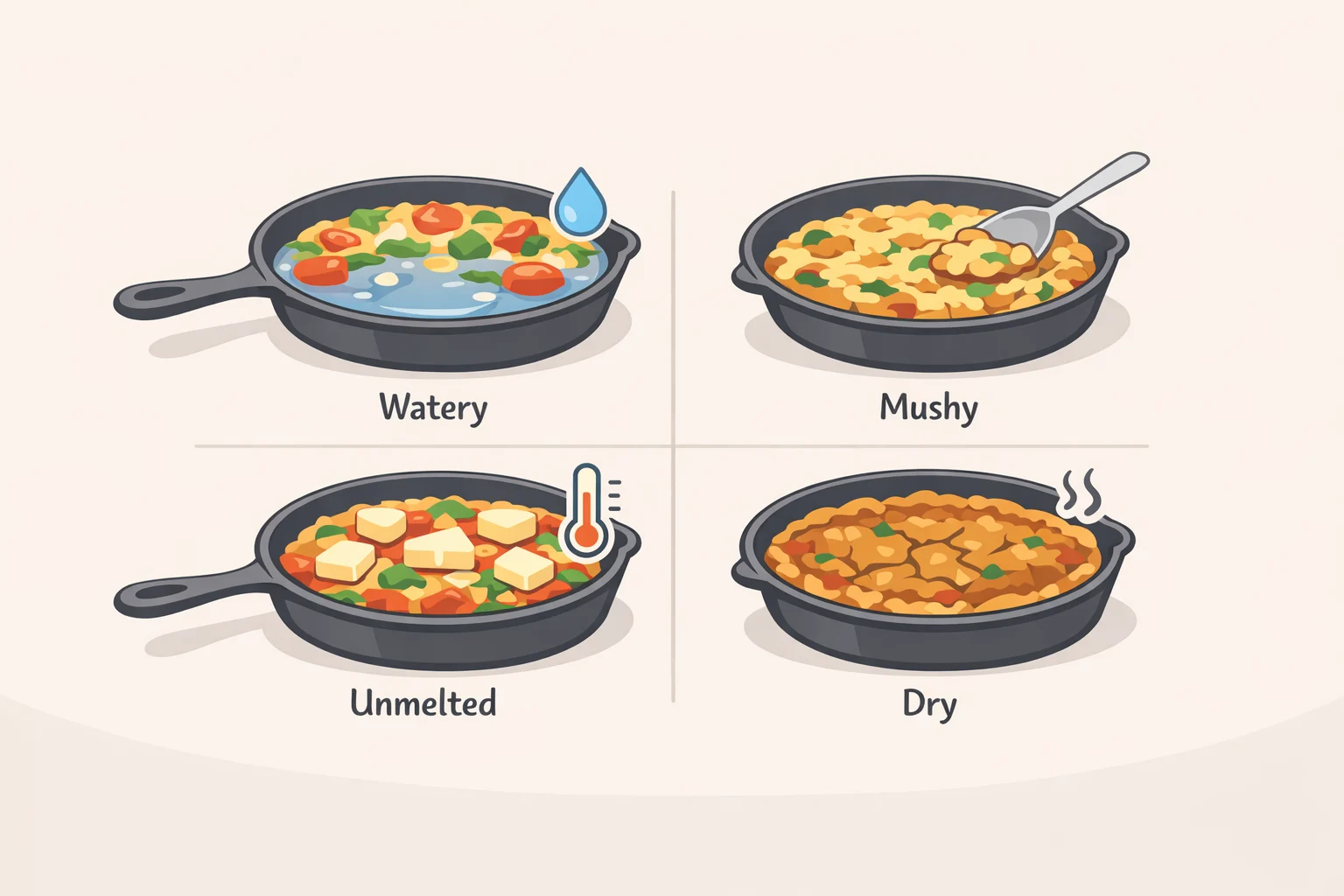
Watery bake. Usually traces back to pasta that was too soft going into the oven. Both Delish and Lindsay Pleskot point to uncovered resting as the way to tighten the sauce once baking is done. If the dish is still soupy, give it more time before serving.
Mushy pasta. The par-cook window is shorter than it feels. Pull the pasta when it's noticeably underdone, not pleasantly al dente.
Pale, unmelted cheese top. The oven wasn't fully preheated, or the surface layer wasn't level going in. Flatten the top before baking and use an oven thermometer if the temperature is in doubt.
Dry bake. Use the full 24-oz jar of marinara for 8 oz of pasta. Don't reduce it before adding it to the par-cooked farfalle.
Smart swaps for this bowtie pasta and sausage recipe
The formula is flexible, but the substitution logic matters as much as the substitution itself.
Vegetables. Stick to fast-cooking produce that holds its shape. Corn kernels, cherry tomatoes, and mushrooms all work, per I Like To Dabble and Christie's Lovestory. Keep total vegetable volume roughly the same as the original; as Lindsay Pleskot notes, vegetables release significant moisture during cooking, so adding considerably more may throw off the sauce consistency.
Protein. Ground turkey, shredded cooked chicken, or ground beef can substitute for the chicken sausage, each shifting the flavor profile slightly, per I Like To Dabble. Plant-based sausage can also work; cook it the same way, but watch for dryness, as some varieties brown faster than chicken sausage.
Cheese. Three cups of mozzarella is what produces the pull and browned crust. Partial substitutions work well: one cup of parmesan or feta mixed into the layers adds sharpness without compromising structure, per I Like To Dabble. Feta adds a salty, slightly acidic note that cuts cleanly through the marinara. Don't reduce the total cheese volume if the golden top is the point.
Make-ahead. Assemble the unbaked skillet through Step 6, cover tightly, and refrigerate for up to 24 hours, per I Like To Dabble. The pasta will absorb some sauce overnight; that's expected. Add a few minutes to baking time if going straight from the refrigerator.
Serving and storage
At 15 minutes of active prep, this is a strong weeknight option: brown, combine, layer, bake, and the oven handles the rest, per Delish. The skillet goes straight from oven to table.
The summer framing isn't locked to a narrow window. Once zucchini and bell pepper are less available, consider swapping in mushrooms or broccoli as practical alternatives the cheese, sausage, and sauce stay constant, and the produce adjusts to what's on hand.
For leftovers, reheat in a covered skillet over low heat with a splash of water or extra marinara to loosen the sauce. Mozzarella re-melts cleanly, which is one practical advantage over harder cheeses in a bake.