Pumpkin Cinnamon Rolls Recipe: Shape Tonight, Bake Fresh
This pumpkin cinnamon rolls recipe builds one full dozen from scratch: a soft, windowpane-tested dough enriched with pumpkin puree, a brown sugar and pumpkin pie spice filling, and a brown butter cream cheese glaze. It's adapted from EPPYC's soft-batch recipe, with one change: instead of baking the same day, you shape the rolls before bed, let them rise slowly in the fridge, and bake them fresh in the morning.
Worth saying upfront: EPPYC's recipe is written and tested as a single-day bake. The overnight step below is adapted from comparable pumpkin spice cinnamon roll recipes, not tested on this exact dough, so lean on the visual cues in this guide rather than a fixed clock.
Pumpkin puree adds real moisture and tenderness to the dough, according to EPPYC, and that much moisture makes the second rise harder to predict once the dough goes into the fridge. Second-rise windows across comparable overnight pumpkin recipes range anywhere from 8 to 16 hours (The Busy Baker; Chloe Dish). That's wide enough that what the rolls look like matters more than what the clock says.
What you need for this pumpkin cinnamon rolls recipe
Video of the Day
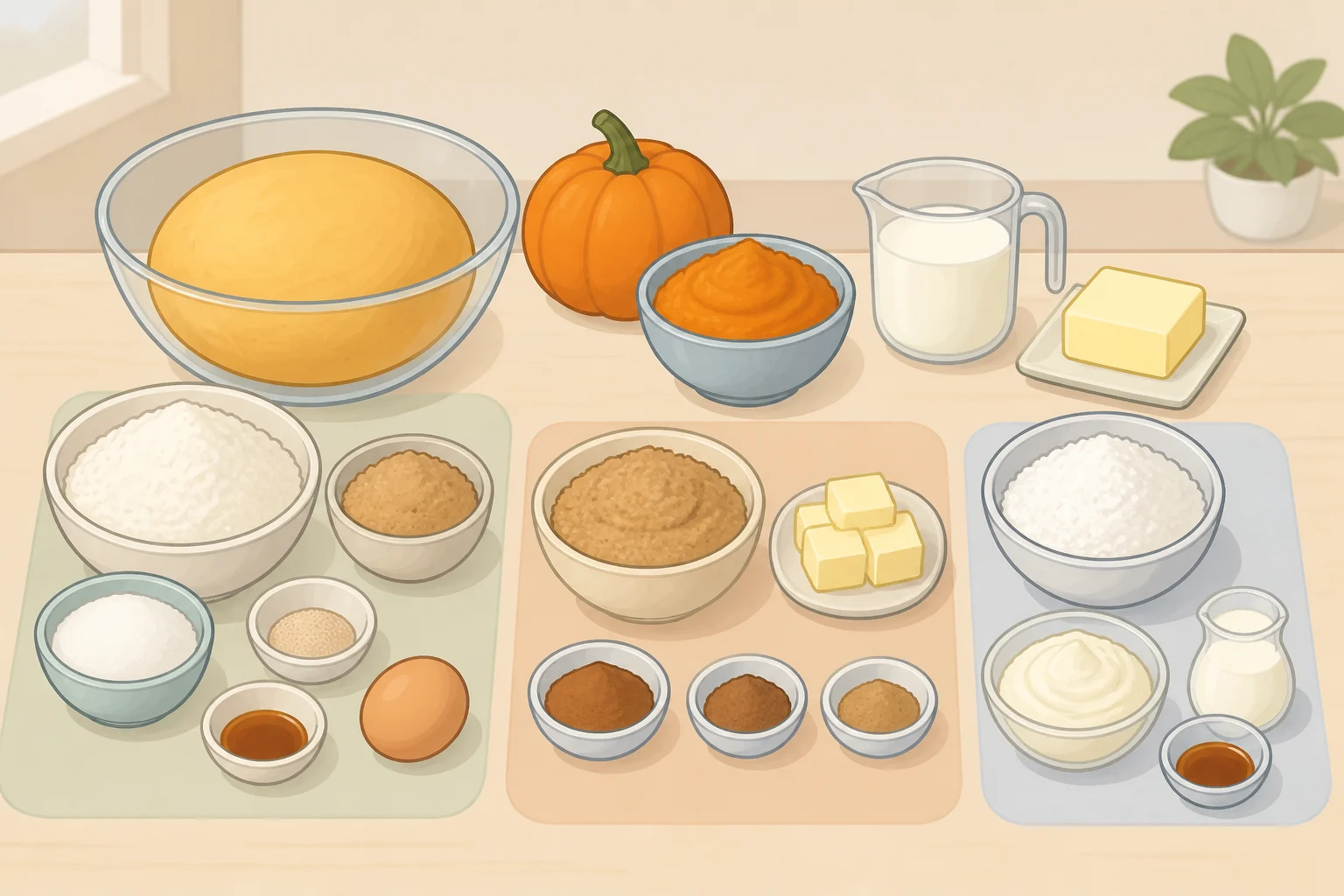
Dough: 1 cup whole milk warmed to 105–115°F, 2¼ teaspoons active dry yeast, ¼ cup granulated sugar, ½ cup pumpkin puree, 4 tablespoons melted-and-cooled unsalted butter, 1 room-temperature egg, 1 teaspoon fine sea salt, and 4½ to 5 cups all-purpose flour, added gradually (EPPYC).
Filling: ½ cup very soft unsalted butter, ¾ cup packed light brown sugar, 1 tablespoon ground cinnamon, and 1 teaspoon pumpkin pie spice (EPPYC).
Glaze: 4 tablespoons unsalted butter (browned and fully cooled), 4 ounces softened cream cheese, 2 cups sifted powdered sugar, 1 teaspoon vanilla extract, and 1–2 tablespoons milk or heavy cream to adjust consistency (EPPYC).
Equipment: a stand mixer with a dough hook, a 9×13-inch pan you can wrap airtight, plastic wrap plus foil for the overnight cover, and unflavored dental floss for slicing the log into rolls (EPPYC). An instant-read thermometer is optional but useful later, for checking the roughly 190°F mark that signals a set center (Chloe Dish).
Use 100% pure pumpkin puree, where the can lists pumpkin as the only ingredient. Pumpkin pie filling is pre-sweetened and spiced, and it will throw the recipe's balance off (The Busy Baker; EPPYC).
Video of the Day
Mixing and shaping the dough
-
Bloom the yeast. Combine the warm milk (105–115°F), yeast, and a portion of the sugar. Let it sit 5–10 minutes until foamy. If it doesn't foam, the yeast is dead, so start over with a fresh packet rather than pushing ahead (EPPYC).
-
Mix in the wet ingredients. Whisk in the pumpkin puree, cooled melted butter, egg, salt, and remaining sugar (EPPYC).
-
Knead. Switch to the dough hook and knead on medium-low for 8–10 minutes, the time this exact recipe calls for, adding the reserved flour a tablespoon at a time only if the dough won't come together (EPPYC; Chloe Dish). If it's still sticking to the bowl after 10 minutes, keep going in short increments rather than reaching for more flour. General guidance on enriched dough says some formulas need up to 15–20 minutes to fully build structure, so treat that as a ceiling to work toward with the windowpane test, not a target to hit automatically (Pocket Baker).
-
Confirm with the windowpane test. Stretch a small piece of dough thin enough to see light through it without tearing. That's a better readiness signal than watching the timer (EPPYC).
-
First rise. Place the dough in an oiled bowl, cover, and proof in a warm spot for 60–90 minutes, until visibly doubled (EPPYC). Dough temperature matters more than most bakers expect: aim for a final mixed-dough temperature of 75–85°F, just slightly warm to the touch. Cold dough stalls; dough that's too warm ferments too fast and loses structure (Pocket Baker).
-
Mix the filling. Stir the brown sugar, cinnamon, and pumpkin pie spice together in a small bowl while the dough proofs, so it's ready to go the moment the dough is rolled out (EPPYC).
-
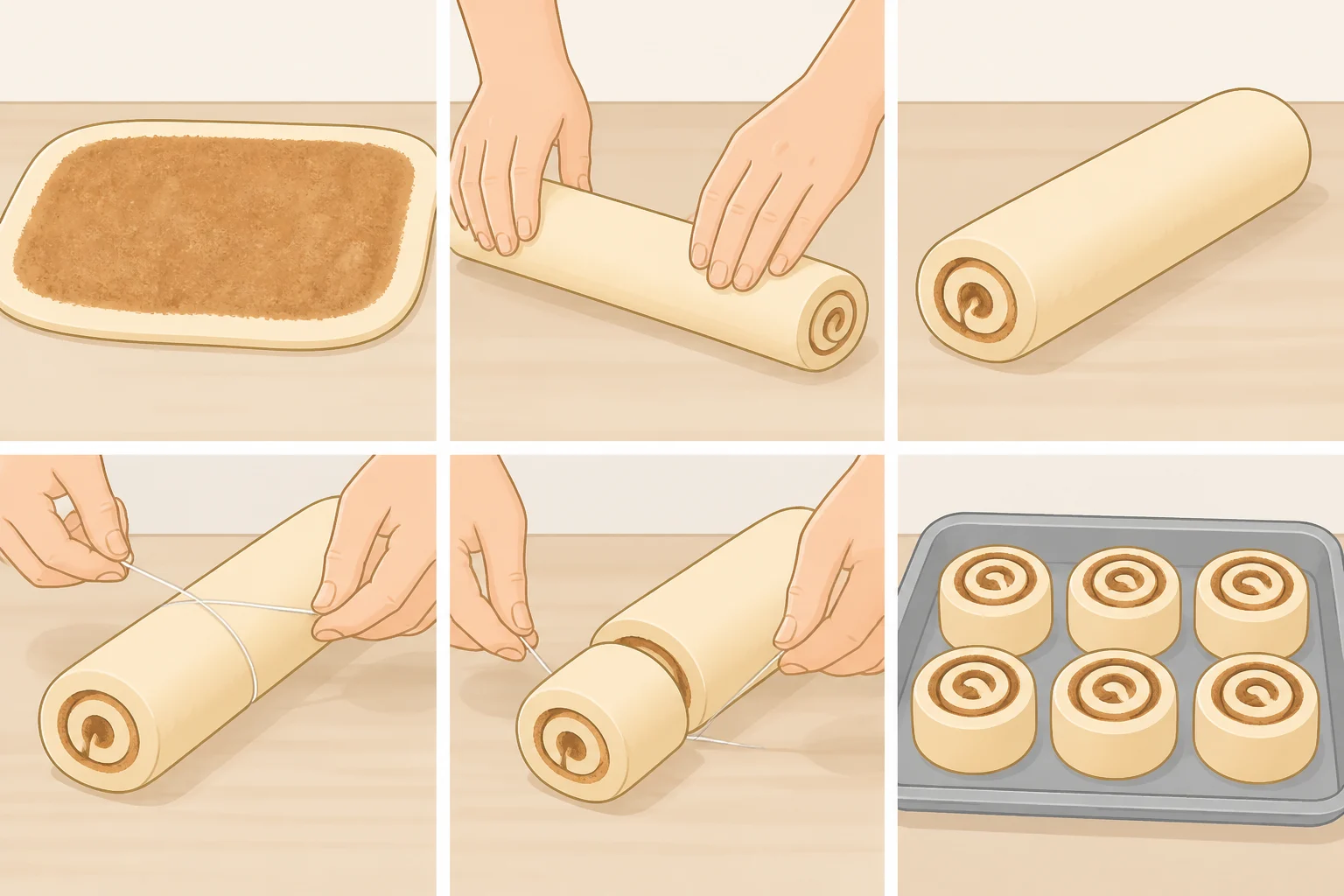
Roll, fill, and cut. Roll the dough into an 18×12-inch rectangle, spread the soft butter to the edges, sprinkle on the filling mix, roll into a tight log, and slice into 12 even pieces using dental floss slipped under the log (EPPYC). Cut carefully: uneven pieces bake unevenly and produce lopsided spirals (Pocket Baker).
-
Arrange in the pan. Place the 12 rolls cut-side up in a buttered 9×13-inch pan, leaving a little space between them (EPPYC).
How to make overnight pumpkin cinnamon rolls: the adapted timeline
EPPYC's own instructions call for a same-day second proof of 45–60 minutes at room temperature before baking. Nothing in that recipe covers refrigeration, so everything below is adapted from comparable pumpkin doughs.
-
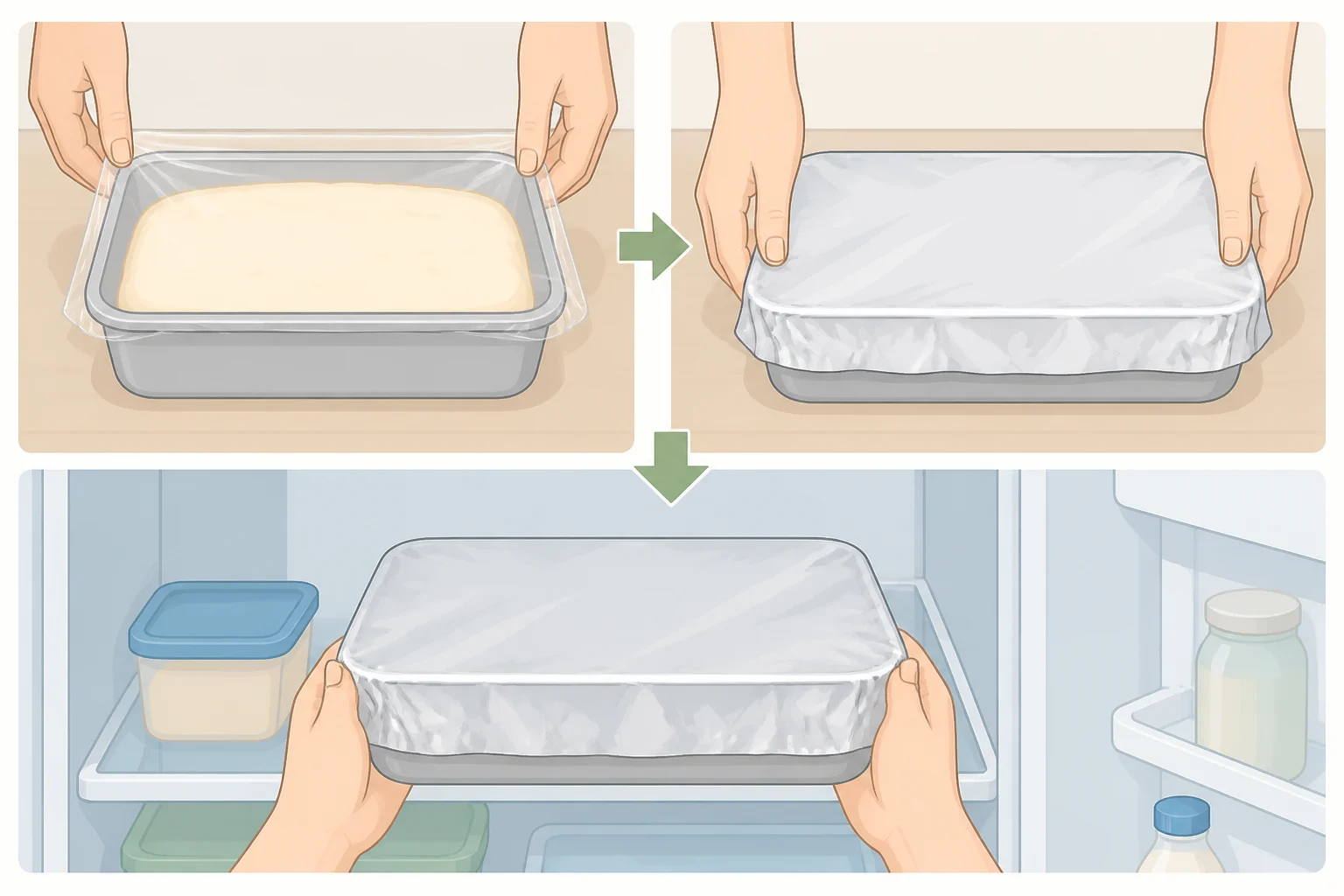
Cover and refrigerate. Wrap the pan tightly in plastic wrap, adding foil for extra protection against drying, and refrigerate. The cold slows the yeast enough that the rolls rise gradually over 8 to 12 hours (The Busy Baker). Some comparable recipes stretch that window to 16 hours (Chloe Dish), but given how much moisture this dough already carries, staying within 8 to 12 hours is the safer range.
-
Let the rolls come back to room temperature. Pull the pan straight from the fridge and let it rest 30–45 minutes before baking (Chloe Dish); a comparable overnight version rests closer to 45–60 minutes, so treat that longer range as normal (Broma Bakery).
-
Judge the rise, not the clock. The rolls should look noticeably puffy (Broma Bakery). Press one gently: it should spring back slowly or leave a slight indentation (Pocket Baker). If they still look tight or dense at the 45-minute mark, give them another 15–20 minutes; underproofed rolls need more time at room temperature, not a hotter oven (Pocket Baker).
-
Bake. Preheat to 375°F, the temperature this exact recipe calls for, not the 350°F some overnight versions use, and bake 25–30 minutes until golden brown (EPPYC). A center roll reading around 190°F on an instant-read thermometer is a useful cross-check that the interior has set (Chloe Dish; Pocket Baker).
The brown butter pumpkin rolls with cream cheese frosting
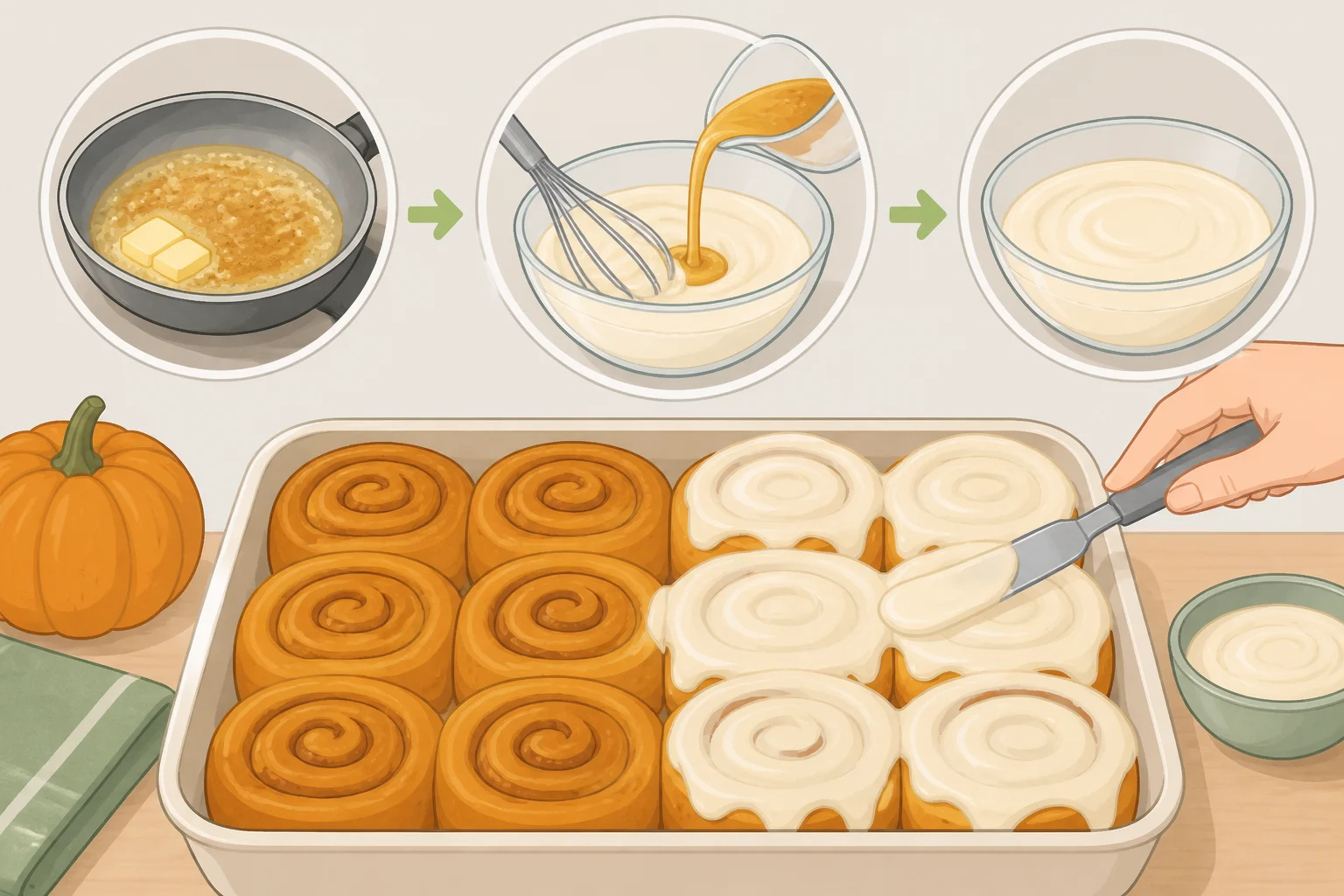
Brown the 4 tablespoons of butter while the rolls bake, stirring until the milk solids turn golden and smell nutty, then let it cool completely. The recipe calls for browned and cooled butter here, not warm (EPPYC).
Once the rolls have cooled 5–10 minutes and are warm but no longer hot, beat the softened cream cheese with the powdered sugar until smooth, then mix in the cooled brown butter, vanilla, and milk until the glaze reaches a spreadable consistency (EPPYC; The Busy Baker). Spread it over the rolls and serve.
Troubleshooting soft pumpkin cinnamon rolls
Dead yeast. If the milk-and-yeast mixture hasn't foamed within 5–10 minutes, it isn't viable. Start over with a new packet rather than proceeding; old yeast is a common cause of dense, flat rolls (EPPYC; Pocket Baker).
Too much flour. If the dough feels dry instead of soft and tacky, more flour went in than needed. Weigh the flour with a digital scale if possible, and stop adding once the dough is soft and slightly tacky rather than working through the full range by default (Pocket Baker; EPPYC).
Underproofed after refrigeration. Rolls that haven't visibly puffed or show little oven spring need more room-temperature rest, not a hotter oven (Pocket Baker).
Overproofed dough. Rolls left too long can lose structure or spread instead of springing upward in the oven. Watch for puffy, not doubled, before baking (Pocket Baker).
Underbaked centers. Pale tops and doughy middles mean more oven time is needed; rolls that collapse after cooling were likely pulled early. Check a center roll for both color and the roughly 190°F benchmark before pulling the pan (Pocket Baker; Chloe Dish).
Storing and freezing homemade pumpkin cinnamon rolls
Once glazed with cream cheese frosting, plan on covered room-temperature storage for two to three days, per the recipes surveyed (Chloe Dish; Broma Bakery). Refrigerated and covered, they keep longer, up to five days (Chloe Dish; Broma Bakery).
Unfrosted, baked rolls handle differently: cool them completely, then freeze for up to 2 months and glaze after reheating (EPPYC).
Freezing unbaked rolls is a separate path from the overnight fridge method above, not an extension of it. Assemble through the pan-arrangement step, wrap the pan tightly, and freeze for up to 1 month. Thaw overnight in the refrigerator, then give the rolls their full room-temperature rise before baking as directed; freezing doesn't replace or shorten that final proof (The Busy Baker).
The overnight window is the part worth tuning to a specific kitchen: a colder fridge, a warmer room, even the pan's material can shift the timing by fifteen minutes in either direction. What doesn't shift is the checkpoint that decides when the rolls go in the oven, puffy and touching their neighbors, confirmed by a golden top and a center reading near 190°F. Once that rhythm is settled, the same shaping-ahead approach carries over to the freezer: unbaked rolls can go in for up to a month, which is worth remembering for anyone stacking multiple batches between Thanksgiving and Christmas rather than mixing fresh dough each time (The Busy Baker).