Classic Waldorf salad recipe: how to keep it crisp
Most Waldorf salads fail in one of two ways: they're cloyingly sweet, or they turn watery and limp before anyone gets a second helping. This classic Waldorf salad recipe fixes both problems at once, delivering the dish most people actually picture, apples, celery, grapes, and walnuts, folded into a tangy dressing that holds its crunch instead of drowning in it. Three techniques do the work: pickling the apples, cutting the mayonnaise with something sharper, and using enough toasted walnuts that you actually taste them, a lesson pulled from Serious Eats' testing of the recipe six months ago.
The salad dates to 1893, when Oscar Tschirky, maître d'hôtel at New York's Waldorf-Astoria Hotel, put it on the menu. Three years later he published the full recipe in his cookbook, and it called for exactly three ingredients: apples, celery, and mayonnaise (The Vintage Cook, last fall; CultureNow, last summer).
Walnuts and grapes came later, additions from the early 20th century that eventually became so standard most people assume they were always there. Cooks have pushed further since, folding in Greek yogurt, chicken, raisins, even marshmallows (The Vintage Cook). Through all of it, the salad has held its place at holiday tables and buffet lines for more than a century, the kind of dish that fits a 1950s Thanksgiving spread just as easily as tonight's (Serious Eats).
This guide covers the now-standard apples-celery-grapes-walnuts version, using the techniques that keep it crisp and balanced rather than oversweet and wet.
Traditional Waldorf salad vs. the modern version
Video of the Day
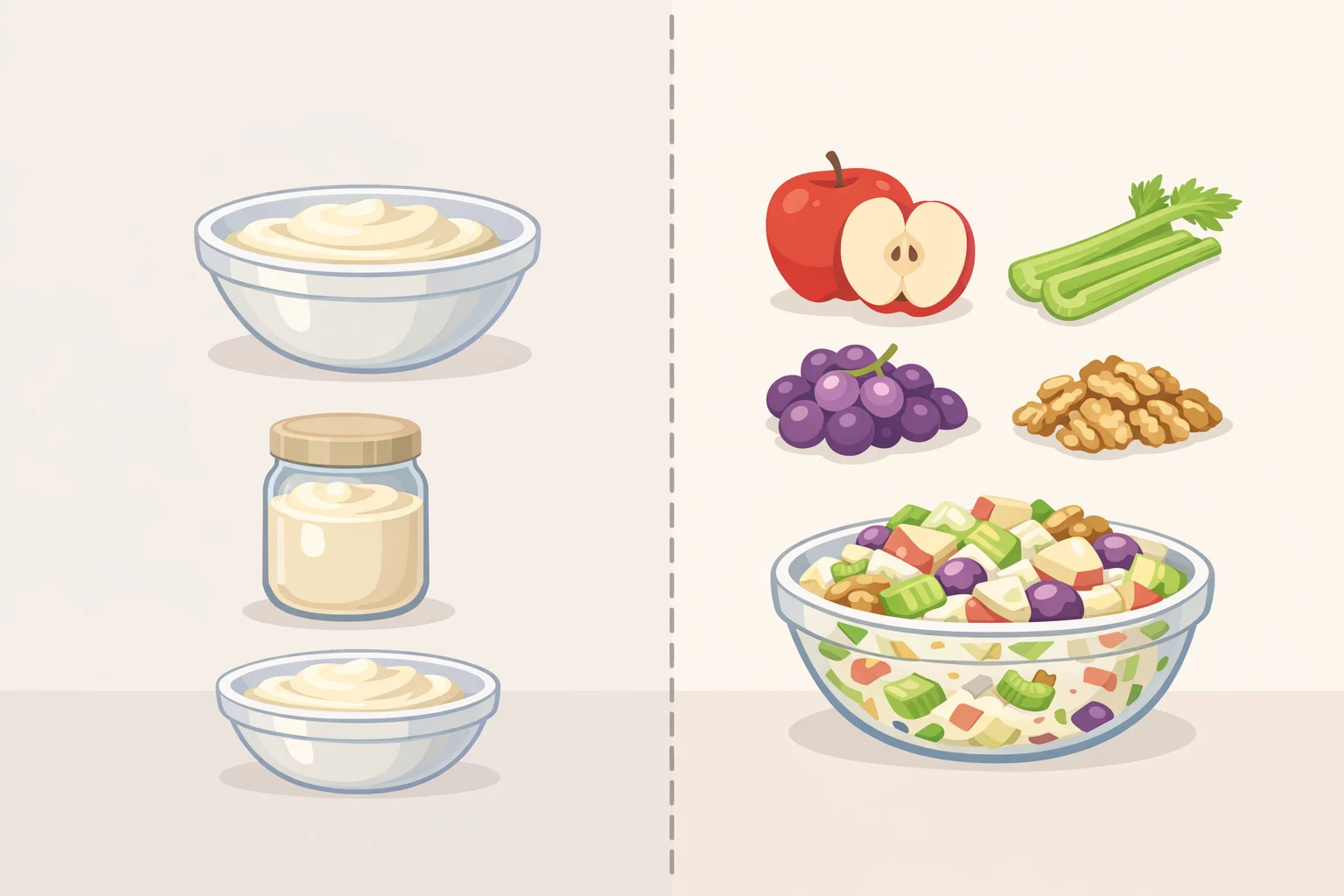
The 1896 original is worth reading exactly as written: peel and dice two apples and one celery rib, cut about half an inch square, and coat with "a good mayonnaise." That's the whole recipe. No walnuts, no grapes, no seasoning beyond what the mayonnaise brings (The Vintage Cook).
That mayonnaise-only version isn't a rough draft someone later fixed. It's the dish Tschirky intended. NYT Cooking's version stays close to it, adding walnuts, grapes, and a splash of lemon juice for brightness while keeping the same basic structure (NYT Cooking, 2024).
So the choice comes down to what you want. Looking for the historical dish, the one that would have appeared on the Waldorf-Astoria's menu in the 1890s? Make the three-ingredient original; it takes minutes and needs nothing beyond apples, celery, and mayonnaise. Want the version most people picture when they hear "Waldorf salad," grapes and walnuts included, without the syrupy sweetness or wilted produce that give lesser versions a bad name? That's what the rest of this guide builds toward.
Video of the Day
Three keys to a Waldorf salad dressing that doesn't drown the fruit
The New Yorker's first food editor, Sheila Hibben, covered food for the magazine from 1934 to 1954 and had little patience for Tschirky's creation. She wrote that his apples-and-mayonnaise combination "bred the sorry mixture of sweet salads" and pushed home cooks in the wrong direction (Serious Eats).
She had a point worth taking seriously. Plenty of Waldorf salads really do run too sweet, too wet, or both, since the mixture is mostly fruit to begin with (Serious Eats). Three adjustments fix that without abandoning the classic combination.
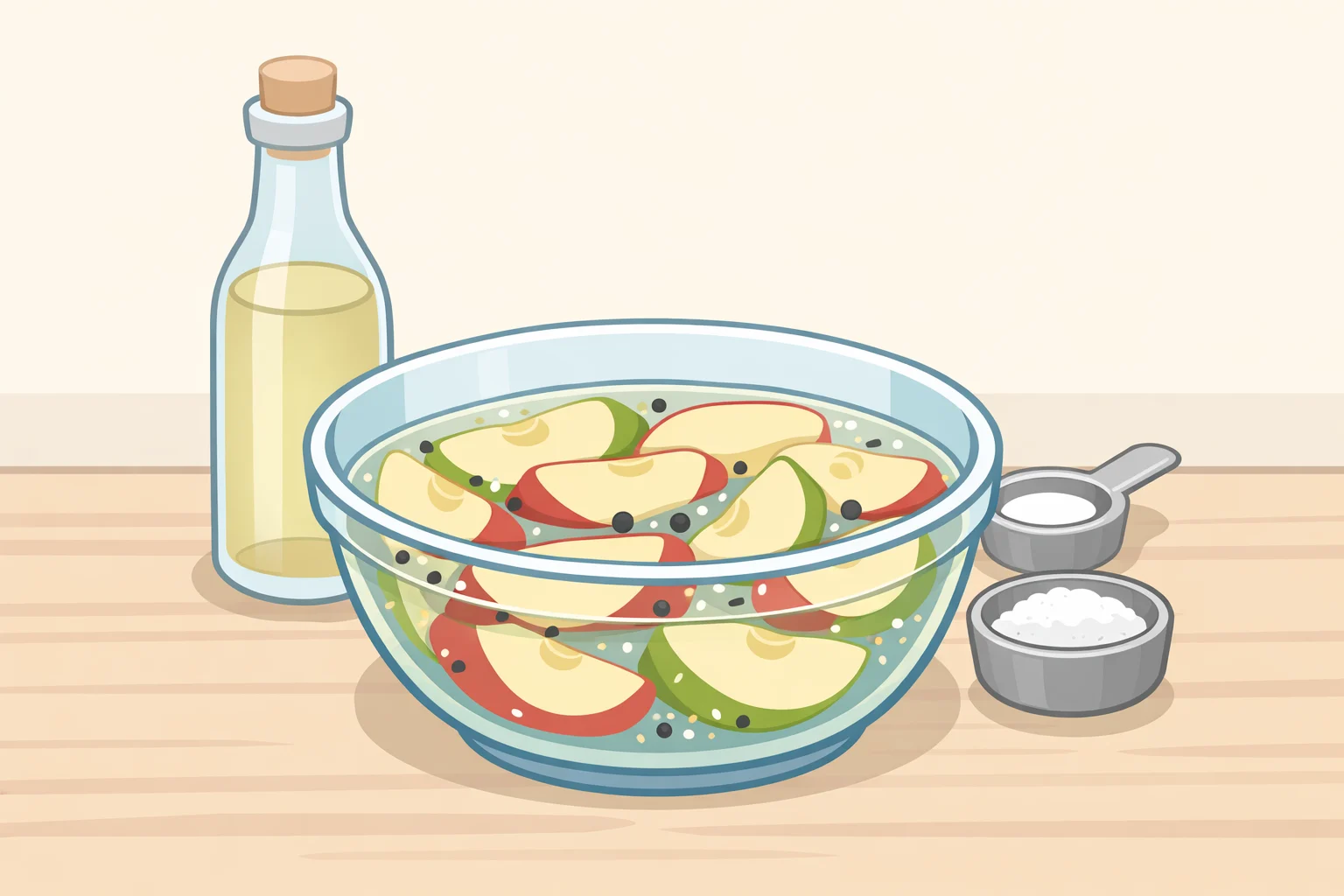
Pickle the apples. A quick brine of cider vinegar, water, sugar, and salt does two jobs at once: it adds tartness to counter a salad that leans heavily on fruit, and it slows the oxidation that turns raw diced apple mushy and brown within an hour or two (Serious Eats).
Build tang into the dressing instead of relying on straight mayonnaise. An equal-parts blend of mayonnaise and Greek yogurt, thinned with a splash of the reserved pickling brine and a couple tablespoons of chives, balances the sweetness of the grapes and apples against the richness of the walnuts. Sour cream works just as well as the yogurt; Serious Eats' own testing found the two performed identically for flavor and texture.
Don't skimp on the walnuts. A light scattering, the kind that's plenty on a green salad, disappears in this mix. A full cup of chopped, toasted walnuts is the amount that actually reads as crunchy against the soft fruit and creamy dressing (Serious Eats).
Those three moves are the whole argument. Everything below is execution.
How to make Waldorf salad with apples, grapes, and walnuts
Yield: 4 to 6 servings. Prep time: about 20 minutes. Pickling time: about 1 hour. Total time: about 80 minutes (Serious Eats).
For the pickled apples:
- 2 medium sweet-tart apples (about 8 ounces), such as Fuji, cut into 1/4-inch pieces (about 2 cups)
- 1/2 cup cider vinegar
- 1/2 cup water
- 1 tablespoon granulated sugar
- 1/2 teaspoon kosher salt
For the salad:
- 3 tablespoons mayonnaise
- 3 tablespoons Greek yogurt or sour cream
- 2 tablespoons thinly sliced fresh chives
- 1/2 teaspoon kosher salt
- 1 tablespoon reserved pickling brine
- 1 1/2 cups red seedless grapes, halved or quartered
- 1 cup coarsely chopped walnuts, toasted
- 1 cup chopped celery, plus celery leaves for garnish
- 1 cup pickled apples, drained (from above; you'll have extra)
(Serious Eats)
-
Pickle the apples. Whisk the vinegar, water, sugar, and salt together in a medium bowl until the sugar and salt dissolve, about a minute. Add the diced apple, stir to coat, cover, and refrigerate for at least an hour or up to two weeks (Serious Eats). This step is easy to knock out a day or two ahead for a dinner or holiday table; the pickled apples only improve as they sit.
-
Toast the walnuts while the apples pickle. A dry skillet over medium heat or a low oven both work. Either way, pull them once they smell nutty and look a shade darker, then let them cool before chopping if needed.
-
Whisk the dressing. Combine the mayonnaise, yogurt or sour cream, chives, salt, and reserved pickling brine in a large bowl until smooth.
-
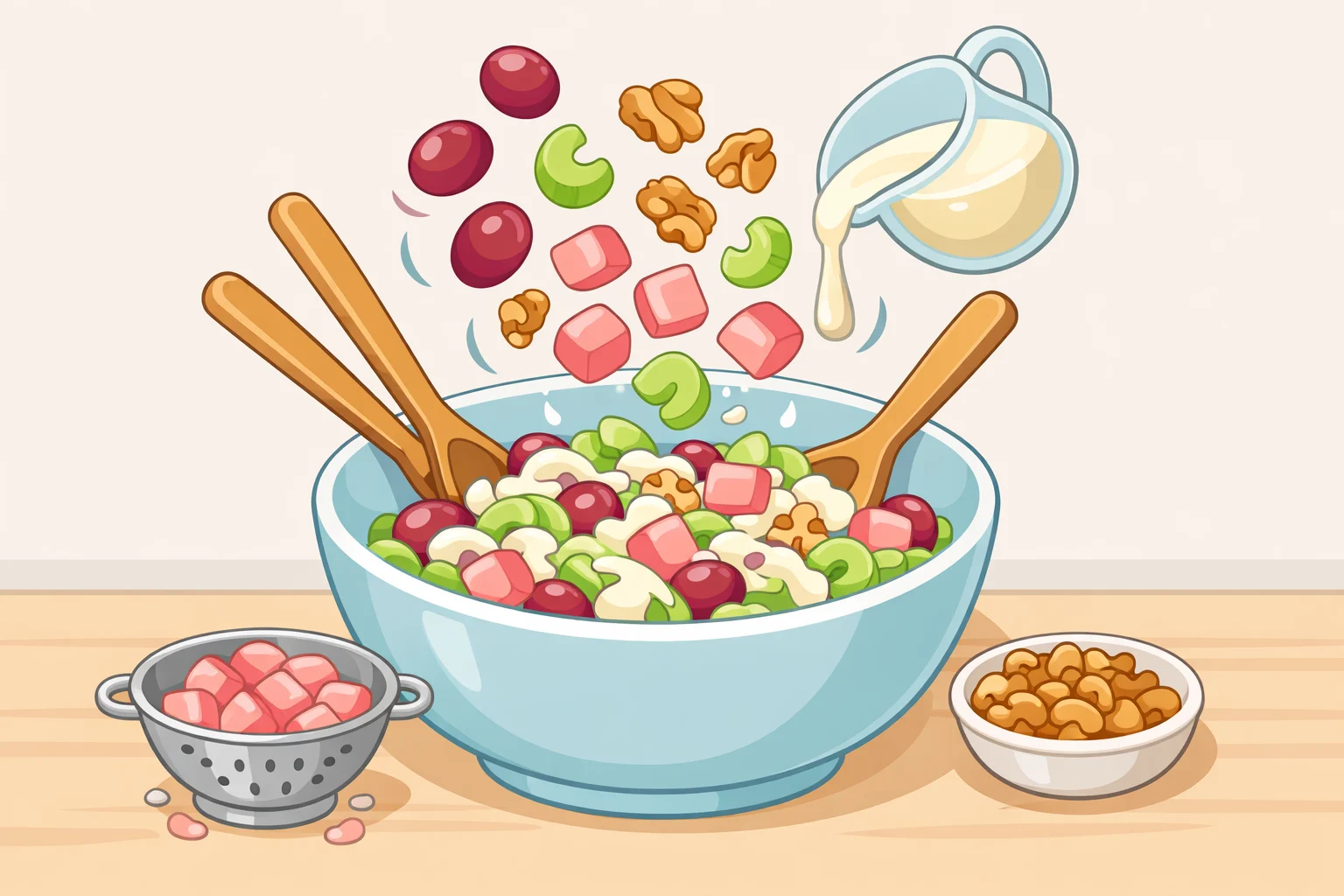
Assemble. Drain the pickled apples and measure out exactly 1 cup; the recipe makes roughly twice what the salad needs, so save the extra for a second batch or a snack. Add the grapes, walnuts, celery, and the cup of pickled apples to the dressing and stir until everything is coated. Garnish with celery leaves and serve (Serious Eats).
Each serving runs about 254 calories, with 15 grams of fat, 28 grams of carbohydrate, and 5 grams of protein (Serious Eats).
Make-ahead, storage, and serving ideas
Sources disagree slightly on timing. Serious Eats recommends assembling the salad no more than an hour before serving to keep everything at peak crunch, while NYT Cooking says its version holds up for a few hours in the fridge (NYT Cooking). The gap likely comes down to the pickled apples: this version leans on fresher, crisper produce than a straight mayonnaise-and-fruit toss, so erring toward the tighter window makes sense. Prep the pickled apples and dressing well ahead if that helps the timeline, but toss everything together within the hour before eating.
Leftovers keep for about a day in the fridge. They'll release some water and lose crispness, but they're still fine to eat once stirred back together (Serious Eats).
Presentation is where this salad gets to have some fun. Lean into its retro roots: serve it over a bed of frilly lettuce, spoon it into individual lettuce cups, or go full vintage with martini glasses, coupe glasses, or a bowl pulled from the back of a cabinet (Serious Eats).
To turn it from a side dish into a meal, fold in cooked chicken. NYT Cooking suggests this as a simple way to make the same salad work for lunch, with no change to the technique required (NYT Cooking).
The version above, pickled apples, a mayo-yogurt dressing, a genuinely generous cup of walnuts, answers the complaint Sheila Hibben made decades ago about sweet, mayonnaise-heavy salads gone soft (Serious Eats). Tschirky's three-ingredient original still holds up on its own, and it takes a fraction of the time (The Vintage Cook).
The ingredient list has never been fixed, not in 1896, not now. Walnuts and grapes were additions, not gospel; Greek yogurt, chicken, and raisins are just the latest round of updates. Treat this recipe the way cooks have treated it for more than a century: a base worth adjusting, not a formula to follow to the letter.