One-pot marry me chicken pasta: how to keep the sauce creamy
A lot of recipes call themselves "one-pot," but plenty still boil the pasta separately and just finish it in the same skillet. This guide covers a genuine one-pot marry me chicken pasta: chicken, sauce, and noodles cooked together in a single vessel, no second pan involved. Done right, it's a creamy sun-dried tomato chicken pasta on the table in about 40 minutes, but only if a handful of timing decisions go the right way.
Marry me chicken pasta takes the garlic, sun-dried tomato, and Parmesan flavor of the original Marry Me Chicken and turns it into a full dinner (Girl Carnivore). Simply Recipes built the one-pot method this guide is based on: pasta cooked directly in stock, finished off heat with cream cheese and Parmesan. Not every recipe site agrees that's the better approach. MarryMe.Recipes treats reserved pasta water as "mandatory, not optional" for a sauce that reliably clings, and states flatly that the one-pot method "consistently fails," a position specific to their own separately boiled recipe rather than a settled verdict on the technique.
What follows is the full one-pot method adapted from Simply Recipes, a table of fixes for the ways it can go sideways, and the two-pot alternative for nights when a more polished sauce is worth an extra dish to wash.
What you need: ingredients and equipment
Video of the Day
The ingredient list below, from Simply Recipes, serves four:
- 1 lb boneless, skinless chicken breasts, cut into ¾-inch cubes
- 2 tsp kosher salt
- 1 tsp black pepper
- ½ cup chopped oil-packed sun-dried tomatoes, plus 2 tbsp of their oil
- 1 small red onion or shallot, sliced
- 2 cloves garlic, sliced
- 1½ tsp Italian seasoning
- ½ to 1 tsp red pepper flakes (optional)
- 1 tbsp tomato paste
- 3 cups chicken stock, plus more as needed
- 8 oz medium pasta (a shape with a 12- to 14-minute package cook time, such as fusilli, mezze rigatoni, or penne)
- 4 oz cream cheese, softened
- ½ cup grated Parmesan
- 1 cup baby spinach or arugula (optional)
- Fresh basil and lemon wedges, for serving (optional)
On pasta shape, Girl Carnivore recommends short, ridged cuts like penne or rigatoni because they hold the sauce, and notes that fettuccine works too for anyone who prefers long noodles. Simply Recipes suggests fusilli, mezze rigatoni, or penne on that same 12- to 14-minute timeline, and MarryMe.Recipes uses penne or rigatoni. Ridged shapes are the recommended default across sources, not proof that anything else fails outright.
For equipment, use a large pot, Dutch oven, or braiser (Simply Recipes). Width matters less for slowing evaporation than for giving the pasta room to move through the liquid as it cooks, instead of clumping in the middle.
A note on how this was built: the steps below follow Simply Recipes' one-pot method closely, with explanations added for why each stage is timed the way it is. It hasn't been independently retested here, so treat the times as a strong starting point and adjust for the actual stove and pot in front of you.
Video of the Day
Step-by-step: the one-pot marry me chicken pasta method
-
Season the chicken. Toss the cubed chicken breast with the salt and pepper.
-
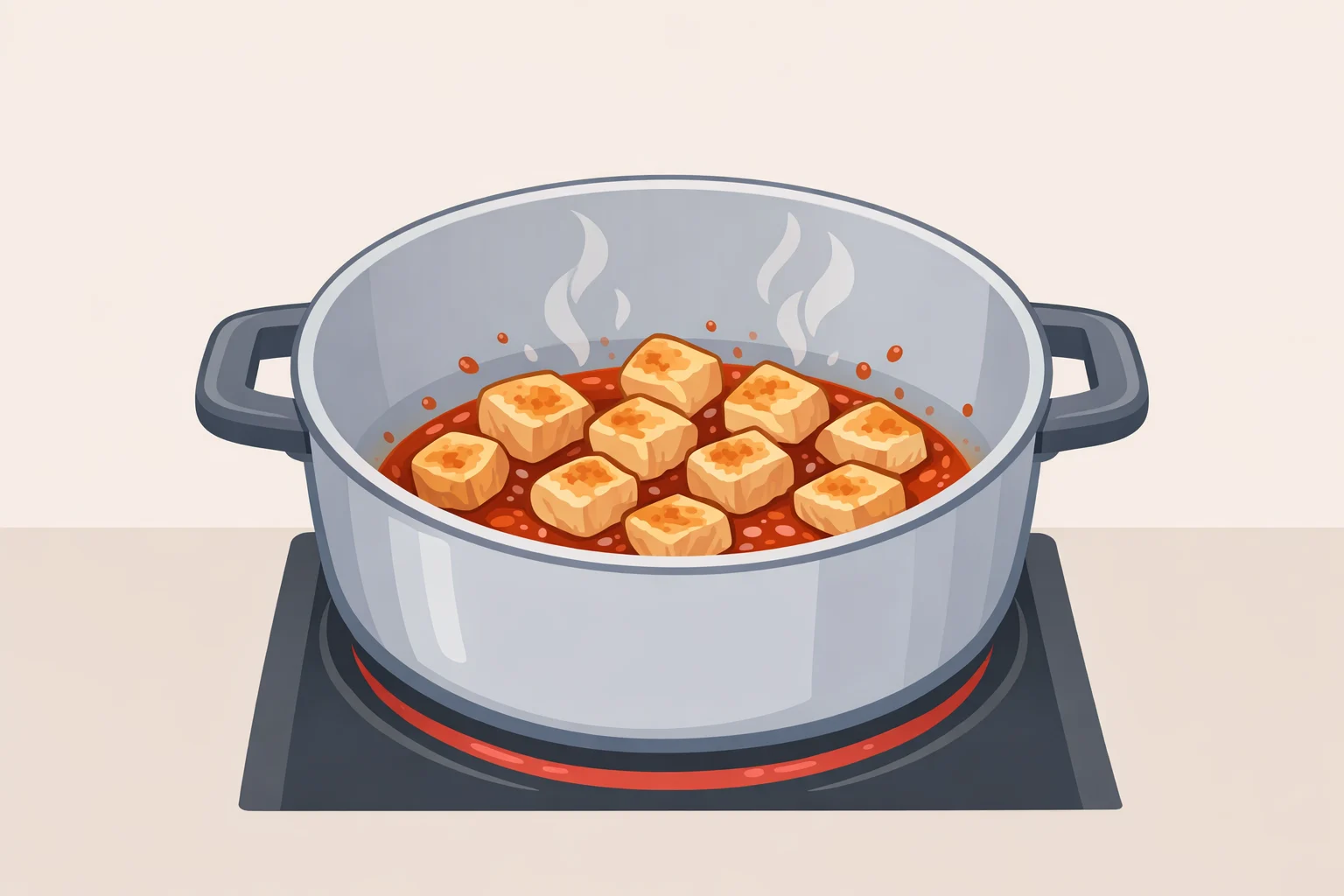
Sear it in the pot. Add the reserved sun-dried tomato oil to a large pot over medium heat. Once hot, add the chicken and cook undisturbed until browned on one side, about 5 minutes (Simply Recipes). It stays in the pot from here on; there's no removing and returning it later, it just keeps cooking as the sauce and pasta come together around it.
-
Build the sauce base around the chicken. Add the onion and sauté, stirring frequently, until tender and translucent, about 3 minutes. Stir in the Italian seasoning and red pepper flakes, then after about a minute add the tomato paste and sun-dried tomatoes, cooking 1 to 2 minutes until they darken and start to caramelize (Simply Recipes).
-
Add the stock and pasta. Pour in the 3 cups of chicken stock and turn the heat to high. Once it's simmering, stir in the pasta and set a 10-minute timer (Simply Recipes). Stir occasionally during this stretch so nothing sticks to the bottom.
-
Check the pasta at the 10-minute mark. It should be just al dente; if it's still firm, give it 2 to 4 more minutes (Simply Recipes). Most of the stock should be absorbed by now, and the chicken, having simmered the whole time, should read 165°F on a thermometer (Girl Carnivore).
-
Turn off the heat and finish the sauce. Stir in the spinach or arugula if using, then add the softened cream cheese and Parmesan, stirring gently until they melt in (Simply Recipes).
-
Adjust the consistency. If it looks dry, stir in a little hot water or extra stock at a time until it looks right. If it looks too loose, cover the pot and let it sit off heat for 5 minutes; it thickens as it rests (Simply Recipes). Finish with basil, extra Parmesan, or a squeeze of lemon, if using.
Troubleshooting an easy one-pot chicken pasta
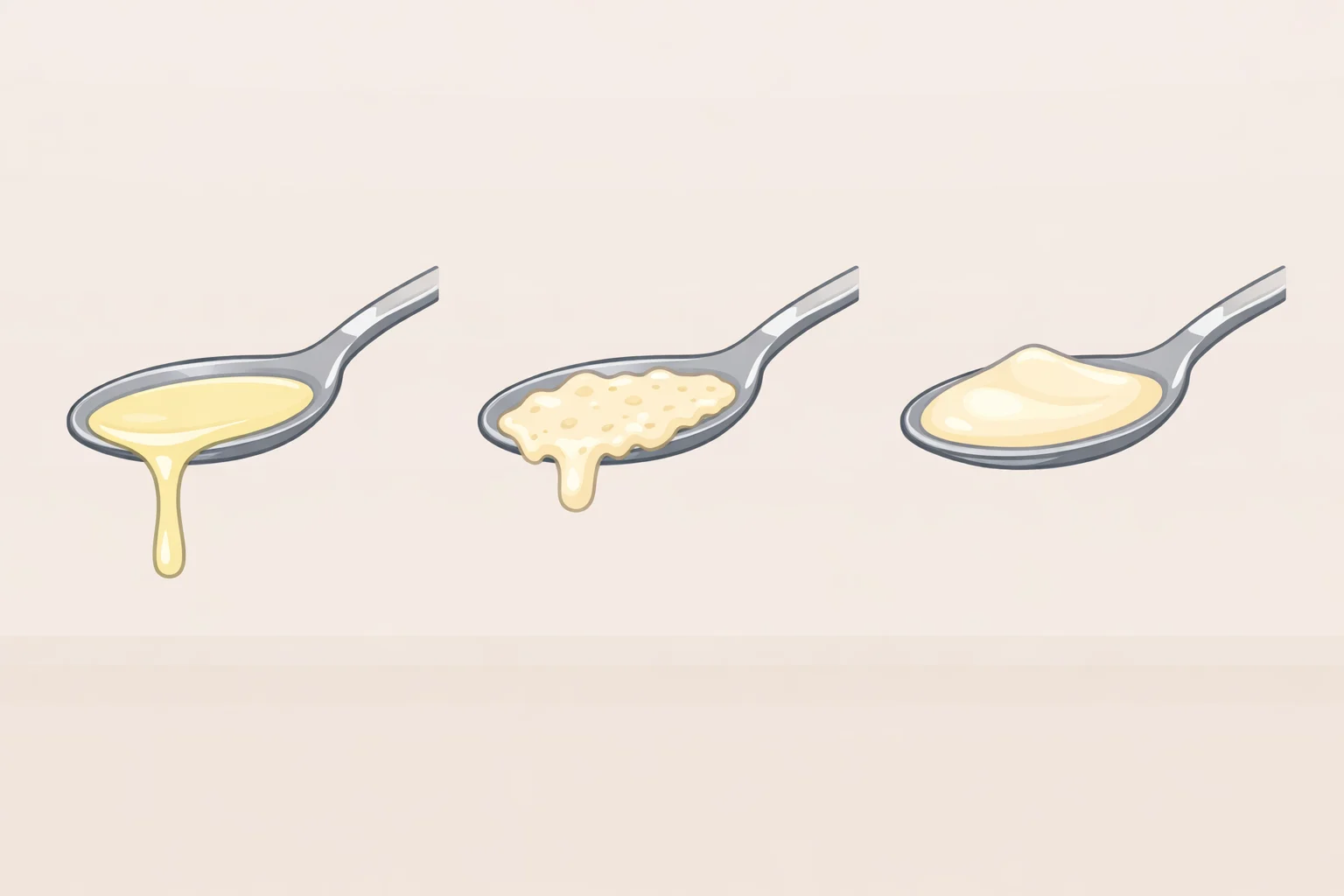
One-pot cooking has a narrower margin for error than boiling pasta separately, since there's no reserved starchy water sitting off to the side if something needs adjusting. Some of the fixes below come straight from the sourced recipes; others are practical calls for problems the research doesn't spell out a cause for.
| If this happens | Try this |
|---|---|
| Pasta is still firm and the stock is gone | Add hot water or stock a little at a time, lower the heat, and cover the pot partway until the pasta finishes (Simply Recipes) |
| Sauce is thin and watery once the cheese melts in | Cover the pot and let it rest off heat for 5 minutes before adjusting further; resting concentrates the sauce without overcooking the noodles (Simply Recipes) |
| Sauce turns grainy instead of smooth | Pull the pot off the heat entirely before stirring in the Parmesan; cream sauces tend to turn grainy when cheese meets high heat (Girl Carnivore) |
| Pasta clumps together in the pot | Stir more often in the first few minutes after the pasta goes in, rather than waiting until the 10-minute check |
The two-pot alternative, and how to choose
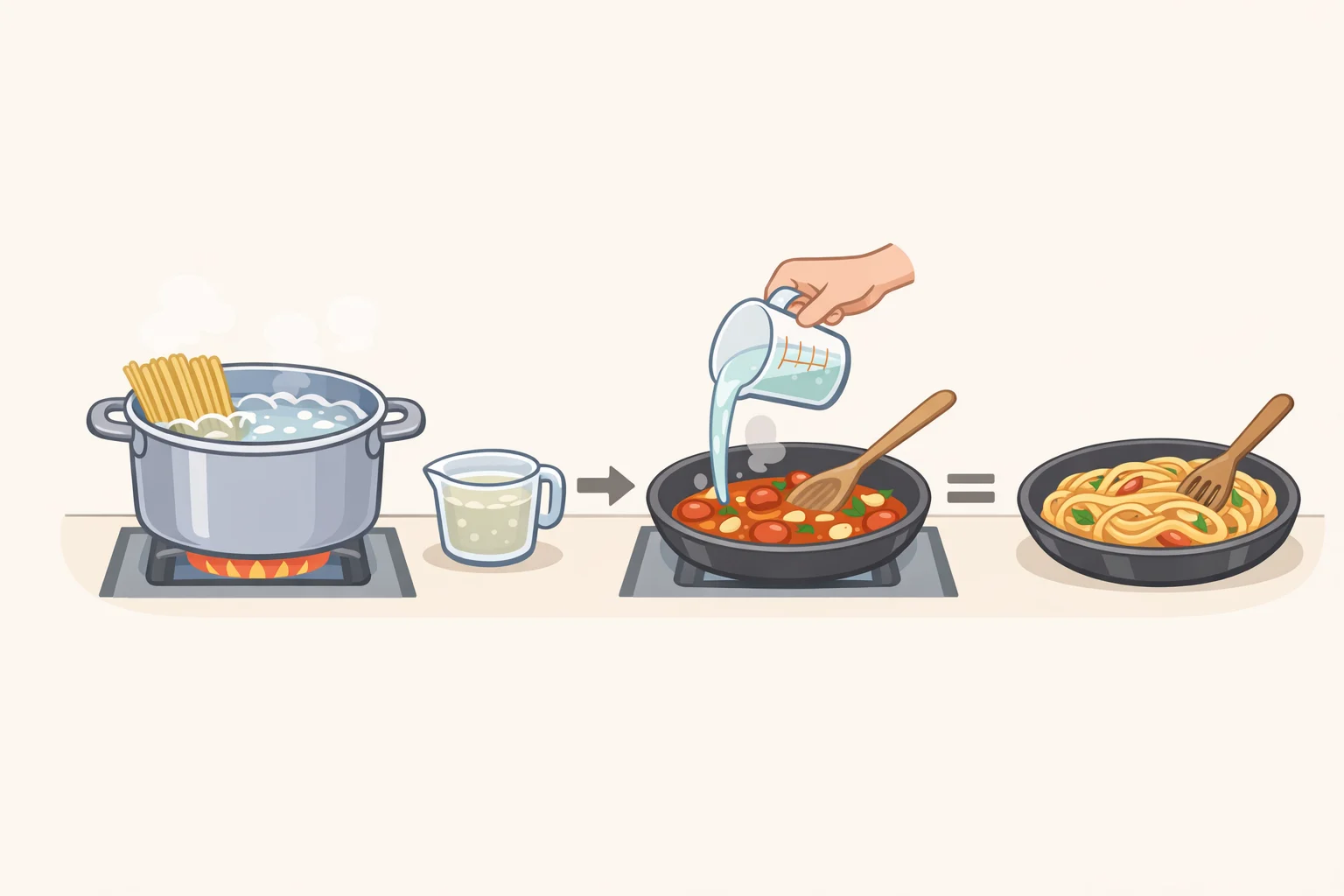
MarryMe.Recipes takes a different approach: boil rigatoni until about 1 minute short of al dente, reserve 2 to 3 tablespoons of the starchy cooking water, then finish the drained pasta in the sauce with that water, tossing over low heat for about 60 seconds. Parmesan goes in during three separate stages, with full stirring between each addition.
MarryMe.Recipes states flatly that reserved pasta water is "mandatory, not optional" and that the one-pot method "consistently fails." That's a strong claim, and one specific to their own recipe rather than a verdict on the technique overall. The practical difference between the two methods comes down to timing: separately boiled pasta leaves starchy water on hand that can go back into the sauce at the very end, a second chance to loosen or smooth things out. The one-pot method uses that same starch, but it's already dissolved into the sauce by the time the pasta is done; once the stock is absorbed, there's nothing left in reserve.
For a 30-minute marry me chicken pasta, the separately boiled version is the closer match. MarryMe.Recipes lists a 30-minute total time against the one-pot method's 40 (MarryMe.Recipes).
It's also worth checking a recipe's steps against its own label. Girl Carnivore's recipe is branded "one pan," but the method starts by boiling and draining pasta separately before building the sauce, which is functionally the two-pot approach, not the one described above.
In practice, the choice comes down to what the night calls for. One pot means fewer dishes and pasta cooked directly into the sauce, in about 40 minutes. Two pots means an extra pan and closer attention to timing, in exchange for tighter control over the finished texture. Neither is more correct than the other; the sources genuinely disagree on which trade-off is worth making.
Variations once the base method is solid
Boneless, skinless chicken thighs work in place of breast meat and stay especially tender, though they should be cooked further, to roughly 175 to 185°F rather than 165°F (Girl Carnivore). Rotisserie or leftover cooked chicken can replace the raw-sear step entirely for a faster version; stir it in during the final few minutes so it heats through without drying out (Simply Recipes).
For a dairy-free version, The Roasted Root swaps full-fat canned coconut milk for heavy cream in a heavier-cream style sauce, reporting that the coconut flavor gets masked by the garlic and sun-dried tomato base. That's a separate recipe built around cream from the start, not a substitution inside the cream-cheese method above. The same source uses 8 ounces of dry gluten-free pasta, including chickpea-based Banza penne, in that build. It's worth trying in the one-pot method here, but liquid absorption and timing may behave differently with gluten-free noodles, so check the pasta a minute or two before the timer goes off.
Storing and reheating
Leftovers keep for different lengths depending on whose recipe is followed. Simply Recipes and Girl Carnivore both say up to 3 days in an airtight container in the refrigerator. MarryMe.Recipes says 4 days, and The Roasted Root says 5. None of the sources explain the gap, so the conservative call is to go with the shortest window, 3 days, rather than push it. Girl Carnivore recommends reheating over low heat on the stovetop with a splash of broth or cream, since the microwave tends to split the sauce.
Which method to use
One pot is the right call on an ordinary weeknight: fewer dishes, a forgiving process, and dinner in about 40 minutes with the noodles cooking directly into the sauce. Reach for the two-pot method when the sauce is the whole point, for the kind of dinner the dish's name is actually about, since the reserved starchy water gives it a real shot at a glossier, more emulsified finish.
Either way, once the base sequence is familiar, swapping in thighs, rotisserie chicken, or gluten-free pasta doesn't mean relearning anything. The technique stays the same even when the ingredients change.