Calabrian chili butter chicken gnocchi: 30-minute method guide
This is a method companion to the Mason Fit base recipe. The chicken glaze quantities are fully specified here; exact sauce and gnocchi amounts live at the source. Think of this as the sequencing guide that explains the why behind each step, not a standalone recipe card.
With that framing established: the dish is spicy vodka sauce blended smooth with cottage cheese, poured over pillowy gnocchi, topped with sweet-and-spicy glazed chicken crumbles. Four servings, 520 calories each, 46g protein per serving, per Mason Fit. Total time is 30 minutes, split roughly 10 minutes of prep and 20 of active cooking.
"Butter chicken" in the title refers to the glaze on the ground chicken crumbles, not the Indian dish. Balsamic, honey, and chile reduce down until they coat the meat in something lacquered and savory. No dairy, no cream. The name fits because the result tastes rich in a way the ingredients don't fully explain.
Prerequisites: A blender or immersion blender, a large skillet, and a pot for boiling gnocchi. Settle your chile and sauce choices before any heat goes on those decisions shape flavor and, in the case of garnishes, the final calorie count.
Before you start: ingredient decisions for this spicy chicken gnocchi
Video of the Day
Three variables are worth thinking through before anything hits the skillet. Everything else runs on autopilot.
The chile. Calabrian chiles are oil-packed peppers from southern Italy, sold jarred and chopped. They turn up at specialty grocery stores and online retailers. Two tested retail options, per Mason Fit: Divina chopped Calabrian peppers from Whole Foods, and Trader Joe's Italian Bomba pepper sauce. The Bomba is milder, which means you can use more of it without tipping the dish into uncomfortable territory.
If neither is accessible, tomato paste substitutes at a 1:1 ratio, per Mason Fit. That swap trades the chile's sweet-heat complexity for straight tomato depth. The dish holds together either way; the Calabrian version just has more dimensional heat. A mild pepper paste like harissa or piquillo also works if you want warmth without the Calabrian-specific flavor profile.
One practical note for spice-sensitive cooks: 2 tablespoons of Calabrian chiles across four servings reads as moderate heat in testing, not blunt fire. The tomato paste substitute is a genuine option, not a fallback for the timid. Use it freely if your table calls for it.
The vodka sauce. Carbone's spicy vodka sauce was the development choice, running roughly 60 calories per half cup, per Mason Fit. Brand matters less than two criteria: it should be spicy rather than mild, and it should be something you'd eat straight from the jar. Cottage cheese extends and enriches whatever base you choose, so a flat sauce produces a flat result.
Garnishes. Ricotta, fresh basil, extra peppers, parmesan, and olive oil take the bowl from weeknight dinner to something worth serving company. They also add calories on top of the base 520. Mason Fit flags the ricotta and olive oil as worth adding if the calorie budget allows. Decide before you plate rather than mid-service; garnishes added as an afterthought tend to land unevenly across bowls.
Video of the Day
How to make calabrian chili butter chicken gnocchi
These four steps follow a strict sequence. The one overlap worth timing deliberately is starting the gnocchi water while the sauce blends. That single bit of multitasking is what keeps the whole cook inside 20 minutes.
Step 1: cook and glaze the ground chicken
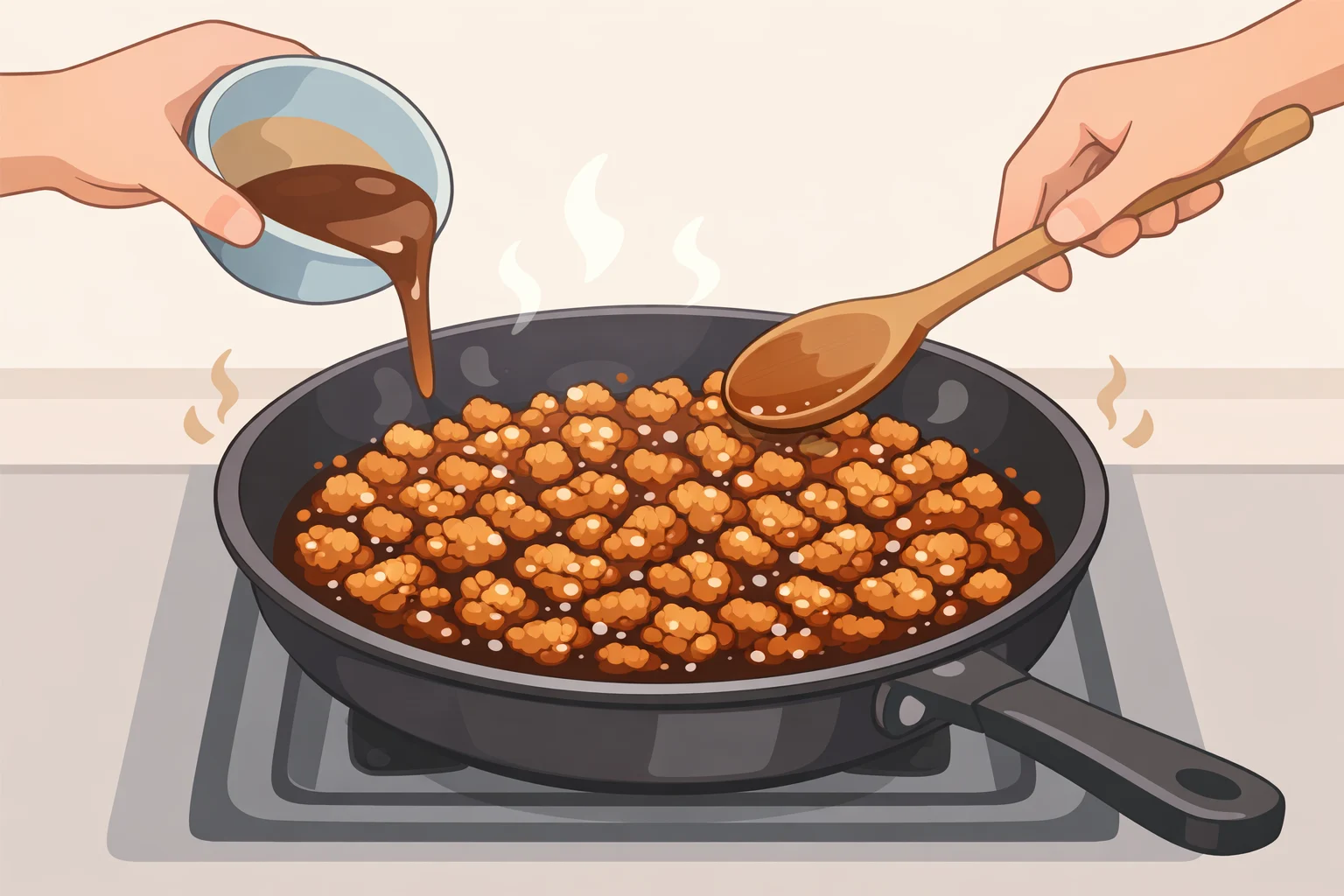
Heat a large skillet over medium-high. Add one pound of ground chicken and break it into small crumbles as it cooks, per Mason Fit. Ground chicken has less fat than beef or pork, so it cooks faster and dries out faster; medium-high is right, but keep it moving.
Once the meat is mostly cooked through and no longer pink about 5 minutes add the glaze ingredients: 2 tablespoons Calabrian chile peppers, 2 tablespoons balsamic vinegar, 2 tablespoons honey, 4 frozen crushed garlic cubes or 4 cloves of fresh garlic, and 2 tablespoons water, per Mason Fit. Stir everything together and let it reduce for 3 to 4 minutes.
What you're looking for: the balsamic and honey caramelize at the edges of the pan as the liquid cooks off. That's where the concentrated, savory-sweet flavor lives. Don't rush it by cranking the heat. You want reduction, not scorching. When the chicken looks lacquered rather than wet, it's done. Transfer it to a bowl and leave the pan unwashed those fond bits matter in Step 3.
A note on the honey-balsamic combination: it sounds sweet, but the Calabrian chiles and garlic cut through it hard. The finished crumbles are savory-forward, with sweetness as a back note rather than the lead. That balance is what makes the topping work against a rich cream sauce instead of fighting it.
Step 2: blend the sauce smooth and start your gnocchi water now
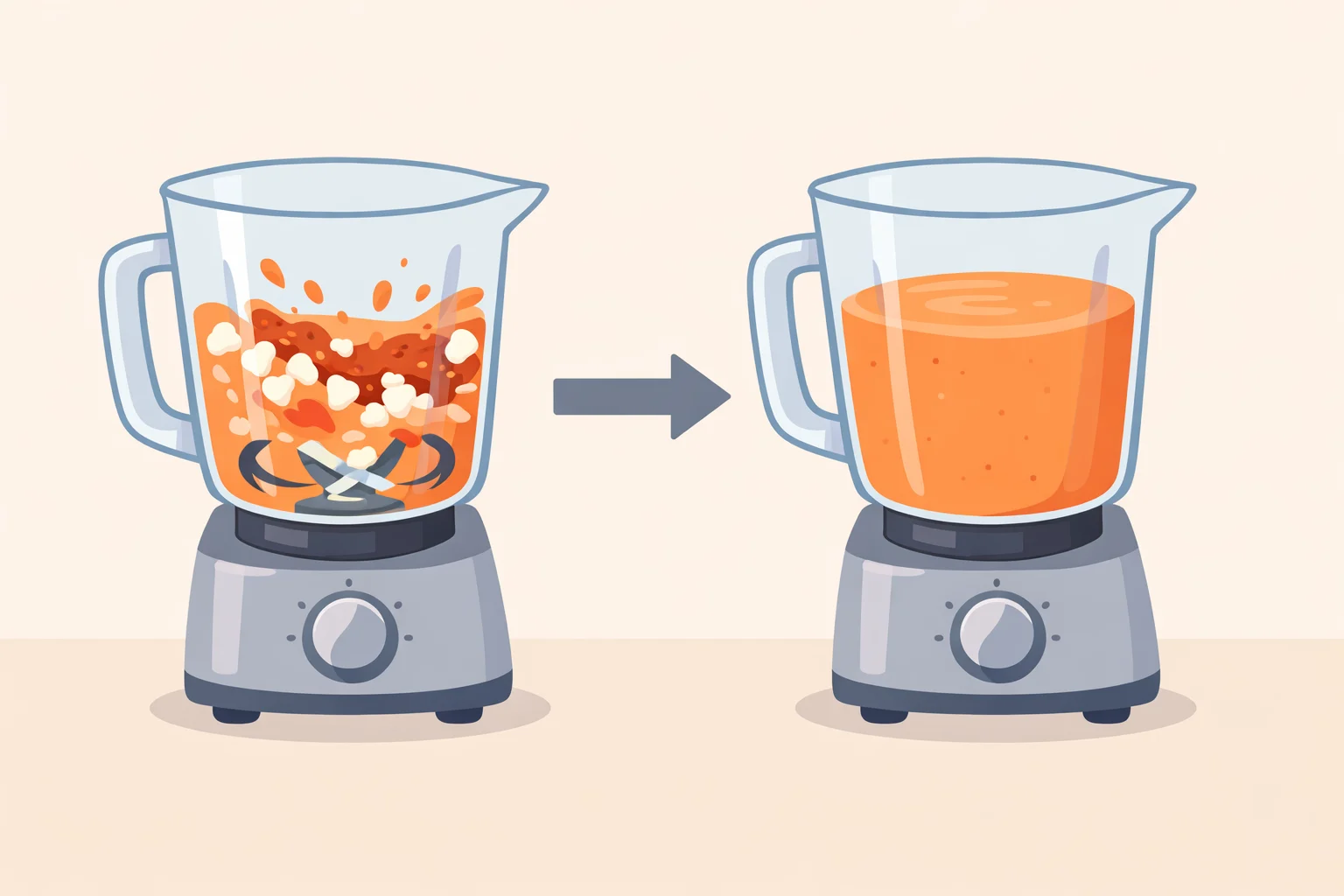
Put a pot of salted water on to boil before you touch the blender. This is the recipe's one genuine multitask, and it's the only reason the timeline stays at 20 minutes.
Add the spicy vodka sauce, cottage cheese, and grated parmesan to a blender. Run it on high until completely smooth, per Mason Fit. The cottage cheese will fully incorporate and disappear into the sauce. The result should look and pour like a cream sauce no visible curds, no graininess, nothing that reads as low-fat.
Skipping the blender is the main failure point in this dish. Stirring cottage cheese directly into warm sauce leaves visible texture that reads as lumpy even if it tastes fine. Blend it fully. An immersion blender in a tall container works equally well if a full blender jar means extra cleanup you'd rather avoid.
On the cottage cheese logic: blended with vodka sauce and parmesan, it becomes silky and flavor-neutral, letting the spice and tomato do the work, per Mason Fit. Cream would produce a similar texture but adds significant fat without improving flavor or structure. Greek yogurt can substitute in a pinch, but it's prone to splitting under heat if you go that route, blend it in cold and keep the pan temperature low afterward. The cottage cheese version is more forgiving, which is part of why it works for weeknight cooking.
The protein math is also worth noting: cottage cheese contributes meaningfully to the 46g per serving figure, per Mason Fit. Swapping it for cream doesn't just change the fat count; it drops the protein substantially. For a dish where the macro profile is part of the appeal, that's a real trade-off.
Step 3: cook the gnocchi and combine
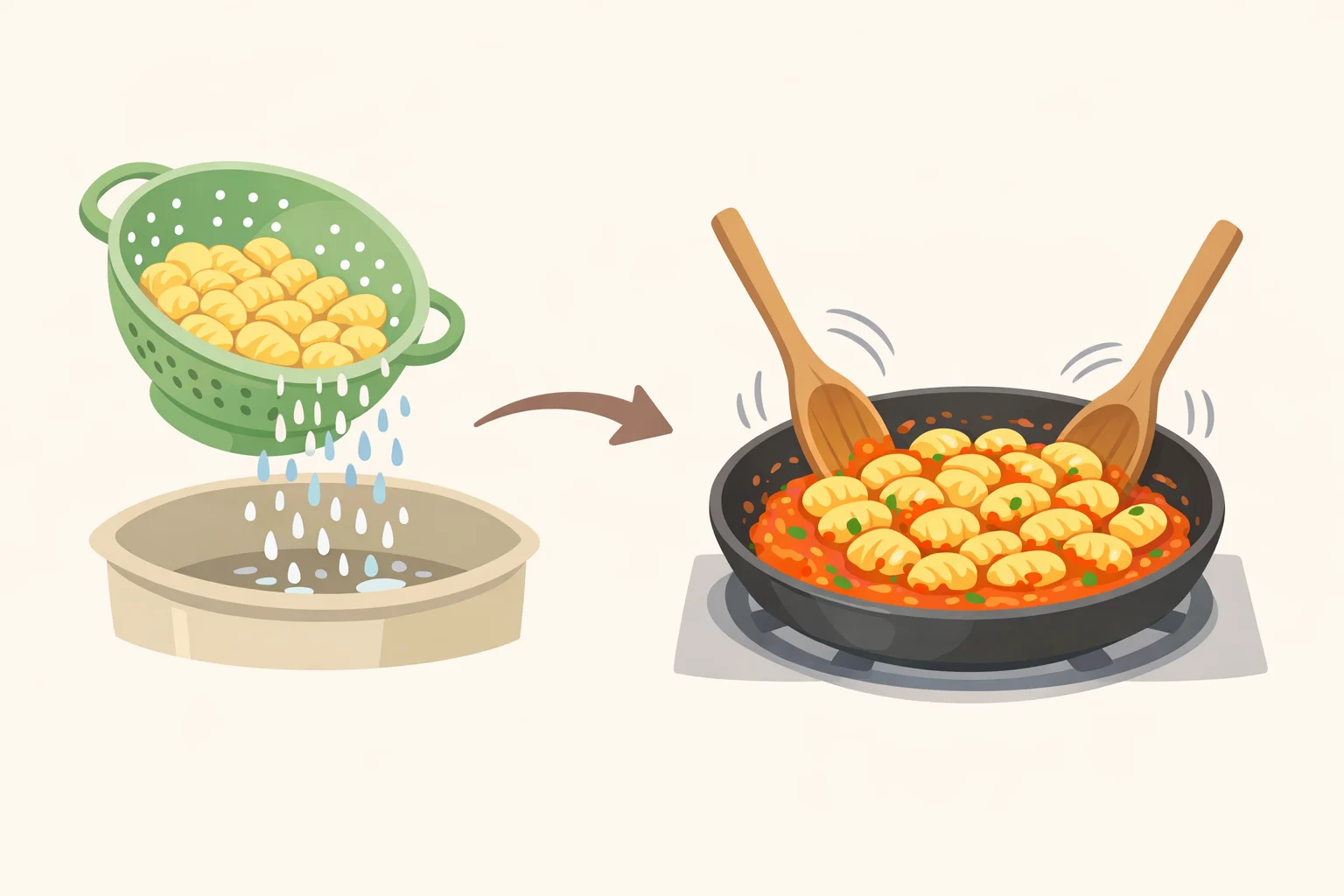
The gnocchi quantity isn't specified here check the Mason Fit base recipe for that measurement before starting this step.
Cook potato gnocchi in the boiling salted water according to package directions, per Mason Fit. Shelf-stable, refrigerated, or fresh all work here; the cooking time varies but the method doesn't. Drain and add directly to the unwashed skillet from Step 1, off the heat or on very low. Pour the blended sauce over the gnocchi and toss to coat evenly. Residual pan heat is enough to bring everything together no need to simmer the sauce further.
Gnocchi absorbs sauce quickly once combined, getting progressively denser and gummier the longer it sits. Combine and plate promptly. If this is meal prep, store the sauce, chicken, and uncooked gnocchi separately. The gnocchi takes about 3 minutes to cook fresh each time, and the texture difference is significant enough to be worth it.
Those pan remnants from the chicken glaze do real work here. The fond left in the skillet picks up into the sauce as you toss, adding depth without any additional effort. It's a small detail that makes the finished dish taste more developed than a 30-minute cook has any right to be.
Step 4: plate and garnish
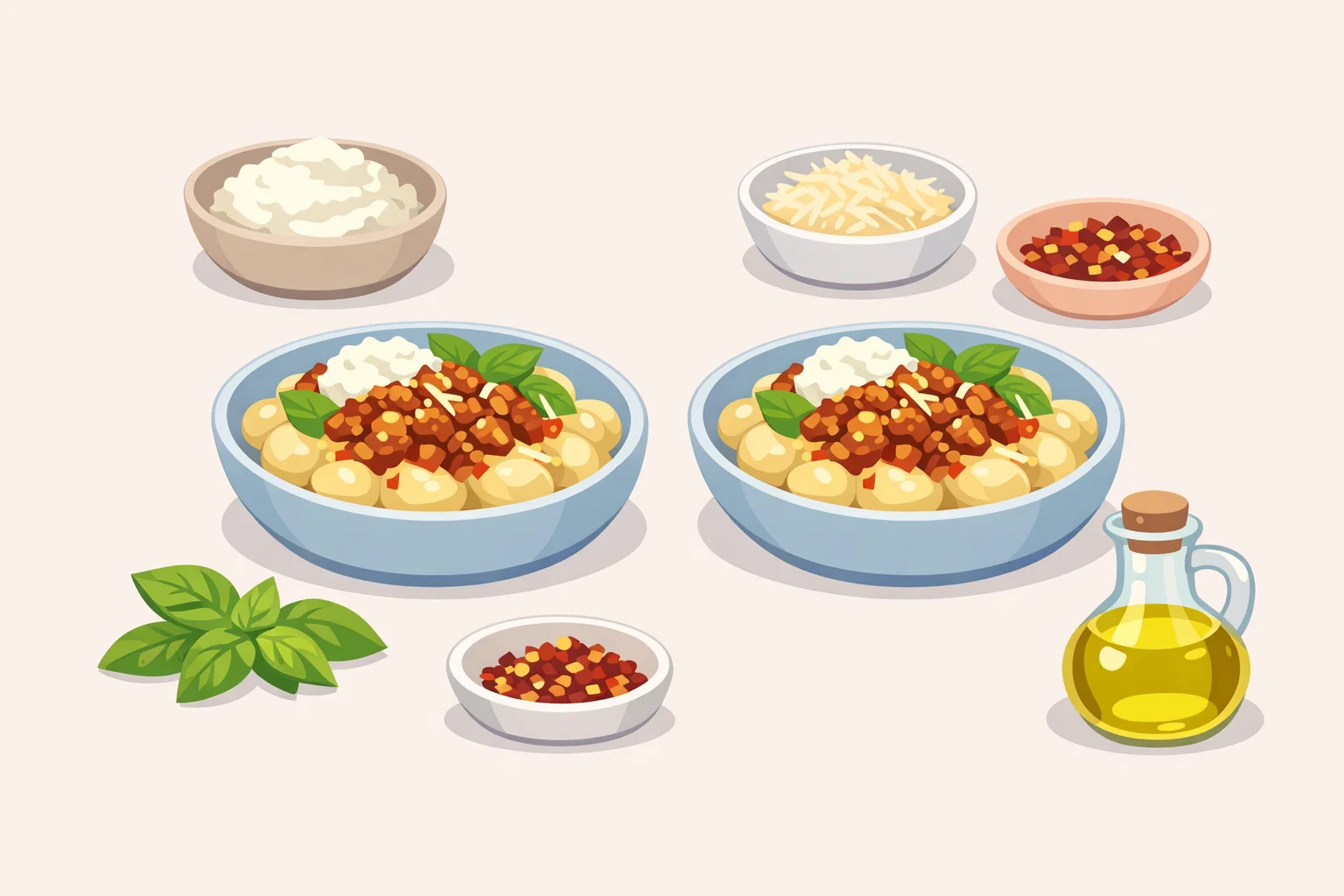
Spoon the sauced gnocchi into bowls. Top with the glazed chicken crumbles. Each serving is roughly 300g, per Mason Fit a full dinner portion, not a measured diet plate.
Garnish from there according to what you decided before you started. A spoonful of whole-milk ricotta adds a cooler, creamier counterpoint to the heat; it doesn't blend in so much as sit alongside the sauce and create contrast in each bite. Fresh basil, extra chopped peppers, cracked black pepper, grated parmesan, and a drizzle of olive oil round it out, per Mason Fit. The ricotta and olive oil are worth adding if the calories are available; they shift the dish from good to something that feels more finished.
Serve immediately. Gnocchi that sits in sauce cools faster than pasta and loses its texture window quickly.
Where the blended cottage cheese sauce technique goes next
The sauce is the real takeaway. Mason Fit first developed the Carbone and cottage cheese combination for chicken lasagna, where it held up equally well in a baked format. That suggests the blend is structurally stable under heat, not just reliable in a skillet application.
Any pasta shape that holds sauce well is a candidate: rigatoni, shells, penne. The logic transfers directly build the sauce the same way, adjust the protein on top, and the method stays intact.
Two concrete experiments worth trying once the base technique is familiar. First: swap the Calabrian chile in the chicken glaze for Trader Joe's Italian Bomba and increase the quantity. The result is the same sweet-savory lacquer on the meat with noticeably less fire, per Mason Fit useful if the heat level in the standard version is right at your limit. Second: pull the glazed chicken crumbles out of the gnocchi context entirely and use them as a topping for roasted vegetables or grain bowls. The balsamic-honey-chile combination is flexible enough to work anywhere you want that savory-sweet glaze on ground meat. No gnocchi required.