How to keep your house cool in a heatwave: expert fixes
Sunlight through glass is the single largest source of indoor heat gain in most homes, bigger than appliances, body heat, or warm air seeping in, according to PNNL building systems engineer Christian Kaltreider. That one fact explains why so many households struggle during a heatwave even when they're doing everything else right. This guide covers the five most common ways homes trap or generate extra heat during extreme heat, and a concrete fix for each most of them free or close to it.
The stakes justify the directness. Rising indoor temperatures can cause heat exhaustion and heat stroke, both of which can be fatal, according to the EPA. Each year in the U.S., extreme heat sends nearly 10,000 people to hospitals and more than 67,000 to emergency rooms, per PNNL.
The five mistakes below fall into two categories: mistakes that let heat in, and mistakes that generate heat that didn't need to exist. Fix the first category, and the second becomes much easier to manage.
Mistake 1: Leaving windows uncovered while the sun is up
Video of the Day
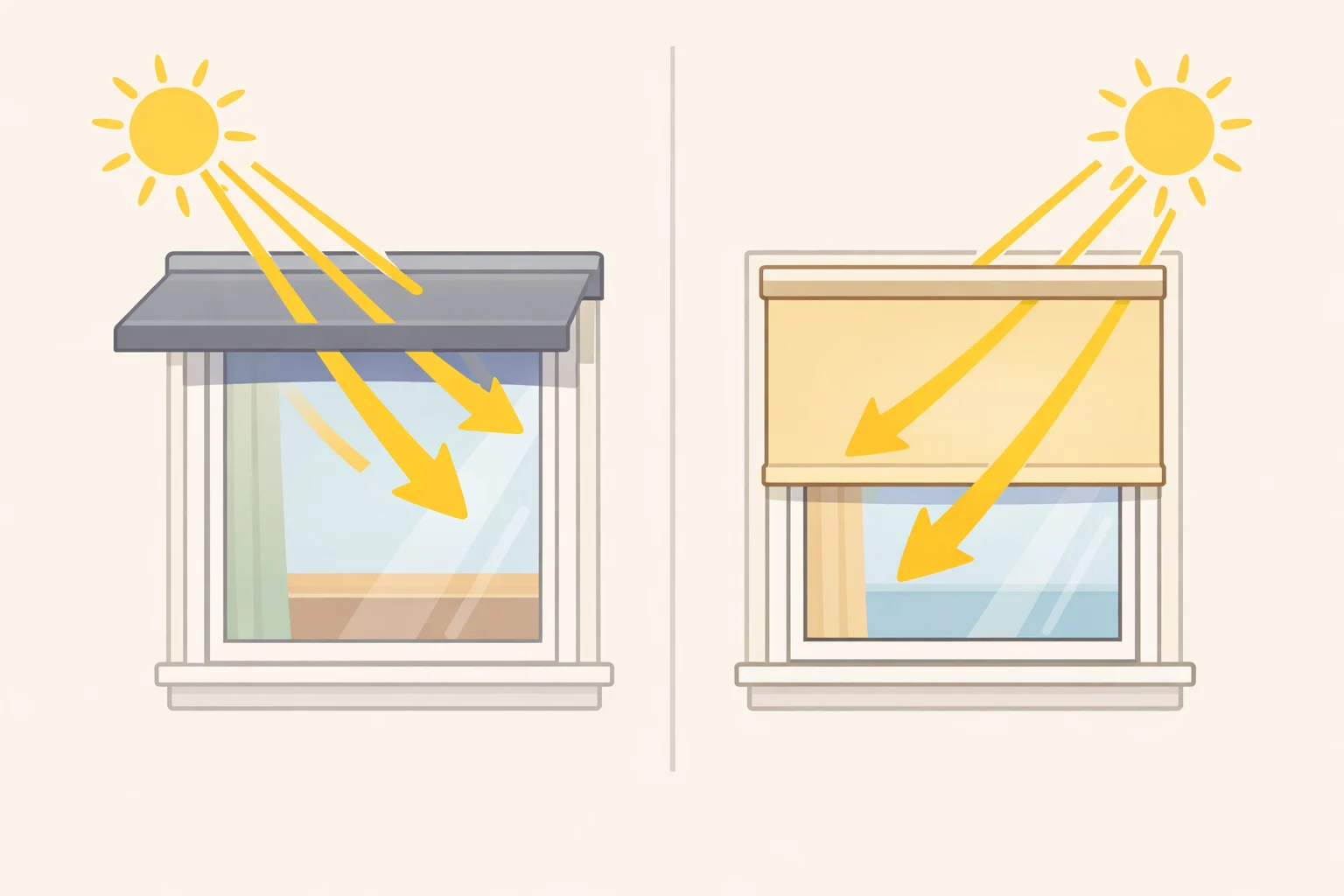
Start here before anything else. According to PNNL, Kaltreider calls solar heat gain through windows the biggest source of heat gain in most homes, and says addressing it is a major key to surviving a heat event. The research backs that up at every price point, from purpose-built exterior screens to a piece of cardboard.
Step 1: Add exterior coverings if you can. Awnings, solar screens, roller shades, and shutters stop solar heat before it reaches the glass. In PNNL research, exterior solar screens cut air conditioning use by more than 20% compared to uncovered windows, outperforming every interior alternative.
Step 2: Use interior coverings when exterior ones aren't available. NPR recommends blocking sunlight with heavy curtains. For better performance, insulated cellular shades reduce AC use by 13% compared to standard vinyl blinds, and up to 25% compared to uncovered windows, per PNNL building efficiency researcher Theresa Gilbride (PNNL). Vinyl blinds are better than nothing, but the gap between them and cellular shades is measurable.
Step 3: Use whatever you have. A piece of cardboard taped over a window blocks meaningful heat gain. PNNL notes that even clothing hung in front of a window helps; if the cardboard has a lighter side, face it outward to reflect rather than absorb.
Watch for this: most people close blinds after the room already feels hot. South- and west-facing windows are the worst offenders in the afternoon. Cover them before direct sunlight hits, not after you notice the temperature has climbed.
Video of the Day
Mistake 2: Trusting a fan to cool a room at any temperature
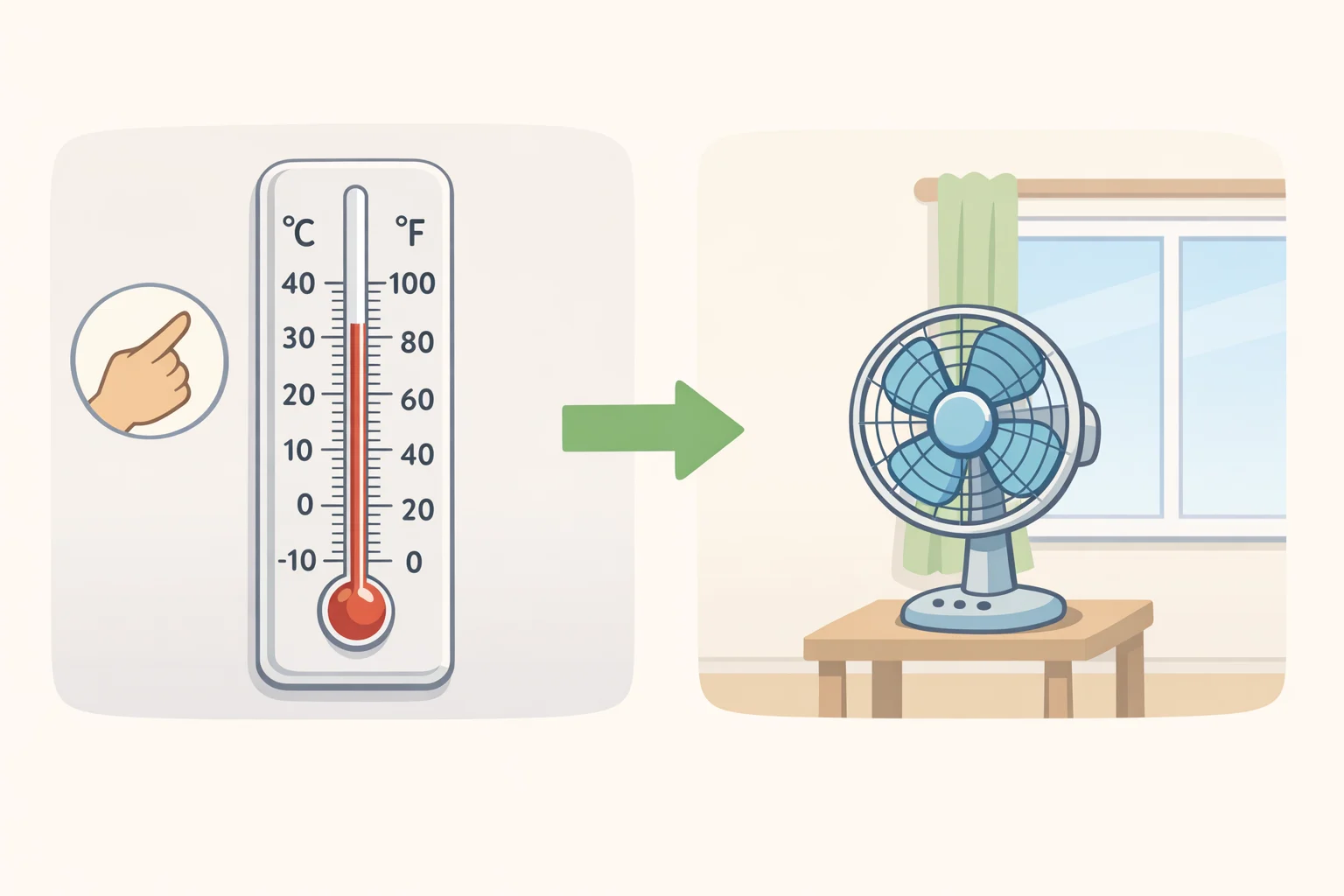
Fans are useful tools. They are not universal ones. Above a specific temperature threshold, a fan can actively make things worse, and most households don't know the threshold exists.
A portable fan doesn't lower air temperature. It moves air across skin, speeding up sweat evaporation and creating a perceived cooling effect, as the EPA explains. That mechanism works when surrounding air is cooler than body temperature. The CDC sets the cut-off at 90°F: above that, fans can increase body temperature rather than reduce it. The EPA adds a sharper caution: don't use electric fans for cooling in a closed room when temperatures reach the mid-90s or higher, because at that point they won't prevent heat-related illness.
Step 1: Check the indoor temperature before relying on a fan. Below 90°F, a fan is genuinely useful. At or above that mark, don't rely on one alone. Move to a cooler space if possible, and use ventilation only when outdoor air is actually cooler than the air inside.
Step 2: When a fan is appropriate, ventilate, don't recirculate. A fan running in a sealed, overheated room just cycles the same hot air. Open a window on the opposite side of the room to create cross-ventilation. Air that flows through does more work than air moving in circles.
Step 3: Use fans strategically after dark. Once outdoor temperatures drop below indoor temperatures, typically after sunset, a fan positioned to draw outside air in can flush accumulated daytime heat from the home. That's when fans do their best work.
Watch for this: if you don't own an indoor thermometer, the 90°F threshold is meaningless in practice. A basic one costs around $10 and changes every decision on this list.
Mistake 3: Spending peak heat hours in the hottest part of the home
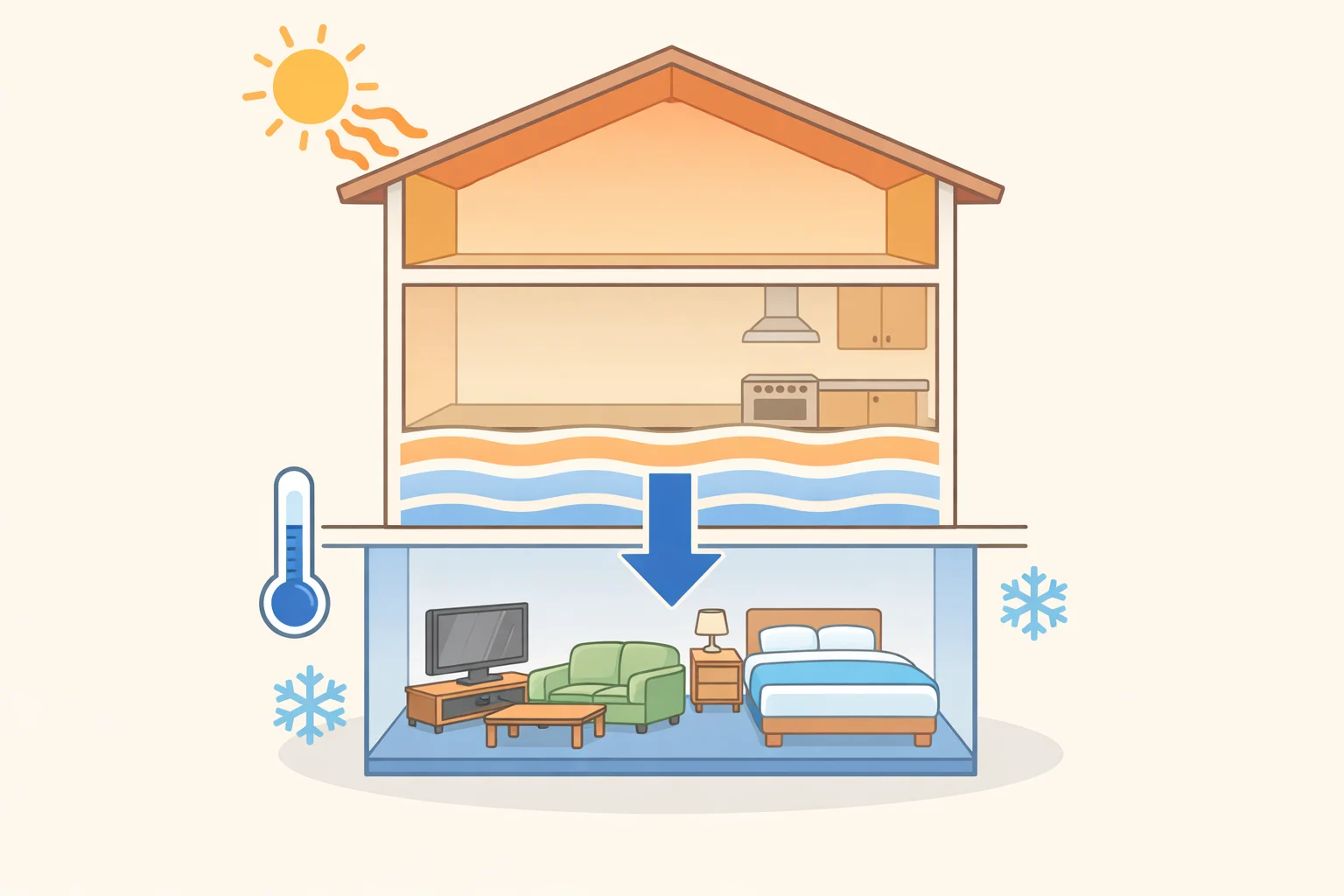
Heat rises. In a multi-storey home during a heatwave, that physics fact determines which rooms stay livable. Lower floors are consistently cooler because warm air accumulates near ceilings and at the tops of buildings, as NPR reported this month. If you have a ground floor or basement, use it.
Step 1: Identify the coolest interior room and set it up before heat peaks. PNNL recommends selecting a room with good window coverings, a well-sealing door, and whatever cooling device is available: a portable AC unit, a window unit, or even just a well-shaded interior space with cross-ventilation. Use that room as the place where everyone spends the hottest hours.
Step 2: Move sleeping arrangements to the lowest floor for the duration. Sleeping in a hotter room makes it harder to recover overnight. On a multi-day heat event, that accumulated deficit compounds quickly.
Step 3: If you're on a single floor with no downstairs option, concentrate all the Mistake 1 interventions on the room you'll occupy most. The lower-floor advantage won't apply, which makes window coverings and nighttime ventilation proportionally more important.
Mistake 4: Running heat-generating appliances during the hottest part of the day
Every appliance adding heat to indoor air during a heatwave works against everything in the sections above. Ovens and stoves are the worst offenders, but dishwashers and tumble dryers running through peak afternoon hours can also push extra heat and humidity indoors.
PNNL advises skipping indoor cooking entirely during heat events. The CDC recommends scheduling physical exertion and outdoor tasks for early morning or evening when temperatures are lower. The same logic applies directly to appliances.
Step 1: Switch to cold or pre-cooked meals during peak hours. Cold food and salads eliminate stove time entirely. If cooking is necessary, a microwave generates far less ambient heat than an oven. Avoid cooking during the hottest part of the day.
Step 2: Run the dishwasher and dryer after dark. Both push warm, humid air through the home during their cycles. Shifting them to post-sunset hours limits the impact.
Step 3: Make ice ahead of time. PNNL flags this explicitly as a heat-preparation step. A stocked freezer provides a buffer for drinks, cooling cloths, and a reserve if power becomes intermittent.
Watch for this: cover west-facing windows before afternoon sun hits them. That's the direction doing the most damage between noon and sunset, and the one people most often forget until the damage is done.
Mistake 5: Not having a fallback plan when the house stops being safe
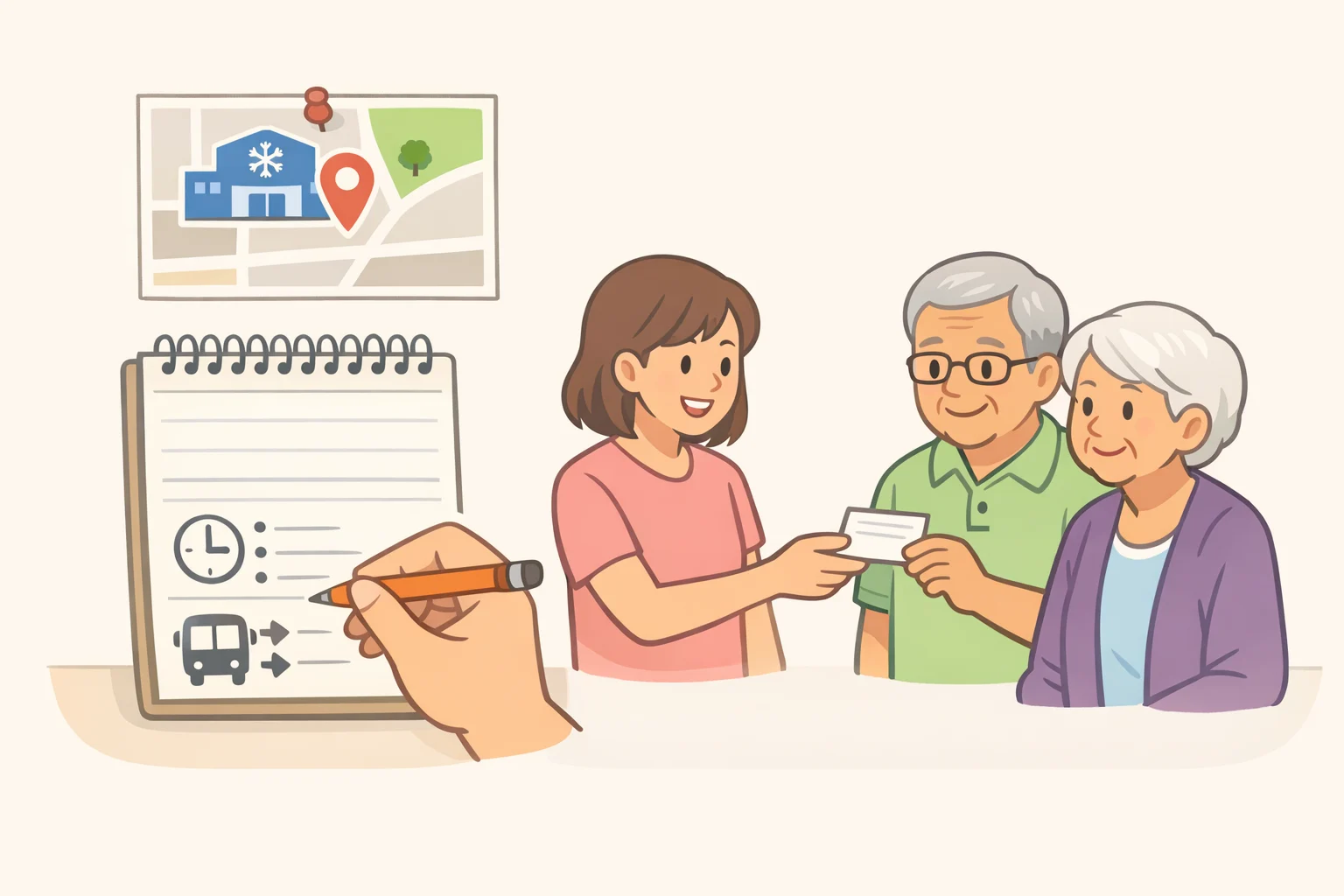
The previous four mistakes are about improving the home environment. This one is about recognizing when the home is no longer the right place to be.
Heatwaves strain power grids. The EPA notes that outages can disable cooling at exactly the wrong moment, and that preparation matters even for households with working AC. A home with no passive cooling measures in place is entirely dependent on uninterrupted power and a functioning system. That's a fragile position during a serious heat event.
Step 1: Know who in your household faces elevated risk, and build their plan first. The CDC identifies adults over 65, infants and young children, pregnant people, and those with heart disease or asthma as groups that may need to take additional action on hot days. They may need a cooler location sooner, not once they're already showing symptoms. Anyone on regular medication should check with a doctor about heat sensitivity, since many common drugs can make overheating worse, per the CDC, and have a plan for medications that require refrigeration if power fails.
Step 2: Identify your nearest public cooling location before the heatwave arrives. Libraries, community centers, and shopping malls are typical options. Find the address now, not mid-event when the body is already under stress.
Step 3: Know when to call for help, and act on it immediately. Fever, headache, nausea, confusion, or sudden weakness can signal heat stroke. Call emergency services at the first sign of those symptoms, and apply ice packs while waiting for help to arrive (NPR; EPA). Heat stroke becomes fatal when treatment is delayed.
When staying home is no longer safe: personal heat safety
If indoor cooling fails completely, a few low-cost measures buy time. Staying under tree cover outdoors reduces solar radiation absorbed by the body even when air temperature is identical to being in direct sun, per NPR. A damp towel worn around the neck or head provides real evaporative cooling and costs nothing. Drink water steadily throughout the day; the CDC recommends limiting alcohol, caffeine, and sugary drinks, all of which can contribute to dehydration.
These are short-term measures, not substitutes for getting to a properly cooled space when vulnerable people in the household are struggling.
Five actions to take right now
Block sun before noon. Measure indoor temperature before running fans. Move to the lowest floor. Stop adding heat from cooking or appliances. And if anyone in the household is at elevated risk, write down the address of the nearest cooling center before conditions get bad enough to need it.
PNNL is clear: low-cost and no-cost interventions produce meaningful results. The only real requirement is doing them before the heat arrives, not after the thermometer has already climbed.
- Cover every window in direct sunlight now with anything available; prioritize west-facing windows before afternoon
- Check indoor temperature before running a fan; above 90°F, don't rely on one alone, move to a cooler space if possible and ventilate only when outdoor air is cooler than inside
- Move to the lowest floor and set up the coolest room as the household's base for the hottest hours
- Stop using the oven or stove during the hottest part of the day; run the dishwasher and dryer after dark
- Write down the address of the nearest public cooling location and share it with anyone in the household at elevated risk