Easy chicken margherita recipe: pesto and mozzarella skillet
Chicken margherita takes the pesto, mozzarella, and tomato combination that makes a Caprese salad so satisfying, and rebuilds it around a seared chicken breast instead of a crust. This chicken margherita recipe, which The Kitchn published yesterday, is likely inspired by Neapolitan pizza and cooks start to finish in a single oven-safe skillet. It comes together in about 30 minutes with five main ingredients beyond pantry staples like olive oil, salt, and pepper (The Kitchn, yesterday).
Celia, who tested the recipe for The Kitchn, said it reminded her of the pesto pasta and Caprese salads she grew up eating. She called the chicken breast the ideal vehicle for cheese, pesto, and balsamic glaze while keeping the meal protein-forward, and pointed to the tomatoes as the source of acid and brightness that keeps the dish from turning heavy (The Kitchn, yesterday). The outlet's writer also judged this version fresher and brighter than Olive Garden's chicken margherita, though that comparison is the writer's own, not the result of a blind taste test (The Kitchn, yesterday).
This margherita chicken breast recipe covers four things: the full ingredient list, the sear-then-roast method, how to handle the liquid that collects in the skillet, and how to confirm the chicken is done without guessing by color.
What you need for chicken margherita with pesto and mozzarella
Video of the Day
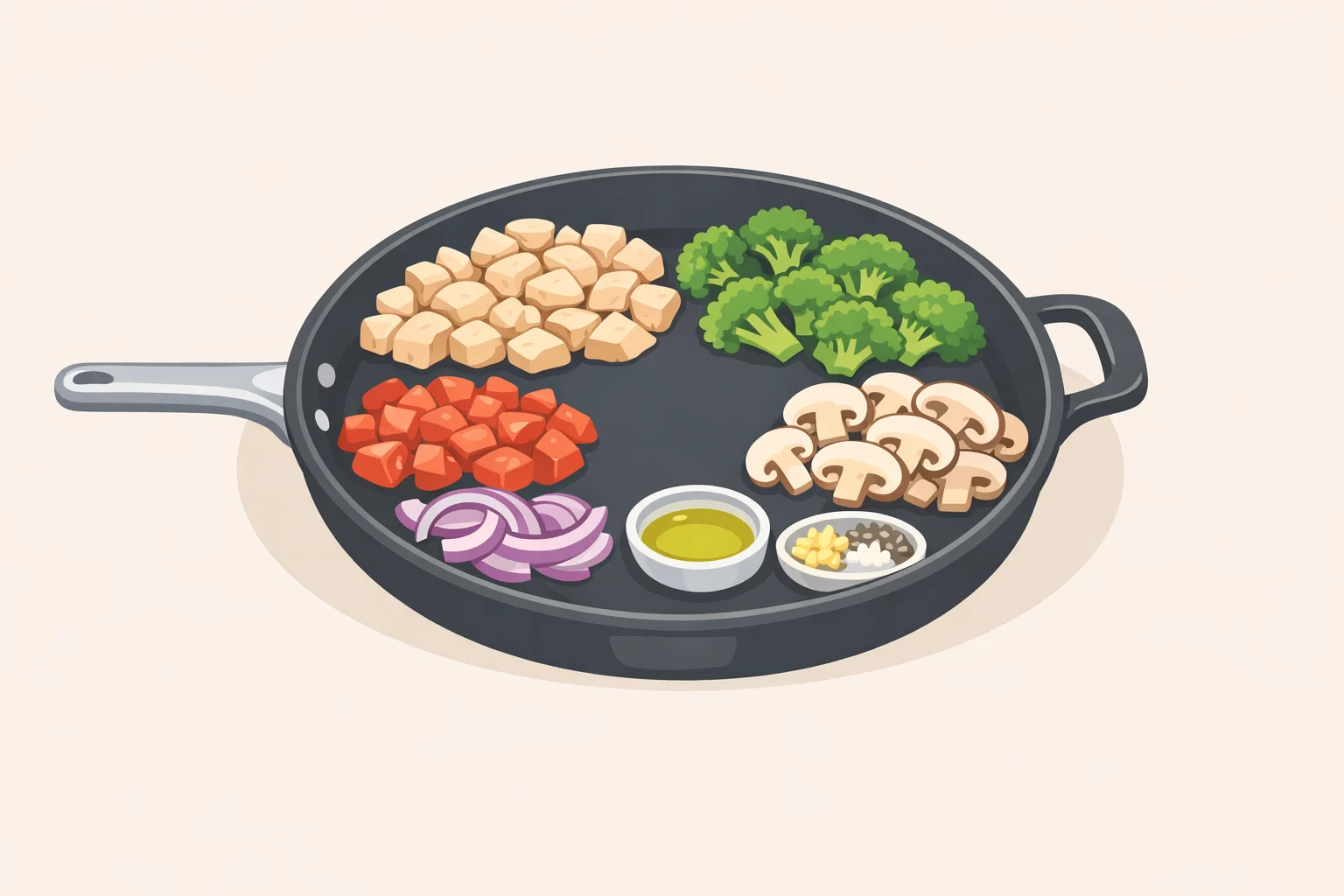
For the chicken: four medium boneless, skinless breasts, patted dry and seasoned with 1 teaspoon kosher salt and 1/4 teaspoon black pepper. Italian seasoning, garlic powder, and onion powder are optional if you want more depth than salt and pepper alone deliver (The Kitchn, yesterday).
For searing and topping: 1 tablespoon olive oil for the skillet, 1 tablespoon basil pesto per breast (4 tablespoons total), and 2 ounces shredded low-moisture mozzarella per breast (8 ounces total). Fresh mozzarella works as a substitute at 4 ounces total, but drain it and cut it into four thin slices before it touches the chicken (The Kitchn, yesterday).
The recipe calls simply for ripe tomatoes, without specifying variety, amount, or cut (The Kitchn, yesterday). Use whatever's ripest on the counter and cut it small enough to cook through in the same 10 to 12 minutes as the chicken. Round things out with 2 teaspoons balsamic glaze and torn fresh basil for garnish; both are optional, but they're what gives the dish its fresh character (The Kitchn, yesterday).
On the equipment side, a 12-inch oven-safe skillet matters because it sears on the stovetop and finishes in the oven without a transfer step. Keep an instant-read thermometer within reach too: checking temperature rather than color is standard practice for chicken, not an extra precaution (The Kitchn, yesterday; ThermoWorks, last month).
Video of the Day
How to make this 30-minute chicken margherita
-
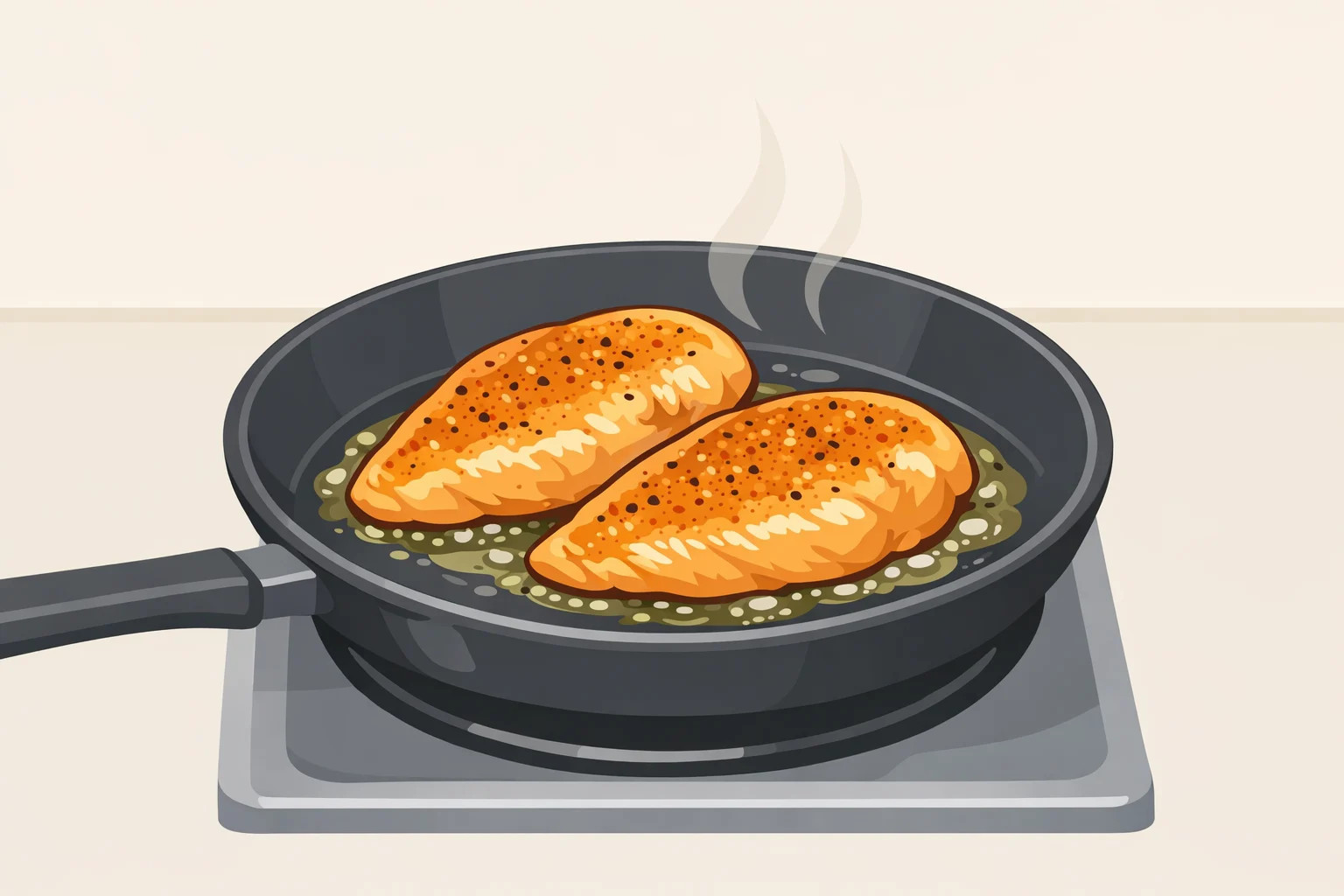
Prep the chicken. Pat the breasts fully dry with paper towels, then season all over with the salt and pepper, plus any optional spices (The Kitchn, yesterday). Drying the surface matters: wet chicken steams instead of browning once it hits the pan.
-
Sear. Heat the olive oil in the skillet over medium-high heat until it shimmers, then add the chicken and sear until browned on the bottom, 6 to 8 minutes (The Kitchn, yesterday). If the breasts are packed edge to edge, sear in two batches instead. Crowded chicken steams against its neighbors rather than browning.
-
Flip, top, and add the tomatoes. Take the skillet off the burner, flip each piece, and spread a tablespoon of pesto over each with the back of a spoon. Top evenly with the mozzarella (The Kitchn, yesterday). The recipe doesn't specify exactly when the tomatoes join the pan; since they need direct oven heat to burst, tuck them around and on top of the chicken now, right before the skillet goes in.
-
Roast. Transfer the skillet to the oven and roast until an instant-read thermometer inserted into the thickest part of the chicken reads at least 165°F, the cheese has melted, and the tomatoes have burst, about 10 to 12 minutes (The Kitchn, yesterday). The recipe doesn't list an oven temperature for this step, so preheat to a high roast heat while the chicken sears, and let the thermometer reading, not the clock, tell you when dinner's ready. Check each breast on its own. If one piece is thinner than the rest, it will likely hit temperature first; pull it out and let it rest while the others catch up.
-
Rest, then finish. Let the chicken rest briefly in the skillet, then drizzle with the balsamic glaze and scatter torn basil over the top (The Kitchn, yesterday).
How to manage moisture in the skillet
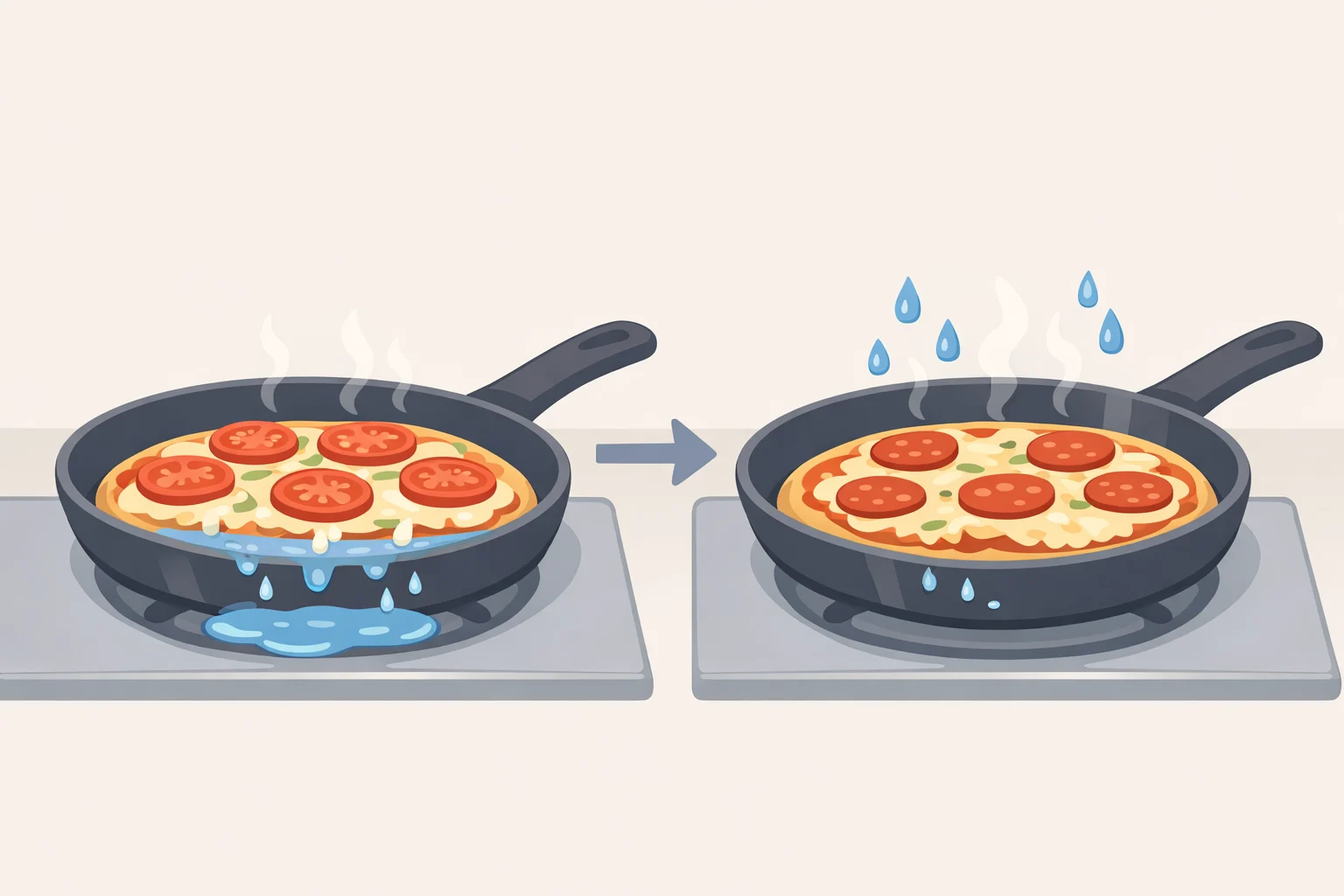
Expect some liquid in the pan once the chicken comes out. Tomatoes release juice as they roast and collapse, and that liquid belongs in the finished dish, not a sign anything went sideways (The Kitchn, yesterday).
The one variable actually worth managing is the cheese. Substituting fresh mozzarella for the shredded low-moisture kind works fine, but only if it's drained thoroughly and cut into four thin slices before it lands on the chicken, exactly as the recipe specifies. Skip that step and the extra moisture pools in the pan instead of staying put in the cheese (The Kitchn, yesterday). Patting the chicken dry back in step 1 does the same job earlier in the process, limiting how much moisture the meat itself adds once the tomatoes and toppings go on.
Leftovers keep in an airtight container in the refrigerator for up to 4 days (The Kitchn, yesterday).
Checking chicken doneness without guessing
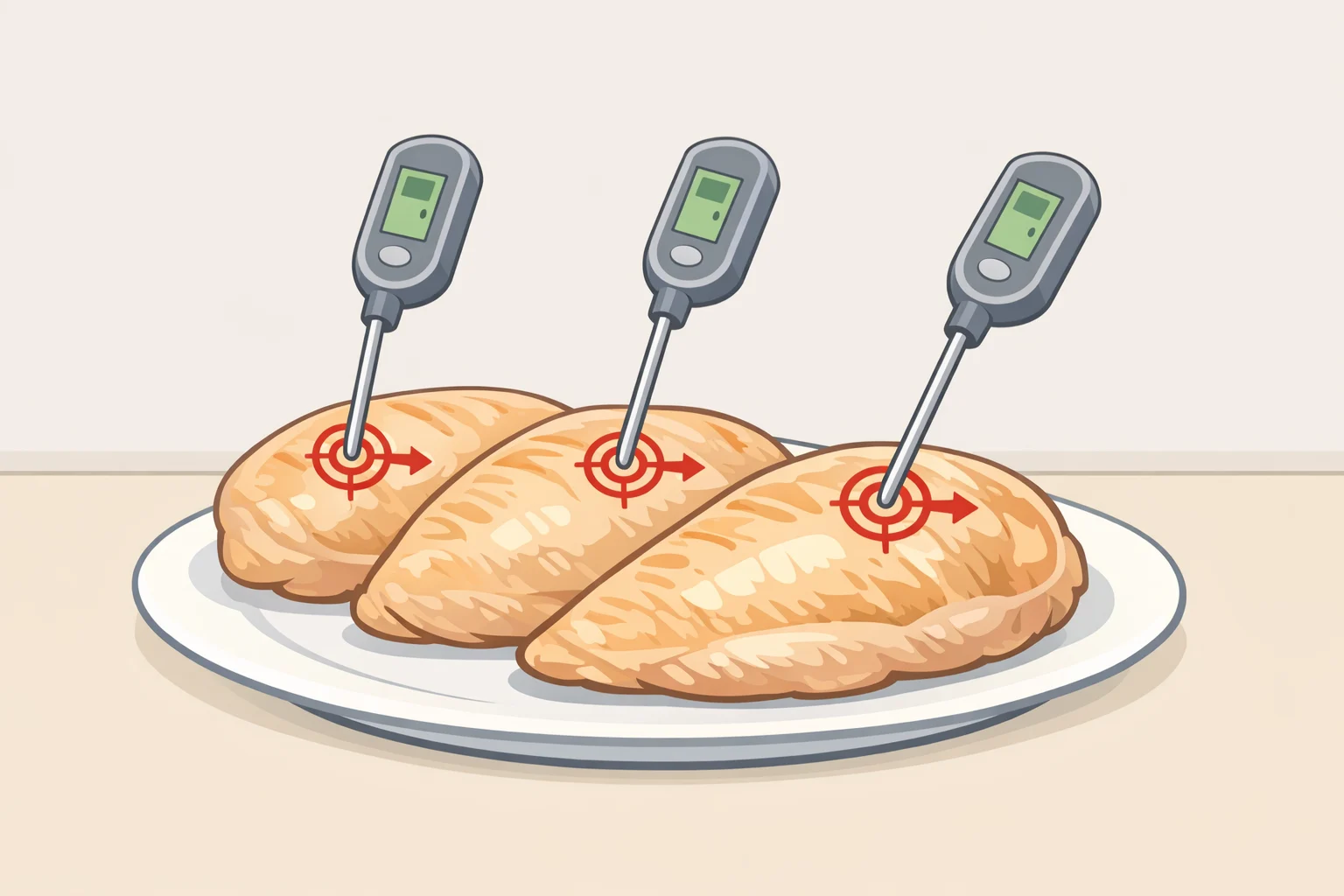
The recipe's 165°F target matches USDA's standard recommendation, and it's the number to cook toward here. Check the thickest part of every breast with an instant-read thermometer, moving the probe slowly to find the lowest reading instead of trusting one quick stab. Color isn't a reliable stand-in: chicken can still be pink and safe once every part has reached that temperature, since color depends on myoglobin, bone proximity, pH, and cooking method as much as it depends on doneness (ThermoWorks, last month).
For experienced cooks with a reliable thermometer, ThermoWorks' own testing points to a narrower alternative: holding the coldest point of the breast at or above 155°F for 2 to 3 minutes reaches the same pathogen reduction as 165°F, with less moisture loss (ThermoWorks, last month). In one sous vide test the company ran, a breast pulled at 165°F lost twice as much water, about 12%, as one held at 155°F for 50 seconds; that test used sous vide equipment rather than a skillet, so treat it as context rather than a direct swap for this recipe (ThermoWorks, last month).
USDA's own guidance stays at 165°F, and ThermoWorks flags the tighter margin as riskier for children, older adults, and anyone with a weakened immune system. For this recipe, or for any cook who isn't fully confident in their thermometer or technique, 165°F remains the number to hit (ThermoWorks, last month).
Serving it up
What lands on the plate: seared chicken under melted mozzarella, pesto, and tomatoes that have burst into their own sauce, no separate saucepan required (The Kitchn, yesterday). Once the sear-then-roast rhythm feels automatic, the same method carries over to other Caprese- or pesto-leaning toppings. Swap in fresh mozzarella slices for the shredded kind, or lean harder on the balsamic glaze for a sharper finish. The technique, sear on the stove, finish in the oven, stays the same no matter what goes on top.