What is coulotte steak? Ribeye comparison and cooking tips
A chef walked past the ribeye and the New York strip case at the meat counter last week and came home with coulotte steak instead. The cut left them "wildly impressed" with its deep, beefy flavor and tender bite, The Kitchn reported.
So what is coulotte steak? In plain terms, it's a boneless steak cut from the sirloin cap, a small muscle sitting between the loin, where filet mignon comes from, and the round, home to leaner, tougher cuts like top round, The Kitchn explains.
One shopper swapping cuts at one store isn't proof that coulotte is about to dethrone ribeye. But it lines up with something already happening in restaurant kitchens. Atlanta chefs have been turning to secondary cuts like coulotte, Denver steak, and hanger to keep costs manageable for both the kitchen and the diner, Eater Atlanta reported last year.
This piece covers what coulotte actually is, how it stacks up against ribeye and strip, whether it qualifies as an affordable alternative to ribeye steak, and how to buy and cook it, including the picanha labeling mix-up that trips up plenty of shoppers at the case.
What is coulotte steak?
Video of the Day
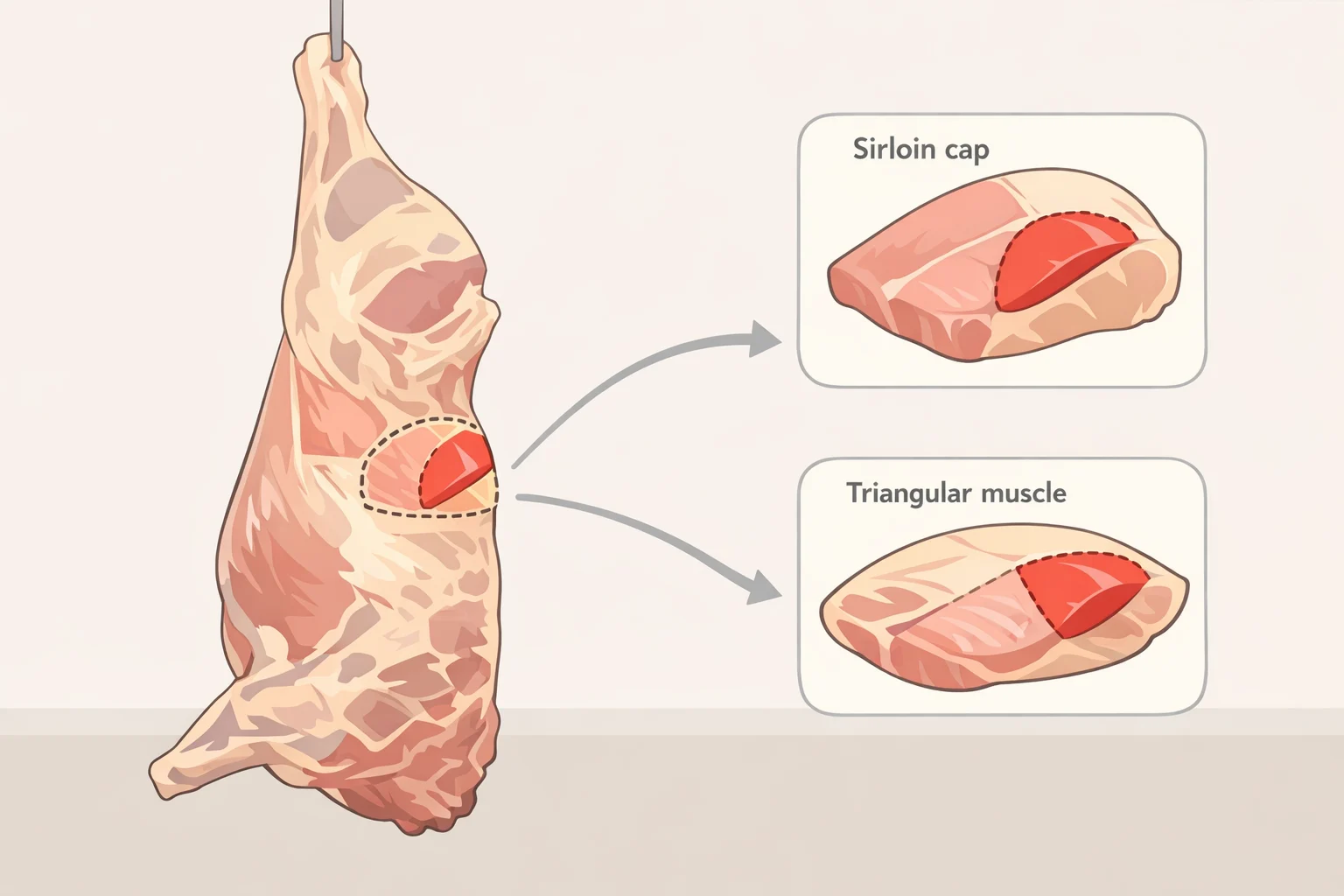
Coulotte comes from the top of the sirloin primal, specifically the sirloin cap positioned between the loin and the round on the animal, The Kitchn notes. It's boneless, and because the muscle itself is roughly triangular, individual steaks run longer than wide, often with a rounded or peaked edge.
Think of the sirloin as the hinge between two very different textures on the animal: the tender loin on one side, the leaner, harder-working round on the other. Coulotte sits right on that hinge, which is part of why it splits the difference between rich and lean.
Size is the fastest way to spot it in an unfamiliar case. Individual cuts run about ¾ to 1 inch thick but average just 5 to 6 ounces, smaller than a boneless strip's typical 8 to 12 ounces, per The Kitchn.
The tenderness is the more interesting part. The sirloin cap isn't a muscle the animal works especially hard, which is the mechanical reason coulotte stays tender despite carrying less marbling than a heavily fatted cut, Food & Wine reported last year. That combination, lean but tender, is what makes coulotte worth trying on its own terms rather than treating it as a smaller, cheaper stand-in for something more familiar.
Video of the Day
Coulotte steak vs. ribeye: flavor, fat, and portion size
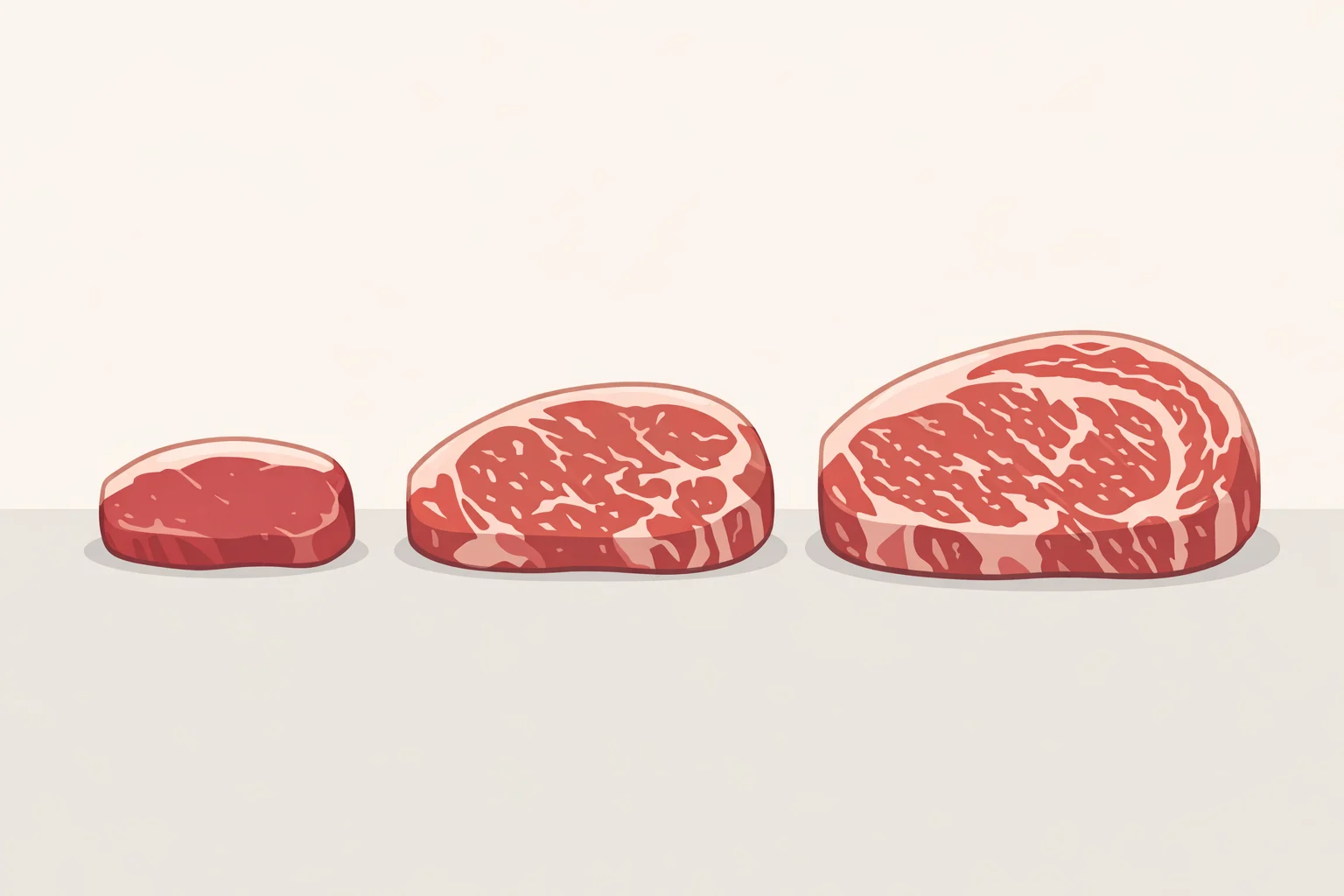
Ask around and coulotte's flavor gets described as a middle ground: beef-forward, landing somewhere between ribeye's richness and strip's chew, Argentine Asado noted last month. That's a subjective read, not a technical equivalence, but it's a useful anchor for anyone who has eaten both cuts and is trying to picture a third.
Fat is where the two cuts diverge more concretely. Coulotte carries noticeably less internal marbling than ribeye, just enough to stay juicy without the heavier richness ribeye delivers in every bite, Food & Wine explains.
Portion size seals the comparison. At 5 to 6 ounces per steak against 8 to 12-plus for a boneless strip, a coulotte dinner is a smaller plate, not just a cheaper one, The Kitchn notes. Price-per-pound comparisons alone miss that difference.
None of this makes coulotte a lesser steak. It makes it a different one: leaner, smaller, and more dependent on technique to get right. Buy it expecting that, not a discount ribeye.
Is coulotte an affordable alternative to ribeye steak?
At one shopper's local store, coulotte ran $10 to $15 per pound, compared with $20 to $25 for ribeye and more than $30 for strip, The Kitchn reported. That's a wide gap, but it comes from a single store on a single shopping trip, not a national price survey.
The broader category holds up better than that one data point alone would suggest. Food & Wine separately listed coulotte, under its picanha name, among the best-value steak cuts worth seeking out, though without citing a price figure for direct comparison.
Restaurants back up the value case from the other side of the counter. Atlanta chefs point to coulotte, Denver steak, hanger, bavette, and flank as cuts that are "more cost-effective for both the operator and consumer" than primals like ribeye or strip, Eater Atlanta reported.
There's a catch worth taking seriously. That same reporting found prices on these formerly cheap cuts have already climbed as demand grows, shrinking the margin restaurants once counted on, Eater Atlanta reported. The discount at the meat counter is real, but it isn't fixed.
Before buying on price alone, weigh three things:
- Fat cap. Look for one that's visible and even. It's what renders and bastes the meat while it cooks, so a package trimmed nearly bare won't behave the same way at the stove, Finke Farms notes.
- Portion math. A lower price per pound doesn't automatically mean a cheaper meal once the smaller steak size is factored in.
- Whole cap or pre-cut steaks. A whole sirloin cap cooks and slices differently than individual steaks, so know which one is actually in the package before deciding how to cook it, Finke Farms notes.
Buying it: sirloin cap steak, picanha, and the label mix-up
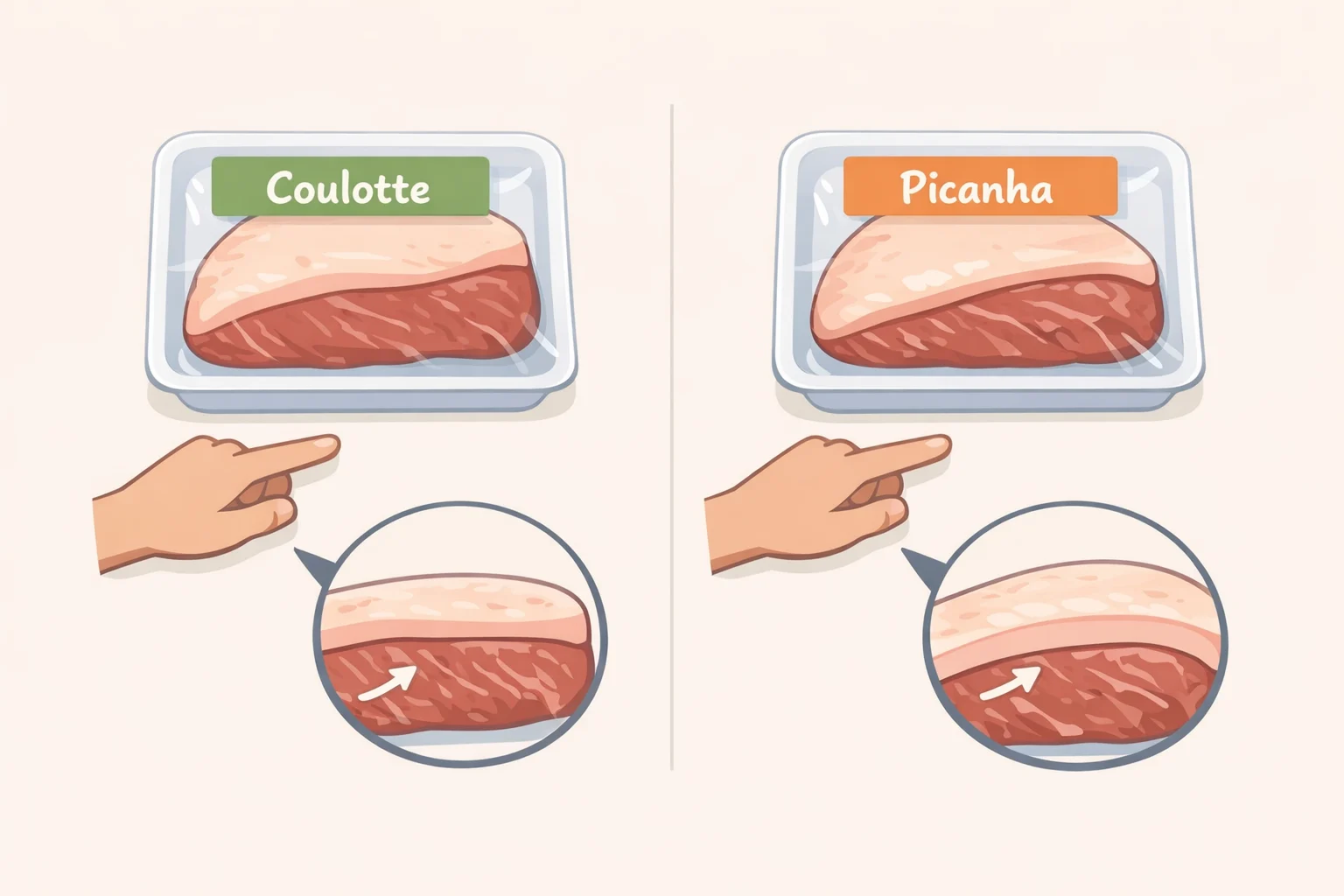
Shop for coulotte long enough and picanha shows up on the same shelf, sometimes on the exact same cut. Both names point to the sirloin cap steak, and sellers frequently use them interchangeably, so don't skip past a package just because it says picanha instead of coulotte, The Kitchn advises.
Sources don't fully agree on whether coulotte and picanha are the same cut or two different trims of it. The Kitchn describes picanha as coming from the top of the sirloin cap with a thicker fat cap and more marbling, and coulotte as the leaner cut just below it. Finke Farms, by contrast, says the two terms generally refer to the same cut. Retailer terminology clearly varies, and no single label tells the whole story.
That's why the fat cap is worth checking regardless of which name is on the tag. The cut is especially popular in Brazilian cooking and churrasco, where the fat cap is part of the appeal, Finke Farms notes. Trimming still varies by butcher regardless of what the sign says, so look at the actual steak in the case rather than trusting the label.
A thick, even fat cap with heavier marbling is one style of trim; a thinner cap with a leaner profile is another. Ask what's underneath the label, and expect either version to cook well with slightly different handling at the stove.
How to cook coulotte steak
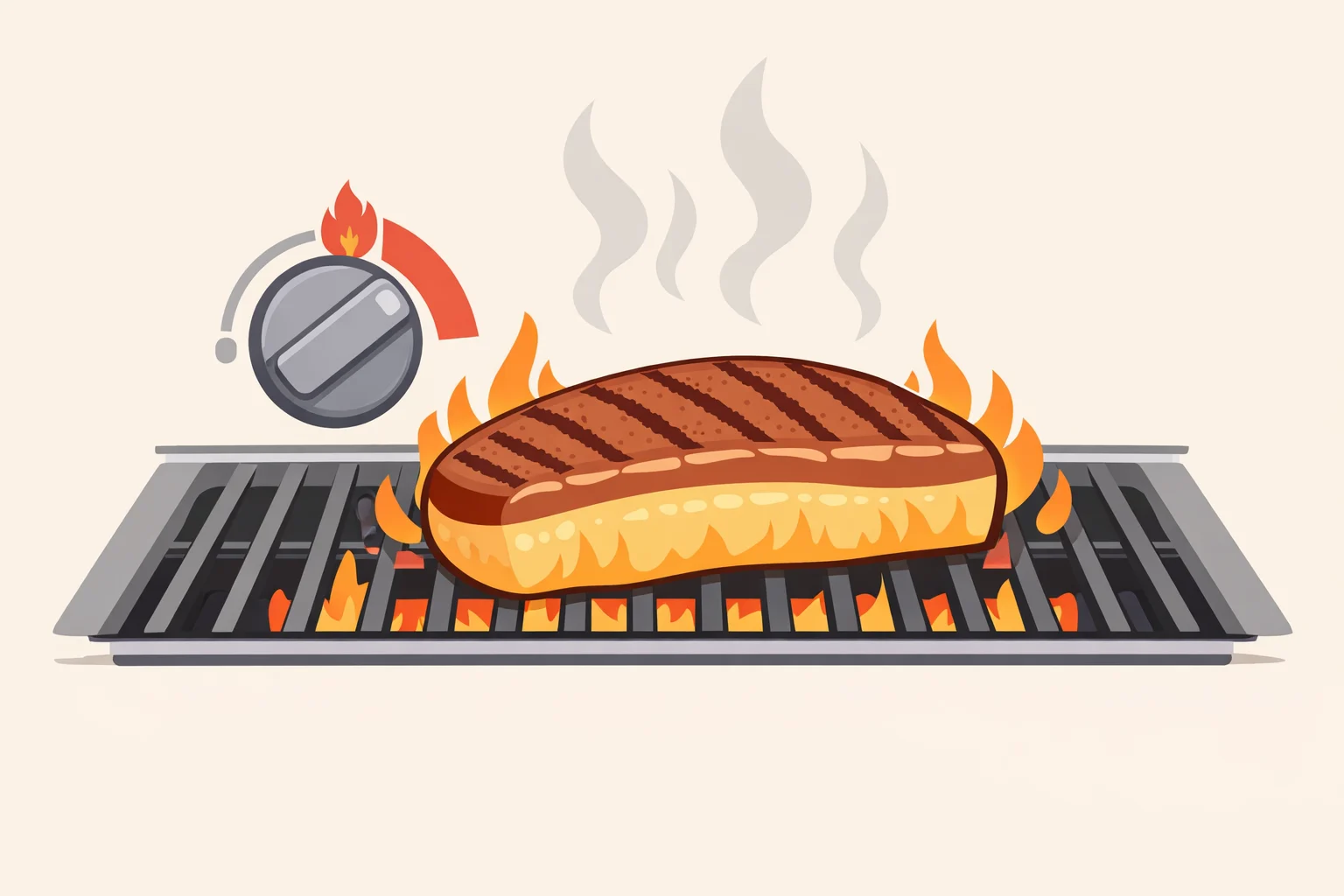
Individual coulotte steaks want high, direct heat. On a grill running 450 to 500°F, that's about 3 to 5 minutes per side depending on thickness, finishing fat-side down for 1 to 2 minutes so the cap turns golden and crisp, Finke Farms recommends. A dry skillet works too: skip the oil entirely and let the fat cap render on its own, basting the meat as it cooks, The Kitchn suggests.
If a butcher hands over the whole sirloin cap instead of pre-cut steaks, it can be roasted or grilled intact rather than portioned first. Both approaches work well, Finke Farms notes, but a whole cap should be cooked to temperature with a thermometer, rested, and then sliced against the grain rather than cut into steaks beforehand.
Both cited sources point toward the same target: medium-rare at 130 to 135°F or medium at 140 to 145°F, Finke Farms advises, a range The Kitchn also recommends for the most tender result. Finke Farms lists higher doneness ranges too, medium-well at 150 to 155°F and well done at 160°F and above, for anyone who prefers it that way. Either way, a thermometer beats guessing by time.
Resting matters more here than on a fattier cut. Let the meat sit 5 to 10 minutes so the juices redistribute, then slice thinly against the grain, Finke Farms advises. Skip that step on a lean steak like this and the difference shows up immediately on the plate.
For serving, chimichurri gets the nod from Finke Farms: its garlic and acid cut through the richness of the rendered fat cap without burying the beef underneath it. It isn't the only sauce that works, but it's a reliable place to start.
Should you buy coulotte steak?
Coulotte makes sense for anyone after a smaller, leaner, beef-forward steak, especially if the price at the local counter runs meaningfully lower than ribeye or strip, The Kitchn reports. It makes less sense for anyone chasing ribeye's heavier marbling and richness, since coulotte was never built to replace that.
Prices vary by store, and the discount on secondary cuts has already narrowed at some restaurants as demand grows, Eater Atlanta reported. That same pattern suggests the price edge on cuts like this shrinks as more diners catch on. Asking for coulotte by name while it's still an unfamiliar request at the counter is probably a better bet than waiting for it to become the next popular cut and lose that edge in the process.
Compare the actual package in front of you rather than assuming coulotte is always the cheaper choice. Check the fat cap, note whether it's whole or pre-cut, and cook to a thermometer reading instead of a clock.