Hot Honey Peanut Butter Cookies Recipe: Heat, Dough & Baking Guide
This guide walks through making hot honey peanut butter cookies that are soft-centered, properly spiced, and hold their shape. The recipe itself is straightforward. What trips people up are three decisions: how to calibrate the heat, which peanut butter to use, and how to handle the dough before baking. Get those right and the rest follows.
The core recipe, at a glance:
Using the Delish test kitchen recipe, the base formula is:
Yield: 18 cookies | Prep: 10 minutes | Total: ~1 hour
- 1 stick (½ cup) unsalted butter, softened
- ¾ cup packed light brown sugar
- ½ cup processed creamy or chunky peanut butter (Skippy or Jif recommended see Step 2)
- ¼ cup hot honey, plus more for finishing
- 1 large egg
- 1½ cups all-purpose flour
- ½ tsp baking soda
- ½ tsp kosher salt
- ½ tsp cayenne (start at ¼ tsp see Step 1)
- ½ cup honey-roasted peanuts, plus more for topping
Bake at 350°F, one sheet at a time, 11–13 minutes. Drizzle with additional hot honey just before serving.
What separates this from a standard peanut butter cookie: heat comes from two sources, hot honey baked into the dough and cayenne for a sharper, faster punch, and the finishing drizzle goes on at serving, not before storage. Step 1 explains why that timing matters.
Step 1: Dial in the heat before you cream anything
Video of the Day
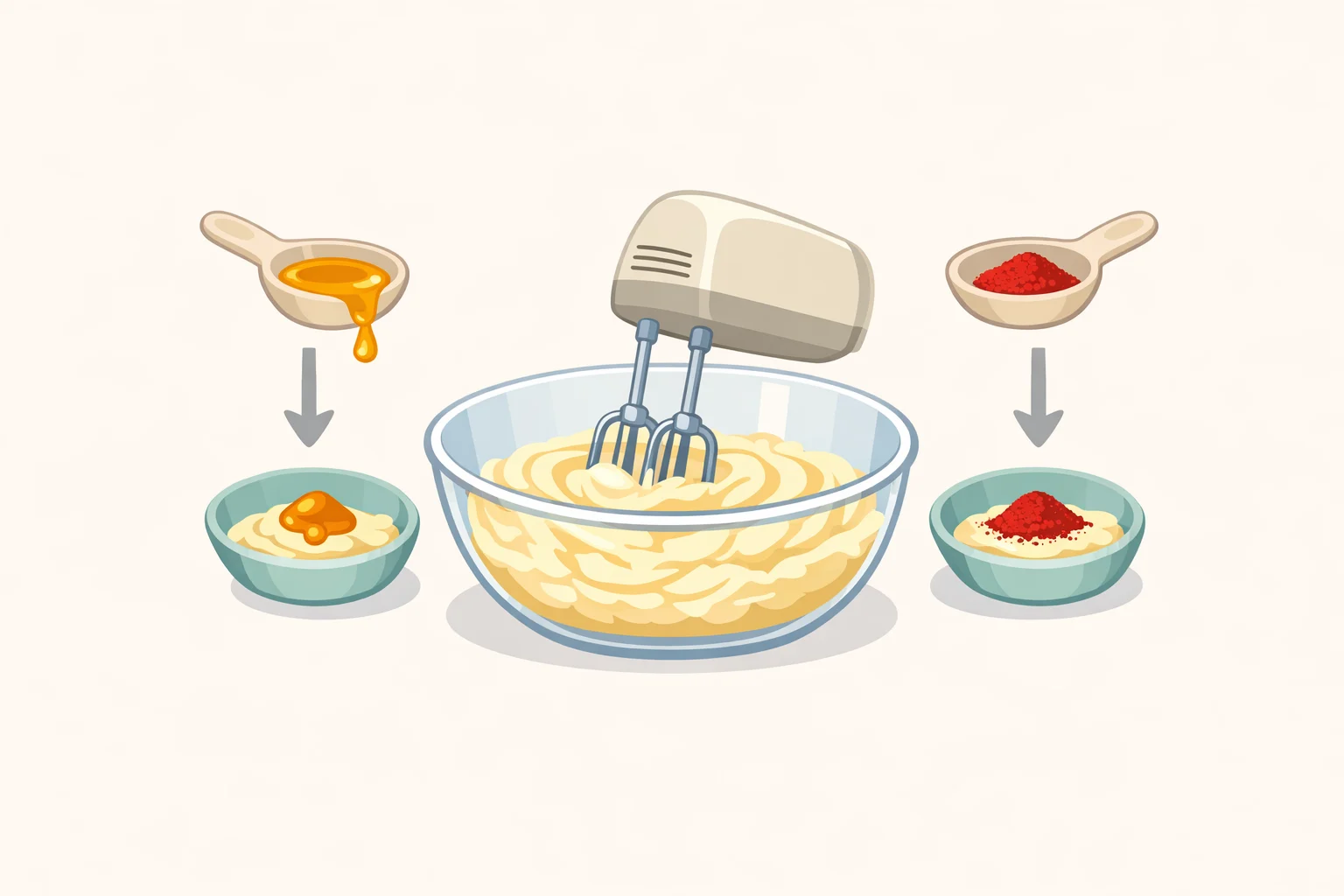
The heat in these cookies comes from two places with two different jobs.
Hot honey contributes sweetness first, then a slow warmth that varies considerably from brand to brand. Delish recommends tasting yours before it goes into the dough some brands are mild enough that you'll want to lean harder on the cayenne; others are aggressively spiced and pull the balance the other way. The base recipe calls for a quarter cup in the dough, with more reserved for serving.
Cayenne delivers sharper, faster heat the honey can't replicate. In testing, Delish found a half teaspoon gave the right level of zip present but not punishing. Start at a quarter teaspoon if you're cautious, then taste the creamed butter and sugar mixture before the egg goes in. That's the only useful read on heat level. Flour and egg both dilute perceived spice, so if the mixture tastes barely warm at that stage, add another quarter teaspoon now.
For comparison: Hormel's version takes a structurally different approach, using three-quarters of a cup of hot honey as the primary sweetener alongside chili flakes rather than cayenne nearly three times the hot honey volume (Hormel Foods). That's a different cookie, not a scaled-up version of this one. Hot honey as the main sugar adds significant moisture to the dough and pushes it toward a softer, chewier result. Stick with the two-lever method here unless you're deliberately experimenting.
The finishing drizzle: Add it just before serving, not before storage. Hot honey on a stored cookie turns the surface sticky and makes the presentation collapse. Delish specifies undrizzled cookies keep for 5 days in an airtight container at room temperature.
Video of the Day
Step 2: Pick the right peanut butter the choice changes the dough
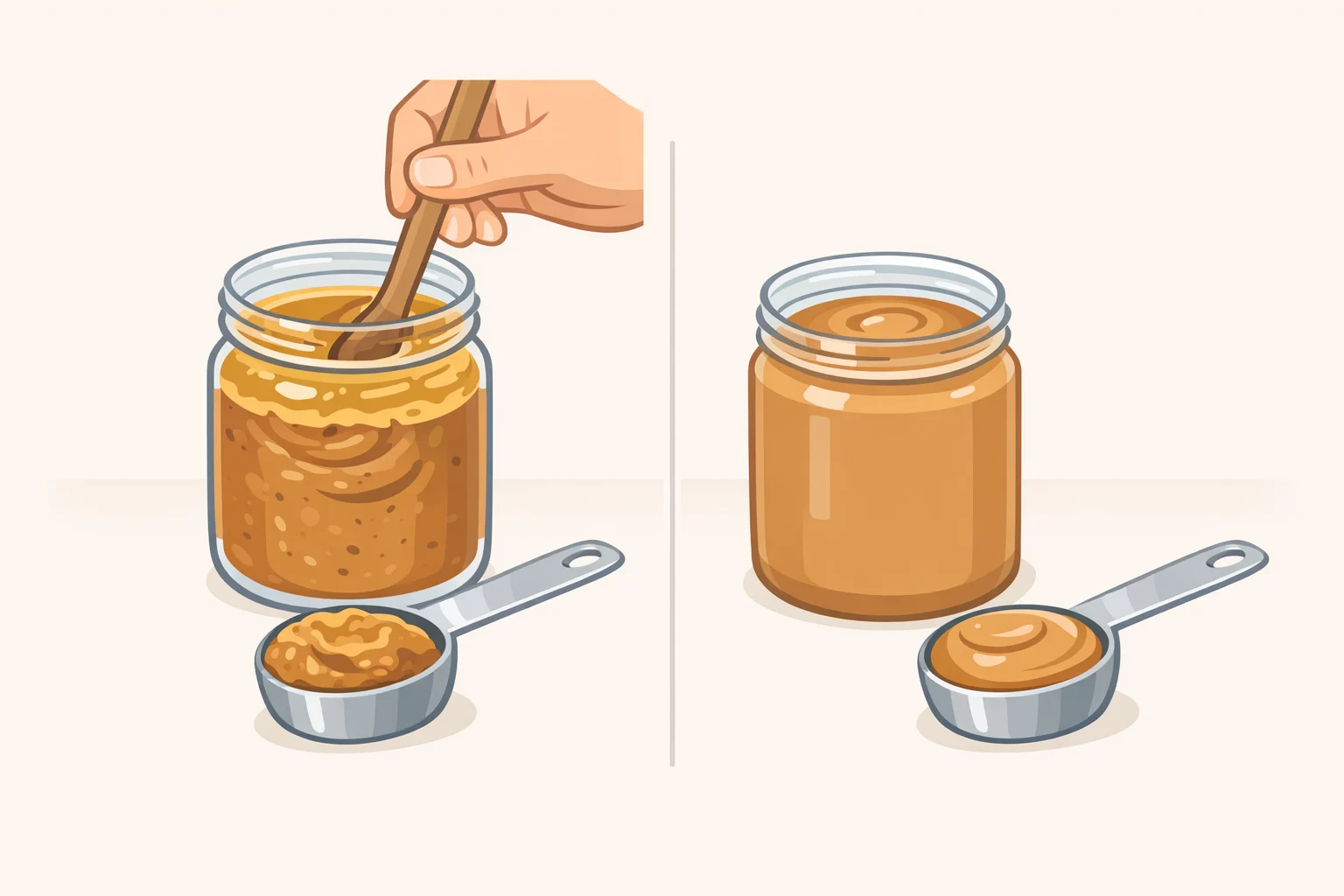
Reasonable people disagree on this, and the disagreement is worth understanding rather than just picking a side.
The case for processed peanut butter (Skippy or Jif): Commercial spreads contain emulsifiers that help peanut butter incorporate smoothly into dough without separating which matters more in a recipe that already has extra liquid from the hot honey. Delish explicitly recommends processed peanut butter for this reason. Gluten Free on a Shoestring lands in the same place: use smooth, no-stir peanut butter that stays consistent at room temperature (Gluten Free on a Shoestring).
The case for natural peanut butter: Different brands of sweetened commercial peanut butter have varying amounts of added sugar and oil that shift the dough's fat and sugar ratios in ways that are hard to predict. Natural, unhomogenized peanut butter gives more control over those variables. That argument applies most directly to simpler doughs where peanut butter is doing more of the structural work, but the logic is transferable.
The default for this recipe: Use processed peanut butter. Since the recipe already includes whole honey-roasted peanuts, chunky peanut butter adds another layer of texture though creamy works fine if that's what's on hand (Delish).
If you're committed to natural peanut butter: Stir it fully before measuring. Oil separation in the jar will throw off the fat ratio and may produce a looser, spreadier dough. It can work, but watch the dough consistency before you scoop.
Step 3: Mix, shape, and bake sweet and spicy peanut butter cookies the right way
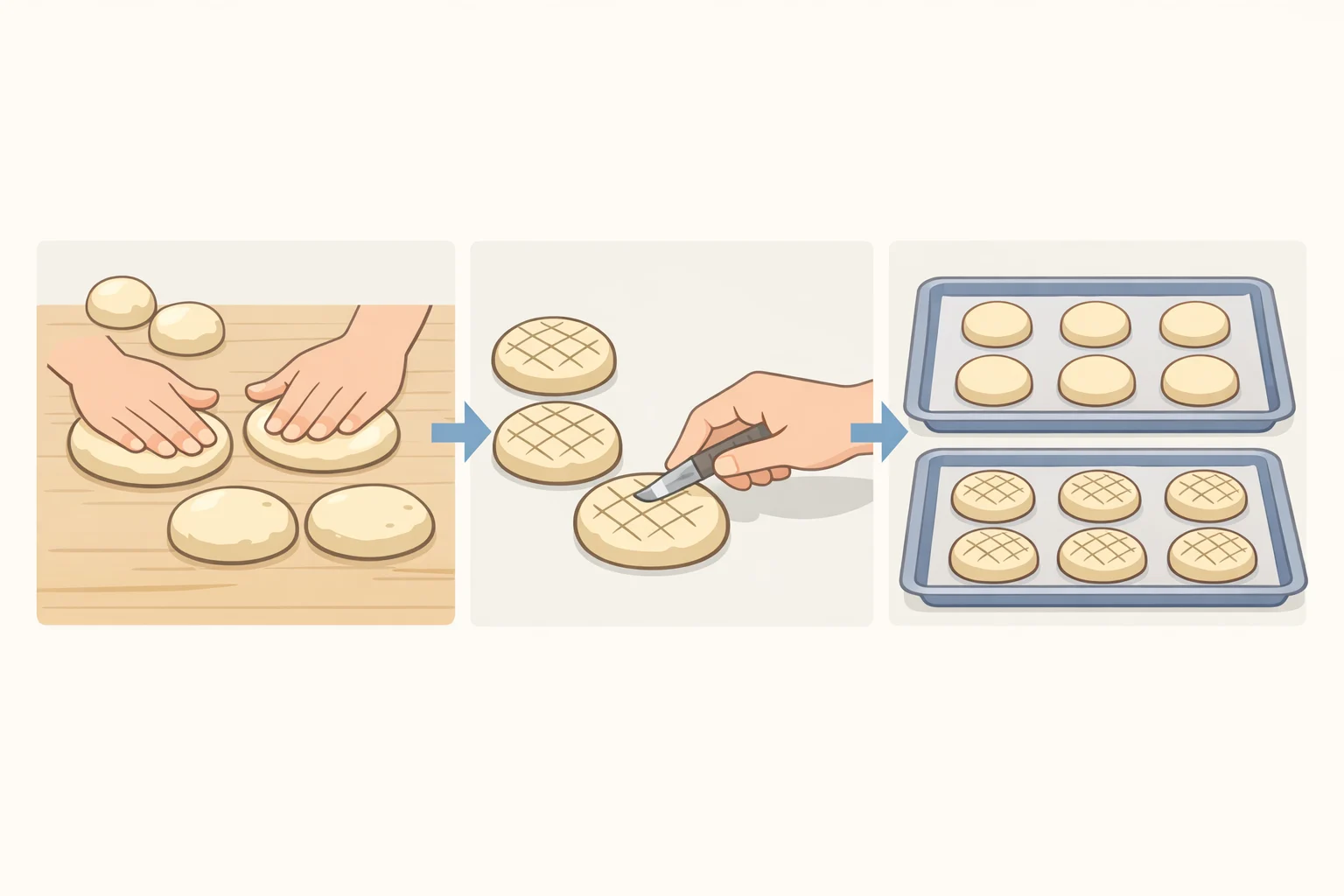
Follow this sequence. Each step sets up the next.
1. Preheat and set up. Position a rack in the center of the oven and preheat to 350°F. Line three baking sheets with parchment.
2. Cream butter and sugar. Beat softened butter and brown sugar on medium speed until light and fluffy, about 3 minutes. Don't rush it this aeration is what gives the cookies structure. Rushing produces denser results.
3. Add peanut butter, hot honey, cayenne. Mix until combined, then taste. This is the heat-calibration window described in Step 1. Adjust cayenne here if needed.
4. Add the egg. Beat until incorporated. The mixture should look smooth and slightly glossy.
5. Add dry ingredients. Whisk together the flour, baking soda, and salt, then add to the bowl. Mix on low just until no dry streaks remain, then stop. Overmixing develops gluten and toughens the cookies. Fold in the honey-roasted peanuts by hand.
6. Scoop. Use a 3-tablespoon scoop to portion 18 equal dough balls, six per sheet (Delish). Consistent size means consistent bake time. Uneven scooping means some cookies burn while others underbake.
7. Optional crosshatch. The crosshatch pattern on a peanut butter cookie isn't just decorative its original purpose was to help dense dough bake evenly to the center (Gluten Free on a Shoestring). If you want it, press each ball into a flat disk first, then score. Going straight to crosshatch on a round ball causes edge splitting.
8. Freeze 10 minutes (optional, but worth doing). For high-fat peanut butter doughs that feel soft or warm, a brief freeze helps portioned cookies hold their shape in the oven. If the dough balls are slumping on the tray before they go in, this step is not optional.
9. Bake one sheet at a time. Center rack, 11–13 minutes. Delish says to pull the cookies when the edges look set but the centers still appear underdone. The cookies carry over on the hot pan after they come out fully set centers in the oven means overcooked cookies on the counter. Don't bake two sheets at once; rotating mid-bake disrupts both.
10. Cool completely before drizzling. Rest cookies on the pan 2 minutes, then transfer to a wire rack. The drizzle goes on just before serving.
Troubleshooting: what went wrong and how to fix it
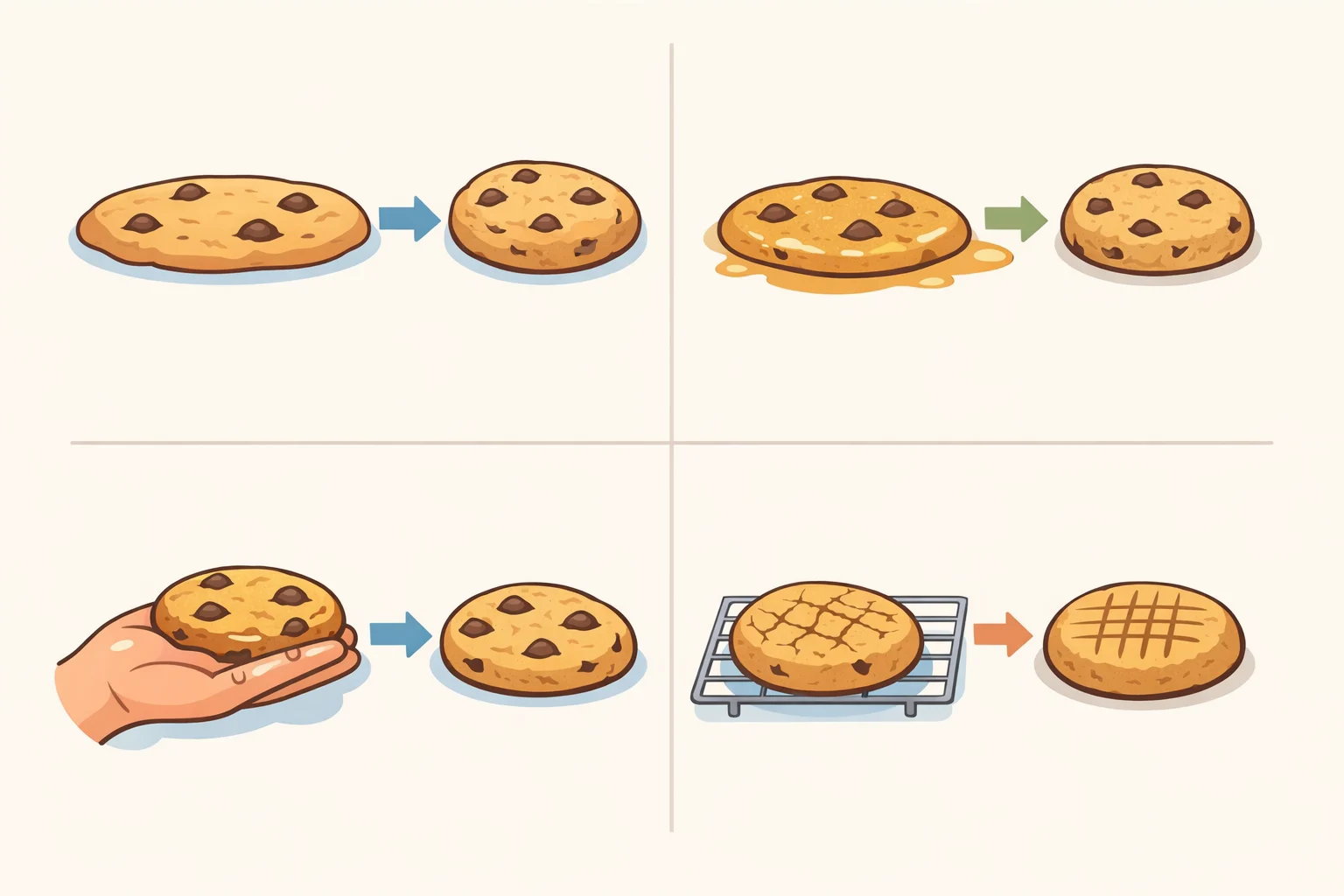
Cookies spread flat: The dough was likely too warm going into the oven. If the dough balls slump before baking, freeze them for 10 minutes first. Natural peanut butter that wasn't fully stirred before measuring can also cause this excess oil in the jar throws off the fat ratio.
Heat is barely noticeable after baking: Either the hot honey brand was mild and the cayenne wasn't bumped up, or the tasting window in Step 3 was skipped. Taste your hot honey before the next batch; if the creamed mixture registers almost no warmth, go to half a teaspoon of cayenne rather than a quarter.
Cookies feel greasy: Most likely natural peanut butter that wasn't fully combined before measuring, or dry ingredients mixed longer than needed. Stir natural peanut butter completely before use; with flour, stop as soon as the streaks disappear.
Surface is sticky after storage: The drizzle was added before storing. Hold it until serving. Delish confirms undrizzled cookies keep 5 days at room temperature in an airtight container.
Edges cracked when crosshatching: The fork went directly into a round ball. Press each ball into a flat disk first, then score.
Make-ahead and storage
Baked cookies: 5 days at room temperature in an airtight container, without the drizzle (Delish). For longer storage, freeze in a sealed container for up to 3 months, eliminating as much air as possible to prevent freezer burn; defrost at room temperature (Gluten Free on a Shoestring).
Raw dough: Refrigerate overnight or freeze for up to one month. Shape the dough before freezing unshaped frozen dough is difficult to portion cleanly (Delish).
A practical approach: make the dough on a weeknight, bake fresh on the weekend. The last-minute drizzle helps revive aroma and gloss after storage, which is most of its practical value.
What to adjust on batch two
Most problems with these cookies trace back to one of three calls: spice calibration, peanut butter choice, or keeping the dough cold enough before it hits the oven.
The defaults above processed peanut butter, cayenne started at a quarter teaspoon and tasted before the egg, dough frozen 10 minutes if it feels soft, one sheet baked at a time until centers still look underdone, drizzle reserved for serving are the Delish test kitchen's tested starting point.
If you change one thing on a second bake, change the cayenne, not the honey. The hot honey volume affects moisture in the dough; cayenne is the clean lever for heat. Bump it in quarter-teaspoon increments and taste the creamed mixture each time before committing. The same underlying logic holds if you swap the hot honey and cayenne for chili crisp entirely chef Clarice Lam's spicy peanut butter cookie takes that route through a different conduit (Modern Asian Baking), but the principle of tasting and adjusting your heat source before the egg goes in applies either way.