IKEA Plant Department Guide: Best Buys and What to Avoid
Buy IKEA for cheap, hardy starters and planters. Go to a nursery for bigger specimens or anything where getting it right on the first attempt matters. By the end of this guide, you'll know exactly how to apply that split on the floor, which species hold up best under retail conditions, and how to evaluate any plant in under two minutes before it goes in the cart.
The IKEA plant department is one of the most skipped corners of the store. Shoppers who do stop usually grab something on impulse near the checkout and occasionally regret it. That's a missed opportunity on one end and a small recurring frustration on the other. The case for stopping: for specific categories, certain hardy tropicals and almost all planters, IKEA's prices are genuinely difficult to match at any mainstream retailer. The case for caution: plant quality is variable and stock-dependent in a way that furniture stock isn't. This guide gives you the framework to tell the difference.
One thing worth stating plainly: there's no reliable public evidence that IKEA's houseplant supply chain is meaningfully more sustainable than any other large retailer's. Ingka Group, which accounts for roughly 90% of IKEA's global retail sales across 31 markets, has reduced its overall climate footprint by around 30% since 2016 while growing the business by nearly 24%, according to Procurement Magazine. That's a genuine corporate achievement. It says nothing specific about how the pothos on aisle seven was sourced or handled. Use the plant department for value. Don't impute an environmental premium the available evidence doesn't support.
What the IKEA plant department tends to carry
Video of the Day
The live plant section typically rotates through a core set of tropical houseplants. Pothos, snake plants, ZZ plants, peace lilies, and monsteras appear in many stores with some regularity, alongside succulents and seasonal additions. But this is a category, not a catalog. No individual species is guaranteed to be in stock, and what you find varies by store location, region, and the week you happen to visit. Check your local store's current listings before making a special trip for a specific plant.
Beyond live plants, many IKEA stores carry ceramic and terracotta-style planters, along with potting soil and various accessories. Availability varies, but this side of the department tends to be more predictable visit to visit. The pots don't wilt between Tuesday and Sunday, and the selection isn't subject to whatever arrived in the last delivery.
Worth noting on timing: plants aren't restocked on the same cadence as flat-pack furniture, and live stock tends to degrade over the course of a week under retail conditions. If you have schedule flexibility, earlier in the week is generally better than a weekend afternoon, when stock is picked over and specimens have gone through days of uneven watering and customer handling. That's not a universal rule, but it's a reasonable default.
Video of the Day
How to shop the IKEA plant department: what actually belongs in your cart
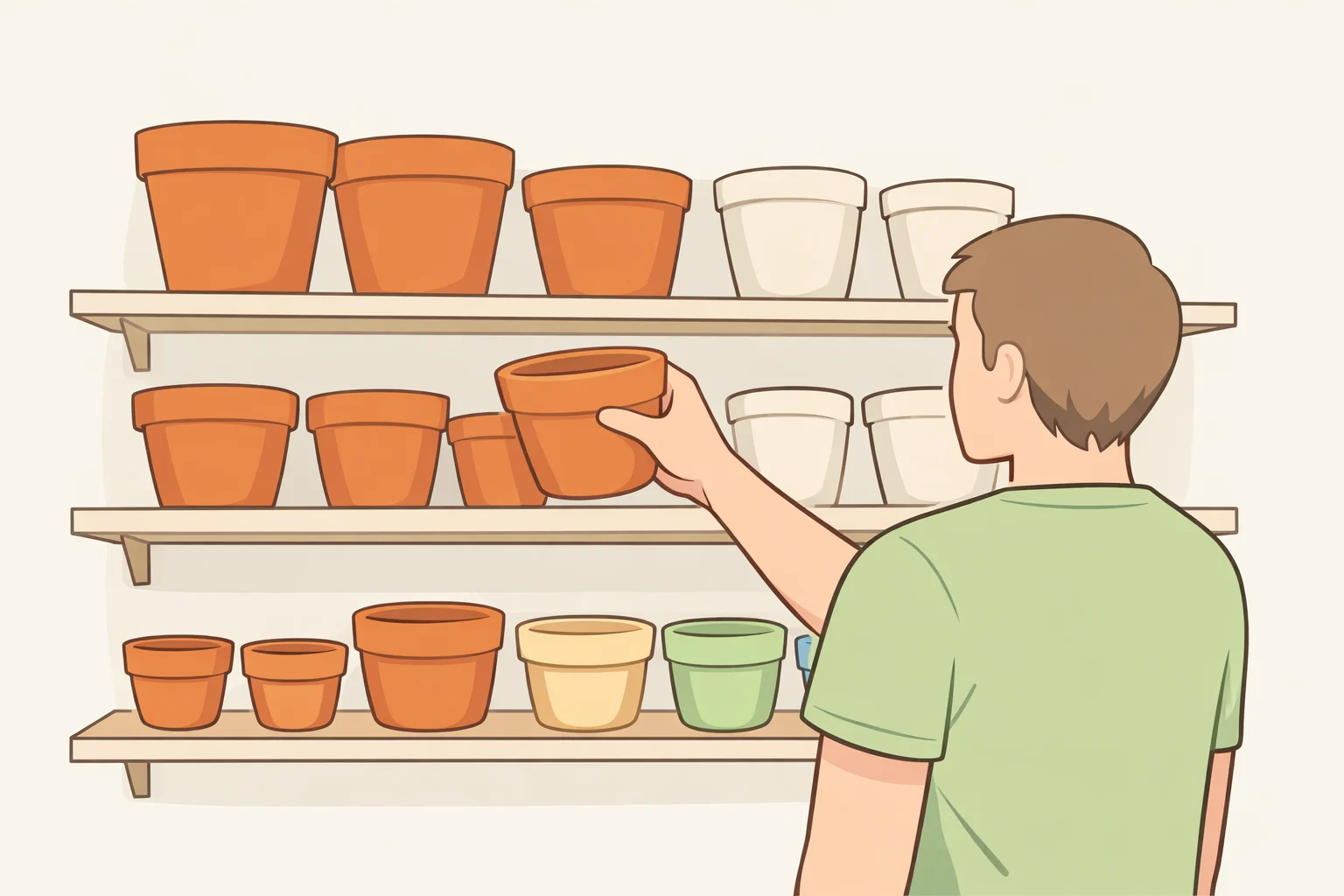
Planters and pots. This is the most consistent value in the department. Ceramic and terracotta-style planters at IKEA tend to run well below what home décor retailers charge for equivalent pieces, and unlike live stock, pot quality doesn't degrade with time on the shelf. The selection is predictable. If the live plants look rough on a given visit, the planters alone can make the trip worthwhile.
Snake plants, pothos, and ZZ plants. These are the strongest case for buying live plants at IKEA. All three are well regarded among houseplant growers for tolerating exactly the conditions retail environments tend to deliver: inconsistent watering, low light, temperature swings between the loading dock and the sales floor. They're the species most likely to be in reasonable shape despite imperfect in-store care, and the easiest to stabilize if they arrive home slightly stressed. At IKEA prices, the cost of a bad pick is low enough that it's not a significant risk.
First attempts at an unfamiliar species. IKEA is a sensible starting point if you want to try a plant without much financial exposure. Buy the cheap starter, see how it performs in your specific light and conditions, and upgrade to a better specimen later if it works out.
What to inspect carefully, and what to leave on the shelf
Monsteras and peace lilies can be genuine deals, but both are more sensitive to retail stress than the top three picks. A healthy specimen is worth taking home; one that has been sitting in saturated soil or inadequate light for a week or more may take a month to stabilize. Use the four-step inspection below before committing.
Succulents and cacti are priced right, but these plants need direct light, the kind most retail environments don't provide. Plants kept under low light for extended periods stretch toward whatever weak source is available, weakening their structure in the process. Buy them only if a bright, south- or west-facing windowsill is waiting. A bookshelf or office desk away from a window won't work, no matter how much you want it to.
Skip the flowering gift plants. Kalanchoes, cyclamens, anthuriums at peak bloom are products engineered for retail display. They're forced into that state to look attractive in the store. Many decline faster at home than they did on the shelf, and some won't rebloom under typical home conditions. The price isn't the issue; the post-purchase trajectory often is.
Skip the potted fresh herbs unless you plan to use them immediately. These are grown in dense, nutrient-depleted conditions optimized for display rather than ongoing growth. Treat them like cut herbs with roots attached.
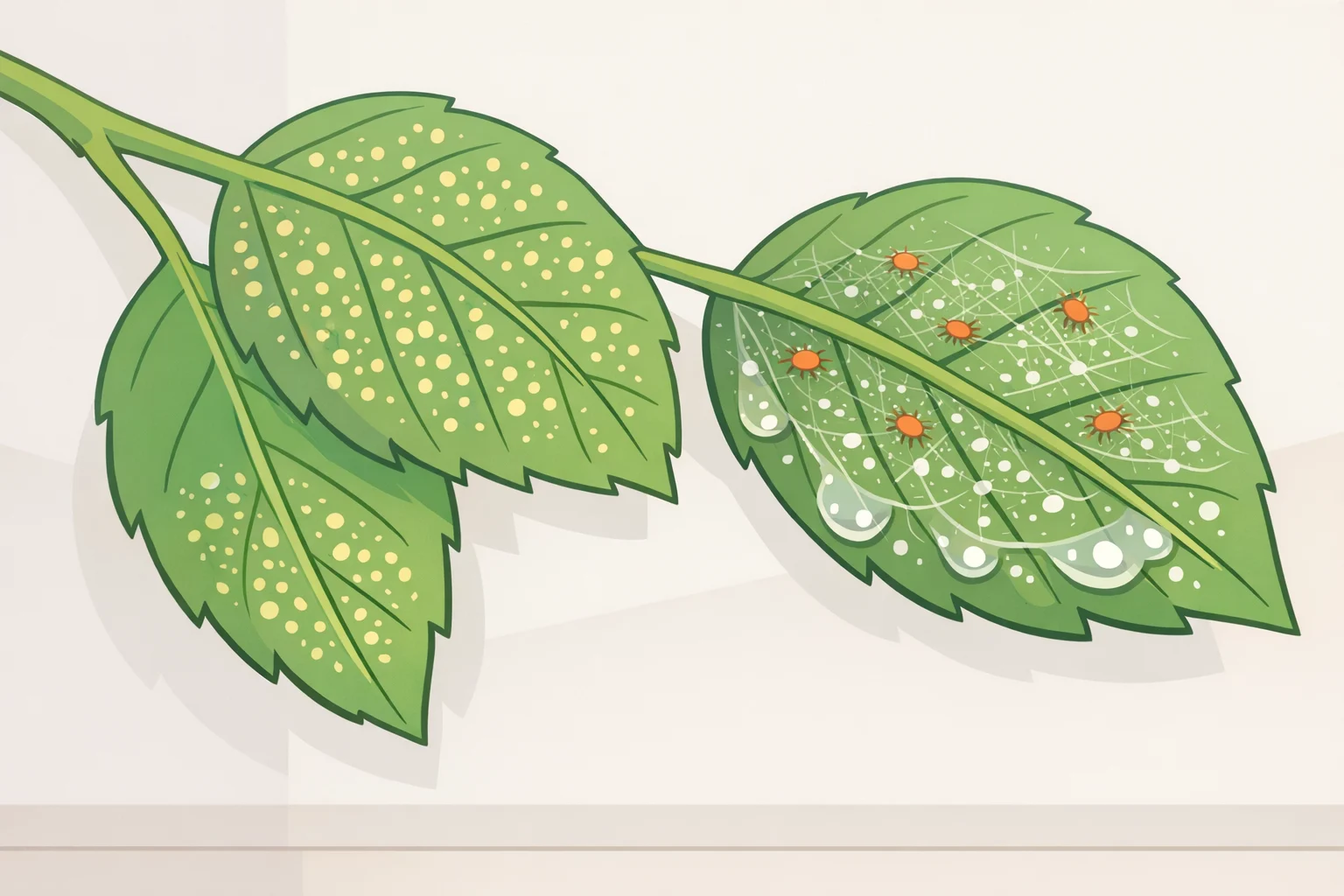
Skip any plant showing widespread yellowing across multiple leaves, sticky residue, or fine webbing on the undersides of leaves. The webbing is almost certainly a pest infestation, likely spider mites. That's not a bargain at any price. It's a problem you'll carry home and potentially spread to every other plant you own.
How to inspect a plant in two minutes
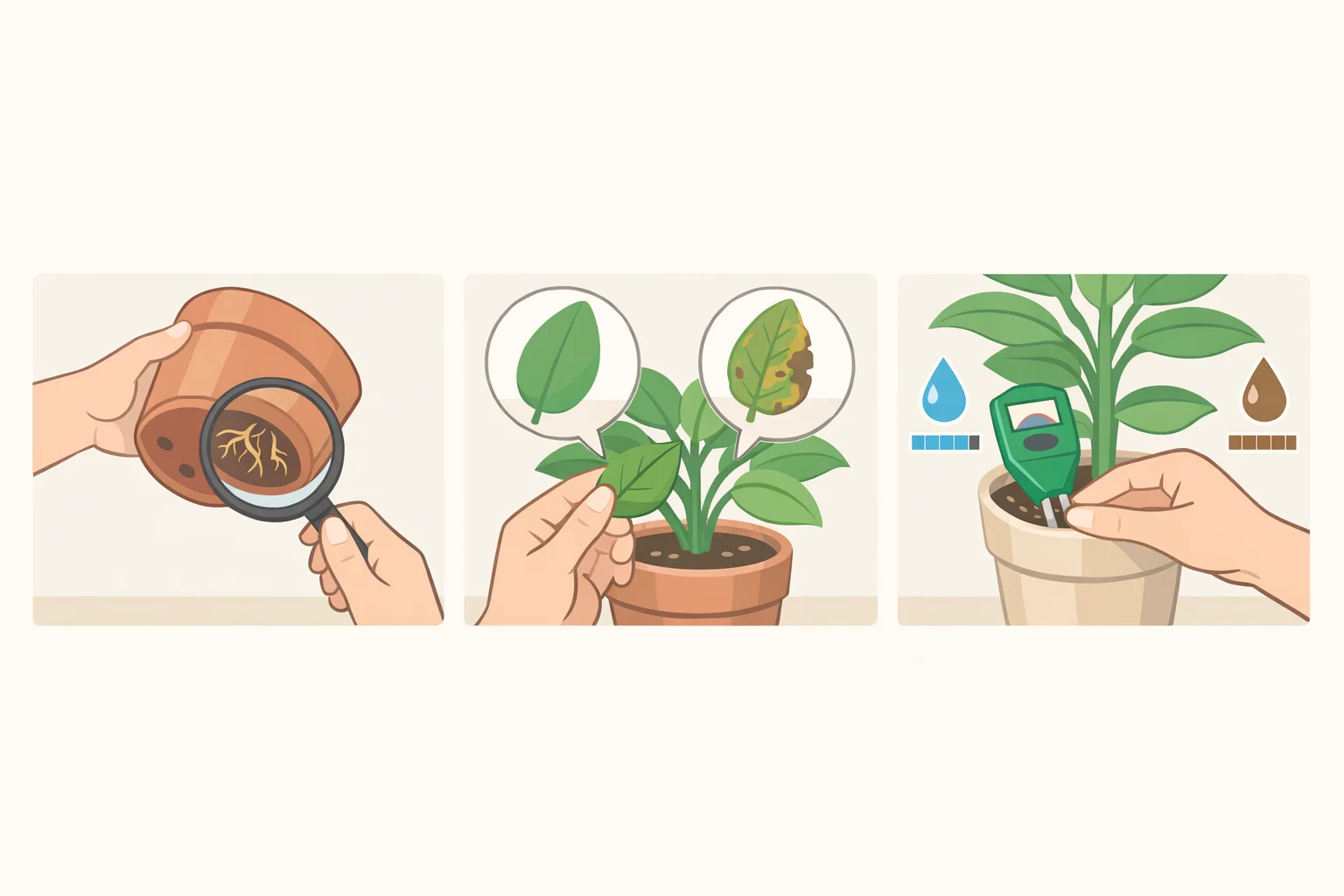
Four checks, run before anything goes in the cart.
Step 1: Roots. Gently tip the pot and look at what's coming out of the drainage hole. White or pale tan firm roots are healthy. Dark, mushy roots indicate rot. Roots aggressively circling the hole or escaping it mean the plant is overdue for repotting. Manageable, not disqualifying, but factor in the work ahead.
Step 2: Leaves. A few yellowing leaves near the base of a tropical plant are normal dieback. Widespread yellowing, soft spots, brown crispy edges across multiple leaves, or any webbing and sticky residue on leaf undersides are reasons to put the plant back.
Step 3: Soil. Lightly damp is correct for most tropicals. Bone-dry suggests missed waterings. Saturated, compacted soil that smells off points to chronic overwatering. Both are workable if the rest of the plant looks healthy, but they mean you're paying full price for a specimen already carrying stress.
Step 4: Compare specimens. Eight pothos on the same shelf are not interchangeable. The healthiest and most stressed in that group will perform very differently over the next month. Spend sixty seconds picking the one with the most upright, vibrant growth and the fewest visible stress signals.
One thing to understand about IKEA plant pricing: the lower cost likely reflects younger, smaller plants sourced at commercial scale. That's not a quality deficiency in itself. A small snake plant from IKEA will eventually become the same plant as a mature nursery specimen; it just needs more time to get there. If size matters now, a nursery is the right call. If you can wait, the savings are real.
IKEA vs. a nursery: the clearest answer available
Go to IKEA when:
- You want beginner-friendly tropicals (pothos, snake plants, ZZ plants) at accessible prices and are willing to spend a few minutes evaluating stock
- You need planters, pots, or accessories; this is the most reliable part of the department regardless of what the live plants look like on any given day
- You're trying a species for the first time and want to keep financial risk low
- You have some flexibility on timing and can avoid peak weekend hours
Go to a nursery or specialist retailer when:
- You want a larger, established specimen rather than a starter plant that needs a season to fill out
- You're after a specific variety beyond the standard tropical rotation
- You'd rather skip the evaluation process and have reasonable confidence in plant health from the start
- You want staff who can advise on care, soil, pest management, or a plant that's already struggling
These two options complement each other more than they compete. A lot of plant collections start at IKEA and expand at nurseries as tastes get more specific. There's no contradiction in using both.
Before your next visit
Check the pots on every trip, regardless of what the live stock looks like. The ceramic and terracotta-style planters are the most consistent value in the department.
For live plants, snake plants, pothos, and ZZ plants remain the clearest buys. Run the four checks before anything goes in the cart: roots, leaves, soil, then pick the best specimen on the shelf. Two things that should send a plant back immediately: pest signs (webbing or sticky residue on leaf undersides) and widespread yellowing across multiple leaves.
If the live stock looks thin or stressed, buy the pots and leave. Come back earlier in the week after a restock. The plants will be in better shape. The pots will cost exactly the same.