How to make lasagna better: 7 layers, no ricotta
If you want to know how to make lasagna better, start with pasta thickness. Francesco, the Italian-born chef behind Ceci's, says his biggest piece of advice is that the sheets must be as thin as possible thin enough that you can see your hand through them. His ideal lasagna has exactly three components: pasta, Bolognese, and béchamel. No ricotta. At least six or seven layers. Everything else follows from those two decisions.
This guide walks through that method. By the end, you'll understand why pasta thickness drives every other choice, how béchamel functions differently from ricotta in this structure, and how to adjust the approach based on whatever pasta you have.
What you need before starting: Fresh homemade or refrigerated pasta sheets (see Step 1). A Bolognese and a béchamel Marcellina in Cucina notes both sauces can be made ahead, which makes the whole project more manageable. A pasta machine if you're rolling from scratch. Two smaller baking pans rather than one large casserole, for reasons explained in Step 5.
Note on regional context: Francesco's method reflects the béchamel-based tradition associated with Emilia-Romagna. Ricotta does appear in Italian lasagna, particularly in southern regions. This guide isn't settling an authenticity argument it's applying a well-supported method to a specific texture problem.
Why béchamel is doing the structural work
Video of the Day
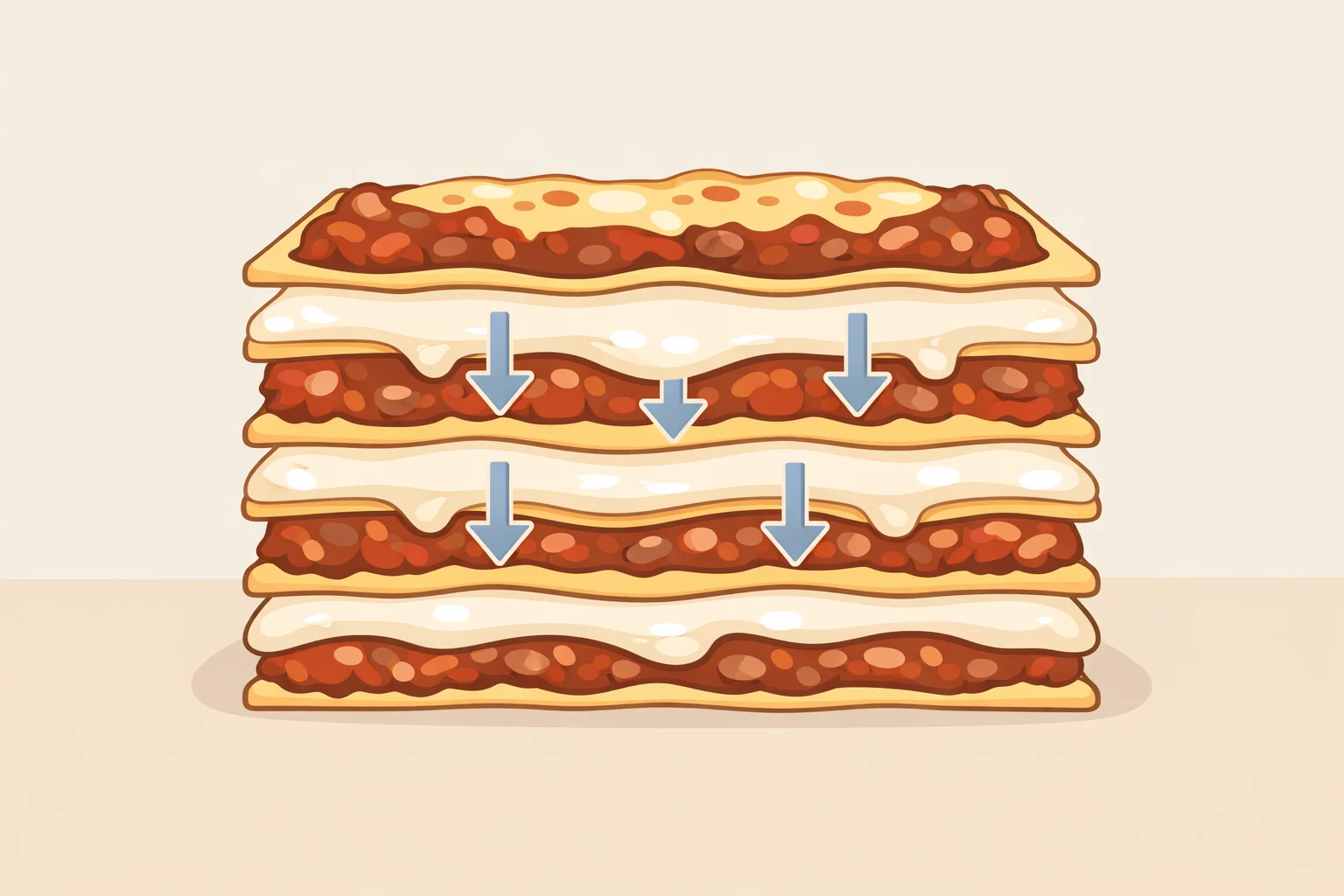
Thin pasta sheets have relatively little mass per layer. For the dish to hold its shape during baking and slice cleanly once cooled, the sauce between each sheet needs to spread continuously wall to wall, supply moisture as the pasta finishes cooking, and set firm enough to support the layers above. Béchamel does all three. Ricotta adds bulk, but it sits in discrete pockets rather than spreading across the surface which is why Francesco's "no ricotta" position isn't regional preference so much as structural logic.
Serious Eats describes besciamella as "the glue, the moisture, and the base" in Italian baked pasta language from their nidi di rondine recipe, but the underlying principle carries: béchamel binds in a way that a cheese sitting in pockets cannot (published last year). Marcellina in Cucina follows the same lasagna al forno framework, with mozzarella distributed between layers alongside the besciamella evidence that the structure can absorb additional cheese without displacing the sauce's binding role, so including it is a defensible choice rather than a departure (published late 2024).
Francesco targets pasta with what he calls "medium resistance" toothsome but easy to cut with a fork. Béchamel is part of what produces that texture, supplying moisture gradually rather than saturating the pasta all at once (Dining and Cooking, published five months ago). The finished sauce should be thick enough to coat the back of a spoon; that consistency is what allows it to spread across delicate sheets without running off the edges or pooling in corners (Marcellina in Cucina, late 2024).
Video of the Day
The method: how to build it
Step 1: Choose your pasta this decision shapes everything else
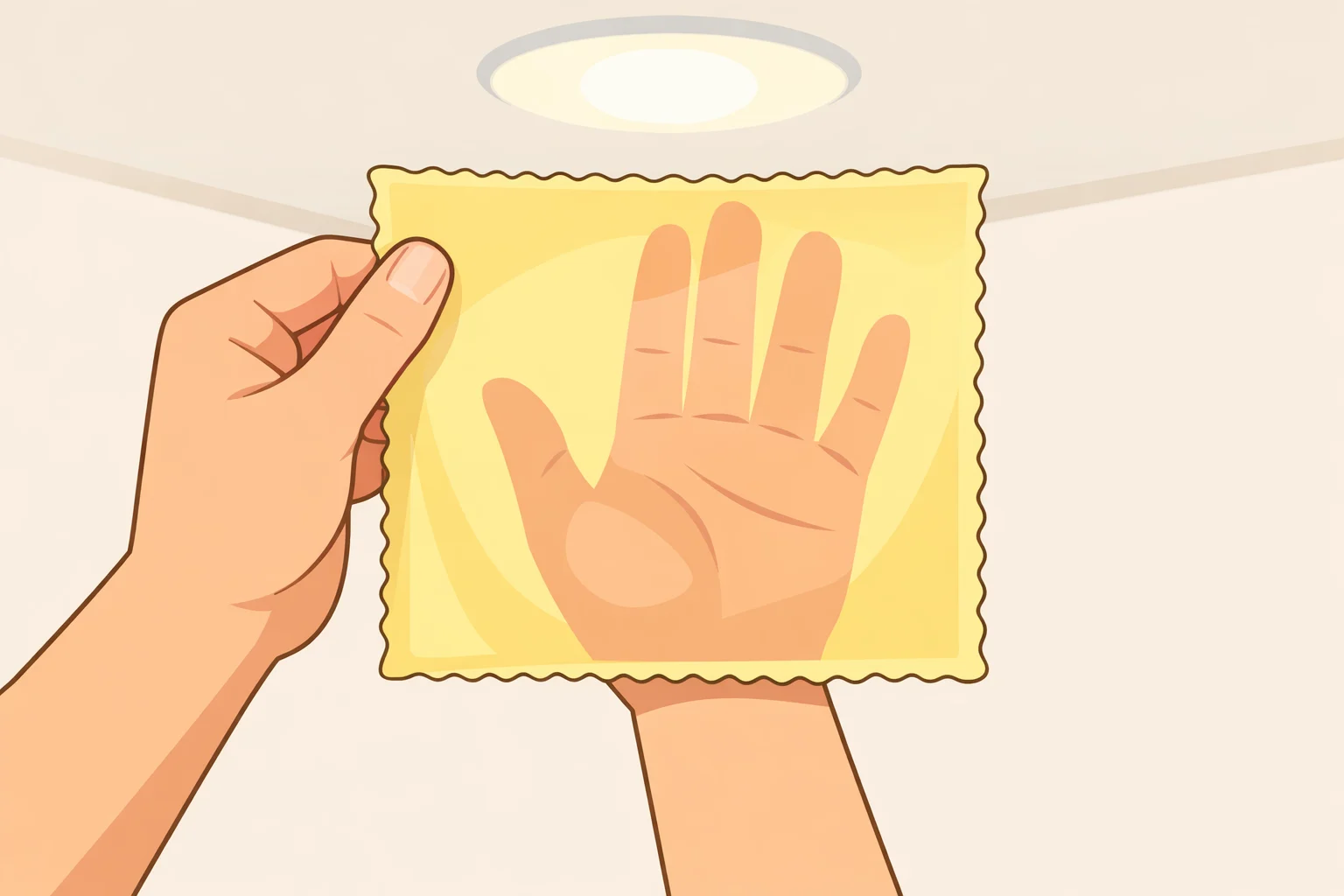
Fresh homemade sheets rolled to near-translucency are the best version. Use a pasta machine and step down through each setting gradually, ending at or near the lowest. Francesco's test: hold the sheet up to a light source. "You should be able to see your hand through the pasta dough," he says. Straight, flat sheets only the wavy edges on dried curly sheets are a thickness problem, not an aesthetic one (Dining and Cooking, published five months ago).
Refrigerated store-bought sheets are nearly as good and far less work. Francesco names them explicitly refrigerated pasta sheets "work wonderfully" when homemade isn't possible, and for most home cooks, this is the right call (Dining and Cooking, six months ago).
Dried standard sheets can work with adjustments. Loosen the Bolognese with broth and add extra milk to the béchamel so both sauces carry enough liquid to rehydrate the pasta. Add 10–15 minutes to the baking time, and cover the pan with foil for the first portion of baking to keep the top from setting before the interior catches up (Marcellina in Cucina, late 2024).
No-boil sheets can dry out the dish they pull moisture from both sauces more aggressively, which can leave the interior dry even when the top looks done. If that's what you have, run the sauces looser than usual and keep the foil on longer (Marcellina in Cucina, late 2024).
With seven layers, each coat of Bolognese and béchamel should be thin and even. Thin coverage across all seven layers beats thick coverage across four.
Step 2: Pre-cook fresh or refrigerated sheets
Boil fresh sheets for approximately two minutes, then transfer immediately to a well-salted cold water bath. The bath stops the cooking at the right moment and seasons the pasta slightly from the outside. Don't skip it, and don't extend the boil the sheets finish cooking in the oven, and going in already soft means coming out as mush (Dining and Cooking, six months ago).
Step 3: Make the béchamel
Melt butter over medium-high heat. Add an equal volume of flour and stir for about one minute until the raw flour smell cooks off. Whisk in warm whole milk gradually, stirring until smooth. The finished sauce should be thick enough to coat a spoon (Marcellina in Cucina, late 2024). Season with salt, pepper, and a small amount of freshly grated nutmeg it integrates into the sauce and is part of the traditional flavor. If the béchamel is too thin at this stage, it will run off the sheets during assembly. Get the consistency right before building.
Step 4: Assemble seven layers, full coverage on each
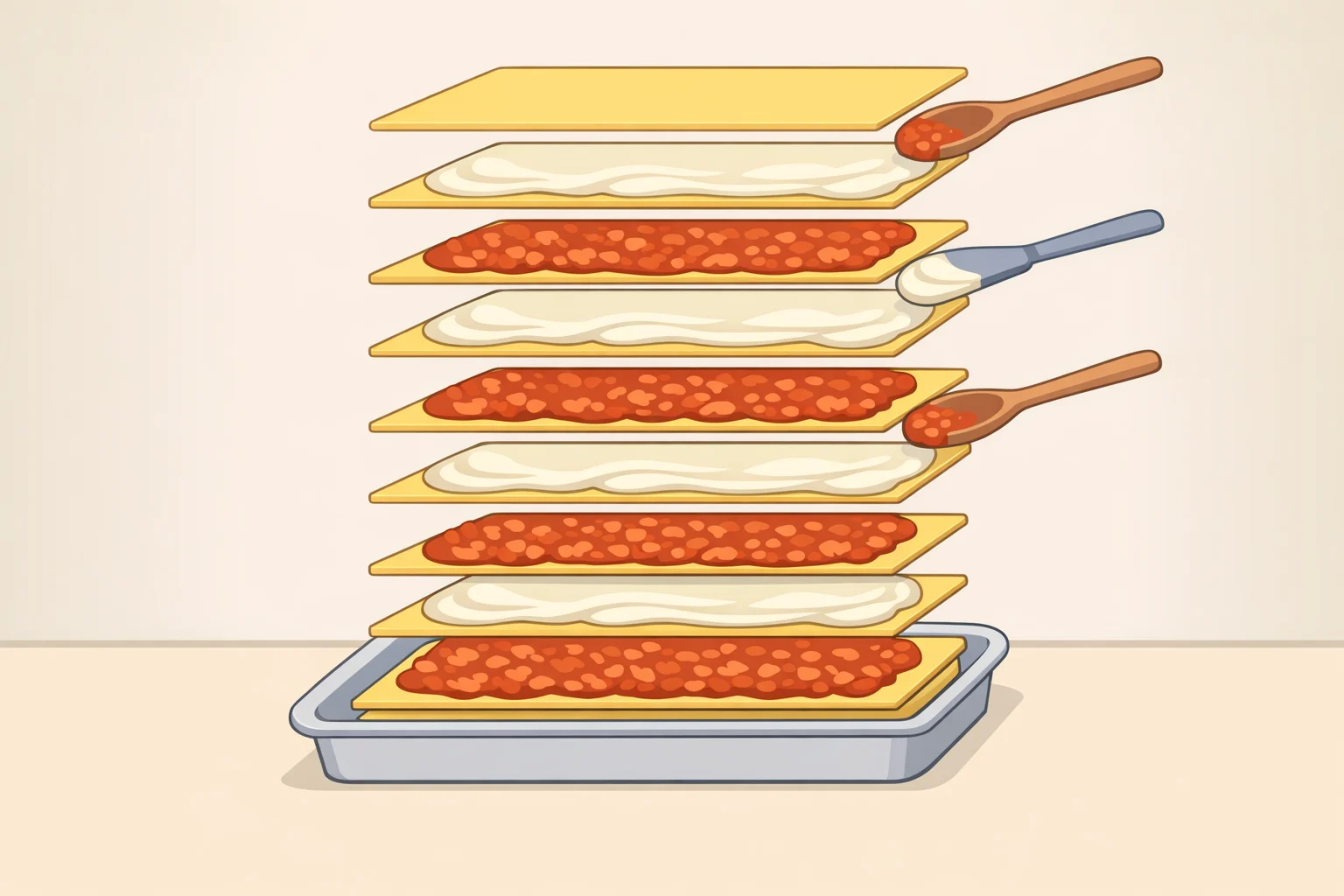
Start with a thin spread of béchamel across the base of the pan. This prevents the bottom sheet from sticking against the pan floor. Then build: pasta sheet, a thin even layer of Bolognese spread wall to wall, a spread of béchamel wall to wall. Repeat.
Coverage matters as much as ingredients. An uneven Bolognese layer produces dry bites and wet bites in the same slice the dish tastes inconsistent rather than cohesive. Take the extra thirty seconds per layer (Marcellina in Cucina, late 2024). Finish the top with béchamel and a dusting of finely grated Parmigiano-Reggiano, which browns in the oven and forms the crust.
Seven layers is the target, and it's only achievable with thin sheets. "The key to me is to create the most number of layers you can," Francesco says. "At least six or seven layers. The pasta has to be the thinnest you can." Standard-thickness pasta builds a lasagna too tall to cook through evenly, and the layers press together before the béchamel can set what Francesco calls a "chunky" result (Dining and Cooking, five months ago). Layer count and pasta thickness are the same decision, not two separate ones.
Step 5: Use two smaller pans instead of one large casserole
More perimeter means more crispy edges. At the pan wall, exposed pasta and béchamel make direct contact with the heat and form the crunchy border that Francesco describes as the most coveted part of the dish. "In Italy, as a kid, everyone wanted the corner. That crispy edge," he says. "So, we try to have a four corner lasagna [at Ceci's] with crispy spikes." At Ceci's, he bakes in individual 13x8-inch pans. At home, two smaller baking dishes instead of a single large casserole extends that perimeter without special equipment (Dining and Cooking, six months ago). Thin sheets are what make those edges crispy rather than hard the logic runs straight back to Step 1.
Step 6: Bake, then rest
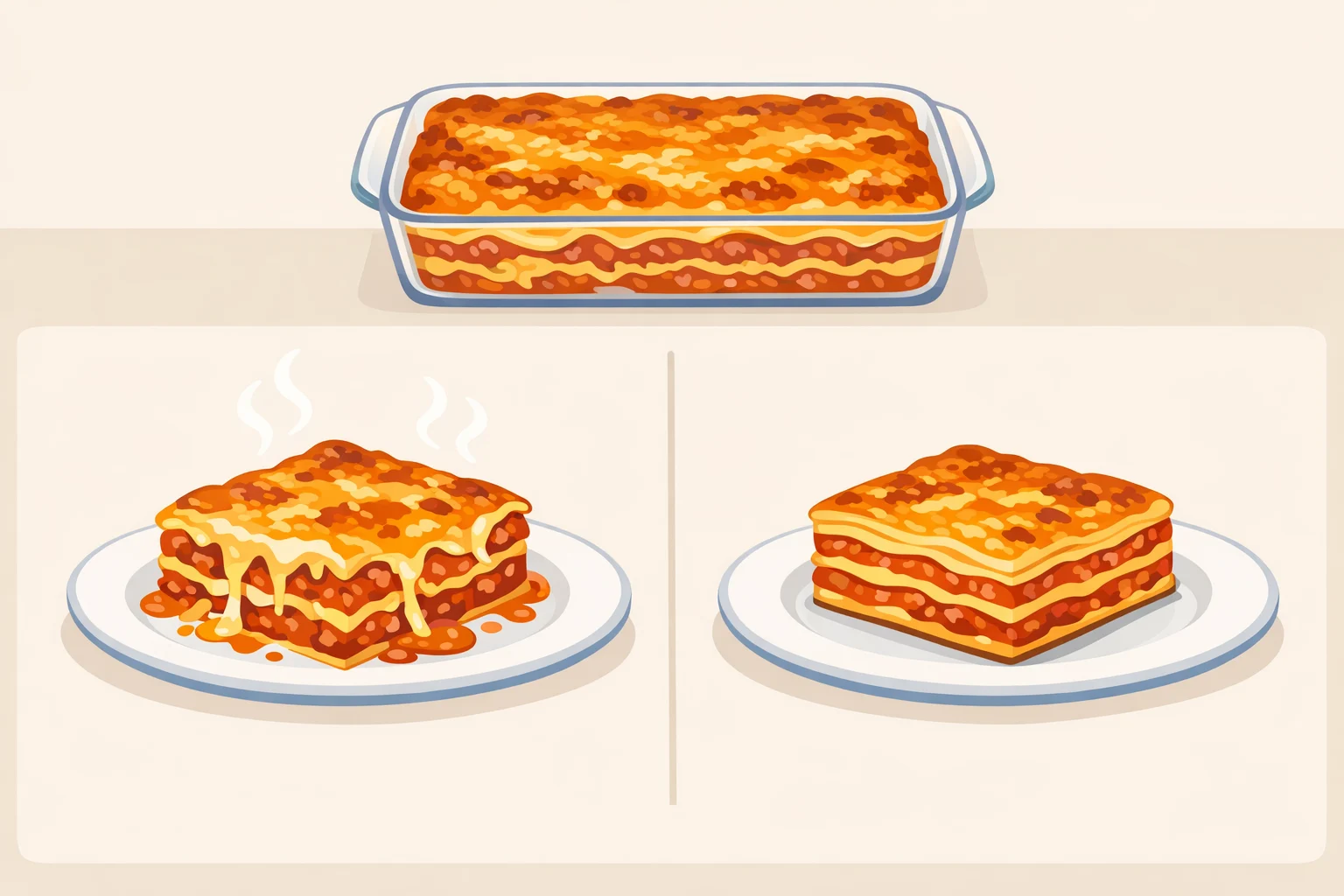
Bake at 350°F until the top is golden-brown with a visible Parmigiano crust and the edges show crispness where the pasta meets the pan wall (Marcellina in Cucina, late 2024). A knife inserted in the center should meet some resistance from the layers but not feel like it's hitting a wall.
Then wait. Rest the lasagna at least 15–20 minutes before slicing. This is the difference between clean horizontal layers visible from the side of each slice and a collapsed pile on the plate the internal structure needs time to set, and it will stay warm (Marcellina in Cucina, late 2024).
If something went wrong: Collapsing slices usually point to pasta that was too thick, too few layers, or not enough resting time. A wet interior with a burned top suggests the béchamel ran too thin or the oven ran hot. Bland flavor usually means the béchamel was under-seasoned or the Bolognese needed more time on the stove.
If you only have dried or no-boil sheets
Fresh homemade or refrigerated sheets give you the full method with the best result. If you only have dried sheets, you can still get close loosen both sauces, add 10–15 minutes of covered baking time, and expect slightly less definition between layers. No-boil sheets require even looser sauces and more time under foil; the result will be softer and less structured, but workable (Marcellina in Cucina, late 2024).
Francesco's target is six or seven layers, which only works with very thin pasta (Dining and Cooking, five months ago). If you can't hit that with what you have, adjust the sauces accordingly and accept the tradeoff. Make both sauces the day before, use refrigerated sheets if possible, rest the finished dish before cutting that's the short version of everything above.