While veganism dates back all the way to ancient Indian societies, it's got some serious health buzz. More and more people are eating less meat, and roughly 6% of Americans eat vegan. That's definitely a good thing – veganism isn't just good for the environment, it's great for your health. A study found that vegans tend to maintain a healthier body weight and have a significantly lower risk of diabetes, while other research shows that some vegan diets lower the risk of heart disease.
Video of the Day
If you're considering going vegan, there are a few things to keep in mind. On top of following conventional diet wisdom – like eating mostly unprocessed foods and serving up lots of fruits and veggies – you'll need to spend some extra time planning your diet to make sure you get enough of a few key nutrients.
Video of the Day
Read on to learn how to stay healthy eating vegan – and for some delicious recipes to get you started!
Power Up with Vegan Protein
While you can get all the protein you need from a vegan diet, it may take some planning. That's because most vegan sources of protein lack at least one of the amino acids you need to maintain healthy tissues, so you need to combine several sources of protein throughout the day to get all the amino acids you need. The best vegan foods for protein include soy, beans, lentils, peas, whole grains, nuts and veggies, and you should include several servings of these foods every day.
Tip
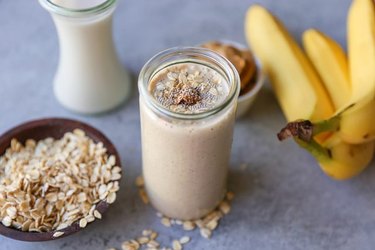
Look for recipes that combine a few protein sources. Try our black bean and pumpkin chili (just omit the cheese and sour cream) or power up your mornings with our peanut banana protein shake.
Look Out for Omega-3 Fatty Acids
While your body can synthesize most of the fatty acids you need on its own, omega-3 fatty acids are a notable exception, and they need to come from your diet. Getting enough of these healthy fats is key to staying healthy as a vegan, since low omega-3 fatty acid levels can trigger depression and negatively affect your heart health.
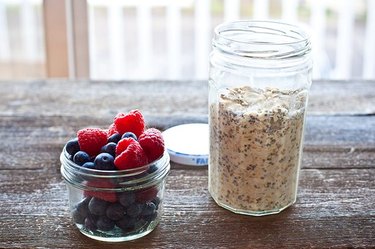
But it can be challenging to meet your needs, because the two most active forms of omega-3 – DHA and EPA – are most commonly found in fish. To compensate, include several servings of chia, flaxseeds, walnuts, savi seeds or hemp in your diet as vegan sources of omega-3s. These foods contain ALA, an omega-3 that your body converts to DHA and EPA to benefit your health.
Tip
Get more omega-3s by snacking on comforting chia seed pudding – you can up the omega-3 content by adding a tablespoon of hemp seed.
Get More Iron, Calcium and Zinc
One challenge of a vegan diet: getting the minerals you need to stay healthy. Certain minerals, like iron and zinc, aren't as easily absorbed from plant-derived foods, while others, like calcium, are mostly found in non-vegan foods like dairy. But you should make an effort to eat more mineral-rich vegan foods. Low zinc levels can impair your immune system (a definite drawback as we enter flu season!), low iron can cause energy-zapping anemia, while low calcium negatively affects your bones.
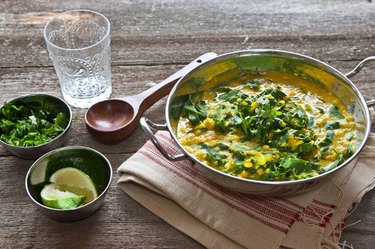
Reach for lentils, dried fruit and whole grains as sources of iron, and eat chickpeas – we recommend this garlicky hummus – and nuts for zinc. For calcium, include tofu in our diet (check out these tofu presses for the perfect, crispy tofu) and load up on broccoli. This seasoned roasted broccoli works as a side for virtually any meal – and the leftovers work perfectly as a topping for salads.
Tip
Serve your iron-rich foods with a side of veggies – the vitamin C in vegetables enhances iron absorption. Try these oven-roasted root veggies or roasted acorn squash as hearty, comforting options.
Eat Foods High in Vitamin B-12, Too
While a vegan diet does a great job of supplying most vitamins, vitamin B-12 is an exception. That's because B-12 pretty much only occurs naturally in animal-derived foods, so it's missing from unprocessed vegan diets. Low B-12 levels zap your energy levels by causing anemia, and can even trigger permanent nerve damage.
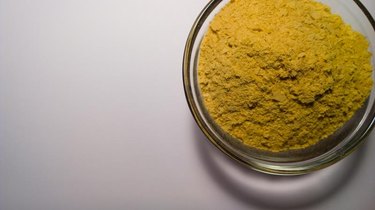
Include nutritional yeast in your diet as a natural source of B-12. Stir it into sauces and dips for cheese flavor, or use it to season this yummy vegan popcorn.
Choose the Right Processed Foods
While conventional diet wisdom might tell you to steer clear of processed foods, they might actually help you stay healthy when you're eating vegan – as long as you choose the right ones. Plant-based meal replacement shakes, meat alternatives and dairy alternatives are developed with vegans in mind, so they're often high in nutrients that are low or missing in some vegan diets.
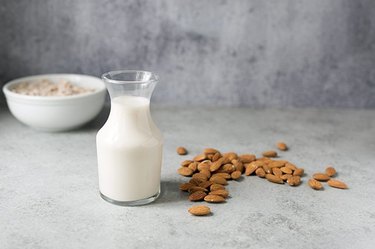
Fortified coconut, almond or soy milks, for example, typically contain as much calcium as regular dairy milk, while vegan sausage supplies lots of high-quality protein and vitamin B-12. Vegan protein shakes help you meet your protein needs and many contain added vitamins, minerals and omega-3 fatty acids. For a delicious treat, make your own almond milk – it's easy!
Tip
Practice moderation when eating certain vegan processed foods. While you can drink unsweetened nut and seed milks daily, limit higher-sodium fare – like vegan chick'n or sausage – to once or twice a week.
Fill Any Gaps With Dietary Supplements
Even the best-planned vegan diet can occasionally need some help, and dietary supplements can provide "insurance" to ensure you're meeting your needs. Vegan omega-3 fatty acid supplements, for example, may be worth the money. It's tough to eat enough plant-based omega-3s to make the level of DHA and EPA you need, so a seaweed-based DHA and EPA supplement can make up the difference.
Vitamin B-12 supplements -- either vitamin tablets or injections at the doctor's office -- can prevent a B-12 deficiency if you don't like processed food or nutritional yeast, while mineral supplements can provide easily absorbable calcium, iron or zinc.
Warning
Consult your doctor before taking supplements since large doses of most supplements can cause adverse side effects. Too much EPA and DHA might put you at risk of excessive bleeding, for instance, while iron overdoses can actually be deadly. Your doc can recommend the right dose to meet your needs.
Discover New Vegan Favorites
Part of being happy and healthy is absolutely loving what you eat. So don't be afraid to get a little adventurous in the kitchen and find some new vegan faves. Try one of these delicious (and Instagram-friendly) options to get started!
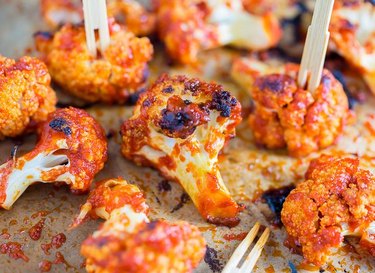
Part of being happy and healthy is absolutely loving what you eat. So don't be afraid to get a little adventurous in the kitchen and find some new vegan faves. Try one of these delicious (and Instagram-friendly) options to get started!
- Buffalo cauliflower bites
- Almond flour blueberry pancakes
- Low-carb zucchini "zoodles"
- Tempeh noodle soup (just use chopped tempeh and veggie broth in place of chicken and chicken broth!)
- Creamy coconut-raspberry fruit pops