How to Remove Ink Stains From Clothes: A Step-by-Step Guide
The instinct when ink hits a shirt is to scrub it like you're trying to erase it. Don't. If you're trying to figure out how to remove ink stains from clothes, the first move is to blot, pulling the ink out the way it got in rather than grinding it into the fabric, according to Consumer Reports.
Timing matters as much as whatever treatment follows, Consumer Reports notes. "With a little know-how and patience, you can remove most stains yourself," Brian Sansoni, senior vice president at the American Cleaning Institute, told Consumer Reports in a previous interview, adding that acting quickly and having the right products on hand is what makes the difference.
Not every ink cooperates, no matter how fast you move. The ACI's own stain removal guide warns that some ballpoint, felt-tip, and liquid inks may be impossible to remove entirely, a caveat worth knowing before you're three attempts in and surrounded by paper towels.
This guide covers the ACI's method for treating pen ink while it's still fresh, what's realistic once ink has dried in, where laundry detergent fits into the process, and the point at which a professional cleaner makes more sense than another round of home treatment.
How to remove ink stains from clothes: two rules before you start
Video of the Day
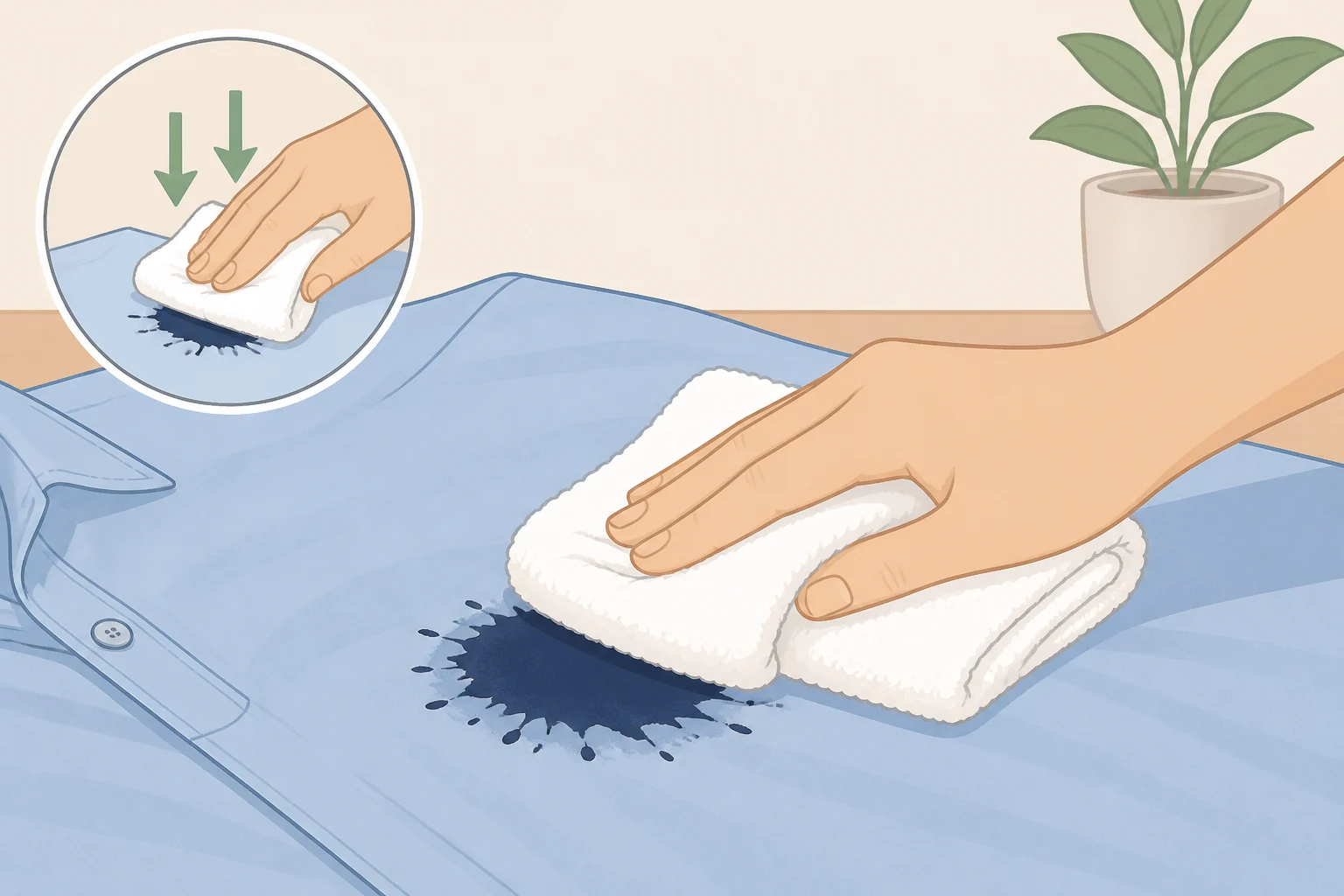
Blot a fresh spill immediately with water, seltzer, or a towel, preferably white, Consumer Reports advises. The reasoning is straightforward: blot while the stain is still wet, since you're pulling it out the same way it went in.
The second rule concerns what happens after treatment. Never move a stained item into the dryer until you've confirmed, in good light, that the stain is completely gone. Heat sets stains and can make them difficult or impossible to remove, Consumer Reports warns, so air-dry the garment instead and inspect it before it goes anywhere near a heat source.
Both rules apply regardless of which treatment comes next. Blotting is the recommended first response to any fresh stain, and checking before drying protects whatever progress the actual treatment made.
Video of the Day
How to remove pen ink from clothing while it's still fresh
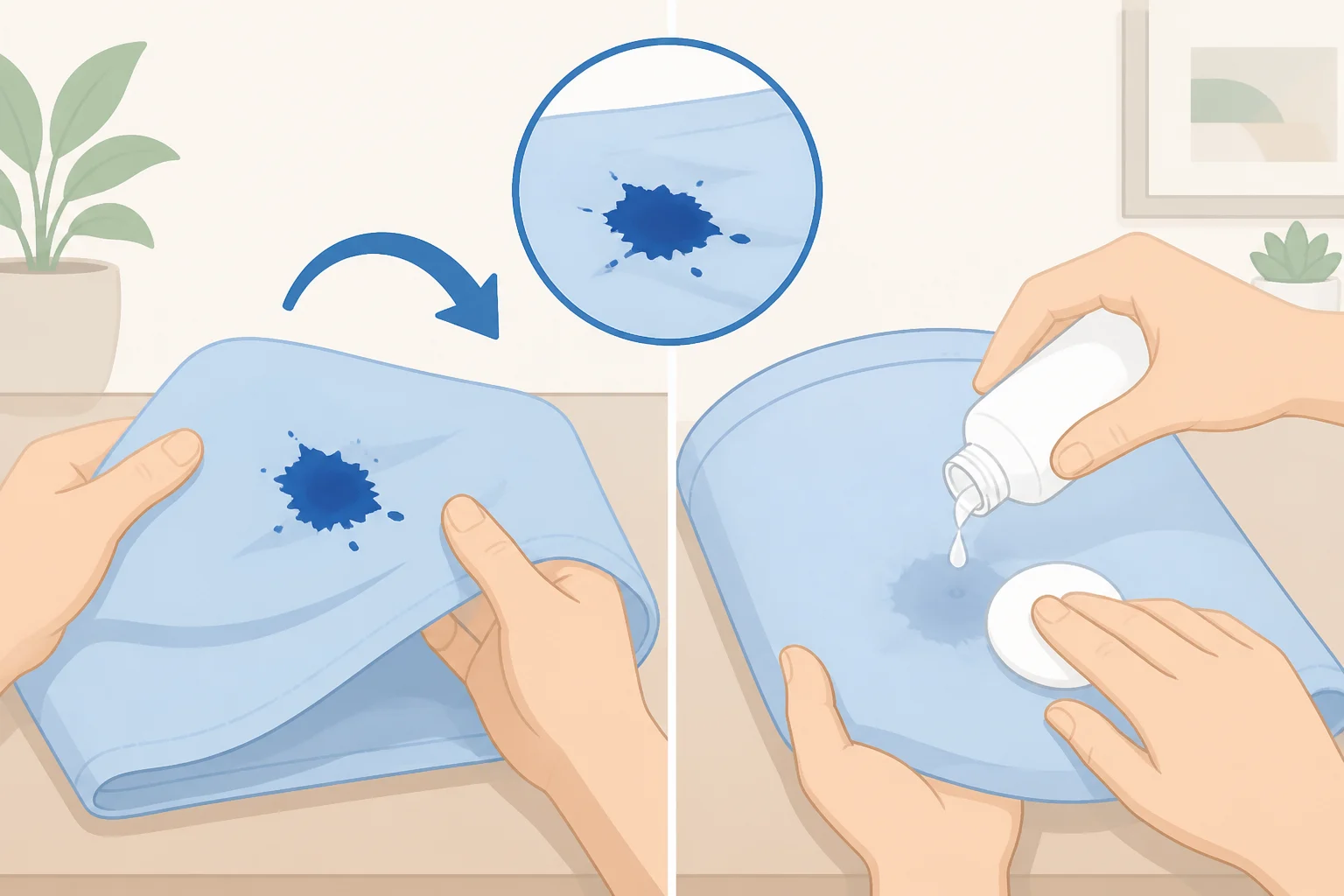
The American Cleaning Institute's method pushes ink out of the fabric rather than spreading it across the surface. Before starting, gather:
- Rubbing alcohol or cleaning fluid
- Clean paper towels or white cloths, several of them
- A jar or drinking glass, for the alternative method on stubborn marks
You'll also want a sink for rinsing afterward, and liquid detergent on hand if you plan to pretreat before washing, which is covered in the next section. Those last two aren't part of the ACI's tested procedure, just practical additions.
A couple of precautions worth taking first, more general garment-care sense than anything from the sources above: check the care label, and if it reads dry-clean-only, treating it at home is a gamble worth skipping. And since neither source specifies how these products behave on every fabric, test an inconspicuous spot, like an inside seam, before working alcohol or cleaning fluid into a stain on anything colored or delicate.
If the ink is still wet, blot it first per the rule above. Once it's blotted and no longer spreading, work through the ACI's stain removal guide:
- Test around the stain first. Sponge the fabric surrounding the ink mark with rubbing alcohol or cleaning fluid before applying anything directly to the stain itself.
- Flip the fabric facedown. Lay the stained section face down on a clean paper towel, then apply the alcohol or cleaning fluid to the back of the stain. Treating from behind pushes ink through the fibers and onto the towel below, instead of smearing it further across the front.
- Replace paper towels often. As soon as a towel picks up ink, swap it for a clean one, so the garment isn't pressed back against ink it just gave up.
- For a mark that won't lift, try the jar method. Stretch the stained fabric taut over the mouth of a jar or glass and drip alcohol or cleaning fluid straight through the stain, so the ink falls into the container as it comes out.
- Rinse thoroughly, then launder as usual. Air-dry and check the spot before it goes near a dryer.
If the stain is still visible after laundering, skip the dryer. Either repeat the treatment or set the garment aside for a dry cleaner's opinion, rather than guessing how many more rounds a given fabric can take.
Where detergent fits into the process
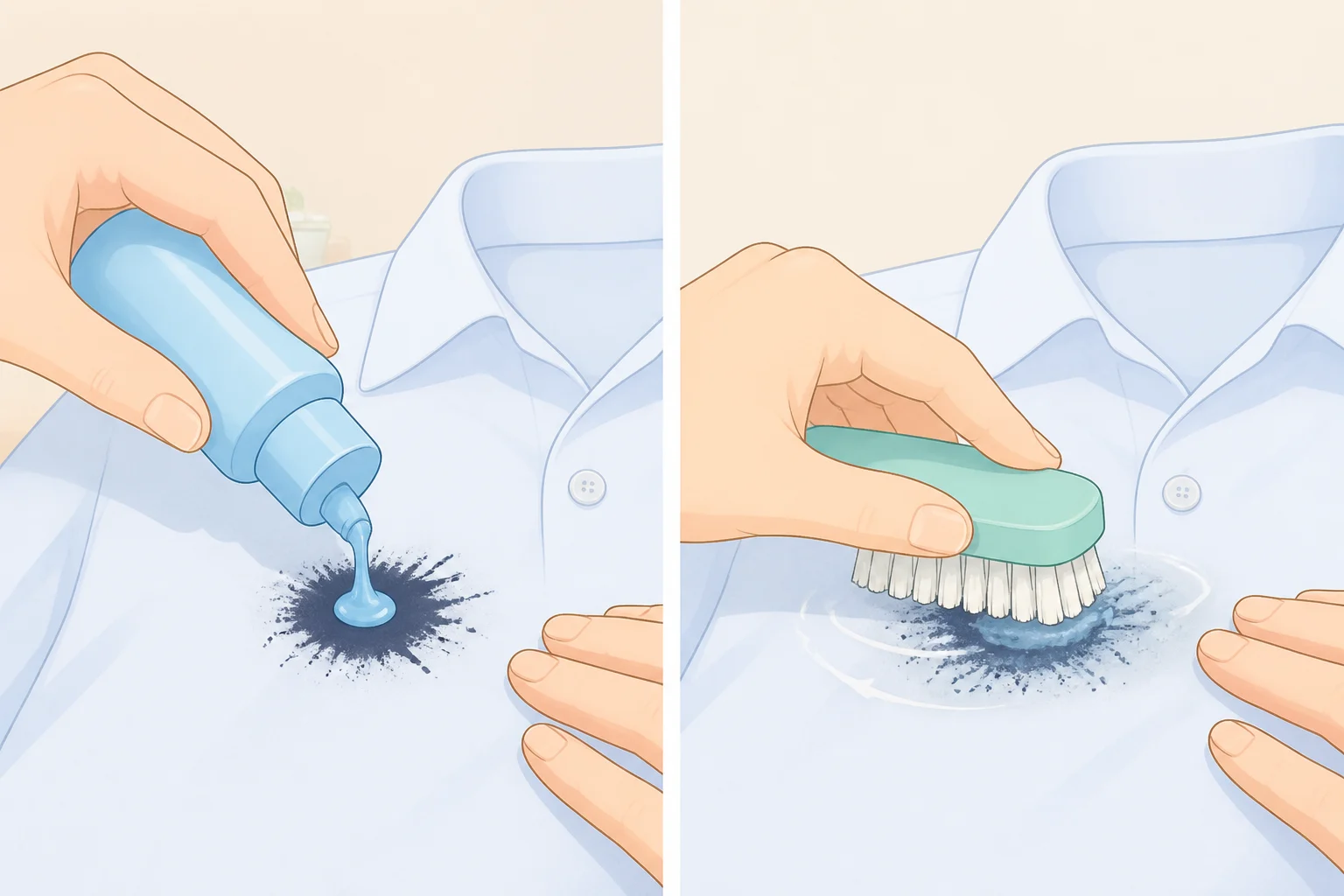
Detergent isn't a substitute for the alcohol method above, though it has a real role to play. Consumer Reports' product testing found that top-rated liquid detergents also work well as spot treatments, which makes detergent most useful as a pretreatment before the garment goes into the wash, rather than a stand-in for the ACI steps.
To pretreat, dab a small amount of detergent directly onto the stain and work it in gently with a soft-bristle toothbrush before laundering, Consumer Reports recommends. This fits before the wash cycle, as a pretreatment, not as a replacement for the solvent work above.
The water running through the machine isn't a neutral ingredient either. Mineral content, salt, and temperature can all affect how well any detergent performs, according to the American Cleaning Institute. That's worth remembering before blaming the detergent itself for a stain that won't budge in one house when it came out fine at a friend's.
What to do about dried ink stains from clothes
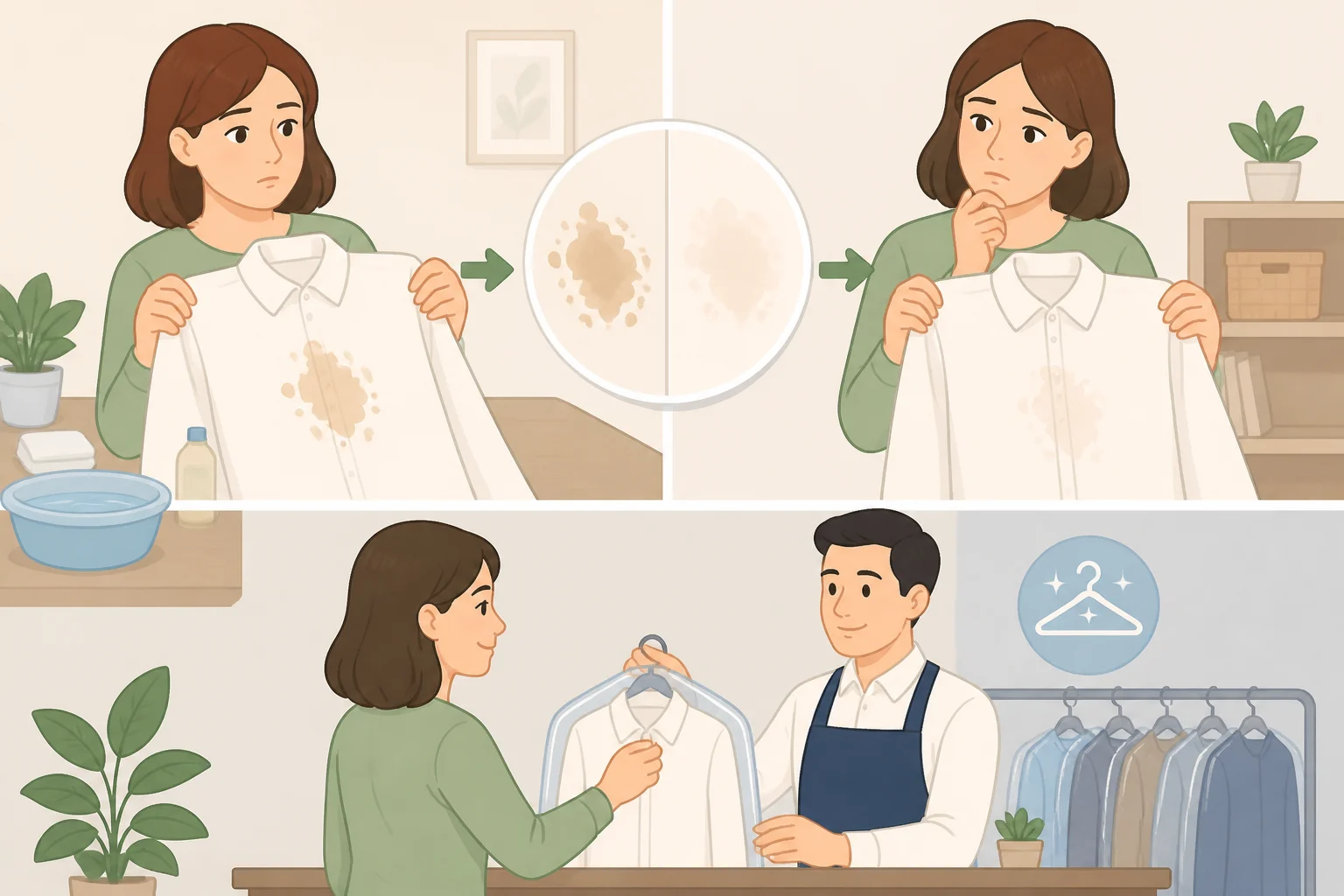
The method above is built for ink that's still fresh. Neither source here offers a separate step-by-step for ink that's already dried in or been through a wash cycle unnoticed. What they do offer is a realistic read on the odds: don't move a treated item into the dryer until the stain is visibly gone, even if that takes several rounds of treatment, Consumer Reports advises.
Permanent ink falls into what Tom Swantko, content director at FabricLink, calls the "good luck getting it out" category, he told Consumer Reports. It's made to add intense color and stay put, the same quality that makes it reliable for signing a check and miserable for a shirt sleeve.
Dye strippers exist for extreme cases, but Swantko cautions they can strip the fabric's original color right along with the stain, trading one problem for another. If a stain remains after a full round of treatment, washing, and inspection, Consumer Reports' advice is to consult a dry cleaner or upholstery cleaner, without expecting success.
Ink that's already gone through a hot dryer before anyone caught the stain is fighting a steeper climb. That's the scenario where a professional opinion is worth more than another bottle of rubbing alcohol, particularly on a garment that matters.
Knowing when to call it
Permanent ink is built specifically to stay put, which is exactly why Swantko's "good luck" category exists in the first place. If a stain survives a full round of the ACI treatment, a wash cycle, and an air-dry with no heat involved, that's the point to stop experimenting and get a dry cleaner's assessment, especially on something worth saving. Cheaper than finding out what a hot dryer does to a stain nobody checked first.