How to Melt LDPE

How to Melt LDPE thumbnail
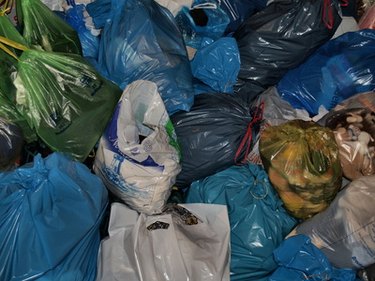
Plastic bags can be melted together to create strong, sturdy plastic sheets.

Low-density polyethylene (LDPE) is a plastic commonly found in squeeze bottles, bread wrappers, frozen food packaging, dry cleaning bags, shopping bags, tote bags, clothing bags, furniture, carpet and many other ordinary products. You can take your bags in for recycling, or throw them away, but you can also recycle them for your own craft projects. This is accomplished by melting the LDPE.

Melting LDPE grade plastic is not difficult; a common clothes iron can accomplish the task easily.

Things You'll Need

  • Clothes iron
  • Ironing board
  • Plastic shopping bags
  • Craft paper
  • Scissors
Show More

Instructions

    • 1

      Calculate the number of bags necessary to create the desired thickness and area to complete your finished project.

      One bag folded into quarters provides 4 layers of thickness, which is adequate for many uses, but does not provide a large area to work with. Additional layers make a stiffer and tougher finished product, but will take longer to bond.

    • 2

      Heat the clothes iron to its medium setting.

    • 3

      Flatten a bag along the established folds and cut off any handles with scissors to square it. Cut off the bottom seam to make a tube, and open any pleats. Turn the bag inside out and flatten into a two-layer rectangle.

      A typical plastic shopping bag from WalMart, for example, will make an 18-inch by 14-inch, two-layer rectangle. If you fold it in half so the open ends are at the top and bottom of your bag, you will have a 9-inch by 14-inch rectangle.

    • 4

      Repeat step 3 with additional bags and combine or fold bag(s) together to attain the dimensions desired for your project source sheet and lay them on a sheet of craft paper. Place a second sheet of craft paper on top of the bags and place the stack on your ironing board.

    • 5

      Iron each section of the bag layers for at least 10 to 15 seconds. Move the iron around so the bonded plastic spreads evenly over the entire product. Make sure the plastic stays between the pieces of craft paper and does not melt directly on the iron or ironing board. If the plastic/craft paper combination is larger than the ironing board, move it around so the entire product gets 10 to 15 seconds of ironing.

    • 6

      Flip the craft paper sandwich and repeat the ironing process on the other side. This is especially important if you are melting more than four layers of plastic together.

    • 7

      Allow the plastic to cool for five to ten seconds before pealing off the craft paper.

    • 8

      Examine the plastic sheet for any spots where the layers did not bond completely. Repeat the ironing and cooling process to touch up these spots.

    • 9

      Repeat steps three through seven until you have enough source material to create your project.

Tips & Warnings

  • Keep the hot iron away from plastic. Iron only on the paper.

  • Exercise caution with the hot iron to avoid burning yourself.

  • This project should only be done by adults, or youth under close adult supervision.

Related Searches:

References

  • Photo Credit Altkleider image by Marem from Fotolia.com

Comments

You May Also Like

  • What Is LDPE Plastic?

    LDPE is an acronym for low-density polyethylene. This type of plastic can be identified in many products we use with the resin...

  • How to Melt Polyethylene at Home

    Polyethylene is a commercial polymer frequently used to make plastic. It is usually found in packaging such as bottles and grocery bags....

  • Specifications of LDPE

    Specifications of LDPE. The result of high-pressure polymerization--a chemical process combining two or more molecules into a large molecule of ethylene, a...

  • How to Recycle LDPE Plastic

    Low-density polyethylene (LDPE) plastics are not always recyclable through local recycling programs. Recycling rules do change over time, sometimes because a local...

  • How to Reuse Paper Shopping Bags

    Since more and more stores are now switching to paper bags, you more than likely have a closet full of them and...

  • Properties of Polyethylene Film

    Polyethylene, or polythene, is a polymer of ethylene used mostly in packaging, agriculture and construction industries. It is formed by melting resin...

  • Glass Transition Temperature of LDPE

    Polymers, such as plastics, have varying consistencies when exposed to high or low temperatures. Specifically, a special juncture that occurs with LDPE,...

  • How to Weld Plastic Sheets

    Plastic sheets can be welded to form everything from vases to ductwork and everything in between. Welding plastic sheets requires a hot...

  • How to Recycle Plastic Grocery Bags

    Plastic grocery bags Type 2 (high-density polyethylene film - HDPE) and Type 4 (low density or linear-low density polyethylene film - LDPE/LLDPE)...

  • Low Density Polyethylene Safety

    Low density polyethylene is a plastic used to package inhalation drugs and also used in food packaging and on playground equipment. The...

  • HDPE Vs. LDPE

    Both high-density polyethylene and low-density polyethylene are two common plastics made from petroleum. Because of its wide range of uses, plastic forms...

  • Types of Plastic Bags

    According to the American Chemistry Council (ACC), using plastic bags instead of paper bags provides an excellent opportunity to be a little...

  • How to Recycle Plastic Coffee Can Covers

    Coffee can lids fall under the category of low-density polyethylene, or LDPE plastics, and bear the #4 recycling symbol. Many curbside programs...

  • How Is LDPE Recycled?

    Manufacturers use polyethylene, a byproduct of oil, to create a wide variety of plastic products, from medical supplies to paper coatings. Low-density...

  • How Do I Tell If it Is Food Grade Plastic?

    Only seven types of plastic are considered "food grade" by the U.S. Food & Drug Administration. Plastics used to package food must...

  • How to Make Homemade Bags Out of Recycled Plastic Shopping Bags

    Paper or plastic? That's the question you'll hear at many a store today when shopping. With the strong emphasis on going green,...

  • How to Melt Plastic Bottles

    Melting plastic bottles should be approached cautiously, as the gases released when some plastics melt are toxic. Furthermore, without professional tools you...

  • Instructions for a Plastic Bag Tote

    You can actually produce a strong, durable and waterproof sheet of material using nothing more than your iron and those old plastic...

  • What Materials Are Used in Plastic Bags?

    Most products that we buy today come in different packagings. Materials such as paper, plastic and metal are used to make different...

Related Ads

Featured