How to Freeze Persimmon Pulp

How to Freeze Persimmon Pulp thumbnail
You can freeze persimmon pulp for up to a year.

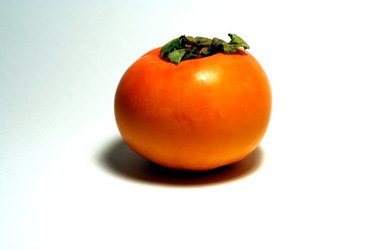
Ripe persimmons can offer a vibrant burst of flavor contained in relatively few calories. A single persimmon offers about 32 total calories, of which only one is from fat, according to SELF NutritionData. But these flavorful fruits do not stay good for very long; once they become ripe, even the refrigerator will only keep them good for two to three days. If you wish to enjoy their flavor for longer than that, you can freeze their pulp instead. The frozen pulp will maintain its quality for up to approximately a year. Does this Spark an idea?

Things You'll Need

  • Knife
  • Spoon
  • Bowl
  • Blender, food processor, fork or potato masher
  • Ascorbic acid
Show More

Instructions

    • 1

      Wash the persimmons thoroughly, then cut them in half. Use a spoon to scoop the innards out of the skin and into a bowl. Discard the skins, and remove and discard any seeds you find while scooping out the innards.

    • 2

      Mash or puree the persimmon flesh. You can do this in a blender or food processor, or manually with a fork or potato masher. Again, remove and discard any seeds you find during this process.

    • 3

      Add 1/8 tsp. ascorbic acid per quart of persimmon puree you wish to freeze. This will help prevent discoloration. Stir the puree well to completely integrate the ascorbic acid into the puree.

    • 4

      Scoop the persimmon puree into airtight freezer-safe containers. Seal each container tightly, then put them into your freezer. Use the frozen persimmon pulp within 10 to 12 months for the best results and the highest quality.

Tips & Warnings

  • If you are purchasing persimmons specifically for the purpose of freezing them, select an astringent variety -- such as the Hachiya -- instead of a non-astringent variety, including the Fuyu type. Astringent persimmons freeze better, while non-astringent persimmons are best when eaten fresh.

  • Freeze the persimmon pulp in amounts that you will be able to use at once. If you generally use a cup of persimmon pulp at once, for example, freeze the pulp in 1-cup units. This allows you to thaw only as much as you need.

Related Searches:

References

Resources

  • Photo Credit persimmon i image by Eric E from Fotolia.com

Comments

You May Also Like

  • How to Can a Persimmon Jam Ball

    With just a few steps, it's simple to can almost any overabundance of produce that you've accumulated in your garden. If you've...

  • Preparation of Persimmon Pulp

    Persimmons are a deep orange fall and winter fruit that can be used in both sweet and savory recipes. The name comes...

  • How to Freeze Fuyu Persimmon Slices

    Fuyu persimmons freeze well and, like peaches, they make a nice accompaniment to ice cream. Making a simple syrup in which to...

  • How to Make Persimmon Pulp

    Persimmons are most often eaten fresh, according to the Hawaii University Extension's website, but many recipes like persimmon jam, persimmon pudding and...

  • How to Make Persimmon Pudding

    Persimmons, a native of the American Midwest, are round fruit with reddish flesh that are harvested from trees in autumn. After persimmons...

  • How to Freeze Banana Pulp

    Bananas often end up in the trash once the peels brown and the fruit gets soft. Mashing the banana and freezing the...

  • How to Eat Persimmons

    The way to cut and eat a persimmon depends on what kind of persimmon it is: Hachiya or Fuyu.

  • How to Buy a Persimmon Tree

    If you want a tree in your yard that produces beautiful fruit, bright foliage in the fall, consider buying a persimmon tree....

  • How to Make Persimmon Jam

    Forget going to the gourmet markets for exotic jams. You can make tasty persimmon jam at home. This sometimes astringent fruit is...

  • Breads of the Orient

    Breads of the Orient. Bread is a whole-foods staple that is enjoyed around the world. Although prepared using a variety of methods,...

  • How to Puree Blackberries

    Pureeing blackberries in a food processor is a simple process. A blackberry puree has a smooth texture that makes it ideal to...

  • How to Make Persimmon Pulp in a Blender

    The persimmon is a tree-grown fruit that orginated in China. According to California Rare Fruit Growers, Inc., persimmons were grown for centuries...

  • Do Persimmons Need to Be Pollinated?

    Striking landscape trees even in winter, persimmons as fruit trees are both exotic and down-home. Most varieties home gardeners in the South...

  • How to Choose Persimmons

    Persimmons come in two varieties: Hachiya and Fuyu. One is crunchy, the other soft.

  • How to Handle a Spoon and Fork Properly

    Table manners vary by country and culture. In India and Ethiopia, for example, eating with one's hands is socially acceptable, though there...

  • How to Process Persimmon Pulp

    Persimmons eaten before they are fully ripe are bitter and astringent in taste. Unripe fruit, as the old adage says, will make...

  • How to Extract Persimmon Pulp

    Persimmons are the delectable tree fruit whose interior turns sweet and jam-like when fully ripe but is highly astringent and inedible when...

  • How to Harvest and Store Persimmons

    Bright orange persimmons dangling from the branches of a persimmon tree are a familiar fall and winter sight in many parts of...

  • When Is a Persimmon Ripe?

    Persimmons might be uncommon in the supermarket, but that doesn't mean they're unappetizing. In fact, many people prize them for their rich...

  • What Part of the Persimmon Do You Eat?

    The persimmon is a fruit that originated in China, though it is grown in many other countries. When ripe, the persimmon's color...

Related Ads

Know Your Knives: Josh Ozersky’s Comprehensive Guide

I have a lot of knives. You probably do too. I really don’t know what to do with them all. There’s a Chinese cleaver, aï؟½

Featured