How to Paint Water Pipes

How to Paint Water Pipes thumbnail
Help your pipes blend in better by finishing them with paint.

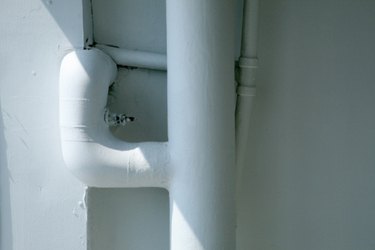
Many homeowners consider bare water pipes to be an eyesore that stand out from the rest of their home. Help your pipes blend in better by finishing them with paint. Before you apply the new finish, treat the pipes with a special acidic primer, equipped with the ability to etch durable metal. Take the time to thoroughly clean the pipes, or you will have significant adhesion difficulties. Apply a specific paint based on the pipe's location, or the finish might eventually fail.

Things You'll Need

  • Water-based degreasing cleanser
  • Steel wool
  • Water hose
  • Rags
  • Professional painter's tape
  • Drop cloths
  • Galvanized metal etching primer
  • 2- to 4-inch nylon paintbrush
  • Acrylic latex paint
  • Satin or semi-gloss latex paint
Show More

Instructions

    • 1

      Wash the water pipes with a degreasing cleanser, using steel wool. Rinse the pipes, using a water hose or wet rags. Allow at least 2 to 3 hours of drying time. Never paint unwashed water pipes, or you will have significant difficulties with primer adhesion.

    • 2

      Cover areas next to and below the pipes with painter's tape and heavy-duty drop cloths. Take your time and work meticulously to prevent unnecessary paint overlap and drips.

    • 3

      Coat the water pipes with a metal etching primer, using a nylon paintbrush. Apply a light coat, being careful to smooth drips and runs as you notice them. Allow the pipes to dry for 3 hours.

    • 4

      Use tap water to wash the metal etching primer form the nylon brush.

    • 5

      Paint the water pipes just as you primed them. Apply an acrylic latex paint to exterior pipes. Apply a satin or semi-gloss latex paint to interior water pipes.

Tips & Warnings

  • Don't paint unprimed water pipes, or they will reject their new finish.

  • Don't use latex primer on water pipes, or flaking will result.

Related Searches:
  • Photo Credit Jupiterimages/Photos.com/Getty Images

Comments

You May Also Like

  • How to Paint Lead Pipework

    Old lead pipes can be unsightly - or they may just not go with your decor. Here's how to freshen them up...

  • How to Paint Basement Water Pipes on the Ceiling

    Basement ceilings, with their exposed water pipes, ductwork and wiring, lend a somewhat industrial, gloomy look to your basement. Installing a suspended...

  • How to Paint Galvanized Pipe

    Anyone who has ever tried to make paint stick to a galvanized metallic surface knows it can be tricky. Luckily, there are...

  • How to Paint Pipe Fence

    Applying the right kind of paint the right way can mean the difference between a look that can last a decade and...

  • How to Paint Steel Pipe

    Steel pipes can be painted any color needed for its intended purpose. The pipe must be clean and dry before painting to...

  • How to Protect Black Pipe

    Black pipe is plain steel pipe without any protective coatings. Black pipe is used for a variety of applications around the home....

  • Steel Casing Pipe Specifications

    Steel casing pipe, also called "encasement pipe," is used in underground construction. Casing pipes safeguard many kinds of utilities, like water mains,...

  • Types of Vinyl Roof Paints

    Chemically speaking, the vinyl applied to automobile roofs is no different from the PVC pipes connected to your kitchen sink. They are...

  • How to Clean Your Air Conditioner Water Pipe

    Over time, the water pipe on your central heating and air conditioning unit can become clogged with debris and algae.Clogged water pipes...

Related Ads

Featured