How to Spin Fibers

How to Spin Fibers thumbnail
A top-whorl spindle shown with fiber for spinning.

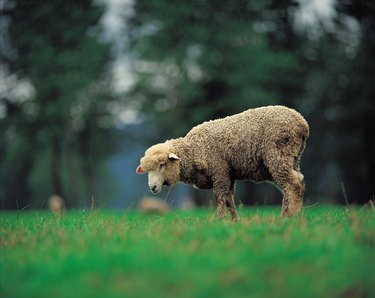
Have you ever looked at a sheep and wondered how its fleece is transformed into a wool sweater? If so, spinning may be the perfect new hobby for you. It's amazing to take a bag of wool and make it into a beautiful handspun yarn, then--if you know how to knit, crochet or weave--to make the yarn into a garment or other finished product. It's also possible to spin other fibers, like silk and alpaca, once you have some basic spinning skills.

Things You'll Need

  • Prepared fiber of your choice Drop spindle or spinning wheel Wool yarn Scissors
Show More

Instructions

    • 1

      Select your fiber to spin. Beginners typically start with wool, which will be discussed here in detail.

    • 2

      Prepare your fiber for spinning. Wool is typically sold ready or almost ready to spin. Beginners often spin from roving, a long strip of wool in which the fibers have been made parallel by carding or combing, and have been twisted a little to hold them together. These parallel fibers flow easily as you spin. Many spinners like to pre-draft their roving, meaning that they gently stretch it between their hands to spread the fibers and make them easier to pull out (or "draft") during spinning.

    • 3

      Attach a leader--a piece of wool yarn 12 to 18 inches in length--to your drop spindle or the bobbin of your wheel. Spinning on a wheel is more complex, and beginners usually start with a drop spindle, so that's the focus here. Tie the leader to the spindle's shaft below the whorl, if using a top-whorl spindle. Thread the leader through the whorl's notch and then through the hook on top.

    • 4

      Take a small amount of fiber in your fingers and twist it onto the end of the leader. The wool yarn will stick to the fibers and hold together with enough twist. This twist makes yarn happen. Continue to pull out a little more fiber, gently moving the spindle to hang from the attached fiber and leader, and give the spindle a clockwise turn. The spindle will move twist up into the new fibers from the roving. Prevent the twist from entering the entire roving by pinching it tightly in your fingers. If your yarn breaks, that's OK; repeat the process until you have found a balance between the amount of fiber and the weight of the spinning spindle. This is why different weights of spindles are used for varying thicknesses of yarn.

    • 5

      Stop the spindle by holding it between your legs or feet as you draft the next segment of fibers. Pinch the fiber and spin the spindle to move twist into these fibers, then stop when you're ready to draft again. This is called the "park-and-draft" method, and is a usual beginner technique. You will soon be able to draft and keep the spindle in motion at the same time.

    • 6

      When your spindle is about to touch the floor, keep the fibers attached to the yarn and stop spinning. Wind the yarn onto the shaft of the spindle in an upside-down cone shape, reserving the last foot to bring back through the notch and hook so that you can continue spinning one long length of yarn.

Tips & Warnings

  • Wool is easy to spin because the fibers are generally longer and will stick to each other more easily as you spin yarn. Popular wool varieties for spinning include wool from Blue-Faced Leicester and Merino sheep. You can, of course, also spin many other types of fiber, such as silk, angora, mohair, alpaca, llama, yak, bison, flax and cotton. However, these are more difficult and require a bit more practice. Cotton in particular is best spun by those with experience and by using different equipment, such as a type of spinning wheel called a charkha. Many excellent videos are available online to coach beginning spinners. Search on YouTube or other video sites to watch pros explain the nuances of spinning. The process described here will make a "single" yarn, meaning a yarn with only one spun length of fibers. Most commercially produced yarns that you may have seen, however, are at least 2-ply, meaning two single pieces have been "plied" or twisted together to produce a stronger yarn that is "balanced." Balanced yarns will not distort when knitted, crocheted or woven. You may choose to ply your singles to make a balanced yarn.

  • Handspun yarn should be hand-washed in cool water without agitation prior to use. Warm water and agitation may "felt" the yarn, changing its texture, shrinking it and causing it to mat and stick to itself. Roll the yarn in a towel and press out the excess moisture; do not wring it out. Air-dry the yarn thoroughly.

Related Searches:

References

Resources

  • Photo Credit Photo by Flickr user >>>WonderMike<<<. http://www.flickr.com/photos/mikewade/2606153312/

Comments

You May Also Like

  • How to Spin Yarn

    Have you ever wanted to start a knitting project or a crocheting project but just couldn't find the perfect yarn? Spinning your...

  • How to Spin Wool Fiber

    Spinning wool fiber on a spinning wheel requires coordination as both hands and feet need to move independently of each other. Spinning...

  • How to Make Horse Hair Rope

    Horse-hair ropes, called "mecates," are made by twisting together strands of hair taken from a horse's mane or tail. The technique is...

  • Tools Used to Hold Unspun Fibers Before Spinning

    Tools Used to Hold Unspun Fibers Before Spinning. January 7 is St. Distaff's Day. There is no such saint. This is a...

  • What Are Ringspun Cotton Towels?

    Cotton towels are made with different methods. Ringspun cotton is a specific type that is spun and woven to produce a softer...

  • How to Spin Cashmere Into Yarn

    If you've already mastered spinning fine fibers with longer staple lengths like merino and alpaca, you should try spinning cashmere into yarn....

  • How to Wash Raw Wool for Spinning

    Hand spinners are drawn to wool festivals for the wide variety of fiber that is for sale. Some spinners choose fiber that...

  • Products That Help Your Hair Hold Curls

    Products That Help Your Hair Hold Curls. Creating a curly style with the use of a curling iron or rollers is easy,...

  • How to Prepare Fiber for Spinning

    While you can spin many types of animal fibers, beginners will find it easiest to start with merino wool. Wool has a...

  • How to Spin Wool

    Creativity has no limits when it comes to spinning wool. Spinners can create something as simple as a blanket to matching sweaters...

  • How to Spin With Cellulose Fiber

    Cellulose fibers come from the walls of plants. Included in this class of fibers are flax, cotton, hemp and ramie. The strongest...

  • Types of Fiber for Spinning

    Types of Fiber for Spinning. Years ago, spinning animal hairs by hand was the only way people could produce yarn. Spinning wheels...

  • How to Turn Cotton Into Yarn

    A tahkli spindle is a traditional tool for spinning cotton into yarn. A bottom-whorl spindle, the tahkli is often smaller and heavier...

  • How to Put Spin on a Golf Ball

    Getting a golf ball to stop quickly or even spin backward can be a real lifesaver, especially when you're hitting onto firm...

  • How to Spin Angora Wool Yarn

    Angora is a unique fiber to spin. It is extremely fluffy and because of this is seven times warmer than wool. This...

  • How to Choose the Best Wool for Spinning Yarn

    It's essential to choose the right wool fleece to create great hand-spun yarn. If you don't select good wool, you won't have...

  • How to Hand Spin Yarn

    Hand spinning using a spindle is one of the earliest methods of creating yarn. It is an art still practiced in many...

  • How to Spin Wool Yarn

    When you look at a length of wool yarn, you will see that it is composed of fibers twisted together. This twist...

Related Ads

Featured