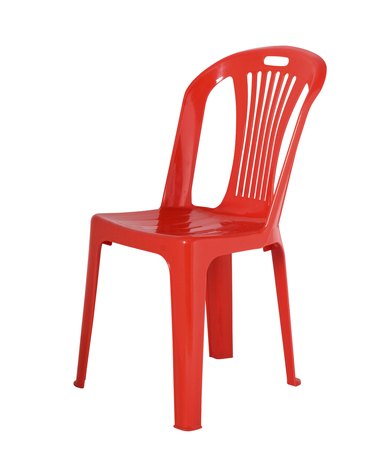
While many plastic products such as storage crates are durable enough to last for decades, the plastic's color may not be exactly what you have in mind for a room makeover or craft project. Painting the plastic allows you to change its appearance; you can even make it look like metal if you use a metallic spray paint. Don't reach for that spray can just yet -- plastic requires a bit of preparation and a plastic-appropriate primer or paint; otherwise, the paint may not adhere at all, or it can peel off easily, wasting your time and your paint.
Preparing Plastic
Video of the Day
Plastic must be clean before painting, so give it a thorough washing with a mild soap and water, especially if it has been outside for a while, such as a plastic chair. Once the plastic dries, scuff up its surface gently with a fine or very fine sandpaper to remove coatings and make the plastic more receptive to primer. Wipe away the dust with a damp cloth. Wipe down the plastic again with rubbing alcohol and allow the alcohol to dry completely.
Video of the Day
Prime Time
Some spray paints designed for plastic do not require a primer, but the color selection may be limited. If you'd rather expand the color potential by using a standard spray paint, first give the plastic a coating or two of plastic spray primer. Cover areas you don't wish to paint with painter's tape; then set the project on newspaper outdoors on a non-windy day or in a well-ventilated room. Wear a dust mask to avoid breathing in fumes. Spray primer goes on in the same manner as spray paint; use smooth, parallel and overlapping arm motions while holding the can 12 to 18 inches away from the project. Cover all the areas you plan to paint and allow the primer to dry for several hours or as recommended on the primer can.
Prettier in Paint
A spray paint formulated for plastic allows you to paint the plastic directly without the use of primer, or if you've already primed the plastic, any basic spray paint will adhere. Set up the project on newspaper or cardboard, covering nearby areas to avoid overspray. Work outdoors, if possible, on a non-windy day, or choose a well-ventilated room. Wear a dust mask to avoid breathing in fumes in either case. Begin each line of spray slightly before reaching the plastic and ending it slightly beyond the plastic to ensure good coverage; this also prevents blobs of paint since the initial burst hits paper, not the plastic project. Overlap paint strokes slightly and work in thin coats -- several thin layers create a better finish than one thick layer, which may result in drips in the paint.
Fun With Paint
To create a two-tone finish or pattern such as stripes, chevrons or zebra print, apply strips of painter's tape in the desired pattern over the base paint color after the paint has dried for a day or so. For zebra stripes, tear the straight edges off strips of tape and arrange the pieces somewhat parallel to one another. Spray a second paint color over the project; it may take more than one coat for complete coverage. Peel the tape away to reveal your design. Acrylic craft paints may be used to paint small designs on the painted plastic, such as words or vines.