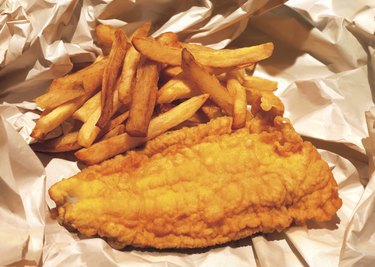
Most of the fish we eat comes from the sea. These types of fish are called saltwater fish, and there are hundreds of varieties. Not all saltwater fish are edible. Some are edible but not that tasty, and others make up a large list of tasty, edible saltwater fish that grace the tables of seafood lovers worldwide.
Salmon
Video of the Day
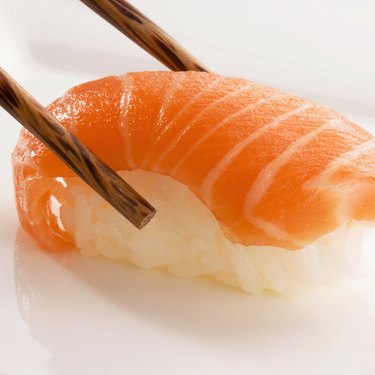
Salmon is a large fish, usually found in colder waters. Its flesh is a distinctive rosy pink, and it is one of the most expensive types of edible saltwater fish. Salmon is used extensively in Japanese cuisine and is eaten raw in Japanese sashimi dishes. Salmon is very rich in essential omega 3 oils and fatty acids.
Video of the Day
Tuna
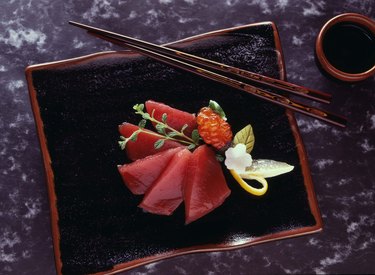
Tuna is eaten worldwide in its canned form; however, fresh 'sashimi grade' tuna (typically a dark red) is very expensive to buy and, like salmon, is eaten raw in Japanese cuisine. According to Belly Bytes, the average U.S. citizen eats more than three pounds of tuna annually.
Anchovies
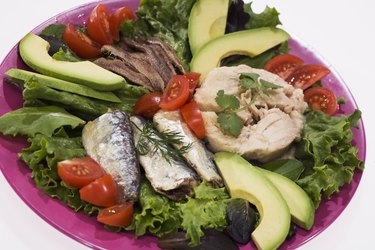
Anchovies are small fish, which are traditionally eaten salted or preserved in oil. Anchovies have their origins in Spain, but are today most widely known as an either much-loved or much-hated pizza topping.
Sardines
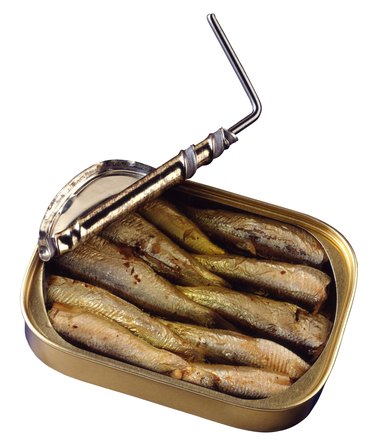
Sardines are typically canned before consumption, and the bones of these small fish are also edible and a rich source of calcium. In Greece, Spain and other Mediterranean countries, sardines are usually eaten fresh--pan fried or roasted with garlic and herbs.
Snapper
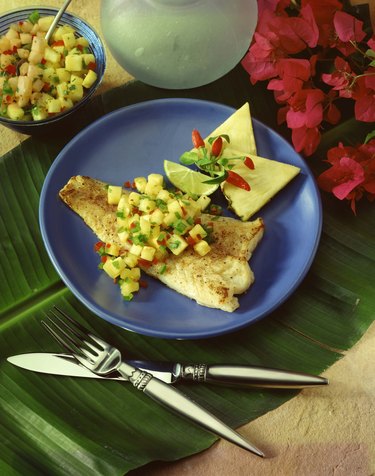
Snapper is a medium-sized fish, which has a distinct red skin coloring, although the flesh is white. Snapper is a firm fish, ideal for baking, stewing or using in soups.
Swordfish
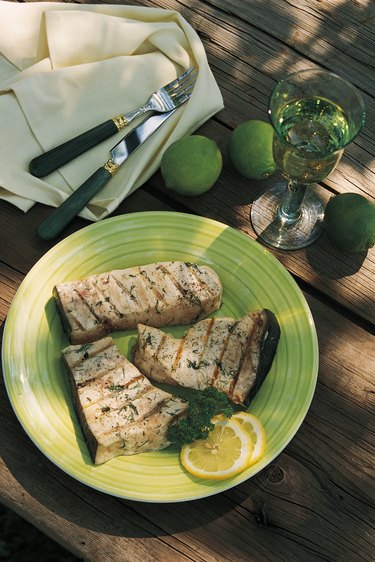
Swordfish are very large saltwater fish, with many weighing over 1000 pounds. Swordfish are normally eaten as steaks of fish. The flesh is very firm and lends itself well to grilling.
Grouper
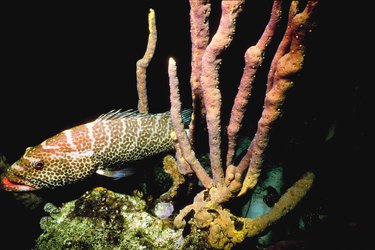
Groupers are larger fish, weighing up to 25 pounds, according to Belly Bytes. The grouper's skin is extremely leathery and tough and must be removed before eating. Because of the firm nature of grouper flesh, it can be used in almost any cooking method with success.
Cod
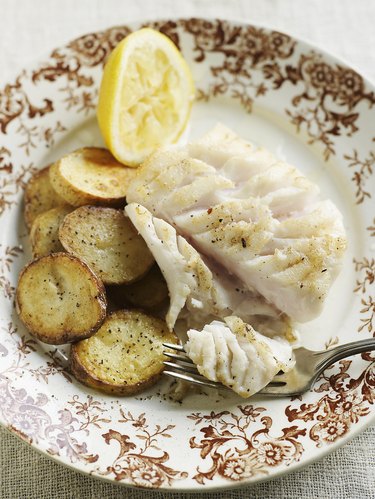
Cod are found in both the Atlantic and Pacific Oceans and are a relatively small fish. Perfect for baking whole or as fillets, cod has a firm texture with a slightly oily taste.
Hake
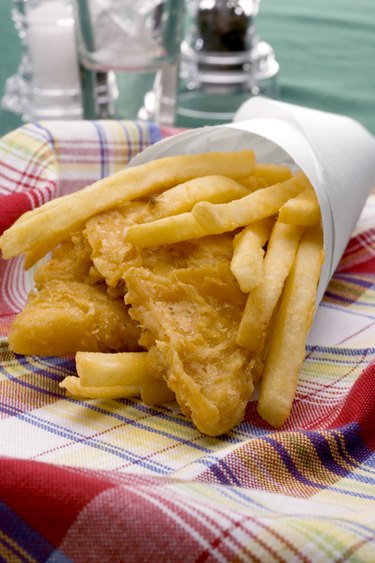
Hake has a very mild flavor and is quite flaky when cooked. Hake is served in fish and chip shops around the world.