Magnolia Tree Diseases With White Spots

Magnolia Tree Diseases With White Spots thumbnail
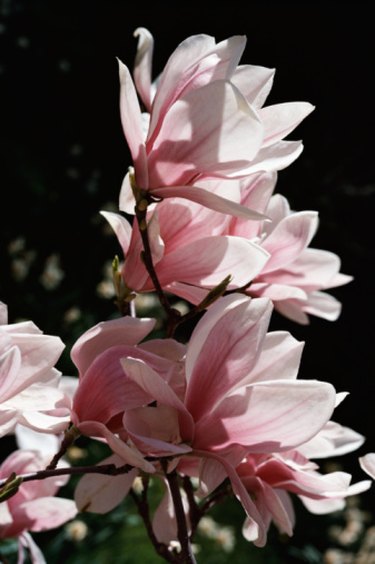
Magnolia trees produce pink and white blossoms.

Magnolias are garden and landscape trees that put out bright, showy flowers each spring. The trees generally are very hardy and resistant to many types of pests and diseases. However, white spots that appear on the magnolia indicate a health problem that requires the gardener's immediate attention. Does this Spark an idea?

  1. Powdery Mildew

    • The primary cause of white spots on a magnolia tree is the fungal disease called powdery mildew. This disease is spread by spores and causes a gray or white film to cover the leaves and sometimes branches of the magnolia tree. If the disease affects the tree over the winter, flowers will become spore sites for the fungus; the blossoms will turn brown or black as they are destroyed by the powdery mildew's spores.

    Causes and Treatment

    • Powdery mildew is spread through the air and begins growing during times of high humidity and temperatures. The spores are airborne and grow both in the soil and on the tree itself. Remove affected leaves from the tree and the ground around the tree and dispose of them to stop the fungus from spreading. Spray the magnolia tree with a fungicide to control any remaining spores and stop the fungal disease from spreading.

    False Oleander Scale

    • A second cause of white spots on magnolia trees is the insect pest called false oleander scale, which feeds on a variety of trees. This pest is found throughout much of the southern portion of the United States. As the insect pest feeds on the magnolia tree, it will cause white spots to appear on the leaves, which weakens the tree over time. Apply a pesticide to the magnolia tree to control false oleander scale bugs.

    Cultural Controls

    • Most diseases can be prevented through regular care of the magnolia tree. Keep the area around the tree free of standing water; make sure the soil drains to prevent fungi from growing around the roots of the tree. Clean up fallen leaves and branches to stop rotting material from attracting insect pests and housing fungi. Prune the tree annually to get rid of weak branches of the magnolia tree where diseases can take root.

Related Searches:

References

  • Photo Credit Jupiterimages/Photos.com/Getty Images

Comments

You May Also Like

  • Fungal Disease on a Magnolia Tree

    Magnolia trees are popular landscape trees. They can be planted in partial shade to full sun and can withstand most soil types...

  • Brown Spots on the Leaves of a Magnolia Tree

    The disease is characterized by the appearance of irregular to circular, large or small spots on foliage. The spots range in color...

  • Bugs That Kill Magnolia Trees

    Bugs That Kill Magnolia Trees. Magnolia trees are usually grown for their showy blooms. The large white blooms of the Southern magnolia,...

  • Oleander Diseases

    Oleander Diseases. The oleander is a perennial flowering shrub with beautiful flowers and long, leathery leaves. They are low maintenance when planted...

  • How to Get Rid of Black Mold on a Magnolia Tree

    Black mold, or sooty mold, causes aesthetic problems for magnolia trees but does not hurt their growth. This fungal growth is caused...

  • White Spots on Magnolia Tree Leaves

    Stately magnolia trees are exceptionally healthy and hardy and prone to very few diseases and pests. Occasionally you may notice that the...

  • How to Transplant Magnolia Trees

    In many respects, magnolia trees are relatively low maintenance. Unlike many flowering trees, most of the 80 or more varieties of magnolias...

  • White Spots on Oleander

    White Spots on Oleander. Oleander plants are shrubs, or sometimes trees, that have thick, leathery leaves. The oleander produces large white or...

  • White Spots on Branches of Dogwood Shrub

    Dogwood trees have brown or red branches and white or pink flowers that appear in the late spring. When white spots appear...

  • Tree Diseases: Magnolia Bark

    The magnolia family encompasses 80 different varieties of evergreen and deciduous trees. These plants thrive in well-drained locations that offer full sunlight....

  • Maple Tree Diseases With White Spots on the Bark

    Maple trees are recognizable for their bright fall foliage and prized for their sap, which may be tapped and turned into syrup....

  • Magnolia Tree: Black Branches With White Spots

    Magnolias are favorite specimen trees for gardeners to grow for their large blossoms and dark green foliage. You can choose to grow...

  • The Symbolism of the Magnolia Flower

    Magnolias are a striking variety of flower because the blooms are so large. With many varieties, the magnolia is grown in different...

  • White Fungus on Magnolia Trees

    White fungus on magnolia trees is caused by a disease called powdery mildew. According to the Morton Arboretum, there are more than...

  • Bugs on a Magnolia Tree

    The landscape of the southeastern United States just wouldn't be the same without the stately magnolia tree. A common and inviting sight,...

  • Diseases of the Magnolia Tree

    The evergreen southern magnolia (Magnolia grandiflora) grows wild along streams and riverbeds, to a height of 80 feet. The Magnolia genus has...

  • White Fuzzy Spots on Magnolia Trees

    White Fuzzy Spots on Magnolia Trees. The flowering magnolia trees providing bold, soft-hued visual interest to your home landscape may be displaying...

  • Gardening Tips for a Magnolia Tree

    Gardening Tips for a Magnolia Tree. Magnolia trees grow best in areas that experience minimal winter freezing. They thrive throughout the southern...

  • Southern Magnolia Tree Diseases

    Southern magnolias are broadleaf evergreen trees that flourish in the southern United States. They thrive in hot sunlight and acidic, moist peat...

Related Ads

Featured