How to Build an Indoor Worm Composter

Building an indoor worm composter is an easy and fun project. An indoor worm composter is a great way to keep your composting efforts going in the wintertime when temperatures are too cold outside. It is also a fantastic teaching tool to show children how soil forms and feeds plants. Does this Spark an idea?

Things You'll Need

  • Two 5-gallon food-grade plastic buckets
  • One package plastic embroidery canvas
  • Shredded newspaper
  • Food scraps
  • Drill
  • Wood glue
  • Permanent marker
  • Scissors
Show More

Instructions

    • 1

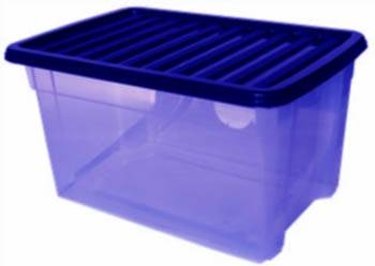
      Obtain two clean 5-gallon food-grade plastic buckets that nest inside of each other. These 5-gallon buckets can frequently be gathered for free from restaurants or grocery stores. It is important they they are food-grade and have never contained any chemicals or other toxic substances that could be impregnated in the plastic. Wash the pails out thoroughly with soap and water and allow to air-dry.

    • 2

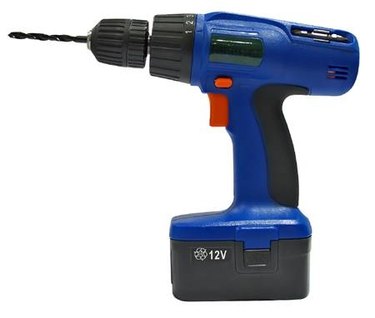
      Turn one of the pails upside down and drill several 1/8-inch holes through the bottom of the pail, spaced evenly over the surface. Flip the pail back over and remove any attached plastic bits from the holes. Set the pail inside the second pail.

    • 3

      Invert one of the plastic buckets on top of a sheet of plastic embroidery canvas. Trace the outline of the bucket onto the canvas with a fine-tipped permanent black marker. Cut out the circle with sharp scissors just inside the outline. The canvas should fit snugly into the bottom of the bucket without curling upward. If the canvas circle is too big, trim until it fits properly. This way the worms cannot escape through the holes in the bottom of the bucket.

    • 4

      Cut a 3-inch-diameter hole in the lid of one of the buckets. You can use a box cutter or a lock (or mole) cutter, or you can drill holes around the perimeter of the circle and punch out. Cut a 5-inch-diameter circle of plastic embroidery canvas and glue to the underside of the lid hole, ensuring that there are no gaps where worms could escape.

    • 5

      Nest the first bucket once again into the second. Fill the composter loosely with shredded newspaper approximately two-thirds of the way full. Do not press down on the newspaper. The worms need lots of loose, fluffy bedding in which to move through and get enough air.

    • 6

      Spray the shredded bedding with water from a mister, turning it around and mixing it up in the composter until all newspaper is thoroughly damp but not soaking wet. There should not be enough moisture to drip through the top bucket into the second yet.

    • 7

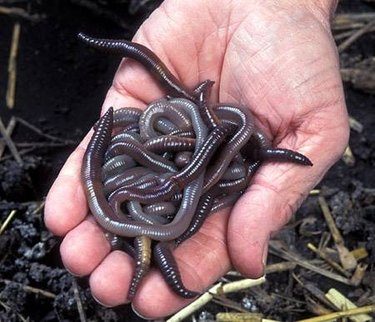
      Add the worms. Worms can be purchased online from a reputable source or from your local bait shop. Red wigglers are a common variety of composter worm. For a 5-gallon composter, 1 lb. of worms is plenty to start with. Soon you will have enough worms to start another bucket or to share with friends. Place the worms in a hole you have made in the center of the bedding so that they land about halfway down into the bedding.

    • 8

      Feed your worms. Indoor worm composters operate best when they receive small amounts of compostable scraps daily, rather than larger doses more infrequently. Cut larger pieces of compost like watermelon rinds into smaller pieces to make composting easier. Every day, place the food scraps into the middle layer of the composter near the wall of the bin. The next day, move to an adjacent spot. Continue to do this in a circular pattern until you reach the first spot again. This allows the worms time to compost the scraps by the time you reach the first spot again. Continue rotating the placement of the food scraps. Keep the ventilated bucket lid on tightly between feedings.

    • 9

      Keep the bedding damp but not soaking wet regularly. Excess moisture will drip through the bottom of the bucket into the second bucket. This liquid makes a wonderful organic fertilizer for your plants. As more composting happens, the volume of the bedding will decrease. Add more fresh shredded newspapers to the top of your composter to keep it at the two-thirds level.

    • 10

      Harvest your compost. After 2 months, your worms will have completed a large portion of their job in your compost bin. When you add bedding, pull the existing compost and bedding to one side of the composter and add new bedding on the now empty side. Also, add your food scraps only on the new half. This will encourage the worms to migrate to the "fresh" side and will make it easier to scoop out your finished compost on the old side. There are still likely to be worms present in the harvested compost, so gently pick them out and return them to their home.

Tips & Warnings

  • Use the liquid that accumulates in the bottom of the second bin as a nutrient-rich plant food.

  • Do not feed your worms citrus, onion or garlic since these are toxic to worms. Do not add eggshells to your worm composter since they could injure the worms.

Related Searches:

Comments

You May Also Like

  • How to Build a Worm Composter

    Worm composters may be used indoors or outdoors to make nutritious soil additives for your garden. Vermicomposting, or worm composting, is an...

  • How to Build a Worm Compost Bin

    Although the idea of worms might sound yucky to some people, worm composting is very clean, odor-free and simple. You can keep...

  • How to Make an Indoor Compost Bin

    To help reduce your impact on the environment and help out your garden and flower beds at the same time, start composting....

  • How to Make Your Own Indoor Red Worm Bin

    Composting worms turn a variety of plant-based kitchen scraps into rich fertilizer for your garden. You can make your own indoor red...

  • How to Build a Worm Farm to Make Compost

    Growing a garden can be a rich and rewarding hobby, as well as being a great way to exercise and feed a...

  • Worm Composting in Winter

    Composting with worms, also known as vermicomposting, is one effective way to reduce landfill waste and generate an organic fertilizer that is...

  • How to Do Indoor Composting

    Composting is the process of taking organic waste -- such as grass clippings or kitchen scraps -- and helping them break down...

  • Maggots in Worm Composting Bins

    Indoor worm composting bins won't have any other creatures inside, unless ants get inside your house. Although outdoor worm bins may harbor...

  • How to Make an Indoor Compost Container

    There are a few benefits to making your own indoor compost container. Composting is an environmentally friendly way to recycle vegetable and...

  • When to Harvest a Small Bin in Red Worm Composting

    Red worm composting turns leftovers and kitchen scraps into usable fertilizer quicker than traditional composting methods. Remove the worms' "castings," or worm...

  • How to Build a Compost Bin Worm Farm

    The Latin word for worm is vermis. So when you hear compost enthusiasts talk about vermicomposting, they are literally talking about composting...

  • How to Compost in a 5-Gallon Bucket

    Everyone knows compost is worth its weight in gold to the vegetable gardener---providing much-needed nutrients and soil conditioners without resorting to chemical...

  • How to Make a Mini-Worm Composter

    Compost is a nutrient rich organic soil amendment that you can create at home. Using worms in your compost will give you...

  • Worm Composting Bin for Classrooms

    Worm-bin composting offers students a chance to learn how to turn organic waste into compost treasure using industrious worms. A simple shallow...

  • How to Build a Worm Bin

    Worms are fascinating creatures that are helpful, interesting and easy to keep. Caring for them makes a great project for kids, and...

Related Ads

Featured