Things You'll Need:
- Anywhere from 10 minutes to 8 hours depending on the activity.
-
Step 1
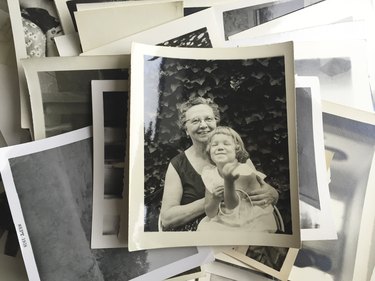
Visual inspiration; this is the obvious answer. Visual inspiration can be found by doing the following: watch an interesting channel on TV (History Channel, Discovery Channel, National Geographic are great shows to watch); watch a movie that inspires you or one that you haven't seen yet; go on the internet and search for favorite artists and styles; randomly check out artists on collective sites; or look through your own personal photos and your old sketchbooks.
-
Step 2
Get out of the studio! This is an important one for we artists. We can tend to shove ourselves in a dark hole and not come out! Here are some things to go out and do: If you're on a tight time schedule, go for a short walk. The scenery and the physical activity alone will get some blood to your creative brain! Go to a gallery or museum of any kind. Go to the supermarket, where there is plenty of things to look at. Go to a bookstore or a newspaper/magazine stand. Check out your local art supply store. Take a trip to the comic store. Go see some live music! Go outside and look at clouds.
-
Step 3
Physical and artistic ways. Sometimes artists tend not to be as physical as they should. Here are some ways to do that: go for a walk or a jog, or ride your bike for half an hour. If you have a gym membership, go work out for an hour. Here's one that doesn't require a lot of muscle--take a nap! Sometimes all we need is a 15-minute catnap, while other times we may need to have a 10-hour snooze. You'll wake up feeling much more clear headed. Some physical artistic things to do include going to a life drawing class. DOODLE! Do what is called "Blue Sky." Have lots of paper for this and pick a topic. Then doodle and draw anything that comes to mind. Just keep going until you can think no more. You'll be surprised how much your brain will stretch.
-
Step 4
Communication with other artists and creative types. Artists also have a strange loner tendency at times. We are our best friends and also our own worst enemies. Talk to some colleagues or get in touch with an admired artist and find out how they work and deal with stress and creative blocks. Also ask them for advice for your own work. You'll be surprised how open many can be and what a big help their feedback will also be.
-
Step 5
Eat and drink. Sometimes you need brain food. Other times you need caffeine. And yet other times, you may need a glass of wine. Just remember to make everything you put into your body count. Great things to eat while you are working are foods with a good amount of Omega 3. These can include salmon, a hard-boiled egg, avocado or guacamole and almonds. Green tea is great for caffeine, and it has less of a crash than coffee. Fruits with Vitamin C are also helpful, like any citrus fruits or strawberries. Remembering to take a good multi-vitamin daily and fish oil pills are also helpful for the brain.


Comments
robertsloan2 said
on 4/29/2008 Oh this is great! Everything I mentioned in my other comment is here.
Sometimes accepting the block is the best way around it. One test I put myself through when blocked, is to ask myself if I have been daydreaming about what I want to do. If I find that I've spent days without writing or drawing, but while doing other things I keep thinking of it and imagining myself drawing a tree or writing a story... then I know it's the good kind of block. It's rumination. It's a mental warmup that is an essential part of creativity.
So I relax and go back to staring out the window instead of getting to work. I let myself daydream over and over about how watercolor would mix on the paper. Soon enough comes the day when I do get the urge to try it for real -- and very often that experiment comes out better for my having imagined it so much. I worked out a lot of my problems in the visualizatio
davedonovan said
on 2/1/2008 Great article!!