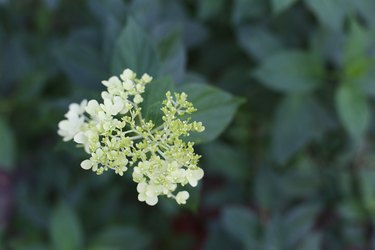
Panicle hydrangeas (Hydrangea paniculata) grow where fussier shrubs fail to thrive, and "Limelight" (Hydrangea paniculata "Limelight") provides very large, decorative summer flowers when its simple care needs are met. "Limelight" hydrangeas are named for their 8-inch-wide, creamy-white blooms that turn chartreuse-lime and age to pink and rose. Hydrangeas that also feature displays and have similar care requirements include Pinky Winky (Hydrangea paniculata "DVP Pinky" Pinky Winky) and Pink Diamond (Hydrangea paniculata "Interhydia" Pink Diamond). All three shrubs are hardy in U.S. Department of Agriculture plant hardiness zones 3 through 8. "Limelight" and Pink Diamond may become invasive in some areas of the United States.
Fertilize with Care
Video of the Day
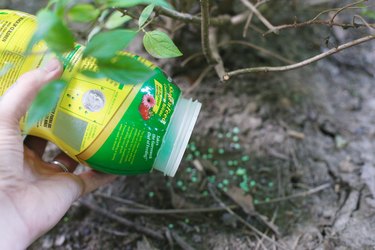
"Limelight" and other panicle hydrangeas need fertilizer only when they suffer from nutrient deficiencies. Fertilizing hydrangeas such as "Limelight" can cause excessive leafy growth and reduce flowering. If your "Limelight" hydrangeas have small leaves and stunted growth or have leaf discoloration that isn't due to pests or diseases, then apply a general-purpose fertilizer, such as a granular 12-4-8 product that contains micronutrients. Sprinkle the granules at a rate of 4 tablespoons per 4 square feet on the soil surface around the base of the plants, avoiding getting the granules on the stems. Water the soil where you applied the fertilizer.
Video of the Day
Water Regularly
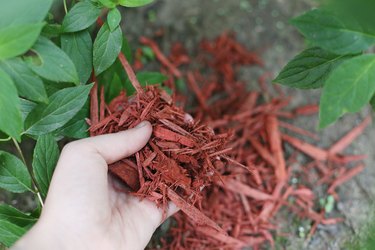
Regular watering helps "Limelight" hydrangeas grow and flower well. Moist but never soggy, well-drained soil produces the best results in these shrubs. Water "Limelight" hydrangeas when the soil is dry to a depth of 1 inch, applying enough water to moisten the soil to the depth of the root balls. A 2- to 3-inch-thick layer of organic matter such as leaf mold, shredded bark or garden compost spread on the soil surface within the drip line of the shrubs helps conserve soil moisture and keeps the roots cool. The drip line is the circle of ground where rain drips from the outermost branches. During the hottest part of the day in summer months, "Limelight" hydrangeas may wilt and droop, but that is nothing to worry about if the soil is moist.
Prune for Blooms
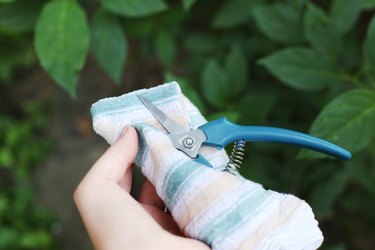
"Limelight" hydrangeas rarely need protection from frost, but they flower best when pruned. In areas colder than USDA zone 3, you can protect "Limelight" hydrangeas from winter weather by constructing a chicken wire frame around each shrub and filling the frames with shredded leaves. Remove the frames in spring as soon as new growth appears on the shrubs. Pruning "Limelight" hydrangeas in late winter or early spring encourages them to produce dense growth and large blooms. Wipe pruning shear blades with a cloth that was dipped in rubbing alcohol, and prune all the stems of one shrub to 12 to 24 inches long, making each cut just above a leaf. Remove all stems except five to 10 of the hydrangea's thickest stems, ensuring they are evenly spaced around the shrub's main stem. Pruning faded flowers prevents the plant from spreading and becoming invasive. Wipe the pruning shear blades with rubbing alcohol again and after pruning each shrub in the same way you pruned the first one.
Protect from Pests
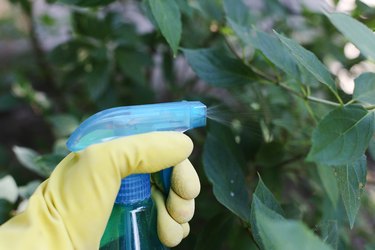
"Limelight" hydrangeas and other panicle hydrangeas suffer from a range of pests and diseases, including aphids, scales insects, mites, bacterial blight, bud blight, leaf spot, powdery mildew and rust. Aphids are small insects that cluster at shoot tips and the undersides of leaves; scale insects look like tiny shells on stems and leaf veins, and mites are so small that they are difficult to see but cause distorted growth on new shoots. Insecticidal soap helps control the pests. Spray a ready-to-use insecticidal soap product containing 1 percent potassium salts of fatty acids on all parts of pest-affected plants, and spray again every week as needed. Avoid spraying the shrubs in full sunlight.
Diseases that attack "Limelight" hydrangeas cause discolored, wilting or decaying growth, spots, powdery coatings on leaves and rust-colored patches. Proper growing conditions provide the best protection against those diseases. Prune diseased plant parts, and collect fallen leaves and other debris. Water at the shrubs' bases to avoid wetting the leaves.
- University of Florida IFAS Extension: Hydrangea Paniculata -- Panicle Hydrangea
- Missouri Botanical Garden: Hydrangea Paniculata "Limelight"
- Chicago Botanic Garden: Hydrangea
- U.S. National Arboretum: Hydrangea Questions and Answers
- Plant Lust: Hydrangea Paniculata "DVP Pinky" Pinky Winky
- Missouri Botanical Garden: Hydrangea Paniculata "Interhydia" Pink Diamond
- Clemson Cooperative Extension: Hydrangea
- National Gardening Association: Hydrangea Pruning Pointers