Benefits and Function of the Oil Lamp

Benefits and Function of the Oil Lamp thumbnail
There are many different forms of oil lamps.

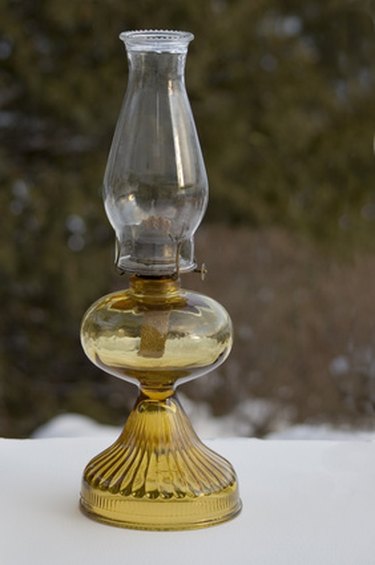
An oil lamp is a simple vessel with a wick that burns oil. People use oil lamps to produce heat or light. Does this Spark an idea?

  1. History

    • Historians believe that the first oil lamp was made during the Stone Age. Studies suggest that people used hollowed-out rock, lined with absorbent moss, which was soaked with animal fat, and then ignited. Little did they know that this simple principal would serve as the basis for the many more elaborate designs to follow.

    Benefits

    • Oil lamps produce no smoke residue. Plus, they're odorless so they won't compete with any other fragrances in your home. Compared to a wick on a candle, a wick on an oil lamp won't take as long to burn out.

    Function

    • In the past, oil lamps were used for religious and hunting purposes, as well as to bring light into the home before electricity. Presently, people keep oil lamps for emergencies involving power outages, as well as for decorative purposes, and many consider them to be collectibles.

    Types

    • Oil lamps come in a variety of shapes, designs and sizes, and can be made of different materials with glass being the most popular. The types of oils that can be used in an oil lamp include paraffin (wax) oil, generic lamp oil, kerosene, and citronella.

    Warning

    • Gas-based and petroleum-based lamps are safer to use and operate than oil lamps (or lanterns). They are also perfect for emergency lighting.

Related Searches:

References

Resources

  • Photo Credit oil lamp image by Pierrette Guertin from Fotolia.com

Comments

You May Also Like

  • Ingredients of Lamp Oil

    Ingredients of Lamp Oil. Oil lamps, known in Europe as paraffin lamps, were, before the invention of electricity, one of the most...

  • History of the Oil Lamp

    Oil lamps today are generally decorative, used to lend a rustic or romantic touch to a room, but once, they were the...

  • What Are the Health Benefits of Himalayan Salt Lamps?

    Call them new age, old age, or anything in-between, fact is, Himalayan Salt Lamps are just the latest, albeit most exotic, forms...

  • Parts of an Oil Lamp

    Oil lamps are used as a source of light by using fuel such as kerosene. They come in different shapes, sizes and...

  • Alternatives to Alcohol Lamps

    Alternatives to Alcohol Lamps. It is standard practice for labs in educational institutions to use alcohol lamps within a biosafety cabinet (BSC)....

  • Lamp Oil Vs. Kerosene

    Fuel-burning lamps and lanterns can be used for various reasons. A tasteful lamp can change the ambiance of your home for a...

  • What Are the Benefits of Heat Lamp Therapy?

    Heat lamp therapy is a treatment used in physical therapy. Heat therapies (also called hyperthermia) using a heat lamp can promote wound...

  • How to Clean Kerosene Lamps With Vinegar

    Many people use kerosene lamps in their home or when camping or working outdoors. Kerosene lamps create light by burning kerosene fuel....

  • What Is the Meaning of Red Lamp Oil?

    Oil lamps have been around for centuries as a means to provide both functional and decorative lighting. Lamp oil is manufactured from...

  • Lamp Oil Information

    The oil lamp has been used since ancient times. The vessel holds an oil-based fuel that is burned to produce light over...

  • The Benefits & Disadvantages of Oil

    The Benefits & Disadvantages of Oil. Oil is a product that the world depends upon for a variety of energy purposes. However,...

  • Kerosene Lamp Styles

    Kerosene Lamp Styles. Kerosene lamps were common prior to the invention of electrical lighting, and many still use the kerosene lamp for...

  • How to Make Effusion Lamp Oil?

    Effusion lamps are decorative glass or mosaic lamps that burn scented effusion oil, producing fragrance throughout the home. An effusion lamp is...

  • How Do I Operate a Manhattan Oil Lamp?

    Manhattan Brass Company was a company that began in the late 1800s in New York. This company was set apart from others...

  • Parts of a Bunsen Burner & Their Functions

    A Bunsen burner is a piece of equipment used to heat chemicals or burn different materials in a laboratory. A typical burner...

  • How Heat Can Produce Electricity

    Heat can be used to produce electricity by creating steam when combined with different fuels. Find out how different power stations can...

  • Benefits of Drilling for American Oil

    During the oil spike of 2007-08, energy independence returned to the forefront of American politics for the first time since the 1973...

  • What Kind of Oil Do You Put in Lamps & Lanterns?

    For a dependable emergency lighting source, many homeowners use oil lamps or lanterns. They are portable, relatively inexpensive and produce acceptable levels...

  • What Are the Health Benefits of Pumpkin Seed Oil?

    Pumpkins, always a popular Halloween decoration and holiday pie ingredient, are gaining popularity for the use of its seeds as a healthy...

Related Ads

Featured