eHow Logohome section
  • Gardening & Plants
    • Gardening Basics
    • Plant Basics
    • Flower Basics
    • Growing Vegetables
  • Landscaping
    • Landscaping Basics
    • Growing Grass
    • Lawn Maintenance
    • Pests & Weeds
  • Interior Design
    • Home Design
    • Home Décor
    • Decorating Styles
    • Furniture
  • Home Improvement
    • General Repair
    • Energy Efficiency
    • Tools & Equipment
    • Remodeling
  • More eHow
    • home
    • style
    • food
    • money
    • health
    • mom
    • tech
Featured:
Allergies
Grilling Guide
eHow Now Blog
  1. eHow
  2. Home Maintenance & Repair
  3. Drain & Sump Plumbing
  4. Drain Traps

Drain Traps

RSS
  • How to Plumb a Sink Drain With a P-Trap Air Vent

    All homes and businesses contain vent stacks that allow air into the plumbing system. This is necessary because without a source of air intake, the negative air pressure inside the plumbing system would not allow water and waste to flow down the drain. Sinks that are too far away from these vent stacks must be vented with an automatic air admittance valve, or auto air vent. These devices allow sinks to be installed in areas that otherwise could not access the vent stack.

  • Is There a Power Shower Drain Trap?

    Drain traps are occasionally installed in showers in the same way that they are installed in sinks. They catch sediment and other materials that could potentially get caught further down the drain line and cause more significant problems. The main problem with a shower trap, though, is in gaining access to it. While there are no power traps that will automatically clear themselves of the clogged material, there are a few effective ways to go about cleaning the trap.

  • What Is the Replacement for an S-Trap Drain?

    Each plumbing fixture must have its own individual trap underneath it, except for those fixtures such as toilets that have traps on the inside. An S-trap differs in appearance from a P-trap, but they perform the same function. If you replace an S-trap, the material it is made of is your basic consideration.

  • The Bathtub Drain Drum Trap Is Leaking

    A leaking old bathtub drain drum trap can cause water damage without detection for a significant period of time, depending on where the water runs. As soon as you notice the leak, you must repair the damage or replace the drum trap, as well as assess the damage the leak has done to your house.

  • How to Build a Drain Trap for a Vanity

    Although some bathroom sinks have a pedestal design, vanities are also a common sink option. Vanities offer the advantage of an underlying cabinet, which hides the plumbing pipes from view. Hooking up the plumbing for a vanity sink requires the installation of a sink trap to catch dropped items and to block sewer gas. Building the trap is only a matter of attaching a multiple curved section of PVC pipe together. Once assembled, the entire trap connects to the sink and to the main water waste line.

  • Correct Plumbing Drain Trap Installation by Code

    When installing new plumbing in your home, everything including the traps on the drain pipes is governed by code requirements. In the United States, correct installation of plumbing drain traps follows codes known as the International Plumbing Code, the Uniform Plumbing Code and the National Standard Plumbing Code. Established by associations of plumbing professionals, these codes protect both human health and plumbing system integrity.

  • Does a Pool Deck Drain Have to Be Trapped?

    Pool deck drains are runoff drains that collect and channel water that escapes from a pool away from the swimming area. There are several types of deck drains, all of which are intended to keep decks dry and safe. The type of deck drain you have will determine whether it requires a trap, which is a removable mesh screen or basket that collects hair, leaves and other debris.

  • How to Get a Drain Snake Through a P-Trap

    If your sink is not draining properly, you might have a clog. The P-trap is a pipe that is half-loop-shaped underneath the sink, and you must snake this part of the drain to remove the clog. You don’t have to call a plumber to snake your drain through the P-trap. You can do it yourself, with little hassle.

  • What Causes Toilets to Gurgle?

    Toilets normally should not gurgle, because gurgling indicates either a minor problem with the toilet’s drain line or vent pipe, or a major problem that needs to be tended to by a plumber. Ignoring the gurgling will not make it go away, and it may allow the problem to worsen.

  • How to Eliminate the Smell of a Drain Trap

    Drain traps help reduce noxious odors from entering the home from sewer lines. They place a layer of water between the drain source and the line that feeds to the sewer. When gases are produced in the lines, they are blocked from flowing into the room. If a drain trap is not working properly, it can lead to unpleasant odors entering the room that can be difficult to remove.

  • How to Install a PVC Sink Drain Using a P-Trap

    Every sink empties into a drain. Since plumbing is controlled by gravity, your pipes must gradually flow downhill. The problem with this setup is that your sink drains into the same pipes as your toilet. The waste flushed down the toilet releases deadly gasses that rise up through the pipes and out of the plumbing vents on your roof. A P-trap is a curved union designed to trap a small quantity of water near the sink. This water prevents those deadly gasses from rising up through the drain in your sink and making the air in your home toxic.

  • What Is the Purpose of a Drain Trap?

    Hidden away under your sinks or inside of walls, drain traps are among the hardest working parts of your home's plumbing system. These specialized sections of pipes protect your family and home from potentially severe health and fire dangers associated with exposure to sewer gas.

  • What to Use to Trap Hair From Going Down the Tub Drain

    Loose hair can collect in your drains and pipes, causing hair clogs that will prevent your tub from draining properly. If you or members of your household have long hair or lots of hair, it may be necessary for you to prevent hair from going down the tub drain in order to avoid costly plumbing problems in the future.

  • How to Install a Bathroom Trap & Wall Drain Pipe

    A bathroom sink drain connects to a curved piece of drain pipe called a p-trap. The p-trap in turn connects to a straight pipe that attaches to the drain stack at the wall. It is important to install the sections of drain properly to avoid leaks that could damage cabinetry and flooring. Whether you are replacing old pipes or have just installed the sink, you can complete the job with a moderate amount of time and effort.

  • How to Locate the Drain in a Sand Trap

    Golf course sand traps attract more than golf balls, they attract water: the design of a typical sand trap turns into a natural basin after a rain. An improperly drained trap may have standing water above the surface of the sand for hours. A tile drain is a buried perforated pipe or tubing, usually made of plastic, which collects subsurface water along its length and conveys it to flatter areas, such as a fairway, to be reabsorbed into the soil.

  • How to Install Glue Type Leakproof Drain Traps

    "P-traps" for bathtubs or showers are designed so the end inlets are cemented to the vertical pipe coming down from the drain hole on one end, and to the sewer line on the other end. Made from PVC (Polyvinyl Chloride) or ABS (Acrylonitrile Butadiene Styrene) hard plastic, each trap consists of a U-shaped bend with a 90-degree "elbow" section at one end. When in position, the trap's bend holds water that acts as a barrier against sewer gasses traveling up the pipeline into the bathroom.

  • Do Clogged Drains Cause Leaking P-Traps?

    Water dripping out from underneath your sink is usually the first sign of a leak. Because plumbing systems are composed of many different sections of pipe and connections, a leak can happen at just about any point in the plumbing system, including the P-trap. A clogged drain can sometimes compound the problem, seemingly causing the P-trap to start leaking. This, however, isn't necessarily the case.

  • How to Retrofit an Old Metal Drain Pipe to a New P-Trap

    Older drain pipes, along with the p-traps, are often constructed of metal. When you retrofit these pipes, use PVC, which is both easier to install and easier to remove when you need to repair or replace it. Your main concerns when installing new pipes are making sure they are the right size, which is 1-1/2 inches for kitchen sink traps and 1-1/4 inches for bathroom sink traps, and ensuring there are no leaks when you're finished. The p-trap kit that you use normally contains all the plastic washers and slip nuts that you need for the installation.

  • Do Shower Drains Need a Trap?

    A trap piece in your shower's drainpipe performs a very necessary function in your house's plumbing. Failure to put a trap in your shower's drainpipe may lead to serious consequences, including death. Contact your local government for details on what type of trap is required for your shower's drain by local building codes.

  • How to Connect an S-Trap Drain

    The trap is the curved pipe underneath a sink or other fixture, such as a bathtub. The curve holds a certain amount of water that prevents sewer gases from entering through the drainpipe, and also keeps out small, unwanted critters. It is either an S-trap or a P-trap. An S-trap connects to two vertical pipes, with one of the pipes often going down through the floor, as with a sink. A P-trap connects to one vertical pipe and one horizontal pipe.

  • How to Make Easy Sand Trap Drains

    No golfer wants to hit their ball out of a water-filled sand trap, but draining water from sand traps is a problem almost every golf course faces. Common drainage techniques present two main problems for sand traps. First, the sand washes away through the drainage tiles. Second, the tiles clog with sand and no longer drain. To correct these problems, drainage tiles must be protected from the sand while still allowing water to pass through. Making a sand trap drain is not always simple, but can be done with the proper preparation and supplies.

  • Why Do You Need a Trap on an Air Conditioner Drain?

    Any plumbing drain that drains in to the main sewer line has a trap on it to prevent sewer gasses from backing up in to your home. A trap on an air conditioning condensate drain is for the same basic reason. If no trap is present, the low pressure area located inside the air handler would cause the water to never drain, and the condensate pan to overflow.

  • DIY Electric Augers

    An electric auger --- also known also as a "sewer snake" --- is a power-driven device that rotates a flexible steel rod while it is inserted into the sewer line. During this process, any blockage in the sewer pipe is broken up. The auger's rod is inserted into the sewer through the toilet bowl, sink sewer pipe or clean out access plug installed at various intervals along the sewer pipeline. Though electric augers can be purchased, most are rented by the day or hour.

  • Drain Trap Sizes for Bathtubs

    If you install a new bathtub, it is likely you must install a new trap as well. Only a properly sized trap will work with your bathtub. So, it is important to know the proper size for the p-trap. It is similar to other sink p-traps used in the bathroom and kitchen.

  • How to Delete P-Traps

    A P-trap joins the vertical pipe running down from a sink drain hole to the sewer pipe coming out of the wall. Shaped somewhat like a letter P, the trap has a bend that collects and holds water when you run the sink faucet. This water acts as a barrier, stopping sewer gases from traveling up through the pipe and into the room. The trap has a nut on each end to hold it to the sink pipe/sewer pipe, as well as a central nut on one side of its bend. Deleting, or removing, the trap is a simple procedure.

  • How to Auger Horizontally Through Clay

    Clay pipes were once used in the construction of household sewer lines due to their durability. Older pipes such as clay collect grease on the sides of their inner walls over time, attracting hair, toilet tissue and other items that have been flushed away. Tree roots can also penetrate into the line, causing blockages. A sewer snake (known also as an auger) is pushed into the sewer line and rotated to free up the blockage. However, with older clay pipes you should use a hand-driven sewer snake, as power-driven augers may damage the walls of the clay pipe.

  • A Snake Is Stuck in the Floor Drain

    Snaking, or using a drain auger, on a toilet, sinks or even bathtub drains in your home does not require you to have advanced plumbing experience or skills. Using an auger in a floor drain like you find in a basement or garage requires more skill since floor drainpipes will bend at sharper angles.

  • How to Connect a Double-Bowl Sink With Disposer to a Wall Drain

    It is commonplace in household kitchens to have a double-bowl kitchen sink with a garbage disposal installed under one of the bowls. Each bowl has its own tailpiece that allows water to flow out of the sink to the drain. The two pieces join together and all water passes through a single drain as it exits the under-sink plumbing. The pipes are connected using slip-joint nuts, which thread the PVC pipes together, creating a watertight seal.

  • How to Replace a Soldered Drain Trap Using Slip Joint Coupling

    A drain trap, which is also called a p-trap, can be soldered in place to the rest of the drain system. Many drains are constructed using this method. It is inconvenient when you need to disconnect the trap to clean it or to snake the drain. A much more flexible type of connection is a slip-joint coupling. The slip-joint coupling allows you to easily untwist a large nut to disconnect the p-trap.

  • How Can I Remove Rocks From a Sewer Trap?

    A sewer trap, known also as a P-trap, is situated under household sinks and connects on one end to the sewer pipeline coming out of the wall and on its other end to the pipe attached to the sink's drain hole. The trap has a U-shaped bend that holds water at all times to stop any sewer gasses in the pipeline from entering through the drain hole into the bathroom. Getting rid of rocks in the trap's bed involves removing the bend, which is a simple and quick process.

  • What Size Trap Should Be Used for a Shower Drain?

    Plumbing standards, such as the minimum size for the trap on a shower drain, are designed to foster sanitary plumbing systems, free from disease. The specific regulation you should follow depends on the local plumbing codes where the shower drain is installed. These local codes are usually based on major codes, such as the National Plumbing Code, the Uniform Plumbing Code and others.

  • DIY P-Traps

    A P-trap is a U-shaped section of piping that connects on one end to the vertical pipe running down from the sink's drain hole, and the other end attaching to the trap adapter, which in turn connects to the sewer pipe coming out of the wall. The P-trap's purpose is to gather and maintain water in its bend, which acts as a barrier against sewer gases traveling up the line and into the home. P-traps come in PVC and ABS plastics, as well as being chrome-plated and brass.

  • How to Seal a Leak Under the Sink

    A kitchen sink has only a few parts that can break, but when they do, major leaks can occur. The sink drain is connected to a strainer assembly. The strainer assembly meets with the "P" or "U" trap under the sink. This is where bits of food or grease collect so that they don't go down the drain leading away from the house. Leaks are most common between the strainer assembly and the trap assembly.

  • How to Unblock a Pipe

    Household sewer pipes can get blocked through an accumulation of soap scum, sediment, hair or even foreign objects like small toys or hair clips flushed down the toilet. Water lines can also get blocked through sections freezing in cold weather due to inadequate insulation. Try the easiest solutions first, like using a plunger in a backed-up toilet or sink, or applying heat from a hair dryer to a frozen section of pipe. If those don't work, move on to augers (sewer snakes) and heating tape. Most blockages can be removed in a matter of minutes, or at worst a few…

  • What Are the Causes of Sewer Odors?

    Sewer odors can come from simple to fix issues like P-traps having lost their water or having cracks in the bend, to more weightier issues like cracked toilet closet flanges or breaks and fractures in the home's sewer line. If the sewer line is found to be broken, they must be fixed quickly as sewer spillage can prove to be a health hazard.

  • Shower Floor Drain Installation

    Shower drains allow water to flow to a certain point in the pipe where the sediments fall out and the rest of the water runs down the pipe. The shower drain pan also serves many purposes including trapping sediments before they clog the pipe as well as trapping excess water. If your shower does not already have a drain or yours needs to be replaced, you can install your own to help it operate more efficiently. You do not need a professional to install your shower drain if you follow a few simple steps.

  • How to Repair a Stuffed Toilet With a Snake

    A toilet snake, otherwise called a closet auger, consists of a flexible hose with a hook on one end, as well as a handle with a crank attached to it. When you cannot free an obstacle that is stuffed in the toilet's drainpipe, the snake will reach the obstacle and either punch through it or pull it out of its resting spot so it will flush down the drainpipe. With especially bad clogs you will need to feed the snake into the toilet a few times to free the blockage completely.

  • How to Loosen the Trap on a Bathroom Sink

    The trap under your bathroom sink is the curved pipe, connected to the sink's tailpiece and the drain. The trap is designed to prevent sewer gasses from seeping through the plumbing and into your bathroom. To block the sewer gases, the curved portion of the pipe remains filled with water, which blocks the gases from entering the home. If you are removing or adjusting your sink, it may be necessary to loosen or even remove the trap for easier maneuverability.

  • How to Use a Snake on a Toilet Clog

    It is often a time-consuming and expensive process to hire a plumber to fix a clogged toilet. If a traditional toilet plunger won't remedy the clog, you can try to remove the clog using a toilet snake. This inexpensive tool has a rubber coating that prevents scratching or damaging your toilet bowl. It takes little time to release the clog with the toilet snake.

  • How to Run Traps for Air Conditioning Units

    An air conditioning trap consists of a piece of pipe that is shaped like a U. Traps are attached to the drain lines of the air conditioning coils. When an air conditioning unit is running, the coils become very cold. This makes water condensate on them. The water drips off into the unit's drain pan and then flows out of the unit into the drain lines.The traps can be made out of PVC or galvanized steel. There are caps located at the top of the trap that can be removed for ease of cleaning.

  • Do Air Handler Cabinets Need to Be Sealed?

    When cool air handler components come into contact with warm, moist air, condensation occurs. This condensation can disturb electrical components and create rust inside the cabinet, shortening its life. Sealing air handlers from outside air is a must.

  • How to Plumb a Double Sink With a Garbage Disposal

    When installing a new kitchen sink or garbage disposal, you must install plumbing below the sink to transport water from the sink to your sewer line. Although there are two drains in your double sink, the plumbing below connects together and drains to the main outlet pipe in the wall under your sink. You must install a "P-Trap," which is a curved pipe, to ensure that sewer gases do not seep into your kitchen from the sewer line.

  • How to Hook Up a P-Trap to a Bath Sink

    A bathroom sink P-trap is the actually the U-shaped piping located under the sink. The purpose of the P-trap is to allow water to flow down from the sink while preventing gases and foul odors from coming up through the sink. In addition, the P-trap catches items that may have been accidentally dropped down the drain of the sink. You don't need any special tools or expertise to hook up a P-trap to your bathroom sink.

  • The Typical Plumbing Setup for a Bathroom Sink & Toilet

    "Water-in, water-out," plumbers say when asked to explain basic plumbing methods. In reality, it's not quite that simple. If you're planning to plumb a bathroom, you'll need a basic grasp of common plumbing techniques or you could end up with low water pressure, slow sink drainage and a toilet that gurgles and burps. In addition to charting water supply, you'll make provisions for venting the drain systems of both the sink and the toilet. In many communities, a licensed master plumber must install the plumbing.

  • How to Compost a Worm House

    Worms are a sure sign of a healthy garden, but when it comes to vermicomposting -- composting with worms, not all worms are created equally. Charles Darwin was the first to note that red wiggler worms consume their own weight in organic matter in one day. When fed scraps of fruit and vegetables, red wigglers leave behind a highly nutritious poo that makes an excellent compost for both container and bed gardening. All they need is a safe home.

  • How to Replace a Drain Sink P-Trap

    A P-trap is the curved "J" shaped pipe below every sink in your home. The pipe is used to transfer water that passes through your sink out of the house to your main sewer line. The shape of the pipe prevents sewer gases from entering your house through the drain. Because of the shape, water always will remain in the P-trap, blocking the passage of gases into the house. If your P-trap has broken or become seriously clogged, it should be replaced to restore the drainage of water from your sink.

  • How to Troubleshoot a Stuck Plumbing Snake

    If your plumbing snake (also known as a drain auger) gets stuck while you attempt to wrestle a blockage out of your drainpipe, you've obviously got a persistent obstruction on your hands. A stuck snake can be frustrating, but there are a number of ways to dislodge it. The key is finding a way of getting it out of the drain without breaking it. Finding the way that works best for you can also help you solve the bigger problem: that of the blocked drain itself.

  • How to Use a Skillet to Kill Wasps

    Having an infestation of wasps in or around your home can prove very annoying. The insects can sting, making wasps dangerous to have flying around, especially if there are young ones in the home. However, there is a technique you can use to get rid of the wasps easily and efficiently. By using a skillet and hamburger meat, you will rid of the current infestation of wasps in no time.

  • How to Connect a Chrome Waste Pipe to PVC

    P-traps are designed to connect the sink drain hole to the PVC sewer pipe coming from the wall. Though P-traps can be made of PVC or ABS plastic, chrome-plated traps are used as they are more aesthetically pleasing when the sewer pipe is in view. The trap has a bend that holds water which stops sewer gasses traveling up the pipe and back into the bathroom. The trap itself has the section with the bend and a straight horizontal pipe that runs into the vertical PVC sewer pipe coming from the wall.

  • How to Use a Plumber's Snake in a Toilet

    A plumber's snake, also called an auger, is a long piece of wire that the user can extend, pull back and rotate. These augers are designed to enter drains where there is a clog, extend until the snake reaches the clog, and then twist until the clog comes free. There are a few different types of plumbing augers, each designed for different types of drains. To clear a toilet you want to use a closet auger, as it is easier to insert into the toilet and it has the wire covered in plastic so it doesn't damage the bottom of…

  • How to Unplug PVC Pipe

    PVC sewer pipes come in various diameters (1 1/2 to 4 inches), as code dictates that different water fixtures require different diameter sewer pipes. When the pipes get clogged or blocked, it can happen at various points in the sewer line. The P-trap (U-shaped pipe positioned under the sink) can be a primary suspect for blockages, but for clogs further down the line an auger (sewer snake) will need to be used to clear the sewer line.

  • How to: Drain Trap

    A drain trap (known as a P-trap) is the U-shaped piece of pipe that connects the sink drain hole to the sewer line. Its job is to collect water in the bend that will stop sewer gases from traveling up the pipe and into the bathroom. A horizontal piece of pipe connects from one side of the trap's bend and enters into the sewer pipe's trap adapter coming from the wall. The other end of the bend connects to a vertical pipe running down from the sink's drain hole.

  • Types of Air Handler Drain Traps

    The main purpose of a heating, ventilation and air conditioning system is maintaining good air quality with adequate circulation, a comfortable temperature and effective air filtration. One of the most common problems with an air conditioning or evaporative cooling system is improper handling of the condensate, blocked or leaking condensate drains or traps. Condensate problems can lead to mold, leaks and costly building damage or insect and termite problems. Condensate must be removed through properly installed drain traps and they are required by most local plumbing codes.

  • How to Repair a PVC Drain Trap

    PVC drain traps (P-traps) are connected between the vertical pipe that runs from the sink's drain hole and the trap adapter connected to the end of the sewer pipe that comes out of the wall. The trap itself consists of a U-shaped bend and a horizontal section of pipe attached to one side of the bend. Water collects in the trap's bend to stop sewer gases from traveling up through the drain hole into the room. Fixing a P-trap leaks consists of either tightening the trap's nuts or replacing the trap altogether.

  • How to Fix a Leaking Drain Trap

    Drain traps tend to leak for one of three reasons. The first is that the nuts that hold the trap to the rest of the drainpipe have not been properly tightened or have worked loose. The second is that the gasket under one or both of the nuts was not correctly installed or failed to seat when the nut was tightened. The final reason for a leaky drain trap is that the trap has aged and developed a leak somewhere along the length of the trap.

  • How to Remove a PVC Drain Trap

    PVC drain traps (also known as P-traps) are U-shaped sections of sewer pipe that connect between the water fixture and the fixture's sewer line. These traps are installed under sinks, bathtubs and showers. Water collects and stays via gravity in the bottom of the trap, which prevents gasses from traveling back up the sewer pipe and into the room. A nut exists on each side of the trap's bend, so that the bend can easily be removed if a clog exists in the trap.

  • How to Use a 15 FT Auger in a Drain Trap

    When sink sewer pipes are blocked, if plunging the sink drain hole hasn't alleviated the blockage, the next step is to use a 15-foot auger. This device (also known as a snake) is a long, flexible steel tube that you can push down into the sewer pipe. You rotate the tube by a small handle attached to the auger's plastic casing cover, which helps dislodge the blockage in the pipe.

  • How to Change a PVC Drain Trap

    A drain trap serves two purposes: it holds a small amount of water that keeps sewer gas from entering the building through the plumbing system, and it catches heavier objects--think wedding ring--that fall down the drain. Metal traps were once predominant, but PVC, a plastic-like, vinyl product, is used in newer buildings. Changing a PVC trap requires basic plumbing skills. The cost of a new trap is but a fraction of a plumber's fee for doing the job.

  • How to Remove a Drain Trap

    Drain traps are curved pieces in the kitchen or bathroom plumbing. Their purpose is to retain a small amount of water in them so that vapors from water running down the pipes do not enter into the room through the sink. Drain traps also catch objects that fall down the sink and lie in the curves. It is necessary to remove a drain trap to find an earring that falls down the bathroom sink or to clean out a slow-running drain line that clogs with food particles or hair.

  • Do All Shower Drains Have P Traps?

    Water drainage for an entire household, regardless if it is shower water or kitchen sink water, all end up in the common sewage system exiting the property. Proper plumbing piping protects both the home's plumbing and the environment.

  • Vermicomposting Techniques

    Vermicomposting is a fancy-sounding name for a not-so-fancy process -- using worms to create a nutrient-rich compost out of kitchen waste. There's no need for fancy commercial compost bins or even warm temperatures. Vermicompost bins can be made out of simple plastic totes and kept in the garage or the basement during winter months. Worms can be purchased by the pound for just a few dollars online or through your local cooperative extension office. Provide one square foot of surface area in your bin for each pound of non-fatty table scraps your household produces per week.

  • How to Seal a Sink Drainer

    A sink drainer is also referred to as a drain basket. The drain basket is secured to the bottom of the sink with a big nut underneath the sink. Sometimes the drain basket can leak, and you will notice water dripping from under the sink. Sealing the drain basket requires the removal of some of the plumbing under the sink. It also requires removing the drain basket and sealing it with plumber's putty. This job is accomplished in less than an hour.

  • Patent Glazing Definition

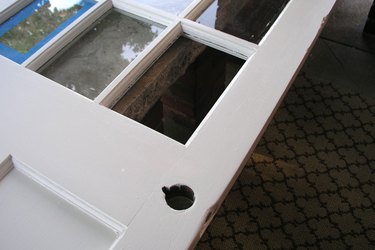
    Patent glazing is a system that allows glazed glass panels to be placed in a lightweight, no-load-bearing frame of glazing bars. The system does not use epoxy or other sealants to create a watertight seal.

  • DIY Plumbing Drains

    Bringing water into your home is only one function of your plumbing system. Taking it away is the other, and it is just as important. A poorly functioning drainage system is a safety and health hazard. If your drains aren't sealed correctly, leaking water can damage structural components of your house. It can also collect and provide a breeding ground for pathogens that spread disease. Besides preventing water from leaking out, your drain lines also have to prevent sewer gases from leaking into your house. For this reason, every drain should be fitted with a P-trap.

  • How to Install a Residential Grease Trap

    Kitchen wastewater contains contaminants that the plumbing industry refers to as FOG (fats, oils and grease). FOG does not break down as readily as normal household wastewater from showers and toilets. Fat and grease will disrupt the normal flow and digestion of a septic system. Grease traps, also called grease interceptors, separate FOG from wastewater before it enters the septic system. To perform the task of separation properly, a grease trap is the first tank that kitchen wastewater flows into before moving on to the septic system.

  • Types of Drain Traps

    Gases, insects and foul smells can't penetrate a waste line's drain trap. Drain traps are required by most local plumbing codes -- traps create a barrier between the sewer and the interior of a structure. Traps aren't "one size fits all" pipe fittings; there's a trap designed for every application, such as tight spots and heavily used kitchen drains. Once you understand the variety of drain traps at your disposal, you'll be able to choose the right trap for your drain.

  • How to Repair a Bathtub Drain Trap

    The bathtub drain trap is located at the base of the tub just below the faucet, where the water drains out of the tub. Some traps contain a stopper, which stops water from leaving the tub, allowing you to take a leisurely bath without worrying about the water level. Occasionally, these traps will rust or buckle, resulting in leaks and less than optimal water-stopping ability. When this happens, you'll need to repair your bathtub drain trap.

  • How to Install a Sink P-Trap to a Drain Outlet

    The sink p-trap is the curved section of pipe that goes from your drain outlet to the wall drain pipe. The p-trap is designed to be easy to remove and replace to allow for easy cleaning. When you are ready to install your p-trap because of a leak at either the connection or in the pipe itself, there are a few steps you should follow to make the job easier for you. A p-trap is found under a kitchen sink and a bathroom sink, and the procedure is the same for both.

  • How to Remove a Sink Drain Trap

    Few things around the house are more frustrating to a homeowner than a clogged drain or a piece of jewelry lost down the sink. Fortunately, unclogging a drain and retrieving a lost trinket are simple tasks that anyone willing and able get down on her knees and risk getting her hands wet to remove the drain trap, also known as a p-trap, can accomplish. The job takes less than an hour from start to finish--not bad when you consider the money you will save by not calling a plumber.

  • Typical Toilet Vent Pipe Design

    The plumbing system in any structure that contains a toilet must have a way to remove sewer gases. This involves a venting system that not only removes these harmful gases, but also ensures that the plumbing system continues to operate satisfactorily for many years. The typical toilet vent pipe system is based on these principles.

  • Plumbing: How to Snake a Trap

    A plumbing snake or auger can unclog drains and drain traps by removing the items creating a clog. Kitchen sinks often clog with grease that hardens in the trap forming a barrier that water cannot penetrate. The same is true with bathroom shower and sink drains that are slow running from a buildup of hair. A plumbing snake catches the items that form clogs and removes them from the trap so that it drains properly.

  • How to Install Drain Traps in Sink

    Sinks get a lot of wear and tear from everyday use and can get backed up. If there is a drain trap in your sink, you can easily avoid plumbing issues that often stem from food and other particles entering the pipes. Installing a drain trap can be moderately challenging, but it can potentially save you from a lot of headaches down the road.

  • How Install Trap Floor Drain

    Whether you're adding another shower to your home or just need to replace your existing shower plumbing, installing a shower trap drain into the floor is a necessary step. Trap floor drains will help increase the productivity of your drainage system and will help prevent clogging more so than the average drain. New pre-formed shower bases have simplified the process significantly; however, the process can still be difficult, especially if you are working with old plumbing.

  • Sewer Odor Causes

    Sewer odor has a variety of causes, depending on whether the home has a septic system or is connected to the city's waste management system. It can be embarrassing to have this smell inside or outside the home. Most importantly, it can be a health hazard to the homeowner or the neighborhood, so diagnosing the problem is a priority.

  • How to Service a Grease Trap

    In commercial kitchens, a grease trap often must be installed. Grease can be considered hazardous and is usually trapped and disposed of by a grease-collecting or recycling facility. Grease trap maintenance and service is needed to make sure that it is performing at peak efficiency.

  • How to Lure Wasps to a Trap

    Wasps are flying insects that build large, paper-thin nests in trees, roof overhangs and virtually any area protected from the weather. Although wasps do not normally pose a threat to humans, they can attack if you get too close to the nest. For this reason, many people use wasp traps to capture and kill the wasps before they cause harm. One of the most important aspects of trapping a wasp is using the right type of bait to lure it to the trap.

  • How to Remove the Trap off of a Shower Drain

    Shower drains can clog with hair, soap and other things, preventing the water from draining properly. Keep up with regular maintenance on your drain by using a commercial chemical to pour down your drain; every once in a while, when you notice the water is up to your ankles by the end of your shower, something more needs to be done. You can, of course, call the plumber to take care of it for you, or you can do it yourself.

  • How to Unstop a Commode

    Almost everyone has used a plunger to unclog a toilet, but few do it correctly. The instinct is to jam the plunger down into the toilet to try to push the clog through. This often results in a cascade of water gushing up over the rim. The proper way to plunge a toilet isn't to push the clog but to pull it after expelling air from the plunger.

  • How to Install a Shower Drain Trap

    Shower drain traps are designed to work just like any other drain trap: water flows to a low point in the pipe at which point the heavy sediments fall/settle out and the rest of the water travels on down the pipe. The trap serves many purposes including catching sediment before it can clog elsewhere in the pipe. Some showers were not originally installed with a trap, but would function more efficiently with one installed. If you need to install a trap in your shower drain, follow these easy steps to get started today.

  • Drain Snaking Tips

    The first choice for clearing a clogged drain is a plunger. Sometimes, however, plunging cannot break up a clog and you have to resort to stronger measures. Using an auger to clear a drain is often referred to as "snaking" a drain because the flexible steel cable of a drain auger resembles a snake.

  • How to Use a Drain Snake in a Toilet

    If the plumber's helper, also known as a plunger, doesn't do the job of unclogging the toilet, it may be time to invest in a drain snake. While the term "drain snake" is commonly used, the official term to describe this piece of equipment is an auger. An auger is basically just a hard cable encased in a tube that can be bend and be wound through the curved system of a toilet.

  • How to Install a Bathroom Faucet Drain & Trap

    Installing a bathroom faucet drain and trap may technically qualify as plumbing, but it is such a simple job that anyone can do it. You can save hundreds of dollars by simply doing this yourself instead of calling on the services of a professional plumber. Kits are available at most major home improvement stores that provide you with all of the parts needed to install these fittings. Those kits are inexpensive, generally costing between $8 and $15 each. The only tool required for this job is a pair of plumbing pliers. It is important that a drain and trap are…

ehow.com
  • About eHow
  • How to by Topic
  • How to Videos
  • Sitemap

Copyright © 1999-2012 Demand Media, Inc.
Use of this web site constitutes acceptance of the eHow Terms of Use and Privacy Policy. Ad Choices en-US

Lifestyle Home Garden
Verisign seal