Mimosa Tree Pests

Mimosa Tree Pests thumbnail
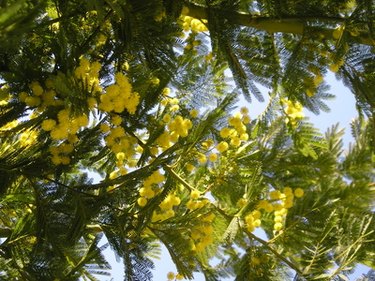
Mimosa trees are popular ornamental trees.

Mimosa trees, commonly known as silk trees, are renowned are known for large, pink, fragrant, ornamental flowers that can grow to an 1 1/2 inch long. Mimosa trees can grow to 40 feet tall in USDA hardiness zones 6 to 9, and have thin bark and fern-like leaves. However, mimosa trees require care to avoid pests that like to feed on the foliage and sap of the tree. Does this Spark an idea?

  1. Webworm

    • The mimosa webworm originated in China and can cause serious damage to the foliage of the tree. The webworm larvae spin webs around the leaves and the feed on the enclosed leaves. Webworm eggs are tiny, oval and pearly white when first laid, and then turn pink when ready to hatch. Multiple generations of webworm will eat leaves and cause defoliation of the tree. However, webworms can be easily controlled by removing the webs of larvae from the tree by either cutting off the end of the branch with the larvae attached or by spraying with pesticide.

    Spider Mites

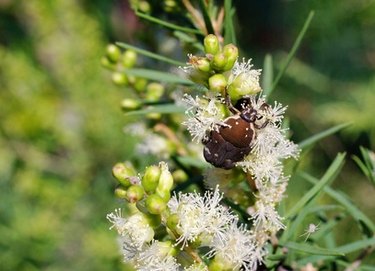
    • Stethorus beetles are dark-colored beetles that feed on spider mites.
      Stethorus beetles are dark-colored beetles that feed on spider mites.

      Spider mites are common plant pests. Spider mites cause damage to plants as they feed on the leaves to suck out the sap and cause bruises to plant cell. Severe infestations of spider mites can be identified by the discolored leaves that will appear speckled with a dull gray or bronze look to the foliage.

      When a large infestation of spider mites has been established in mimosa trees webbing can be seen. Spider mites create the webbing to provide the eggs with protection. Spider mites can be controlled by introducing their natural enemies to the area. Stethorus beetles, more commonly known as spider mite destroyers, can quickly bring a colony of spider mites under control.

    Cottony Cushion Scale

    • Adult female cottony cushion scale have a white fluted egg sack that looks similar to combed cotton. This egg sac is secreted from the body of the female. Cottony cushion scale damages a tree by sucking sap from the leaves, twigs, branches and trunk. Infestations can cause a tree to become defoliated and cause dieback of the tree. The cottony cushion scale leaves a black, sticky residue behind after feeding.

    Mimosa Wilt

    • Mimosa wilt is a fungus that is transferred through the soil to infect a mimosa tree. The root system becomes infected first and then spreads to the rest of the tree. Evidence of infection of mimosa wilt first appears as a yellowing and wilting of leaves on several branches. As the wilt spreads, these yellow leaves will turn brown and fall off and shortly after the entire branch will die. The yellowing, wilting, and defoliation will continue through the crown of the tree. Trees that have been infected with mimosa wilt will rarely survive past the year of infection, and will fail to produce any leaves the following year.

    Management

    • While mimosa trees have a variety of pests that can cause damage to the tree the pests can be controlled. However, mimosa wilt is fatal to a tree and can not be controlled through pesticide. Once a tree has contracted a case of wilt, it should be removed and burned to prevent the wilt from spreading. For webworms, spider mites, cottony cushion scale, it is possible to control them through natural means such as introducing beetles to an area of infestation, as they are natural predators of these pests.

      Horticultural oils sprayed on the tree will control spider mites, webworms, and cottony cushion scale. However, more than one application may be needed. The oils should first be sprayed at the beginning of the budding season when pests are starting to develop webs. A second application may be needed around mid summer. Horticultural oils are a gentler way of controlling pests than traditional pesticides. An experienced nurseryman can offer advice on application of the horticultural oils.

Related Searches:

References

  • Photo Credit mimosa image by Nini from Fotolia.com beetles 34. image by mdb from Fotolia.com

Comments

You May Also Like

  • Mimosa Webworms

    The mimosa webworm (Homadaula anisocentra) finds a home in the mimosa tree (Albizia julibrissin) and blankets it with a web of protective...

  • Can I Compost Mimosa?

    Mimosa trees (Albizia julibrissin, commonly known as silk trees) are susceptible to mimosa webworms (Homadaula anisocentra) and mimosa wilt (Fusarium oxysporum). If...

  • Facts on the Mimosa Tree

    The mimosa tree, also known as the silk tree, is a deciduous tree in the legume family. It is frequently planted along...

  • Ants in Mimosa Trees

    The presence of ants in a mimosa tree indicates the presence of other insect pests. Ants are attracted to the sugary secretions...

  • Mimosa Tree Diseases

    The mimosa tree is popular in tropical areas for its fern-like foliage and abundant flowers. It can be planted in pots or...

  • Insects on a Mimosa Tree

    A fragrant, deciduous tree with white, fluffy blooms, the mimosa (Albizia julibrissin) lives between 10 and 20 years and is utilized as...

  • Mimosa Trees & Aphids

    Growing 20 to 35 feet high and wide, mimosa trees (Albizia julibrissin) are common patio trees in U.S. Department of Agriculture hardiness...

  • Mimosa Tree Borers

    The mimosa (Albizia julibrissin) is a deciduous tree grown for its attractive, feathery foliage and fluffy, pink flowers. This fast-growing tree is...

  • The History of the Mimosa Plant

    The Mimosa Plant (Albizia julibrissin) is actually a small weedy tree. It produces messy sap and many seeds, in addition to large...

  • When to Plant Mimosa Trees?

    The mimosa tree, or silk tree (Albizia julibrissin), is a blooming tree native to Asia and introduced into the United States in...

  • Insects Eating the Leaves on My Dwarf Lemon Tree

    Insects generally do not harm dwarf lemon trees in any significant way, even if the leaf damage is a bit unsightly, according...

  • Webworm & Vascular Wilt in Mimosa Trees

    Mimosa (Albizia julibrissin), or silktrees, are not native to the United States and, in fact, are considered an invasive species in some...

  • Why Are the Leaves Falling Off My Indoor Plant?

    Indoor plants help to brighten the room and add an element of life. They help to filter the air and some deter...

  • Asian Longhorned Beetles & Trees

    Asian Longhorned Beetles & Trees. The Asian longhorned beetle has the potential to destroy many trees in the United States. This beetle...

  • Mimosa Tree Information

    The mimosa tree, also known as the silk tree, is a Chinese ornamental tree that was first introduced to the United States...

  • How do I Store Mimosa Hostilis Root Bark?

    Mimosa hostilis, also known as Mimosa tenuiflora, is a member of the mimosa genus, a small shrub that is native to the...

  • Mimosa's Ecosystem

    Mimosa (Albizia julibrissin) belongs to the legume (Fabaceae) family. This deciduous tree, also known as silktree, powderpuff tree, Japanese mimosa and silky...

  • My Maple Tree Leaves Are Turning Yellow

    Finding the leaves of one or more of the ornamental maple trees in the home landscape turning yellow can be disheartening. There...

  • How to Grow a Mimosa Tree

    Mimosa trees are fast growing and can reach heights of 20 to 40 feet. However, they also have relatively short lives. If...

Related Ads

Featured