Home Sweet Home
Hacks, Tips & Tricks
Squeaky Clean
DIY Decor
Carpentry & Remodeling
Maintenance & Repair
Green Thumb
All Home Sweet Home
Chow Down
Main Dishes
Sweet Treats
Snacks
Copycat Recipes
Drinks & Cocktails
Sides & Appetizers
Veggie Faves
Food Hacks
All Chow Down
Get Crafty
Sew Simple
Fun Crafts
Art Projects
All Get Crafty
Let’s Celebrate
Valentine's Day
St. Patrick's Day
Easter
Mother's Day
Father's Day
4th of July
Back to School
Halloween
Thanksgiving
Christmas
New Year
Weddings
Baby Showers
Birthdays
Parties & Events
Gifts
All Let’s Celebrate
JOIN OUR NEWSLETTER
JOIN OUR NEWSLETTER
Home
Let's Celebrate
New Year
New Year
By
Kirsten Nunez
New Year's Eve Hot Cocoa Bombs
Let's Celebrate
By
Kirsten Nunez
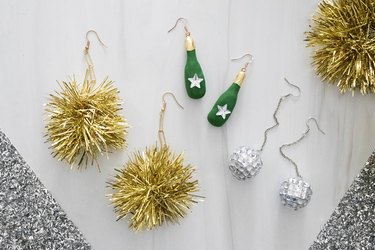
New Year's Eve Earrings
Let's Celebrate
By
Bianca Fernandez
Chocolate-Dipped Strawberries for New Year's
Let's Celebrate
By
Sophie Boudreau
Bright and Refreshing Crafts to Kick Off the New Year
Let's Celebrate
By
Sophie Boudreau
How to Throw a New Year's Day Party (This One's for You, Morning People!)
Let's Celebrate
By
Jessie Quinn
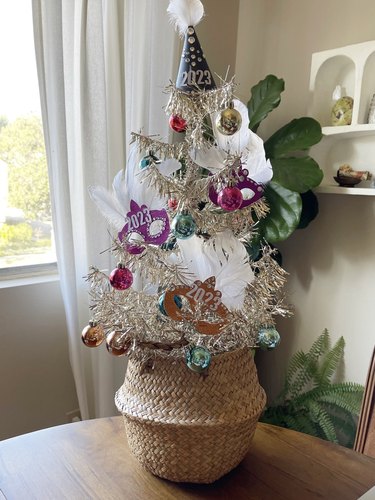
The Touching Tale of a New Year's Eve Tree
Let's Celebrate
By
Megan McCarty
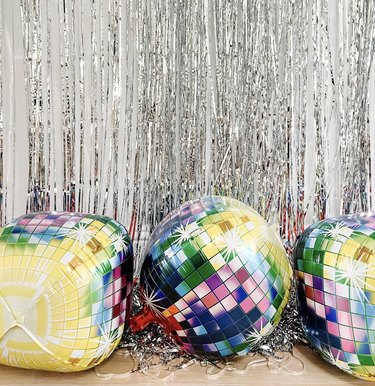
New Year's Eve Party Decorations That Dazzle
Let's Celebrate
By
Kathryn Rateliff Barr
How to Make a New Year's Eve Falling Ball
Let's Celebrate
By
Nicole Devlin
Fun Things to Do on New Year's That Don't Involve Drinking
Let's Celebrate
By
Blake Nelson
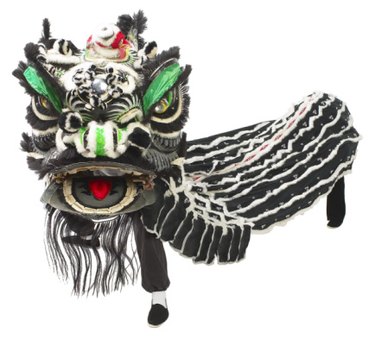
How to Make a Chinese Dancing Lion Costume
Let's Celebrate
By
Jennifer Volino
How to Make a Chinese Dragon for a Parade
Let's Celebrate
By
Steven Miller
Church Games for New Year's Eve
Let's Celebrate
By
Kelsey Casselbury
Romantic Ideas for New Year's Eve at Home
Let's Celebrate
By
Chelsea Hoffman
How to Make Attar Perfume From Flowers
Let's Celebrate
By
Caprice Castano
How Is a Rose Parade Float Made?
Let's Celebrate
By
Tiffany Raiford
Things to Do in Rochester, New York on New Year's Eve
Let's Celebrate
By
Chris Winston
How to Make a Chinese Lion Mask
Let's Celebrate
By
Daniella Lauren
Rose Parade Float Rules
Let's Celebrate
By
Lynn Holmgren
How to Make a Round Chinese Lantern
Let's Celebrate
By
Tiffany Selvey
How to Make a Balloon Drop
Let's Celebrate
By
Louie Doverspike
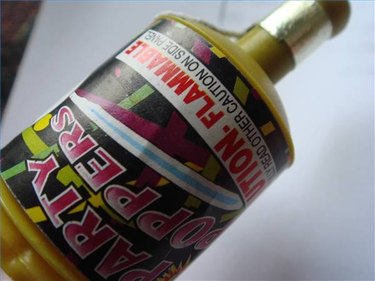
How do Party Poppers Work?
Let's Celebrate
By
Kelly Smith
How to Make Party Poppers From Toilet Paper Tubes
Let's Celebrate
By
M.J. Salamone
How to Celebrate New Year's Eve Alone
Let's Celebrate
Report an Issue
Contact*:
Severity*:
High
Normal
Low
Description*:
Screenshot loading...
Cancel
Submit