How to Make a Flat-Felled Seam

How to Make a Flat-Felled Seam thumbnail
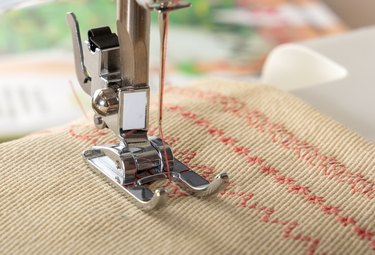
A flat-felled seam looks like this.

On jeans, casual corduroys, rugged work wear and many fashion garments, flat-felled seams have a visible line of stitching and a line of topstitching next to a folded edge. A flat-felled seam adds sturdiness while finishing the raw edges of fabric. This type of seam offers design possibilities with decorative threads, and also offers the flexibility to make the seam allowances wider to make room for three or more rows of topstitching. When you know how to make a flat-felled seam, you can think of other possibilities for embellishing children's clothing and decorative items for your home.

Things You'll Need

  • Fabric
  • Sewing Machine
  • Thread
  • Scissors
  • Iron
  • Serger (optional)
  • Double needle (optional)
Show More

Instructions

  1. Traditional Flat-felled Seam

    • 1

      Place the fabric sections with wrong sides together. Stitch using a 1.5 mm or 5/8-inch seam allowance.

    • 2

      Press the seam to the left. Trim the upper seam allowance to 1/4 inch.

    • 3

      Fold the lower seam allowance over the trimmed seam allowance, meeting the raw edge to the stitches. Press the folded edge.

    • 4

      Fold the lower seam allowance over once more, with the stitches on the left and the folded edge on the right. Press into place.

    • 5

      Topstitch or edgestitch close to the fold.

    Modified Serged Flat-felled Seam

    • 6

      Place the fabric with right sides together. Use a 5/8-inch seam allowance to sew the seam.

    • 7

      Press the seam allowance toward the back section of the garment or downward. Keep both sides of the seam allowance together and serge.

    • 8

      Turn the project right-side up and position the sewn seam on the left. Make the serged seam allowance under the presser foot.

    • 9

      Topstitch 1/4 inch from the finished seam, catching the serged seam allowance in the stitching.

    Modified Double-needle Flat-felled Seam

    • 10

      Stitch the seam with a single needle and the right sides of the fabric together. Trim the seam allowance to 1/2 inch. Press the seam allowance toward the back of the garment or toward the lower garment section.

    • 11

      Replace the single needle with a 4 mm/90 twin needle. Check your foot and throat plate to ensure they will accommodate a twin needle. Follow your sewing machine manual to add a second spool of thread.

    • 12

      Place the project right-side up with the seam on the left and the seam allowance under the foot. Position the twin needle so the left needle stitches next to the seam.

    • 13

      Topstitch the seam. Check the underside of the seam and observe the way the zigzag from the bobbin thread finishes the raw edge.

Tips & Warnings

  • Purchase yellow topstitching thread labeled for jeans to make or repair flat-felled seams on jeans.

  • Use wider seam allowances when sewing on heavy fabrics such as duck or canvas.

  • When flat-felled seams cross one another, place a plastic jeans tool or a piece of cardboard under the presser foot to help it step up and down as you stitch over the crossed seams.

  • When sewing jeans, use a number 110/18 heavy duty needle, make your stitch length 3 mm, and adjust the needle tension as needed.

Related Searches:

References

Resources

  • Photo Credit Photos.com/Photos.com/Getty Images

Comments

You May Also Like

Related Ads

Featured