Things You'll Need
Oil paints
Brushes
Canvas
Paint thinner
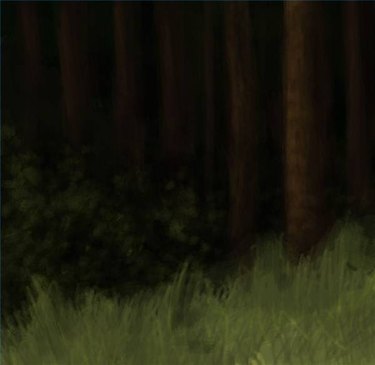
Oil painting is great for creating beautiful landscapes and scenes of nature. The wide variety of colors that you can mix and blend to create the perfect tones can help you to create fields of green grass that look truly realistic. Creating these landscapes can be done without too much experience painting, provided you use the proper technique. When you have accomplished the basics, you can add further details to your oil paintings to bring your mastery to the next level.
Step 1
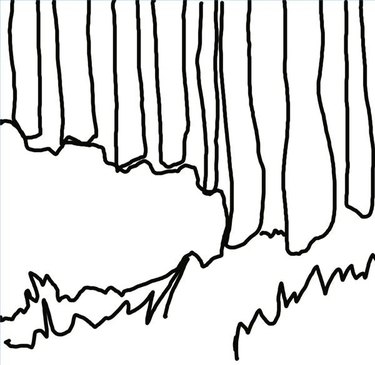
Draw out the line work for the grass on your canvas. It does not have to be exact --- this is simply to mark out the general area where you will apply the grass. Draw a diagonal line that curves at the top of the page to denote hills of grass. Add small triangular points to show the points of grass.
Video of the Day
Step 2

Paint the canvas with a dark color, such as burnt sienna. Dab your brush into the paint and then add one brush load of paint thinner to thin out the oil paint so that when you apply it to the canvas your pencil lines will still be visible.
Step 3

Lay down a coat of dark green --- a forest green is nice. Apply this to the entire grass area you marked out with your pencil lines. Be sure to add blades of grass by flicking up with your brush.
Step 4
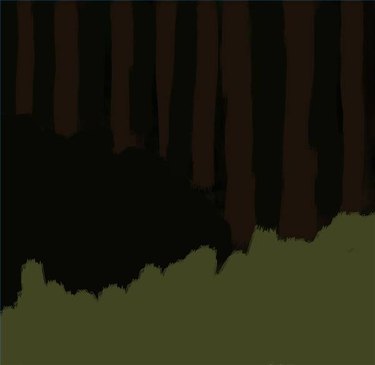
Add a brush load of burnt sienna to the forest green and use this to paint any hills of grass in the background that would be darker. Use the same flicking motion but with smaller strokes to show that the background hills are farther back.
Step 5
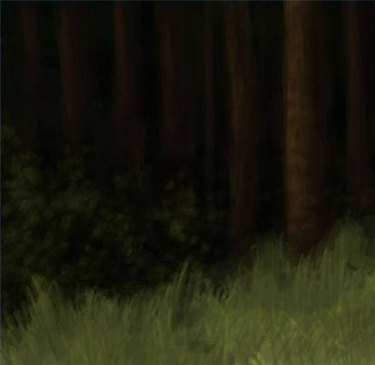
Mix in one brush load of cadmium yellow to one brush load of forest green. Using a detail brush flick the canvas with sharp upward and diagonal strokes to add highlights and individual blades of grass. Vary your strokes in terms of length and spacing to get a natural looking feel. Add one brush load of titanium white to the mixture of yellow and green and add small flicks of this to show blades of grass catching the light of the sun.
Tip
Have a reference photo of a field of grass handy so you can depict the natural play of light better.
Warning
Be sure to work with the oil when it is fresh because blending is easier the wetter the paint is.
Video of the Day