Things You'll Need
Paper or canvas
Colored pencils
Chalk or pastels
Paint
Paint brushes
Water
Smock
Shoebox
Magazines
Scissors
Art styles and art work speak differently to everyone, depending on personal taste, sentimental experiences and what stage of life you find yourself. The teenage years are filled with questions, opposing emotions from day to day and discovery. Teenagers can express themselves through art -- using different media and subjects -- in a way that is healthy, helpful and creative. There are various methods of teaching art to teenagers, but all have one goal in common: getting a teenager to work through feelings and better understand themselves.
Step 1

Plan lessons by gathering information about the group of teenagers you are about to teach. For example, if you are teaching problem teens living in an assisted home, find out what issues they struggle with. Create a supportive atmosphere by encouraging the teens to listen -- to each other and to themselves -- with open minds and hearts. In doing this, teenagers will learn more about themselves and society through their art sessions. Explain how creating art can help someone heal, inspire dreams and express emotions.
Video of the Day
Step 2
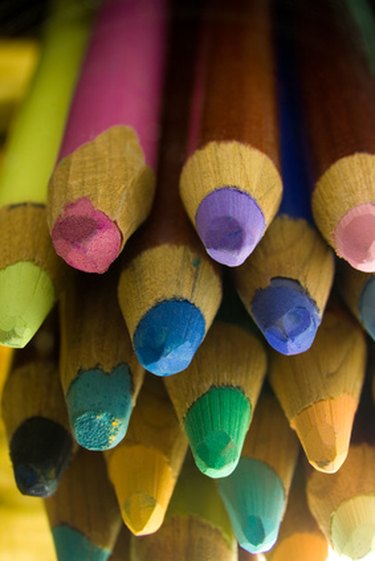
Show and explain art media and projects. Teach students about the different ways art is created by reading essays, showing pictures and giving examples. Talk about paints, pens and ink, collages, recycled materials and pastels, for example. Allow teenagers to touch and use the materials on scrap paper before they begin creating. Ask which materials feel most comfortable in their hands and why.
Step 3

Pass out a blank sheet of white paper to each student. Tell the teenagers in the group they are going to create an art project that will, when finished, communicate a strong message about themselves. Have each child outline their hands on paper and then fill in the hands with patterns, symbols and motifs that explain who they are, what they like, something significant they have experienced and how they feel. Fill in negative space with water colors.
Step 4
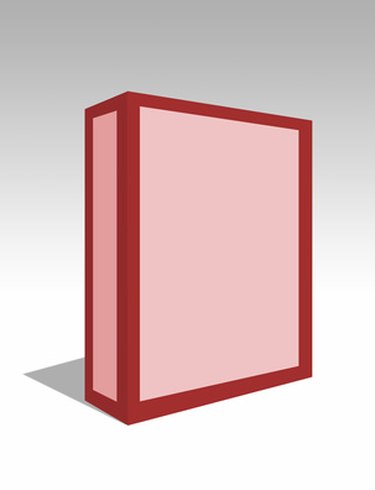
Teach students to think about the things that truly make them happy, what aspirations they have and the environment that is necessary for them to achieve those things. Give each student a shoe box. Make all art media available, including cut-out pages from magazines, carpet swatches and recycled items, for example. Collect prints, pictures and drawings of inspirational items and have students decorate their boxes so that they resemble rooms filled with everything the teenagers needs to make them happy. This project reminds teenagers to visit their authentic selves, by placing reminders of goals, positive visions and important things inside the box.
Step 5
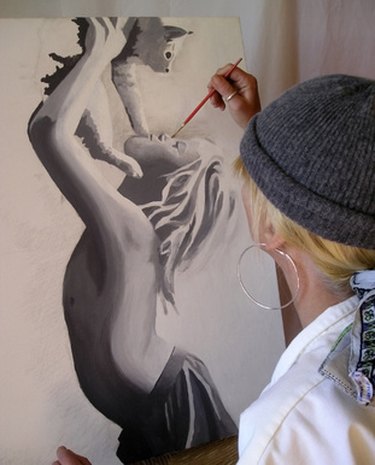
Tell teenagers, who might already feel criticized or insecure, that there is no right or wrong way to create art. Techniques in drawing and painting, for example, can be improved upon, but nothing in art that is created from the soul is ever wrong. Give teenagers the right to say what they feel and, in turn, help them express pain, anger, confusion and joy through their projects. Break down projects into sections, for example, and talk about the work as you go. A teen who is sad, for example, might use charcoal and dark colors to portray a recent negative experience.
Step 6
Respond to all art. Explain to students that exploring each others' artwork, by asking questions and reviewing techniques, is important and useful. Teach them appropriate ways to comment, such as "What a cool way to express that" or "I can tell you feel this way." Encourage learning and listening through peer discussions regarding the projects in the room.
Step 7

Conduct mini-therapy sessions in a group setting. These can be kept lighthearted and can be used on the average teen in a school classroom. Have teenagers reflect upon their week. Select one project, such as painting your happiness or sadness, and see what is created. This kind of art therapy assists teenagers in solving problems, building social skills and managing behavior.
Video of the Day