How to Strip the Zinc Plating From Bolts

How to Strip the Zinc Plating From Bolts thumbnail
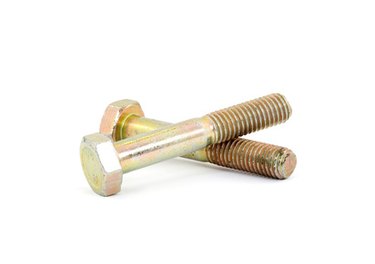
The shine on new bolts comes from zinc plating.

To protect bolts from rust, manufacturers add zinc plating. This coating is shiny and may stand out on construction projects that are attempting to re-create an aged or rustic appearance. Removing zinc plating requires the use of hydrochloric acid, which can be purchased as muriatic acid --- a highly corrosive agent that reacts readily with the zinc plating. Before purchasing muriatic acid, contact your local water company or hazardous waste disposal company for proper solution disposal procedures. A working muriatic acid solution should be a 1:10 dilution of acid to water.
Things You'll Need

  • Muriatic acid
  • Zinc-plated bolts
  • 5 gallon bucket
  • 3 gallon bucket
  • Water
  • Glass measuring cup, Pyrex if available
  • Mask
  • Gloves
  • Goggles or other protective eyewear
  • 1 pound sodium bicarbonate (baking soda)
  • Steel tongs
Show More

Instructions

  1. Stripping Zinc Plating with a Muriatic Acid Solution

    • 1

      Calculate the ratio of muriatic acid to water. A gallon of liquid equals 16 cups. For a gallon solution of 1:10 ratio of muriatic acid to water you need 1.6 cups of muriatic acid and 14.4 cups of water. Do not mix more than a gallon of solution at a time. The greater the volume of the solution, the harder it will be to neutralize later.

    • 2

      Place all of your materials in a well-ventilated area, preferably outside.

    • 3

      Put on protective gloves, mask and eyewear before preparing the solution.

    • 4

      Add the water to a 3 gallon bucket.

    • 5

      Add the muriatic acid to the bucket. Always add acid to water. Adding water into acid creates an exothermic reaction that will produce enough heat to melt the bucket.

    • 6

      Use the steel tongs to carefully place the zinc bolts into the solution. The bolts will fizz in contact with the solution, releasing hydrogen gas.

    Neutralizing the Bolts and Muriatic Acid Solution

    • 7

      Fill the 5 gallon bucket half full with water. The amount does not have to be exact.

    • 8

      Add baking soda to the water while stirring. Add enough baking soda that a thin film of precipitate remains on the bottom.

    • 9

      Use the steel tongs to remove the bolts from the bucket and place them in the neutralization solution.

    • 10

      Allow the zinc-plated bolts to sit for two to three minutes or until any noticeable chemical reaction has ceased.

    • 11

      Remove the bolts from the neutralization bucket and flush with a garden hose or under a faucet for at least five minutes to remove all traces of muriatic acid.

    • 12

      Pour the muriatic solution into the neutralization bucket slowly. Be careful not to splash the solution on clothing or exposed skin.

    • 13

      Add additional sodium bicarbonate to the neutralization solution if it continues to fizz.

Tips & Warnings

  • Use only industrial grade plastic buckets. Do not use household mop buckets since the plastic will be too thin and may react with the muriatic acid.

  • Exercise extreme caution when using muriatic acid.

  • Do not dump excess muriatic acid or the neutralization solution into local water supplies or your yard without authorization.

Related Searches:

References

Resources

  • Photo Credit bolts image by dinostock from Fotolia.com

Comments

You May Also Like

  • Types of Zinc Plating

    Types of Zinc Plating. Metal objects or parts are immersed in zinc salt solution. An electric current is passed through the solution....

  • How to Darken Zinc Plating

    Zinc is a metal often used to make decorative household items like planters, wall hangers and serving platters. The metal has a...

  • DIY Zinc Plating

    Zinc plating is done for a number of reasons, often for practical surfacing and sometimes for decorative purposes. Many times, things such...

  • How to Remove Zinc Screw Thread Plating

    The iron and steel of galvanized screws are coated with a thin layer of zinc. This layer is designed to protect the...

  • How to Remove Zinc Plating

    Zinc plating is a common coating on hardware items such as screws and nuts. It is primarily used to provide a protective...

  • What Is the Difference Between Plain Grade 8 Bolt & Yellow Zinc?

    Fasteners are made from a wide variety of materials like steel, titanium and plastic, all with different benefits and concerns. A common...

  • How to Tarnish Zinc Plating

    Zinc-plated items can be quite bright and silvery when first plated. When alloyed with copper, the resulting composition is brass. Zinc-plated metals...

  • Types of Expansion Bolts

    An expansion bolt is a bolt, nut and lead sleeve assembly that expands upon installation to provide secure fastening. These bolts secure...

  • How to Clean Rust From Zinc-Plated Wire

    Zinc-plated wires are used in areas with high moisture levels to prevent rusting. The iron beneath the zinc coating is susceptible to...

  • How to Mix Lemon Juice & Baking Soda Together for Cleaning

    Natural cleaning ingredients are a great alternative to store-bought cleaners. Lemons and baking soda are two examples of items from your kitchen...

  • Home Remedies to Remove Tarnish From Brass

    Tarnish can give brass an attractive look of age but many people prefer to remove it. If your brass item is an...

  • How to Add Zinc to Hydrochloric Acid

    Acids react with metals to produce a salt and hydrogen gas. When hydrochloric acid, HCl, reacts with the metal zinc, Zn, the...

  • What Solutions Work Best for Electroplating?

    What Solutions Work Best for Electroplating?. Electroplating is a process for coating an object with a thin layer (measured in microns) of...

  • How to Handle Muriatic Acid

    Muriatic acid, also known as hydrochloric acid, is a cleaning solution that removes debris from metal and concrete surfaces. The chemical also...

  • The Effects of Acid on Aluminum

    According to the U.S. Motors's Table of Corrosive Chemicals, hydrochloric and sulfuric acids are known to damage aluminum parts in motors, drives...

  • How to Get the Copper Shell off a Penny

    At one time the coins in this country were actually of some value. It has been a long time since that was...

  • Commercial Zinc Plating Requirements

    Commercial Zinc Plating Requirements. Plating means fixing a thin coat of another metal or alloy onto an existing object. Zinc plating protects...

  • How to Paint Zinc-Plated Hinges

    Some hinges are coated with a zinc plating that protects them from oxidation. While useful, this protective layer is ill-suited for adhesion....

  • Commercial Uses for Zinc Plating

    Commercial Uses for Zinc Plating. Zinc, which has a distinctive bluish-white tint and a brilliant shine, is one of the most extensively...

  • Zinc Plating Explained

    Zinc plating is often done through electroplating, the practice of putting an object in a solution and using electricity to coat it....

Related Ads

Featured