eHow launches Android app: Get the best of eHow on the go.

How To

How to Remove Garlic Odor From Wood Cutting Boards

Contributor
By Lyssa Oberkreser
eHow Contributing Writer
(0 Ratings)

After years of debate, most studies now state that wood cutting boards harbor less bacteria than plastic ones. The wood does like to hang on to strong odors, though, such as onions and garlic. A thorough cleaning followed by seasoning with mineral oil will keep your wood cutting board fresh and odor-free.

Difficulty: Easy
Instructions

Things You'll Need:

  • Mild dish soap
  • soft cloth
  • 1/4 cup white vinegar
  • 1 lemon
  • 1/2 cup kosher salt
  • 2 tbsp. mineral oil
  1. Step 1

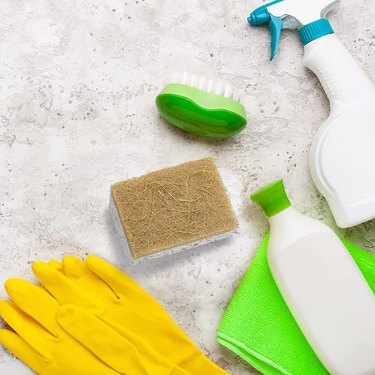
    Thoroughly wash the cutting board with a mild detergent. Avoid using steel wool or scouring sponges, because they will scratch and damage the wood. Rinse well and set out to dry.

  2. Step 2

    Use a soft cloth and about 1/4 cup of white vinegar to wipe down the board. Vinegar is a natural disinfectant and will neutralize odors.

  3. Step 3

    Cut a lemon in half and rub the cut side of the lemon over the entire surface of the cutting board. Give the lemon an extra squeeze to release all of the juice, and then repeat with the other half. The lemon is a natural cleanser and will also neutralize odors.

  4. Step 4

    While the board is still wet with lemon juice, sprinkle 1/2 cup of kosher salt over the board and gently massage the salt on the surface. Let the salt and lemon mixture sit on the board for at least four hours, or overnight. The salt and lemon will draw the odors out of the wood.

  5. Step 5

    Rinse the lemon and salt mixture off of the board and let dry completely.

  6. Step 6

    Use a clean cloth to rub 2 tbsp. of mineral oil over the entire cutting board. The mineral oil will season the board and create a seal to prevent strong odors from being absorbed.

Tips & Warnings
  • Wood cutting boards need to be re-seasoned every 1 to 2 weeks to seal out bacteria.
  • Do not try to season a cutting board with vegetable or olive oil, as the oil will go rancid.
Subscribe

Post a Comment

Post a Comment

Related Ads

  • Have you done this? Click here to let us know.
I Did This
Get Free Home & Garden Newsletters

Copyright © 1999-2009 eHow, Inc. Use of this web site constitutes acceptance of the eHow Terms of Use and Privacy Policy .   en-US Portions of this page are modifications based on work created and shared by Google and used according to terms described in the Creative Commons 3.0 Attribution License. † requires javascript

eHow Home and Garden

eHow_eHow Home and Garden