How to Start a Home Sewing Business
Starting a home sewing business is a practical way to earn extra money or maybe even start a new career. If you sew your own clothes or find yourself "slipcovering" every piece of furniture in the house, it might be time to turn that sewing hobby into a full-fledged business.
- Difficulty:
- Moderately Challenging
Instructions
Things You'll Need
- Sewing skills
- Sewing equipment
- Business license
- Federal tax ID
- Business checking account
- Workshop
- Business cards
-
-
1
First, get the fundamentals of starting a business out of the way. Check your state and local business codes to see if you need a license. Apply for a federal tax identification number on the IRS's website. Open a business checking account.
-
2
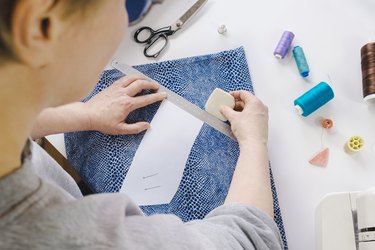
Set up a home sewing workshop. You need a place for your sewing machine, a large cutting table and plenty of storage space for fabrics and sewing accessories.
-
3
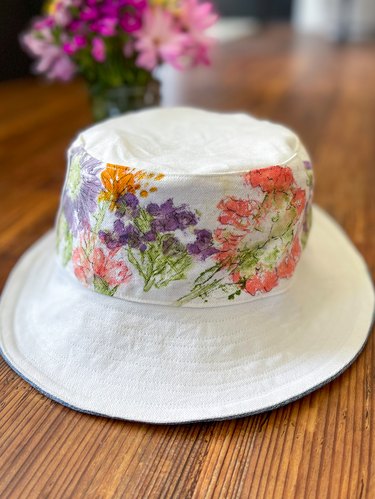
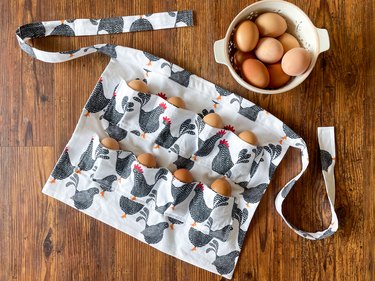
Determine a specialty for your home sewing business. Alternations and mending are always needed. However, prices for some sewing specialties are higher.
-
4
Spread the word to attract customers. Let family, friends and neighbors know you're starting a home sewing business. Offer free alterations for referrals or partner with a dry cleaner that does not offer sewing services. Have business cards made to promote your sewing services. Some Internet services print free or reasonably priced cards.Post flyers or leave business cards in locations throughout your community.
-
5
Use market research results to determine the going rates for sewing services. This might require interviews with seamstresses, calls or visits to a local library or Internet searches on business analyses websites. Some seamstresses charge by the hour, while others offer set prices for each type of sewing service.
-
6
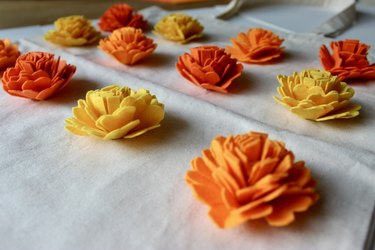
Sew items that you can sell at craft and holiday fairs.
-
1
Tips & Warnings
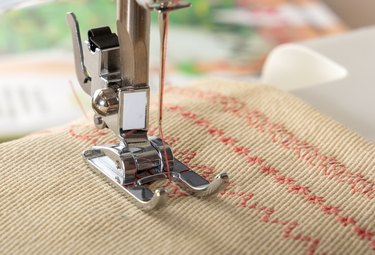
Invest in a high-quality sewing machine, like a serger, which cuts fabric and finishes raw edges. Quality goods made by quality sewing equipment typically command higher prices.
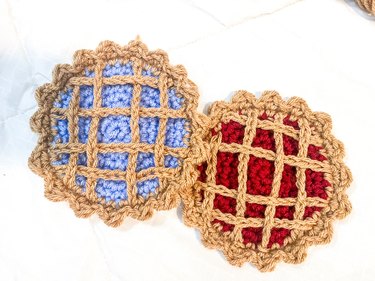
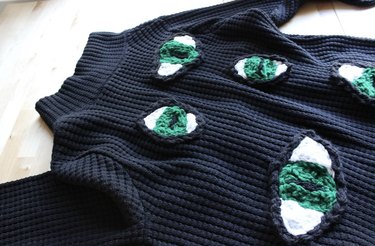
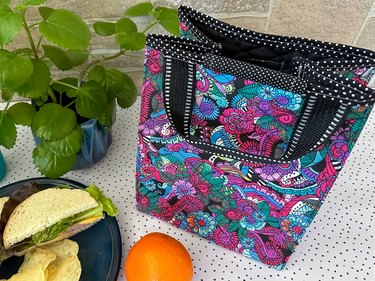
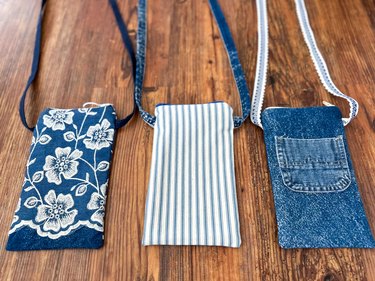
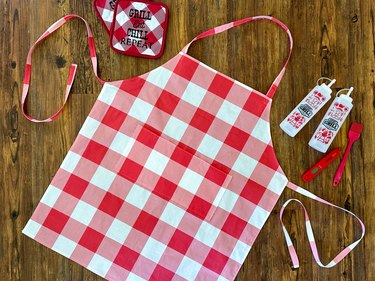
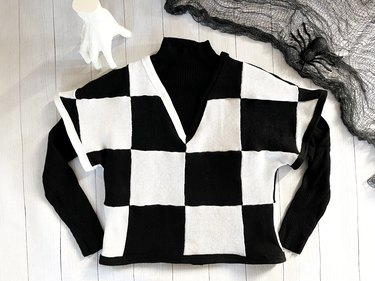
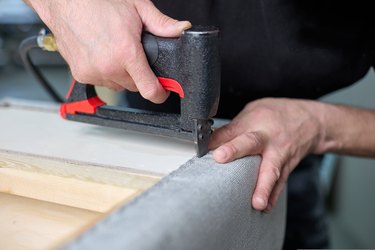
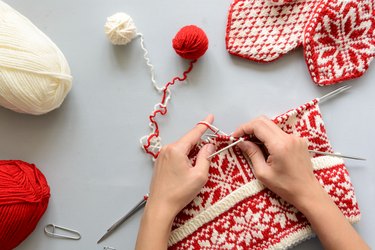
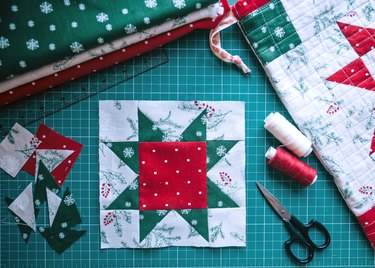
Sewing specialties include wedding attire for brides, bridesmaids and flower girls; prom attire and alternations; costumes for Halloween, stage productions and other events; baby and children's clothing; home accessories, from curtains to slipcovers; alternations for people with disabilities or who had mastectomies; quilting; soft toys such as teddy bears or your own creations; pet clothes; and offering sewing classes.
Sewing can be physically demanding, so take breaks periodically to stretch and walk around.
Don't fall for work-at-home sewing business schemes requiring upfront money. Avoid being scammed by starting your own home sewing business.
Related Searches
References
Resources
- Photo Credit Comstock/Comstock/Getty Images