How to Preserve Antique Clothing

Protecting and preserving antique clothing poses a number of challenges. Storing antique clothing correctly is critical to avoid damage to the fabrics, trims and seams. While the specifics of care may depend upon the garment and fabric, some general guidelines can help you care for antique clothing properly, preserving it to be enjoyed for years to come.

Things You'll Need

  • Acid free tissue paper or clean unbleached muslin
  • Acid free cardboard boxes or plastic boxes
  • Cedar blocks
  • A dark, clean, dry storage space
Show More

Instructions

  1. How to Preserve Antique Clothing

    • 1

      Decide whether the antique garments should be cleaned or laundered. Vintage white cotton chemises and underthings can be hand washed with a mild soap and laid flat to dry. Many pieces of vintage and antique clothing are much more delicate and should be handled by a dry cleaner experienced in working with antique garments. A product like the Dryel home dry cleaning kit can remove odors, and spot cleaning may be adequate for some items (see Reference 1). Be especially careful with beaded or embellished antique clothing.

    • 2

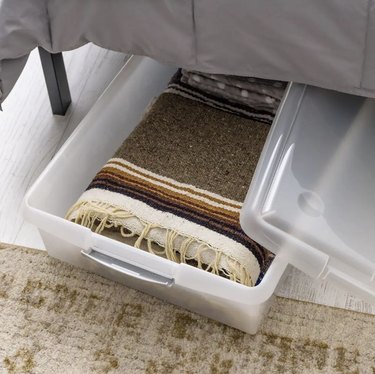
      Decide how you wish to store your vintage and antique clothing. You will need flat, folded storage in a dry, acid free environment. The best option to preserve antique clothing is a custom made textile box; however, these are quite costly. Plastic boxes are more affordable and an acceptable choice in a dry environment.

    • 3

      Wrap the antique garment carefully in acid free tissue paper or unbleached muslin that has been washed and dried. Be sure to carefully place layers of tissue or fabric in between the folds of the garment and lightly pad any fold lines to avoid creating wrinkles in the fabric (see Reference 2).

    • 4

      Place each vintage garment into its own plastic or acid free cardboard box. Add cedar blocks to prevent moths and insect damage. Be sure that the antique garments are fully wrapped and not touching the cedar block.

    • 5

      Store your antique clothing in boxes in a dry and dark space. This will prevent light damage. Label boxes thoroughly to make it easier to access a single antique garment.

Tips & Warnings

  • Ask at a good antique clothing shop for dry cleaner recommendations. Be sure that the dry cleaner you use is experienced in handling delicate garments.

  • Avoid storing antique clothing on hangers. The weight of the garment, especially if it is beaded, can cause significant damage. If you do opt for hangers, choose heavily padded ones and use them only to store very sturdy garments. Vintage silks and chiffons may dissolve if exposed to water. Be especially careful laundering and dry cleaning this type of antique clothing.

Related Searches:

References

Comments

You May Also Like

  • How to Clean Antique Doll Clothes

    An antique doll is more valuable if it's wearing its original vintage clothes. The less you disturb an antique doll, the more...

  • How to Preserve Antique Wooden Farm Tools

    The preservation of antique farm tools, usually made of a combination of iron and wood, requires care and maintenance appropriate for each...

  • How to Store Antiques

    Antiques are a wonderful collectable that connect people with our past and perhaps their family's history. However, since antiques are by nature...

  • How to Preserve an Autograph on Clothing

    If you stood in line for hours to get the signature of your favorite actor or sports star, on an article of...

  • Preserving Copper

    Preserving copper from sunlight and moisture involves wiping it down with a lemon juice and slat mixture, which will remove all traces...

  • How Do I Preserve My Baby Clothes?

    Whether storing previously worn baby clothes for use by potential future offspring or saving clothing because of its special meaning or link...

  • How to Preserve Vintage Clothing & Textile Products

    Whether it's your wedding dress or your grandfather's military uniform, clothing can hold memories you want to pass on to future generations....

  • How to Store Antique Photos

    Preserving precious memories of bygone days, antique photos not only document the past in pictures, they represent an emotional link to our...

  • How to Preserve Moleskin

    Classic moleskin is very dense, heavyweight cotton that got its start in English workingmen's clothing but ended up favored by the gentry...

  • How to Preserve an Autographed Guitar

    Autographed guitars can be cherished keepsakes or hot items to sell to collectors, especially when the signature is that of someone quite...

  • How to Clean Antique Clothing

    Thrift stores and yard sales can yield a gold mine of antique clothing finds. These finds are often dirty or stained and...

  • How to Create Storage in an Antique Armoire

    An antique armoire makes an attractive storage solution. It's spacious and encloses the stored items. Organizing things such as computer accessories, cameras,...

  • How to Store Antique Collectibles

    Proper storage of antique collectibles is very important. Without proper storage, you're opening your collectibles up to damage by water, mold, temperature...

  • How to Shop for Vintage Clothes Online

    If a browse through your local vintage store sends you home empty-handed, sit down at your computer and check out the immense...

  • How to Preserve Old Newspaper

    Many people save newspapers or newspaper articles as keepsakes, especially if the paper contains a picture or article about a family member....

  • How to Date Antique Frames

    Picture frames entered the realm of fine art collectibles in the 1990s. "The antique frame has become so valuable that it can...

  • Care of an Antique Caning Chair

    Your antique chair with the intricately woven cane seat can be just as stylish today as it was in Grandma's day---or even...

  • Tanning & Preserving a Deer Hide

    Once you have a deer carcass, begin the process of preserving and tanning its hide. There are various methods that accomplish the...

Related Ads

Featured