How to Price a Handmade Quilt

How to Price a Handmade Quilt thumbnail
Price a Handmade Quilt

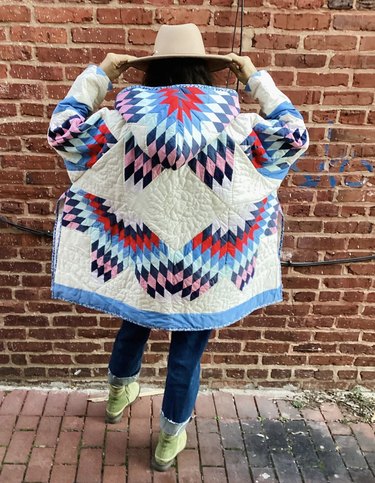
Handmade quilts make beautiful gifts, but for quilters, determining how much to charge is not always easy. While some professional quilters, especially those working on commissioned pieces, charge a flat price per square foot, this isn't necessarily the best pricing scheme for home quilters.

Instructions

    • 1

      Adopt a business mindset

      Once you've made the decision to market and sell your quilts, you've essentially started a sales business. And like all sales businesses, in order to determine retail pricing, you need to factor in not only merchandise costs and desired profits, but also your customer base and competition.

    • 2

      Calculate the cost of materials

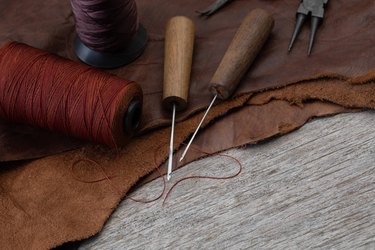
      In order to profit from sales of your handmade quilts, you must set the sales price higher than the total cost of your materials. You'll need to add up what you paid for all the consumables you used in making the quilt - fabric, thread, batting, pattern paper, etc. If you have the quilting and/or binding done by someone else, you'll need to add those costs in as well.

    • 3

      Keep track of your time

      To make quilting worth your while financially, it's important that you factor a decent hourly wage for yourself into the price of the quilt. This isn't an exact science, however, as the more quilts you make from the same design, the less time it should take. An experienced quilter can typically create small quilts from simple patterns in under 10 hours from start to finish. More complicated and larger quilts can take 30-40 hours, or more.

    • 4

      Determine your marketing strategy

      Once you've added up the costs of consumables and services (Step 1) and factored in the cost of your time (Step 2), you'll have a base price to work with. The next step is to determine how you will market and sell your quilts. This is important because the sales value of your quilt is capped by what people are willing to pay, regardless of your base price. Typically, handmade quilts do well at craft fairs and yard sales, but the prices are generally on the lower end. This is probably a better market for your smaller and simpler quilts. To really get top dollar, Etsy, eBay, and your own web site are better options.

    • 5

      Evaluate your competition

      Once you have an idea as to how you'll be selling your quilts, research posted prices for similar products. You don't necessarily have to match those prices, but if you're pricing your quilts significantly higher, make sure that your descriptions justify the higher numbers. Describe your workmanship, the quality of your materials, the design complexity, etc.

    • 6

      Tally it up!

      Pricing will vary from quilt to quilt and from quilter to quilter, but here are some typical starting prices for simple quilts. As the level of complexity increases, the prices should increase as well:

      Baby or lap quilts: $100-150
      Full size quilt: $250
      Queen or king size quilt: $400+
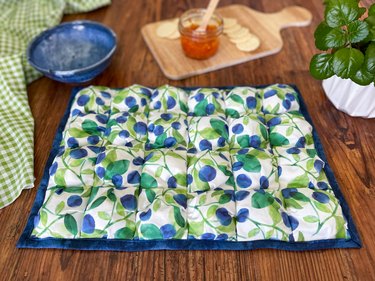
      Wall hangings, table runners, place mats: $50

Tips & Warnings

  • For tax purposes, keep careful records of your costs, including transportation to and from stores and clients, postage, etc.

  • If you're just getting started, consider selling smaller quilts, quilted wall hangings or table linens. You can build up inventory more quickly with these smaller pieces and the profit margin is often higher.

  • Consider offering discounted prices to friends, family, and repeat customers.

Related Searches:

Resources

  • Photo Credit Wikipedia

Comments

You May Also Like

Related Ads

Featured