This Season
 
Explore

How to Use a Juicer

Juicers, also called reamers, are a standard kitchen or bar tool. Vintage juicers were constructed from glass and decorated with elaborate designs. While some modern juicers are still made of glass, most are manufactured from plastic. Professional kitchenware and bar accessories include small juicers mounted on a handle for quick juicing of small lemons to preserve fruit for cooking or add flavor to drinks. Countertop kitchen appliance offerings often include electric juicers, but manual, traditional hand juicers are easy to use and are also environmentally friendly.

Related Searches:
    Difficulty:
    Easy

    Instructions

    Things You'll Need

    • Citrus fruit
    • Small paring knife
    • Trash bag
    • Glass or plastic juicer
    • Cutting board
    • Two half-gallon or gallon pitchers (glass is best)
    • Handled mesh strainer
    • Zester (optional)
      • 1

        Set up the work space. Juicing is messy business, so proper setup is essential to keep the counters and floors clean. Lay out absorbent paper on the counter where the reamer will be placed. Newspapers work well for catching any stray juice, especially if the operation will take place outside on a picnic table or bench.

      • 2

        Cut all of the fruit in half using the small paring knife. Cut around the center of the fruit so that the stem and the end of the fruit are on opposite ends. These elements make the fruit easy to hold when juicing.

      • 3

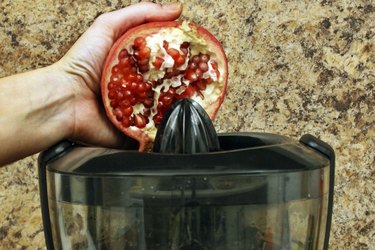
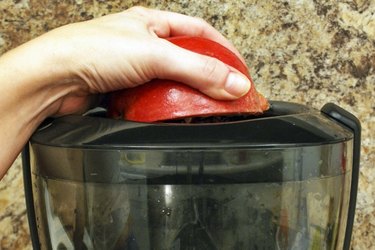
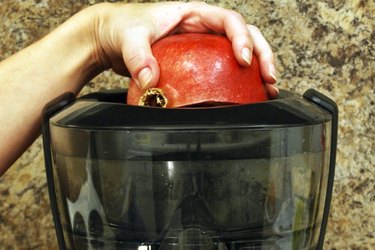
        Set up the juicing operation. Place the juicer in the center of the counter and have the freshly washed pitcher near the operation so that the juice may be easily transferred to the pitcher. Take half of one fruit and push it down directly over the pointed reamer. Don't push too hard, especially if the fruit has a thin skin, since this will break the fruit open and make it more difficult to extract the juices. Turn the fruit slowly and gently in one direction to continue draining the juices. Then turn the opposite direction and continue the same process. When all the juice has been removed, toss the fruit into a paper or plastic bag that will serve as the trash container. When all of the fruit has been through the reamer, don't take the clean fruit rinds to the trash. Use the zester to make a few curly fruit rinds to place on the glasses as a serving garnish.

      • 4

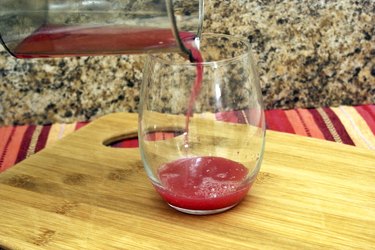
        Strain the juice from pitcher to pitcher. Place the strainer over the empty pitcher and pour the liquid from the full pitcher into the empty one. This will strain any seeds or large pieces of pulp from the liquid. Some citrus drinkers prefer their juice without any pulp and this is easy to do with a fine wire strainer. Pour the liquid slowly and empty the strainer if it becomes clogged with pulp.

      • 5

        Add back extra pulp. Take a bit of pulp from the strainer and stir it into the fresh juice in the pitcher. This step is optional, but health researchers at Texas A&M University found that eating pulp by itself increased the antioxidants and reduced the amount of cholesterol and plasma triacylglyercol in laboratory rats. They state the findings are a good recommendation for the human diet. If you enjoy a bit of pulp, go for the potential health advantage.

    Tips & Warnings

    • Roll the citrus on the counter to loosen the pulp inside the fruit. This will make the process of juicing easier to accomplish. Involve the family in the juicing process. It's easy and there is limited change for injury during juicing. If children wish to try their entrepreneurial skills at a juice stand, check out the Sunkist Corp.'s Web page with hints for a successful lemonade stand (see resources). Fruit rinds work well in composting.

    • Some recipes suggest putting citrus into a microwave for 10 to 15 seconds before juicing. If this method is used, test the temperature of the variously sized fruit before juicing. The interior juice can quickly heat up and be hot to the touch as it is juiced.

    Related Searches

    Resources

    Comments

    You May Also Like

    • How to Use KitchenAid Juicers

      Making your own fruit juice at home is healthier than buying it. Homemade juice is free of extra sugars and preservatives, unlike...

    • How do I Clean a Champion Juicer?

      Since 1955, Plastaket Manufacturing Co., has designed and manufactured the Champion Juicer line of vegetable-and-fruit-juice appliances that make not only juices and...

    • How to Choose The Best Power Juicer

      Juicing at home with a power juicer is great for a diet plan. A power juicer is also a good alternative to...

    • How to Use a Champion Juicer

      The Champion Juicer is a useful kitchen appliance that can be used to make juices, purees, smoothies and sauces from a variety...

    • How to Use Pulp From Juicer

      According to the Harvard School of Public Health, juicing is a good way to increase the amount of fruits and vegetables in...

    • How To Use Jack LaLanne's Power Juicer

      Part of a healthy lifestyle means having a Jack LaLanne power juicer in your kitchen. This machine has an extraction technique which...

    • How a Juicer Works

      A juicer is a small kitchen appliance that separates the liquid from the solids in fruits and vegetables. The juicer uses inertia...

    • How to Juice a Lemon Without a Juicer

      While a juicer makes short work of making lemon juice, it is equally as easy to juice a lemon using your bare...

    • How to Use a Magic Bullet Juicer

      Fresh juice is not only delicious, but also full of nutrients. A glass of 100 percent fruit or vegetable juice can take...

    • How to Use the Remains From a Juicer

      Use the leftover fruit and vegetable pulp from your juicer to give a boost to other foods. All the fibrous remnants from...

    • How to Use a Canning Juicer

      Canning juicers, also known as steam juicers, are an easy way to make juice concentrate from fresh fruit. A steam juicer has...

    • How to Use a Blender as a Juicer

      If you want to explore the endless world of juicing, it might seem tough to do without a juicer. Never fear! A...

    • Norwalk Juicer Uses

      Norwalk Juicer Uses. The Norwalk Juicer was created more than 75 years ago by doctor who researched the benefits of raw fruits...

    • How to Use Champion Juicer to Make Nut Butter

      Do not keep your Champion juicer in the cabinets until you want a glass of fresh-squeezed orange juice. Take it out to...

    • How to Use an Olympic Juicer

      Olympic restaurant equipment is a manufacturer of electronic juicers that are made for professional restaurant and bar environments as well as the...

    • Is Juicing the Same As Using a Blender?

      You can use a juicer or a blender to make fruit drinks, but the two appliances are not the same. Juicers are...

    • How to Use a Wheatgrass Juicer to Make Nut Butters

      You can use a wheatgrass juicer to make fresh cold-pressed nut butters. Wheatgrass juicers slowly grinds and extrudes plant matter with power...

    • Safety of Using Juicers

      In our zest for better diets and healthful living, massive numbers of people have turned to juicers. Associating these machines with names...

    • Uses for Juicer Scraps

      Uses for Juicer Scraps. Juicing fruits and vegetables in an electric juicer leaves behind pulpy scraps. These scraps can be pushed through...

    Follow eHow Food

    Related Ads

    eHow's Food Blog Table Talk

    Cuppa No: Three Good Coffee Substitutes

    A few months ago, my husband James decided to quit drinking coffee. After an endless cycle of mood swings, headaches, and insomnia had taken theirï؟½