How to Regrout Shower Tile

How to Regrout Shower Tile thumbnail
Regrouting shower tile requires some elbow grease.

Does your shower tile grout look tired and flaky? Is mildew growing in and around the grout? Is it stained, cracked or missing? If so, it's time to regrout shower tile. Regrouting is easier than you might think. Here's how to regrout shower tile: Does this Spark an idea?

Things You'll Need

  • Tilex Mold & Mildew Remover
  • Grout Saw/Small Knife
  • Chisel or Utility Knife
  • Vacuum
  • Grout
  • Grout Float
  • Wet Sponge
  • Grout Sealer
Show More

Instructions

    • 1
      Decide on the grout color.

      Decide on your grout color. If you plan to regrout the entire shower, choose a color that matches the shower tile. If you're regrouting only a portion of the shower, be sure to match the color to the existing tile grout.

    • 2
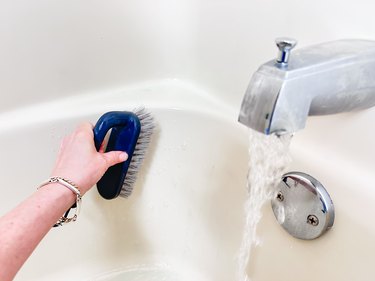
      Clean the tile with Tilex.

      Clean the shower tile with Tilex mold and mildew remover.

    • 3
      Loosen the shower tile.

      Loosen the grout with a grout saw or chisel, then remove it from the shower tile with the chisel or a small knife.

    • 4
      Vacuum up the mess.

      Vacuum up the mess, including any grout chunks still nestled in the spaces between the shower tiles.

    • 5
      Replace shower tiles.

      If any shower tiles need to be replaced, go ahead and replace them now.

    • 6
      Clean the shower tile again.

      Clean the shower tile a second time with with Tilex mold and mildew remover.

    • 7
      Mix the grout.

      Mix the tile grout according to the manufacturer's directions.

    • 8
      Apply the grout.

      Use the grout float and apply grout to the spaces between the shower tiles.

    • 9
      Let it sit for 5 minutes.

      Remove all excess grout from the shower tiles, then let everything sit for 5 minutes undisturbed.

    • 10
      Wipe the tile.

      Wipe the shower tiles with a wet sponge and let the grout cure for three days.

    • 11
      Apply a grout sealer.

      Apply a grout sealer. This will keep moisture and mildew out of the grout.

    • 12

      See the Resources listed below for more tiling ideas.

Tips & Warnings

  • The longer you let the grout cure, the longer it will last in the long-term.

  • Always wear goggles when using a chisel or saw to remove grout from shower tiles.

  • Wear latex gloves when cleaning shower tiles with Tilex and applying grout.

Related Searches:

Resources

  • Photo Credit stock.xchng: deziner02, abm, tilex.com, google images

Comments

View all 8 Comments
  • Rob McKelvie Apr 04, 2009
    Excellent instructions on how to regrout shower tile. We have one that is overdue. Thanks and 5*.
  • Gardengates Apr 04, 2009
    Not my favorite job, but thanks for the clear instructions on re-grouting tile!
  • sherryeam Apr 02, 2009
    I need to do this on our shower. The old grout is just wearing away.

You May Also Like

  • How to Regrout a Ceramic Tile Shower

    Grout acts as a barrier between ceramic tiles that keeps water from entering between the tiles and damaging the substrate. Exposure to...

  • Tips For Regrouting Shower Tile

    Tips For Regrouting Shower Tile. If you think your shower tile is starting to look old and dingy, think again. More than...

  • How to Regrout Bathroom Tile

    Old or damaged grout makes the most beautiful tile look unappealing. Tile grout mildews, begins to look aged and presents a health...

  • How to Regrout a Shower Floor

    Regrouting a shower floor can wipe out years of built-up dirt and mold residue. Regrouting can be necessary because the old grout...

  • How to Regrout a Shower Stall

    Many showers and bathrooms are decorated with ceramic tile, but over time, water can permanently damage your tile. Keep your ceramic tile...

  • Tricks to Regrouting Shower Tile

    If the tile in your bathroom shower is cracked or flaking, it's time to regrout between the tiles to keep water from...

  • Tips on Regrouting Tiles

    Not only is dirty grout unsightly, but it might signal the growth of mold not only on top of the tiles but...

  • How to Regrout a Tile Shower Floor

    Regrouting a tile shower floor shouldn't be an intimidating feat, especially since a shower floor's surface area is smaller than an entire...

  • How to Regrout Ceramic Tile Bathrooms

    Grout is important to ceramic tiled bathrooms, as it not only fills in the gaps between the tiles, but deters moisture from...

  • How to Regrout Kitchen Tile

    Almost nothing can make a counter appear dirtier then dingy, discolored grout. Fortunately, grout is relatively easy and inexpensive to replace and...

  • Regrouting Tile Floors

    If the grout in your tile floor has begun to crumble and disintegrate, you can repair the problem by regrouting the floor....

  • How to Regrout Bathroom Shower Tiles

    Constant exposure to water, and settling or shifting of the shower walls can cause the grout to crack around tiles. Cracked grout...

  • How to Regrout Old Bathroom Floor Tile

    That classic old tile on your bathroom floor may be in great shape, but if the grout between the tiles is damaged,...

  • How to Regrout a Shower Wall

    When you notice the grout in your shower getting cracked, developing gaps and showing other signs of failing, don’t put off repairing...

  • How to Re-grout Shower Tile

    Even the best ceramic tile in your shower can end up looking shabby and gross if the grout is crumbling from between...

  • How to Remove Grout for Regrouting a Ceramic Wall Tile

    If the grout between your ceramic wall tiles has become discolored, cracked and crumbly, it will make the whole wall look bad...

  • How to Regrout Tiles in the Kitchen

    Grout is the gritty substance placed between tiles to fill in the space and help bind them together. Often times, the grout...

  • How to Regrout a Ceramic Tile Floor

    Nothing short of a full rip-out and replacement will offer a more dramatic transformation of your ceramic floor than regrouting. Grout is...

  • How to Re-Grout Tile Floors and Walls

    Grout is the cement material that sits in the thin spaces between the tiles on your floor or wall, joining them together...

Related Ads

Featured