Home Sweet Home
Hacks, Tips & Tricks
Squeaky Clean
DIY Decor
Carpentry & Remodeling
Maintenance & Repair
Green Thumb
All Home Sweet Home
Chow Down
Main Dishes
Sweet Treats
Snacks
Copycat Recipes
Drinks & Cocktails
Sides & Appetizers
Veggie Faves
Food Hacks
All Chow Down
Get Crafty
Sew Simple
Fun Crafts
Art Projects
All Get Crafty
Let’s Celebrate
Valentine's Day
St. Patrick's Day
Easter
Mother's Day
Father's Day
4th of July
Back to School
Halloween
Thanksgiving
Christmas
New Year
Weddings
Baby Showers
Birthdays
Parties & Events
Gifts
All Let’s Celebrate
JOIN OUR NEWSLETTER
JOIN OUR NEWSLETTER
Home
Let's Celebrate
Birthday Parties
Birthday Parties
By
Kathryn Walsh
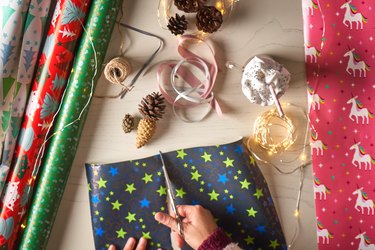
10 Genius Gift-Wrapping Tips & Tricks
Let's Celebrate
By
Megan Beauchamp
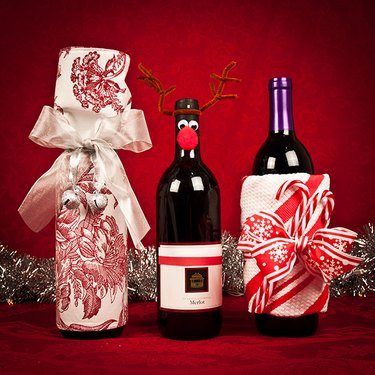
10 Creative Ways to Wrap a Bottle of Wine
Let's Celebrate
By
Jonathan Fong
Advanced Bows and Decor
Let's Celebrate
By
Jonathan Fong
How to Wrap Unconventionally Shaped Gifts
Let's Celebrate
By
Rebecca Sims
How to Arrange an Inexpensive 60th-Birthday Celebration
Let's Celebrate
By
Audrey Lucas
60th Birthday Ice Breaker Games
Let's Celebrate
By
Krystal Miller
85th Birthday Themes
Let's Celebrate
By
Chris Thomas
What to Do for Fun for Your 35th Birthday
Let's Celebrate
By
Cooper Veeris
Dresses to Wear to a Quinceanera
Let's Celebrate
By
Rose Turner
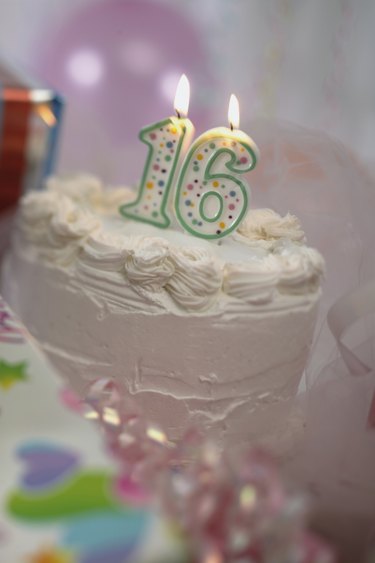
Why Is a Girl's Sweet 16th Birthday Important?
Let's Celebrate
By
George N. Root III
Ways to Cheer Up on a Boring Birthday
Let's Celebrate
By
Kathryn Rateliff Barr
Things to Do for Your 45th Birthday
Let's Celebrate
By
Si Kingston
What to Get a Ten-Year-Old Girl for Her Birthday
Let's Celebrate
By
Lily Mae
How to Decorate a Table for a 60th Birthday Party
Let's Celebrate
By
Deirdre Havers
Games for a Dress-Up Birthday Tea Party for 10-Year-Old Girls
Let's Celebrate
By
Veronica Romualdez
Nautical Theme Party Games
Let's Celebrate
By
Erin Ringwald
How to Build Props for a Circus Themed Birthday Party
Let's Celebrate
By
Jennifer Blair
Ideas for a Red Carpet Party for a Kid's Birthday
Let's Celebrate
By
Sara Hickman
Ways to Surprise Your Boyfriend at School on His Birthday
Let's Celebrate
By
Stephanie Kelley
What to Get Friends for Their 17th Birthday
Let's Celebrate
By
Athena Hessong
How to Make a Non-Perishable Food Basket
Let's Celebrate
By
Janece Bass
Seven Symbolic Gifts for a Seventh Birthday Party
Let's Celebrate
By
Emily Pate
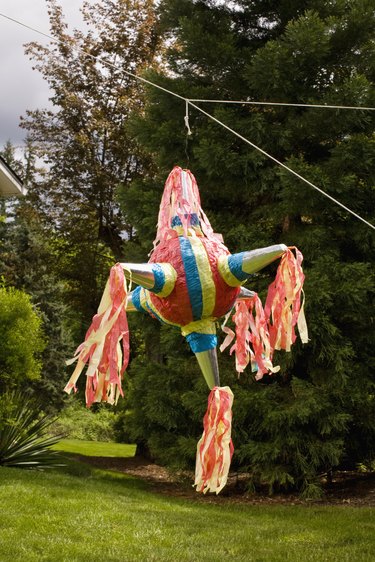
Typical Hispanic Birthday Party Traditions
Let's Celebrate
By
Jeris Swanhorst
Party Games for a One-Year-Old's Birthday in December
Let's Celebrate
By
J. Johnson
How to Tape Decorations on Walls Without Damage
Let's Celebrate
By
Loi Diaz
How to Make a Fabric Canopy for a Candy Cart
Let's Celebrate
By
Alison Datko
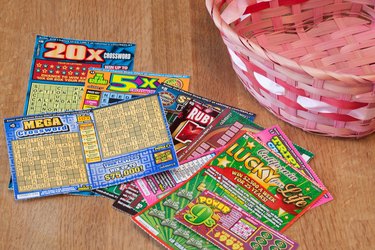
How to Make a Scratch Off Lottery Ticket Gift Basket
Let's Celebrate
By
Megan Smith
How to Make an Unforgettable Romantic Birthday
Let's Celebrate
By
Erin Schreiner
Things to Do for Your 28th Birthday Besides a Party
Let's Celebrate
By
Gina Scott
Romantic Ways to Give Jewelry as a Gift
Let's Celebrate
By
Amy Davidson
How to Decorate a Birthday Party Hall Without Taping
Let's Celebrate
By
Julia Hanna
What Are Some Similarities Between Sweet Sixteens and Quinceaneras?
Let's Celebrate
By
Chris Brower
How to Deal With Men Turning 50
Let's Celebrate
By
Natalie June Reilly
What to Get a 60 Year Old Man for His Birthday?
Let's Celebrate
By
Leonor Crossley
Places for 4-Year-Old Kids to Celebrate Birthdays
Let's Celebrate
By
Tamiya King
What to Get Your Wife for Her 60th Birthday
Let's Celebrate
1
2
3
4
5
>
Report an Issue
Contact*:
Severity*:
High
Normal
Low
Description*:
Screenshot loading...
Cancel
Submit