How to Remove Linoleum and Mastic from Wood Flooring
Linoleum is a common floor covering attached to wood flooring via a layer of mastic adhesive to provide a smooth and secure surface that will last years. Removing linoleum once in place, however, can present you with some difficult moments. The adhesive is strong enough to make anything short of destructive removal of the linoleum impossible, leaving you with a room full of debris and worthless linoleum flooring pieces. After the removal of the flooring, you still have the difficult task of removing the mastic serving as an adhesive for the linoleum on your floor, sanding it away to reveal the wood flooring beneath. Does this Spark an idea?
Things You'll Need
- Push broom
- Mop
- Cleaner, pH-neutral
- Prybar
- Utility knife
- Floor scraper
- Heat gun
- Floor sander
- Hand-held sander
Instructions
-
-
1
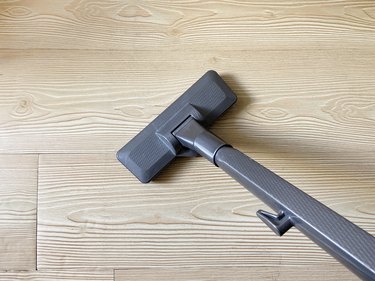
Clean the linoleum prior to removal so that you'll have a clear look at any damage in the surface that you can use to pull the pieces from the subfloor. Sweep away any loose dirt from the floor, and then use a pH-neutral floor cleaner and a mop to wash the surface clean. Rinse with clean water and allow the surface to dry for about an hour.
-
2
Pull any baseboards or trim surrounding the flooring to access the floor edge. Take a prybar and slide it between the boards and the wall at the locations where the installers nailed the boards into place. Apply pressure to the prybar to pull each board away. Go down the length of the board, pulling it away at each nail, until you remove the board completely. Set it aside for reuse.
-
-
3
Search the linoleum floor for any loose pieces, or any tears in the flooring material that you can use to start pulling the linoleum up. Make a starting section in the flooring about a foot from the flooring edge, if nothing suitable exists, with a utility knife. Cut a 12-inch slit through the linoleum to the level of the subfloor to create your alternative starting point.
-
4
Slide the tip of a floor scraper into the tear, or slit, or beneath the torn piece of linoleum as far as the scraper will go. Keep the scraper angled between 30 and 45 degrees to provide upward pressure on the bottom of the linoleum. Push the scraper beneath the linoleum, tearing through the flooring and pushing it upward from the subfloor. Continue all the way across the floor until you've lifted a row of the material, then adjust the position of the scraper to lift another row next to the lifted portion. Continue row by row until you've lifted the entire linoleum surface with the scraper.
-
5
Loosen difficult-to-remove pieces by directing the heat from a heat gun at the stuck section for about 30 seconds, loosening the bind between the linoleum and the subfloor. Pry up the loosened piece, then continue.
-
6
Pull up all linoleum pieces from the floor, then sweep the debris away with a push broom.
-
7
Remove the thin layer of mastic adhesive left on the subfloor by sanding it away with a floor sander. Attach a medium-grit sanding pad to the base of the sander, then run the sander in rows over the mastic-covered floor surface. Overlap each row by about 2 inches and use small circles with the sander as you move along, to avoid creating grooved lines in the floor's surface.
-
8
Switch the floor sander for a handheld sander to remove mastic from hard-to-reach areas of the floor or along the edges next to the room's walls. Sweep away the debris after sanding.
-
1
Tips & Warnings
Wear work gloves, safety goggles and a face mask to protect yourself from flying pieces of linoleum and mastic dust.
Increase the ventilation in the room during the removal process by opening all windows.
Send the mastic in for testing at a certified asbestos testing facility before removal. If asbestos is present, leave the removal to a professional.
References
- Photo Credit Jupiterimages/Photos.com/Getty Images