How to Save Money on Dishwashing

How to Save Money on Dishwashing thumbnail
Washing dishes

Saving money on dishwashing does not necessarily mean having to do the dishes by hand. Depending on the quantity and dirtiness of the dishes, sometimes using the dishwasher can actually be more cost-effective than hand washing. Here are some recommendations on how to save dollars on washing dishes and dining accessories. Does this Spark an idea?

Things You'll Need

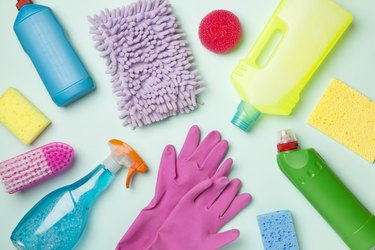
  • Dish detergent
  • Soft sponge
  • Food scraper
  • Dish drying rack
  • Dishwasher detergent
  • Rubber mat
  • Dishtowel
Show More

Instructions

    • 1

      Attend to dishwashing immediately after a meal. This will prevent caking of food particles and staining of china, glassware and flatware, which require more effort and resources to clean.

    • 2

      Use a food scraper to scrape leftover food from the dishes and serving plates. With a scraper, you can remove most of the food particles without having to turn on the faucet.

    • 3

      Safeguard your delicate china and glassware by laying down a rubber mat on the bottom of the sink and a dishtowel over the edge of the sink. Don't lose an heirloom piece through careless dishwashing.

    • 4

      When washing only a few dishes and dining accessories, use the three-tub hand washing method. Place warm water and dish detergent in the first tub, regular tap water in the second tub and water with a teaspoon of vinegar in the last tub. Soak and soap the dishes in the first tub, rinse them in the second and shine them in the last tub. Air-dry them on a drying rack or wipe them dry with a dishtowel.

    • 5

      When faced with a large volume of soiled dishes, glasses, flatware and serving plates (for example, after a party or gathering), use the dishwasher. When the dishwasher is run with a full load, the amount of water, energy and detergent used is less than if the same number of soiled items were hand washed. Use the spare time to do something productive.

    • 6

      Run the dishwasher only at non-peak hours. During warm days, run the dishwasher at night to save on cooling costs.

    • 7

      Load the dishwasher properly (follow manufacturer's instructions), making sure the water jets are not blocked or hindered from doing their job efficiently. Improper loading causes poor washing and the need to rewash some items.

    • 8

      Be sure that you only load dishwasher-safe items in the dishwasher to avoid breakage.

Tips & Warnings

  • Use only dishwasher detergent for the dishwasher. Regular dish detergent and laundry detergent will generate bubbles that will flood the dishwasher and require you to empty the appliance, tediously rinse out the bubbles, mop up the spills and rewash the dishes.

  • Use the "light wash" (unless dishes are terribly dirty) and the "energy saver" options on the dishwasher as much as possible. Air-dry instead of heat-dry.

  • Soak heavily caked and burnt-on pots, pans and servers for several hours (or overnight) to soften the dirt and require less energy and resources for cleaning.

Related Searches:

Resources

Comments

View all 53 Comments
  • grouch Feb 27, 2011
    I am not sure which costs me more time and money; letting the kids load the dishwasher or letting them hand wash the dishes. Just kidding they do a great job either way but this article tells it all. It only takes one dish to fall into the wrong spot and stop water flow ultimately causing you to have to rewash the whole load. If you have an older dish washer that is like this then you might check into replacing it. For under $300 you can replace your existing one with a energy efficient, low water usage, and 2 washing blades dish washer. Installing is a snap and it takes less than an hour.
  • smfrick Dec 02, 2008
    I've found that using cold water to rinse the dishes will remove any soap quicker than warm or hot water, which tends to cause more bubbles. This will also save hot water. Also for a small set of dishes consider air drying on a dish rack, which is actually more sterile than using a dish towel to dry.
  • smfrick Dec 02, 2008
    I've found that using cold water to rinse the dishes will remove any soap quicker than warm or hot water, which tends to cause more bubbles. This will also save hot water. Also for a small set of dishes consider air drying on a dish rack, which is actually more sterile than using a dish towel to dry.
  • Foto45steve Dec 01, 2008
    Great ideas. If hand washing remember to use the cool water for something else (like water plants) before you fill up the sink with hot water for washing.
  • Foto45steve Dec 01, 2008
    Great ideas. If hand washing remember to use the cool water for something else (like water plants) before you fill up the sink with hot water for washing.

You May Also Like

Related Ads

Featured