eHow launches Android app: Get the best of eHow on the go.

How To

How to Plan a Catering Menu

Contributor
By Laura Gyre
eHow Contributing Writer
(3 Ratings)
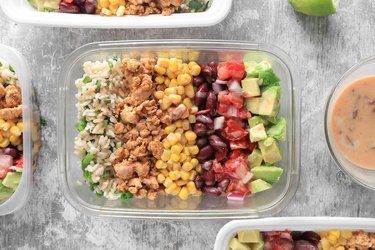
Creative commons image by Kweezy McG on Flickr.

If it's your first time catering an event, planning a catering menu is probably going to be your biggest challenge. After all, you know how to cook, but figuring out what (and how much) to make will affect many other aspects of the job, from the cost of your ingredients to the time, energy, and serving equipment required. Then, of course, there is customer satisfaction. Whether you end up with positive reviews will depend largely on whether you've prepared an appropriate amount of food and dishes that clients enjoy.

From Quick Guide: Wedding Catering for Beginners
Difficulty: Moderately Easy
Instructions
  1. Step 1

    Discuss menu requirements with your client. Even if they say that they don't care and want you to pick the menu, make sure to run possible options by them to make sure that you are thinking along similar lines. Also find out whether there are any special dietary restrictions or preferences among the group of people you will be serving.

  2. Step 2

    Determine the amount of food. Find out how many guests are expected and whether they will be having a full meal or just a light snack. If it's a meal, you'll probably want to plan several courses with at least a couple of options for each. In this case you can use the recipes to estimate the number of servings that each will make, although you should plan for a total of more meals than you will have people because meal preferences are unlikely to be evenly split. If it's a buffet of hors douvres, plan a catering menu of several different items with a total of four to ten pieces per person, depending on the amount of food expected.

  3. Step 3

    Choose a variety of dishes. If you're making an assortment of small items, choose some savory recipes and some sweet. Also consider making some items rich and some lighter, and if your service permits, some hot and some cold. If you're planning a full dinner menu, make sure that the options are cooked or flavored differently in case guests don't like one of the options.

  4. Step 4

    Do consider special diets, particularly vegetarian and lower calorie. While you don't need to put a great deal of thought into this unless your client has requested it, it's nice to make sure there's at least one option available, even if this just means making sure the salad and steamed vegetables aren't slathered ahead of time with butter and bacon. Guests who have these needs will really appreciate your consideration.

  5. Step 5

    Weigh the practical factors, specifically the time and money your ideal menu will require. Chances are what you've planned will be fine, but if your entire entire catering menu requires gourmet specialty ingredients, lots of refrigerator space, or complicated last-minute touches, you might want to consider making substitutions.

Tips & Warnings
  • If you're starting a catering business, make a note of which foods seem to go quickly. You may want to choose these items more often in the future, or at least prepare larger amounts of them.
  • Don't feel that you have to make all of your best dishes for one event. You do want to impress your clients (and their guests), but a balanced menu that is impeccably prepared and presented will accomplish this at least as well.
Subscribe

Post a Comment

Post a Comment

Related Ads

  • Have you done this? Click here to let us know.
I Did This
Get Free Careers & Work Newsletters

Copyright © 1999-2009 eHow, Inc. Use of this web site constitutes acceptance of the eHow Terms of Use and Privacy Policy.   en-US Portions of this page are modifications based on work created and shared by Google and used according to terms described in the Creative Commons 3.0 Attribution License.

Demand Media
eHow_eHow Careers and Work