How to Hand Embroider

How to Hand Embroider thumbnail
Hand embroidery can be used to decorate a range of items.

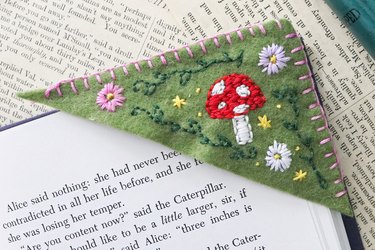
Hand embroidery is a traditional craft that has been practiced for hundreds of years and is used to decorate a wide range of items from handkerchiefs and throw pillows to tablecloths and clothing. There are numerous different embroidery stitches, the most common of which are outline, daisy, French knot, satin, cross and running stitch. The simplest of these is the running stitch, and mastery of this basic technique will enable a beginner to get started with hand embroidery.

Things You'll Need

  • Embroidery fabric
  • Pattern
  • Heat transfer pencil
  • Ready-made heat transfer design (optional)
  • Iron
  • Embroidery hoop
  • Embroidery thread (floss)
  • Sewing scissors
  • Needles
Show More

Instructions

  1. Instructions

    • 1

      Use an undecorated handkerchief or throw pillow in a white or light-colored, durable fabric such as cotton canvas or linen. Print your design onto paper to make a pattern. Trace the outline of your pattern using a heat transfer pencil on the reverse side of the paper. Place the pattern on top of the fabric and apply a hot iron to transfer the design.

    • 2

      Hold the fabric at an even tension by using an adjustable embroidery hoop. Separate the two concentric circles that make up the hoop. Place the fabric over the smaller of the two rings. Push the outer ring over the top of the fabric and inner ring and tighten with the screw.

    • 3
      Embroidery floss comes in a variety of colors.
      Embroidery floss comes in a variety of colors.

      Cut a length of embroidery thread (floss). Separate the strands of the embroidery thread which should come apart easily. Embroidery skeins typically consist of six strands. Three strands of thread is an ideal thickness for beginning hand embroidery. Thread the needle and secure the long end with a double knot.

    • 4

      Pull the threaded needle up through the fabric at the start of your design. Continue to pull the thread until it is secured by the knot on the underside of the material. You are ready to begin the running stitch.

    • 5

      Push the needle back through the material at a distance no greater than 1/4 inch to make the first stitch. Pull the needle in and out of the fabric, following the outline design, making stitches equal in length. Leave a gap in between the stitches of half the size of the original stitch.

    • 6

      Pull the last thread through to the underside of the material and secure with a knot. You can do this when you have covered the outline of your design in running stitch or when you wish to change colors. Cut off any leftover thread.

Tips & Warnings

  • Work on a simple design with a continuous outline (such as a heart) to begin with. Move on to more complicated designs (such as flowers with details), when you have mastered the basic embroidery skills.

  • Most retial yarn/craft shops sell iron-on transfers that you can use instead of creating your own designs.

Related Searches:

References

Resources

  • Photo Credit embroidery image by vnlit from Fotolia.com thread image by Mikhail Basov from Fotolia.com

Comments

You May Also Like

  • How to Embroider Letters by Hand

    Embroidering letters by hand is useful for adding monograms to items such as linens and clothing, for a distinctive personalized touch. If...

  • How to Embroider a Motorcycle Patch

    Embroidered motorcycle patches can easily be stitch onto a jacket by hand using a heavy duty needle to pierce through denim or...

  • How to Learn Hand Embroidery

    Embroidery is a type of needlework often referred to as painting with a needle. A fine example would be the colorful saris...

  • How to Embroider Letters

    The monogram is a classic embroidery project. You can stitch initials on everything from pillowcases to towels to checkbook covers, adding a...

  • How to Hand Embroider Names

    Embroidering names adds a personal touch to quilts, tote bags, clothing and more. To embroider by hand, you'll need a few tools...

  • How to Make Patches With an Embroidery Machine

    Creating really clean, slick embroidered patches almost requires professional equipment. Quality base cloth, fusing and laser cutting equipment are key concerns for...

  • How to Make a Throw Pillow

    Change or enhance the look of a room by adding throw pillows you've made yourself. These instructions will make a 24-inch pillow.

  • How to Hand Sew & Embroider

    Hand sewing and embroidery remain useful skills in today's busy world. The recent revival in crafting has led to a renewed interest...

  • How to Design Hand Embroidery on Clothes

    Adding hand embroidery to clothes you already own is a fantastic way to make something old look new again. Designing hand embroidery...

  • How to Hand Embroider

    Embroidery is an age-old needlecraft enjoyed by both men and women all over the world. If you want to practice this art...

  • Machine Embroidery Gifts

    Machine Embroidery Gifts. Embroidery is often labeled an old-fashioned pastime. However, machine embroidery has returned this art to the present, and today,...

  • How to Hand Sew a Decorative Embroidery Chain Stitch

    If you're a passenger on a long road trip or just looking for something to do with your hands while watching the...

  • How to Do Madeira Embroidery by Hand

    Madeira embroidery is based on broderie anglais (French for English embroidery), a form of whitework embroidery. It was introduced to the island...

  • How to Make Your Own Embroidered Patch

    Designing original ideas for embroidery patches and then transferring the designs onto your embroidery machine in order to produce them follows a...

  • How to Transfer Embroidery Designs Onto Fabric

    Embroidery enhances clothing and home decor items. You can transfer embroidery designs onto fabric using an inexpensive heat transfer pencil. Draw or...

  • Can You Launder Embroidery Thread?

    Embroidery thread can be laundered if needed, as long as you take some precautions first. If you simply throw a handful of...

  • How to Machine Embroider Names

    Machine embroidering names can add a creative, personalized touch to gifts, clothes, backpacks or bedding. Machine embroidering is also faster and easier...

  • How to Embroider a Monogram

    Embroidered initials personalize household items and fashion accessories. Extremely popular in the 1940s, monograms go back as far as ancient Egypt.

  • How to Hand Embroider a Monogram

    You can embellish a gift for a friend, family member or newlywed couple with a hand-embroidered monogram to add a personal touch...

Related Ads

Featured